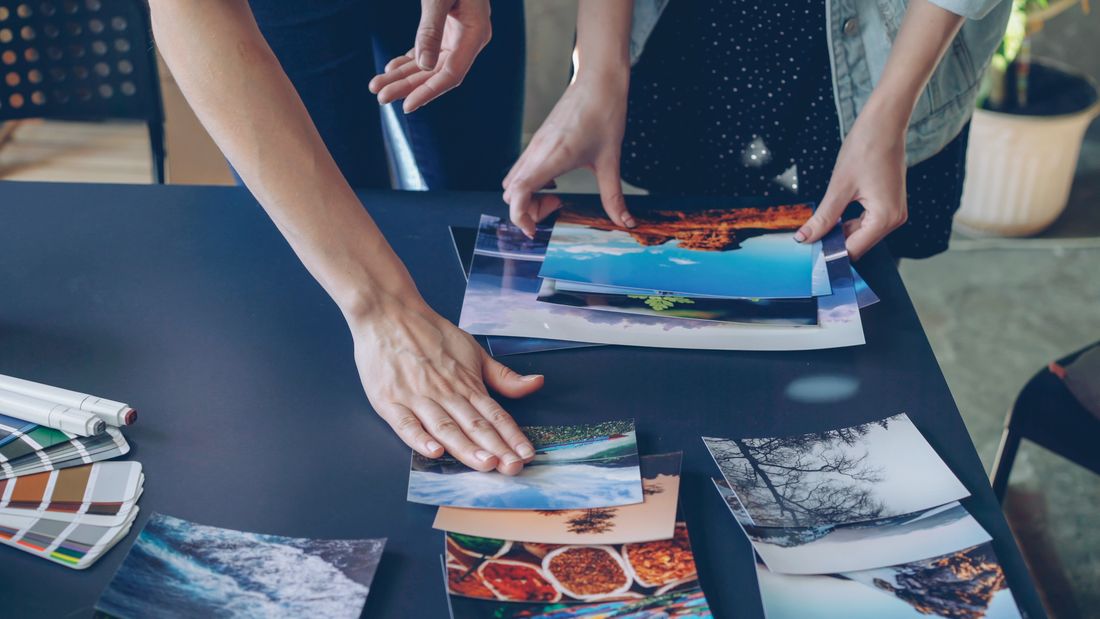
Usage is the part of a photography agreement almost everyone skips, then trips over months later, when a gallery wants an image for a fair booth, a magazine asks for a press file, or a brand wants to run it as an ad. Here is what usage actually describes, and how to settle it before it becomes a scramble.
Usage is the where, how long, in what media, and by whom of a photography agreement, a separate question from who took the photo or who paid for it. Paying for a session generally buys a license within an agreed scope, not unlimited rights, and settling the scope with a few plain questions before a shoot is far easier than settling it after a magazine or brand is already waiting.
What usage actually describes
Usage is the part of a photography agreement that spells out where an image can run, for how long, in which formats, and who is allowed to use it. It is a separate question from who took the photo, who owns the copyright, or who paid for the session.
Think of usage as four dials rather than one switch. Where covers the channels an image can appear in: a personal portfolio, a gallery's Instagram, a printed catalog, a paid ad, a magazine feature. How long covers duration: some agreements grant use for as long as the work exists, others expire after a year or a single exhibition cycle. In what media covers format: web only, print only, both, or something narrower like "social media, not print." By whom covers people: the artist alone, the artist and the gallery representing them, or third parties like press outlets and brand partners the artist has not worked with directly.
Most disputes are not about whether an image can be used. They are about which of these four dials the original agreement actually set, and which it left open. A gallery that assumed broad usage because nobody objected to an Instagram post may find the same image cannot go on a printed catalog cover, because the agreement never addressed print. None of this makes usage complicated in principle. It is a short list of plain questions. The trouble starts when nobody writes the answers down, and everyone assumes a different default months later.
Why paying for the photos is not the same as owning them
Paying for a photography session almost never transfers copyright, and copyright is not the same thing as usage rights either. In most working arrangements, the photographer retains authorship of the images; what the client receives is a license to use them within an agreed scope, not a blank check to use them anywhere, forever, in any form.
This surprises people because the everyday experience of buying something usually means owning it outright, no strings attached. A print you buy off a wall is yours to hang. A photo file delivered after a session feels the same way, especially once it lives on a hard drive with everything else in the same folder. But a delivered file is closer to a lease than a sale. The agreement that came with it, whether a one-line email or a formal contract, is what determines whether that file can run in a gallery newsletter, a paid social campaign, a press kit, or a magazine spread.
None of this is a trick or a way to squeeze more money out of a client later. It reflects how the underlying agreement was scoped from the start, usually because the fee, the timeline, and the shoot itself were built around a narrower use. Broader use is available in most cases. It is a conversation, not a violation, and the sooner it happens the less it costs anyone in confusion down the line.
Who usage actually covers
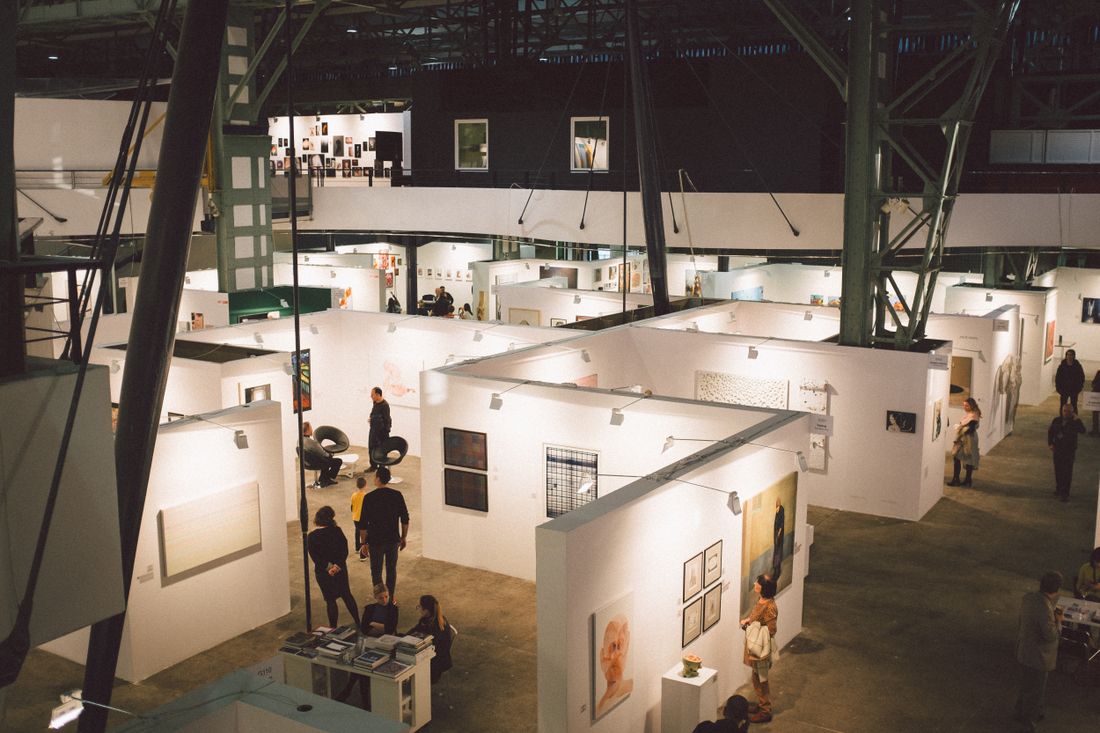
Usage terms name the people and organizations allowed to use an image, and that list is often narrower than everyone assumes. An agreement built around one artist showing work at one gallery does not automatically extend to that gallery's other locations, a co-representing gallery, or a press outlet the gallery invites in later.
In practice, agreements commonly name a primary party: the artist, or the gallery commissioning documentation, or both jointly. From there, usage either stays limited to that named party or explicitly extends outward. A gallery representing several artists might want documentation images available to all of them for shared marketing. A collector's agent might want images cleared for an insurance file that a third-party appraiser will eventually see. A publicist might need press-ready files cleared for outlets the artist has never met. Each of these is a distinct grant, and none of them happens automatically just because the first use went smoothly.
The safest habit is treating every new party as a new question, not an extension of goodwill. If a second gallery, a co-curator, or an outside publication wants to use an image, that is worth a quick check against the agreement rather than an assumption that "the photos are already out there, so it is fine." Usage that is fine for one party is not automatically fine for the next one who asks.
What most agreements grant by default
Absent specific language, many working agreements default to a personal and promotional scope: portfolio use, social media, a website, and press materials directly about the work itself. That default usually does not extend to paid advertising, merchandise, third-party licensing, or resale of the images as a product in their own right.
The reasoning behind this default is practical rather than restrictive. A photography fee sized for documenting an exhibition or a body of work is not typically sized for the value an image carries once it becomes an advertisement, a licensed stock asset, or part of a paid commercial campaign. Those uses carry different value, different risk, and often different pricing conversations entirely, well beyond what the original session covered. A default scope keeps the original agreement matched to what was actually paid for and planned around, while leaving room to expand later when a genuinely different use comes up.
This is exactly why reading the actual language matters more than relying on instinct. "Default" is not a fixed industry standard; it is whatever the specific agreement says, written or implied by past practice with a given photographer. Some agreements are broader than the general pattern above, some are narrower, and some say nothing explicit at all, which is its own problem. Knowing the general shape helps a reader ask the right question, not substitute for reading the actual terms in front of them.
The questions that settle usage before a shoot starts
A handful of plain questions, asked before a shoot, prevents most usage confusion later: Where will these images likely run. For how long. Does that include paid advertising or press. Who besides me might need to use them. What happens if a use comes up that this agreement did not anticipate.
These questions work best asked in ordinary language rather than legal terms, because the goal is a shared understanding, not a negotiation. "Will I want to use this for anything beyond my own site and Instagram" is a more useful prompt than asking about "usage rights" in the abstract, because it gets people picturing the actual future use instead of a category. A gallery planning a fair booth six months out, or an artist expecting a press cycle around a show, benefits from naming that possibility now rather than discovering the gap when the request actually lands.
It also helps to ask what is not covered, not just what is. An agreement that is silent on advertising is not automatically permissive or automatically restrictive; it is unclear, and unclear is the actual problem worth naming out loud before anyone signs anything. Settling these questions before a shoot costs a few minutes of conversation, usually folded into the same call where the shoot itself gets scheduled. Settling them after a magazine or brand is already waiting on an answer costs considerably more, in time and in the awkwardness of asking under pressure.
Where usage questions tend to resurface later
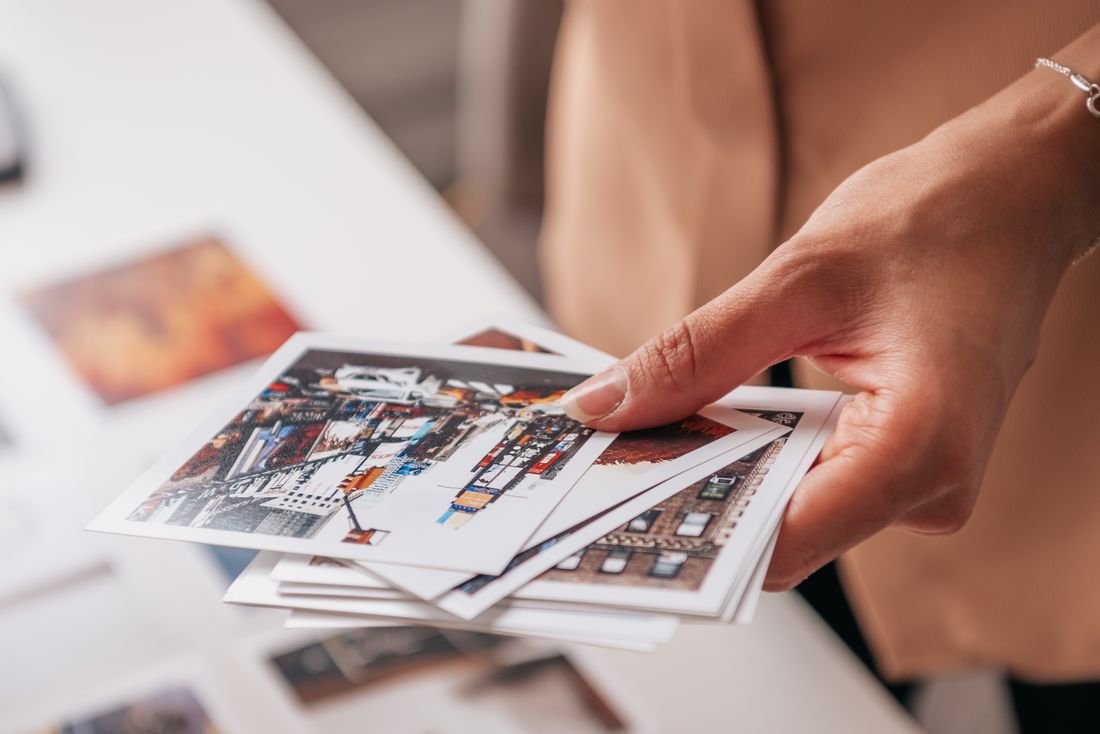
Usage almost always resurfaces at a specific, predictable moment: a gallery wants an image for a fair booth, a magazine asks for a press file, or a brand wants to run a photo as part of a paid campaign. Each of these is a genuinely different use than the one the original agreement likely anticipated.
Each also tends to arrive on someone else's timeline, not the artist's or the gallery's own. A fair booth is promotional but often reaches a much larger and more commercial audience than the original shoot was planned around, and sometimes involves printed materials at a scale nobody discussed at the time. A press request usually needs a high-resolution file cleared for editorial use, which is a narrower and generally lower-friction ask than advertising, but still worth confirming rather than assuming is fine because the outlet seems reputable. A brand wanting to run an image as an ad is the case most likely to fall outside a default scope entirely, since advertising use typically carries different value and different terms than editorial or promotional use ever did.
None of these moments are emergencies, even though they often arrive with a deadline attached and a slightly apologetic email. They are simply the point where the original agreement gets tested against a real, specific request from someone new. Recognizing the pattern in advance, rather than treating each one as a surprise, is what keeps the conversation calm instead of rushed.
How to read what your existing agreement actually says
Reading an agreement for usage means looking for four things specifically: any language about where images can be used, any stated time limit, any distinction between editorial and commercial or advertising use, and any list of who is authorized to use the files. If none of those four appear, the agreement is silent on usage, not automatically permissive.
Short agreements and email exchanges are the hardest to read this way, because usage is often implied rather than stated. A line like "photos for your website and social" is doing real scope work even though it does not use the word usage at all. It is worth pulling out any sentence that names a channel, a timeframe, or a type of use, and treating that sentence as the actual boundary rather than a suggestion. Where the agreement is genuinely silent, that silence is the fact to work with, not a green light.
This is also the point where outside advice is worth more than guessing. A specific agreement's language, and what it does or does not authorize, is a legal question about that particular document, not a general rule this kind of overview can answer. When a use is valuable enough to matter, or a disagreement is already forming, running the actual language past the photographer directly, or past counsel, is the right next step rather than reading between the lines alone.
How to ask for usage the original agreement did not cover
Asking a photographer for expanded usage is a normal, low-drama request, not an imposition: name the new use specifically, name how long it will run, and ask directly whether the existing agreement covers it or needs an addition. Most photographers would rather answer that question than find out about the use after the fact.
The request lands better when it is concrete rather than open-ended. "Can I use this photo for anything" invites a cautious answer, because it asks the photographer to anticipate every possible future use at once. "A gallery wants to run this image in a printed fair catalog next month, is that covered" is easy to answer quickly, because it is one specific, boundable use. Bringing the actual context, who is asking, what they want to do with the image, and for how long, turns an awkward-feeling conversation into a short factual exchange.
It also helps to ask early rather than after the fact. A photographer asked in advance can usually just say yes, say no, or name a fair adjustment, often within a day or two. A photographer told after a magazine has already run the image is being asked to bless something that already happened, which is a different and more uncomfortable position for everyone, even when the answer would have been yes anyway. Treating expanded usage as an ordinary ask, made early, keeps the relationship easy on both sides and keeps the paperwork honest.
Frequently asked questions
Does paying for a photography session mean we own the photos outright?
Paying for a session typically buys a license to use the images within an agreed scope, not full ownership or copyright. Most photographers retain authorship of the files they create. What changes is what the paying party can do with them: post them, print them, run them in an ad, and so on, depending on what the specific agreement actually grants. Ownership and usage are related but separate questions, and it is worth checking which one an agreement actually addresses.
Can a gallery use documentation photos for a paid ad if the agreement only mentions social media?
Not automatically. An agreement that names social media as the intended use generally does not extend to paid advertising, since advertising carries different value and is usually priced and scoped separately. The safest approach is asking the photographer directly before running the image as an ad, naming the specific placement and timeframe. Most photographers can say yes quickly once they know the actual use, rather than being asked to guess at a broad, undefined scope.
What happens if a magazine wants a press file and the original agreement never mentioned press?
This is one of the most common moments usage gets tested, and it is usually a quick fix rather than a real problem. Naming the outlet, the intended use, and the timeframe to the photographer generally settles it fast, since editorial and press use is often lower-friction than advertising. If the original agreement is genuinely silent, treat that silence as a gap to close with a short conversation, not as either a green light or a hard no.
Does usage automatically transfer to a second gallery representing the same artist?
Generally not. Usage terms typically name a specific party, and a second gallery, even one representing the same artist, is usually a distinct party that needs its own clearance. Assuming usage carries over because the artist is the same person can create real gaps, since the original agreement may have been scoped around one relationship rather than the artist's representation generally. Checking with the photographer before extending use to a new gallery avoids that gap.
How do we ask a photographer for usage the original agreement did not cover without it feeling awkward?
Make the ask specific and early: name the exact use, who wants it, and how long it will run, then ask directly whether the existing agreement covers it. A concrete, bounded request is easy for a photographer to answer quickly, unlike an open-ended one. Asking before a use happens, rather than after a magazine or brand has already run the image, keeps the conversation a normal business exchange instead of an uncomfortable one.
Got a photo or video project taking shape in NYC?
Tell us what the files need to do, where the day is happening, and what has to go right, and we'll help shape a production plan around it.
Start a project →