Before booking photo and video in NYC, settle six things. Know what the files must do, where the work will happen, when the space is truly available, who can approve access and appearance, what the crew can bring in, and when the finished material is needed and how it arrives. A creative reference is helpful. A usable plan is better.
New York adds practical pressure to ordinary production decisions. A beautiful location may have a narrow staircase. A quiet interview room may share a wall with construction. A one hour venue window may include security check in, elevator travel, setup, shooting, and a very sincere goodbye from building management. None of this makes the city impossible. It makes early clarity valuable, and it changes what a quote is actually pricing: the room and the schedule shape the number more than the hours on the booking form do. This guide explains what to confirm before asking for a quote or holding a date, so the team can build the right crew, schedule, and deliverables around the real job.
The short answer
The strongest time to book is when the creative goal and the practical conditions can be described in the same conversation. You do not need every frame planned. You should know the main use, location, date range, subject or event, final deadline, and any limits that will shape production.
For an event, that may mean knowing whether you need still photographs, a short recap, a full talk, clean audio, guest portraits, or several of those at once. For a portrait or brand session, it may mean knowing where the images will live, how many people are involved, and whether the location is part of the story or simply where everyone could get a key.
This is also the point where first time clients are usually surprised: a quote is rarely priced on hours alone. Crew size, lighting, sound, camera count, backup, setup time, and file preparation follow from the job, and those are what most affect the number. The room and the schedule decide more of the price than the length of the booking does. Starting with equipment reverses the useful order. The camera can be excellent and still be the least surprising part of the day.
Start with what the files must do
Define the destination before the shot list. A website header, press portrait, event archive, vertical reel, full panel recording, installation view, and printed invitation each ask for different framing and coverage. One production can support several destinations, but the team needs to know which ones matter most.
Name the primary deliverable in plain language. Then list the supporting versions. If a short event film is the priority, the plan may need continuous moments, clean transitions, room sound, and a clear beginning and ending. If photographs must work in both a wide website banner and a vertical social crop, the photographer needs room around the subject. Cropping is flexible until someone has placed an elbow against the edge of the frame.
Share the final deadline and the first real use. A gallery may want a small set quickly while the opening still has momentum, then receive the complete edited collection later. A brand launch may need approved images before a fixed announcement. Delivery timing affects the edit, the review path, and whether a preview set should be planned from the start rather than requested midway through.
Confirm access before choosing the setup
Access means more than the street address. Confirm the correct entrance, elevator rules, stairs, loading options, security procedure, parking or drop off limits, door widths, and the distance between the entrance and the working room. A fifth floor loft with a passenger elevator and a fifth floor walk up are different productions wearing the same zip code, and in this city the gap between them is where the real time goes.
Ask when the crew can enter and when every case must be out. If a venue contract begins at six but guests arrive at six fifteen, the real setup window is fifteen minutes. If security requires every person to show identification and every case to be inspected, that belongs in the call time, not as a surprise at the door. The schedule should describe the building, not merely the event.
Photos of the route can be more useful than a polished venue gallery. A quick phone image of the entrance, elevator, room, ceiling, windows, and available holding area helps the team judge footprint and movement. Include rough room dimensions when possible. Exact architectural drawings are lovely, but nobody needs to commission one for a portrait near a desk. Building logistics in this city are rarely a footnote; they are frequently the actual production problem.
Treat booked time and working time differently
A three hour booking rarely means three hours of finished capture. Arrival, check in, load in, setup, testing, subject preparation, room changes, short delays, pack down, and exit all live inside the same clock unless the agreement says otherwise.
Build the schedule backward from the non negotiable moment. For an event, that may be doors opening, a toast, a performance, or the start of a panel. For a portrait, it may be the short period when an artist, founder, or full team is available. Protect that moment first. Place setup before it and optional frames after it, and confirm where equipment can sit while the room is in use so cases are never blocking a fire path or the exact corner chosen for the shot.
Add margin around travel between boroughs or distant locations, and around weather when an exterior matters. The city occasionally develops a personal interest in your call sheet. Set a rain decision point in advance rather than during load in, and name the indoor alternative before the forecast becomes the most senior producer on the project. A plan with no margin asks traffic, security, and weather to behave as one coordinated department. They have not agreed to this, and neither has the elevator.
Know who controls the space and the people in it
Confirm who can approve photography, video, lighting, furniture movement, and access. A venue manager, building staff, gallery director, public property office, and private homeowner may control different parts of the same plan. Written approval keeps a production from discovering new rules while cases are already open.
Permit needs depend on the location and footprint. Public streets, parks, stations, buildings, rooftops, private venues, and managed plazas can each have different rules. Check the current NYC Film Office permit guidance, then ask the relevant owner or agency about the actual plan. Describe the crew, stands, tripods, sound, power, blocked areas, and duration. A vague question can earn a vague answer, which is a poor thing to put on a call sheet.
People need clarity too. Decide whether guests, staff, artists, speakers, customers, or passersby may appear. Events may use notices, release language, or designated no camera areas depending on the context. Share sensitive boundaries before production: unreleased artwork, private documents, screens, addresses, children, confidential work areas, or guests who should not be photographed. It is easier to plan respectful framing than to build an archive of files that cannot leave the hard drive.
Share the real light, sound, and power conditions
Natural light is not a fixed amenity. Share which direction the windows face, when direct sun enters, whether shades work, and what the room looks like at the scheduled hour. A bright scouting image made at noon may not describe a winter interview at four. Mixed ceiling fixtures also matter and may need to be turned off, balanced, or accepted as part of the space.
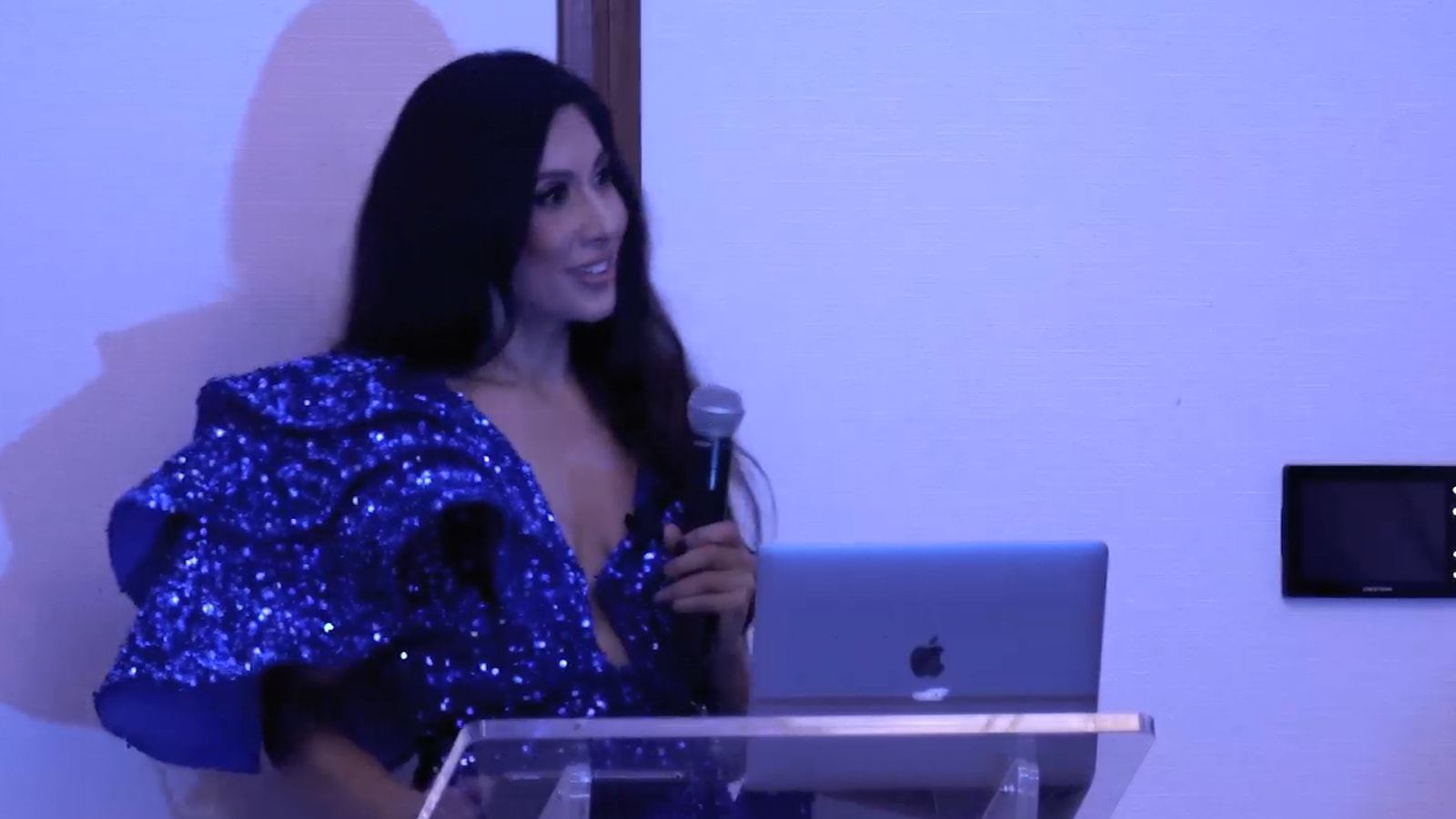
For video, describe the sound before discussing the picture. Ask about air conditioning, refrigerators, street noise, music, crowds, construction, house sound systems, and adjoining rooms. A talk can be recorded from several angles and still feel distant if nobody can capture clean speech. Sound planning includes microphone access, the venue feed, a backup, and time to listen before the program begins, whether that program is a panel at a podium or a short interview in a side room.
Power should be practical and approved. Note available outlets, circuit limits the venue knows about, and any areas where cables cannot run. Battery power can keep a smaller setup flexible, but it does not remove every charging or runtime decision. The crew should know whether the room supports the plan before arriving with a very optimistic collection of adapters.
Choose the smallest crew that can do the job well
The best crew is not always the largest one. In a small studio, apartment, gallery, or busy event, a compact team can move quietly and protect the atmosphere. Crew size is one of the biggest levers on a quote, so naming the simultaneous jobs early gets a more accurate number sooner.
The crew still has to cover the priorities. One person can often make strong photographs of a focused session or small event. Photo and video at the same time may require separate attention, especially when important moments happen once. A full panel recording adds continuous camera coverage and sound responsibilities that do not pause while still photographs are being made elsewhere.
Choose by simultaneous jobs. If the plan asks for guest arrivals, room photographs, speaker coverage, clean audio, vertical social clips, and a same night selects folder during the same thirty minutes, the footprint needs to reflect that. If the job is one artist portrait in one room, a smaller setup may create better movement and less interruption. For very tight rooms specifically, read photography in small NYC spaces: what changes for how the craft itself adjusts.
Build a brief a crew can use
A useful brief can be short. Include the project goal, audience, date range, location, schedule, primary deliverables, intended uses, final deadline, subjects, approval contact, access notes, known restrictions, and the one thing that cannot be missed.
Add references for tone and framing, then explain what each reference is doing. One image may show the closeness you like. Another may show quiet color. A third may show how much environment belongs around the person. This is more useful to a crew than a large mood board containing ten unrelated productions held together by beige, because it tells them why each reference is there instead of leaving them to guess.
Separate must have coverage from optional ideas. The must have list protects the reason for the shoot: the toast, the keynote, the one portrait that has to work. The optional list gives the team room to respond to the space, light, people, and moments that appear on the day. Good planning makes improvisation safer. It does not remove it, and it is what makes a small crew workable instead of chaotic once the room fills up and the schedule starts to slip.
What the quote, deposit, and delivery should actually say
A useful quote connects the price to a defined scope: production time, crew, broad deliverables, editing, delivery expectations, usage where relevant, and the assumptions that keep the plan workable. Additional locations, longer coverage, more subjects, a second camera, dedicated sound, advanced retouching, travel, permits, and rentals can all change the scope, so ask what would move the number before the date is held.
Every quote here carries the same written payment term: half down at booking, the balance due on delivery. That deposit is what actually holds the date and the crew, not a verbal yes. ACH is the default payment method; paying by card adds 3 percent, stated as the resulting dollar total rather than buried in a line item. Deferred terms are the exception, not the opening offer.
Ask plainly what happens to the files afterward: how they arrive, whether a selects round is included, and what you can do with them. Files are delivered digitally, by cloud link, never on physical media, and New York does not charge sales tax on a digital delivery. On documentation work specifically, the published turnaround is 10 business days, with a 25 percent addition for delivery under three business days; other services state their own delivery window in the written quote. Get the delivery date and the usage terms in writing before the date is held, not after.
A simple booking recommendation
Start with one page. Write the goal, date, location, primary deliverable, first use, final deadline, people involved, and known limits. Add a few reference images and practical photos of the space. Then ask the production team to shape the crew and schedule around those facts, and to spell out the deposit, delivery date, and file terms in the quote itself before anyone signs.
If the location or timing is uncertain, hold the creative direction lightly until access is confirmed. If the deliverables are uncertain, decide which one has to work and let the supporting material follow. If photo and video both matter, describe what each needs to preserve, and let the team tell you honestly whether one coordinated day is realistic or whether the job actually wants two separate visits.
The best booking plan does not attempt to control every frame. It removes the avoidable surprises, the access, the schedule, the deposit, the delivery date, so the useful ones still have somewhere to happen. New York will provide enough variables on its own without the paperwork adding more of them later.
Frequently asked questions
How far ahead should I book photo or video in NYC?
Book once the date, location, core deliverables, and approval path are real enough to plan. More notice gives the team time to confirm access, permissions, crew, and equipment, and to hold the date with a deposit rather than a verbal yes. A smaller flexible shoot may come together with less notice, but the brief still needs a clear job before anyone can quote it honestly.
What should I send before asking for a quote?
Send the project goal, date range, location, deliverables, intended uses, deadline, likely number of people or subjects, and any known access or permission limits. Reference images can help describe tone, but the business use of the files matters more than a large mood board, and it is what actually shapes the crew, the schedule, and the number that comes back.
What does the deposit actually cover?
Half the total is due at booking, with the balance due on delivery. The deposit is what holds the date and the crew against other requests for that slot, not a formality, and paying it is the actual moment a booking becomes real. It should appear in the first quote you receive, not get added in a later follow up once the date is already close.
How long does delivery actually take?
It depends on the service, and a written quote should state the window plainly rather than leave you to guess. Documentation work publishes a 10 business day turnaround, with a 25 percent addition for delivery under three business days. Event and portrait work set their own timeline in the quote itself, so ask for the actual date, not a general estimate.
Do I need a permit for an NYC photo or video shoot?
Permit needs depend on the location, footprint, equipment, and how the space is controlled. Public property, parks, streets, buildings, and private venues can have different rules, and a small crew with a tripod is not automatically exempt just because it looks casual. Ask the relevant property owner or city office and share the planned crew and equipment before the date is locked in.
Got a photo or video project taking shape in NYC?
Tell us what the files need to do, where the day is happening, and what has to go right, and we'll help shape a production plan around it.
Start a project →