
Event photos are most useful while the event still has momentum. That does not mean every image needs to arrive before the chairs are stacked. It means the delivery should match what the photos need to do next.
This guide separates the practical decisions so you can see what actually changes, what can be planned, and what is simply part of working with real images in real places. For related production support, explore our event coverage.
The honest timeline for event photo delivery
How fast should event photos be delivered? The honest answer depends on what happens next, but here is the shape of it. A small set of same-night selects can go out before the room empties, if that set was planned in advance. A broader 48-hour social set follows for recaps, newsletters, and partner posts, with enough time to actually choose the right frames. The complete gallery, edited for consistency across the whole event, comes after that. These are three different jobs, not competing promises, and most events only truly need two of them.
Each tier has a real cost. Same-night selects cost coverage time, since the photographer steps away to cull, edit, and export while the event is still happening. A 48-hour set costs a little immediacy in exchange for a set that reads as a coherent story instead of the first frames that happened to load fastest. The full gallery costs patience, because a real edit takes longer than a highlight reel, but it is the only version that holds up as the record of the night.
Our event coverage is billed at $550 an hour with a two-hour minimum, editing included, worth knowing before asking for same-night turnaround. If the plan calls for editing during the booked hours, that time comes out of coverage, not for free. Same-day delivery beyond the ordinary pace is something we quote flat and decide case by case, because the real cost of a fast turnaround depends on how much of the night still needs covering while someone is also editing.
Can event photos really be delivered the same day?
Same-day event photos are possible, but only when they are planned as a small, specific set rather than a promise to somehow finish everything by midnight. A gallery might want one installation view and one room shot while opening-night conversation is still happening. A brand might need a single clean image for an announcement post. A speaker or partner may want proof of the night before they go to bed, and none of those requests need the full gallery to feel satisfied.
That kind of speed works because the set stays small enough to choose with real judgment. The photographer already knows which frames matter, has a fast export workflow ready, and sends a short, deliberate group instead of a dump of unedited files. Asking for the entire gallery on the same day usually trades that judgment for raw volume, and volume is not what a same-day request is actually for.
Same-day delivery also changes what the photographer is doing during the event. Selecting, editing, and exporting takes real minutes, and those minutes come out of active coverage unless someone else is covering the room. If continuous shooting matters as much as the fast turnaround, that has to be staffed for, not assumed. Fast delivery is as much a staffing decision as an editing one, and it is worth saying so before the invoice, not after.
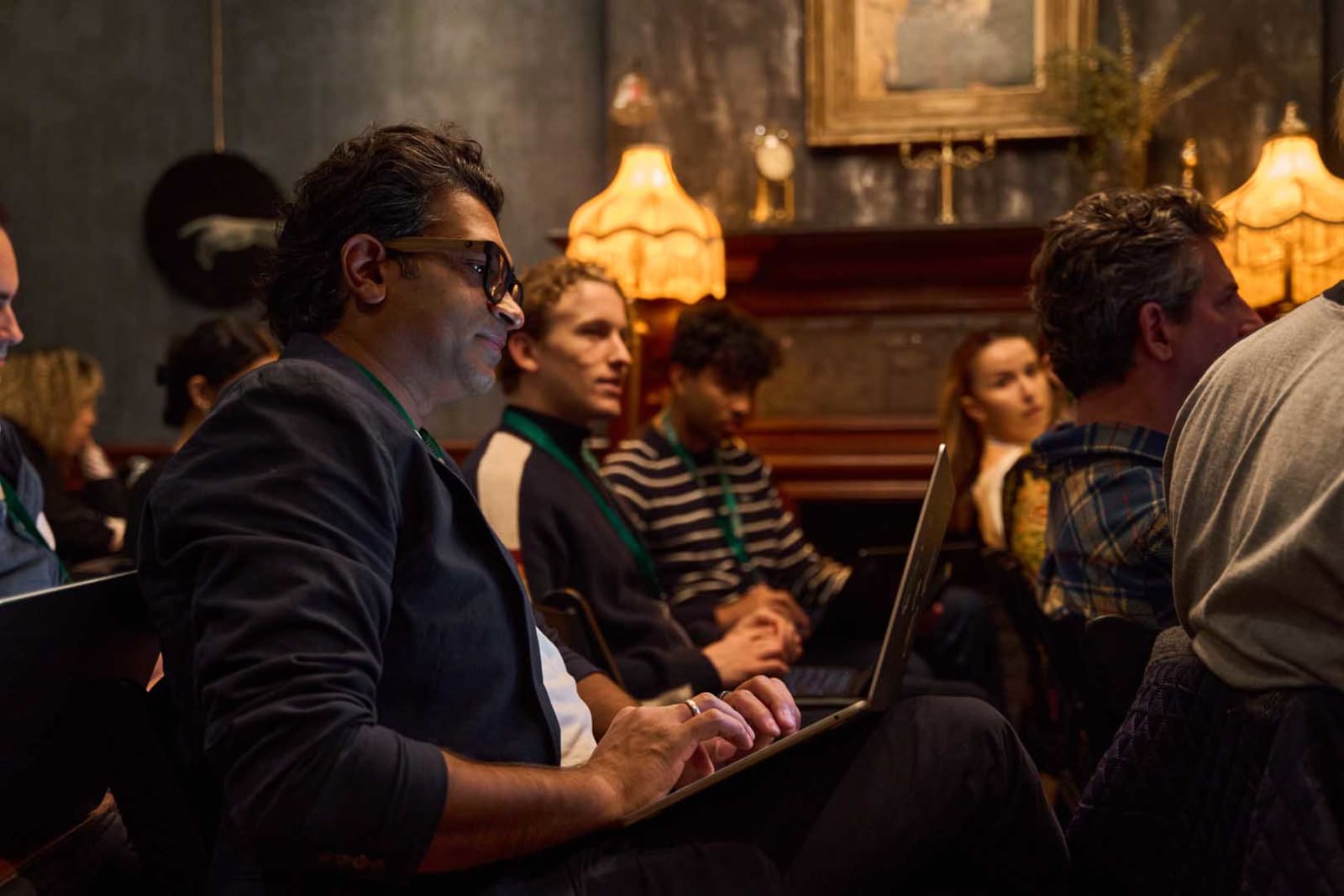
What counts as a normal event photography turnaround time?
There is no single number that fairly describes every event, and anyone quoting one flat figure for every job is usually rounding off details that matter. What we can say honestly is this: expect a short same-night set only when it was arranged in advance, a curated social set inside about 48 hours for most bookings, and a full, edited gallery after that, once the whole set has actually been reviewed start to finish.
Turnaround also depends on volume and complexity, not just goodwill. A quiet opening with two hundred frames edits faster than a packed benefit with two thousand. Mixed lighting across a room, from gallery walls to stage light to candles, adds real time because each scene needs consistent color and exposure, not just one quick global adjustment. None of that is an excuse. It is the actual work that separates a usable gallery from a fast dump of raw files.
How long it takes to get photos back from an event photographer is really a question about what happens between the shoot and the delivery: culling, correcting, sequencing, exporting, and quality control. Skipping any of those steps makes for a faster number and a worse gallery. The honest move is to ask a photographer what their process actually includes before assuming a longer timeline just means they are slower than someone else.
Getting event photos back fast enough for social media
Delivery for social media has its own shape, separate from the full gallery. It needs to arrive inside the window a post is still relevant, and it needs to arrive in the right form: a vertical crop for a story, a square or vertical frame for a feed post, and enough resolution that it does not look soft on a phone screen. A beautifully composed horizontal image is not useful if the only open slot is a nine-by-sixteen story that never gets built for it.
A social-ready set usually includes the room, a few key people, one defining moment, a detail shot of the work or the space, and a wide frame that carries the general feeling of the night. That is a small, specific list, not a miniature version of the entire gallery. Naming it in advance, before the event, means the photographer is shooting with that list in mind instead of guessing afterward which frames need to double as vertical crops.
Say where the images are going before asking how fast they can arrive. A press contact, a social producer, and a partner account often want different crops of the same moment, and building those choices into the plan once is faster than re-exporting a file at midnight because the only version delivered was the wrong shape for the only place it needed to go.
Why the full gallery takes longer, and why that is fine
A complete event gallery is not just the same-night set with more files added. The photographer reviews every repeated moment, closed eyes, motion blur, and awkward expression, and decides which frame actually represents that part of the night. The edit should tell the story of the event without forcing anyone to scroll through every single second of it, which takes real editorial judgment, not just export settings applied evenly across the board.
Color and exposure usually shift across a night, sometimes across a single room. Projection light, stage light, candles, and street spill through a window can all appear in the same event, and a full edit brings those scenes into one consistent visual language rather than leaving them looking like five different parties stitched together. That consistency is invisible when it is done well and obvious the moment it is missing from a gallery.
Delivery time also includes file naming, sequencing, backup, and a final check for quality before anything ships to a client. None of that is glamorous, but it is exactly the part that makes a gallery easy to open and easy to trust later, by someone who was not even in the room that night and has no other way to judge it. A fast set earns the momentum. The full gallery earns the memory that actually lasts, long after the night itself is gone.

Put the delivery plan in the event brief
The event brief should name the first real deadline, how many early selects are actually needed, roughly when the full gallery should land, what the images are for, and who approves or receives the files on the other end. None of that needs to be a long document. A short paragraph, agreed before the event, prevents most of the scrambling that shows up afterward as an urgent email thread nobody actually wants to be managing at midnight.
Share any press schedule, sponsor obligation, or partner deadline before the event, not during it. If several people will ask for images afterward, decide in advance who collects those requests, so the photographer is not also managing distribution while trying to finish the edit. Our standard terms are a 50 percent deposit at booking with the balance due on delivery, worth settling in writing at the same time as the delivery plan, not after the invoice arrives unannounced.
It also helps to name the must-have people and moments ahead of time, before the event actually starts. A fast set can only include what the photographer recognized in the room. A simple shot list and correct names for speakers, honorees, and key guests turn a rushed request into an actual plan, instead of a search through the memory card after midnight for someone the brief only calls the guy near the stage.
Speed and quality are not natural enemies
Fast delivery works well when the scope is built for it from the start. The trouble begins when fast means undefined, when everything is wanted as soon as possible with no sense of which images actually need to move first and which can wait. A request for a handful of images tonight is workable. A request for everything immediately leaves selection, polish, and responsibility floating around with no clear owner, and that is where fast delivery actually breaks down in practice.
Tiering protects both sides. A small urgent set covers the first deadline. A broader social set follows within about 48 hours. The complete gallery arrives once the full edit is done. Each tier has a job and an audience, and none of them has to pretend to be the others. This also protects against publishing a near-duplicate or a weak expression simply because it happened to be the first file that finished exporting that night.
Clarify what level of editing rush selects actually include. Standard event editing covers color, exposure, cropping, and consistency across the set. Detailed retouching of backgrounds, signage, or skin is separate work and usually will not fit inside a same-night or 48-hour window. Saying that plainly up front avoids a disappointed reaction to a fast file that was never meant to be a finished, retouched image in the first place.
Choose the turnaround by working backward from the first use
Start with the first moment the photos actually need to exist somewhere: a press email, a social post going out live, a recap for donors the next morning. If that moment is the same night, plan a small same-night set for it. If it is the next day, a 48-hour social set usually covers it comfortably. If the real purpose is an archive or a record for later, protect the full gallery instead of inventing urgency that nobody asked for.
Then ask how many images actually need to move fast, because the honest number is almost always smaller than the whole gallery. A short, well-chosen set can hold the story until the complete edit is ready, and a small set edited with care beats a large set edited in a rush.
Decide who can approve or flag an image before it goes out, especially at panels, fundraisers, and events with several organizations involved. A strong frame might include someone who did not expect to be published, or a slide that is not public yet. A short approval window that matches the actual publication deadline keeps a fast turnaround from turning into a different kind of delay. Keep one protected backup of the full set until the final gallery is confirmed. A same-night selection is a branch of the job, never the only copy of the night.
Frequently asked questions
Can event photos be delivered the same day?
Yes, when it is planned as a small, specific set rather than the entire gallery. A same-day request works best for one or two images needed for an announcement, a press deadline, or a partner post, chosen and edited with real judgment during or right after the event. It also means less continuous coverage unless someone else is shooting while the selects get made, so it is worth agreeing on the size of that set before the event starts.
What is a normal event photography turnaround time?
Most bookings fall into three tiers: a small same-night set only if it was arranged ahead of time, a curated social set inside about 48 hours for recaps and posts, and the full edited gallery afterward. The exact timing depends on how many frames were shot and how complex the lighting was across the night. Ask a photographer what their process actually includes rather than comparing raw numbers between vendors.
How long does it take to get photos back from an event photographer?
It depends on the size of the event and what was requested. A quiet opening with a few hundred frames edits faster than a packed benefit with thousands. The full timeline covers culling, color correction, sequencing, and quality checks, not just export time. A same-night or 48-hour set can move faster because it only covers a small, chosen group of images rather than the whole gallery.
How can I get event photos delivered fast enough for social media?
Tell the photographer where the images are going before the event. A vertical crop for a story, a square frame for a feed post, and a wide shot for context are different products from the same night, and naming them in advance means they get shot and exported with that in mind. A short list, the room, a few key people, one defining moment, and a detail shot, usually covers a social set well.
Should rush delivery be written into the event contract?
Yes. Put the number of rush selects, the deadline, the level of editing included, who receives the files, and any added cost in writing before the event happens, not after. A same-day or same-night request that was never scoped in advance is the most common source of confusion once the night is actually underway, and a short written agreement removes almost all of it before it starts.
One night, two openings, no dropped coverage.
We plan clustered opening nights before they turn into a scramble, whether that means a split schedule, a second shooter, or an early enough booking that the calendar never becomes the problem.
Explore event coverage →