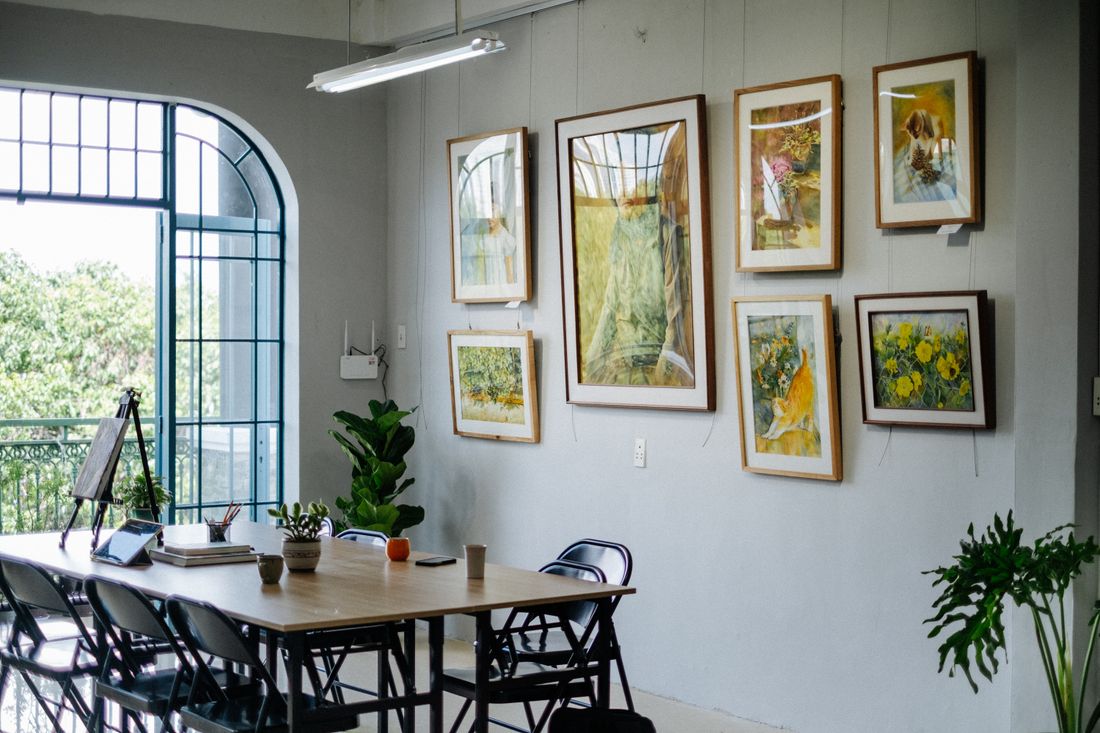
Opening a second space changes what a gallery's feed has to carry. A summer room out east, a seasonal room in Philadelphia, a satellite in Connecticut, each one comes with its own light, its own rhythm, and usually whoever happens to be on site with a phone. Left alone, the account starts to read like two galleries that don't know each other. It doesn't have to. The fix isn't more staff or a second account. It's a small, shared system for how images get made, captioned, and posted, so two rooms read as one program.
For most galleries, one Instagram account handles two locations better than two. The second space should read as a season of the existing program, not a separate identity, held together by consistent framing, captioning, and crop conventions, plus a shared posting calendar and image library both locations pull from.
One Account or Two?
For most galleries opening a second seasonal space, the right setup is one account, not two. Splitting into separate accounts scatters an audience that took years to build and asks followers to decide which feed is worth checking. Treat the second location as a season of your program, not a separate identity.
Two accounts sound organized on paper, a dedicated feed for the summer room, a clean line between flagship and satellite. In practice, most galleries don't have the staff to run two content calendars, two sets of Stories, and two DM queues. Engagement also splits: a collector who follows the main account may never see the summer opening announced on a second one, and a follower who found you through the seasonal space may not know the flagship exists. One account keeps that traffic moving both ways.
The exception is a second space with its own director, its own independent program, and an audience that genuinely doesn't overlap with the flagship's. That's a different business relationship, not a seasonal room. For everyone else, one account with clear internal structure (geotags, captions, and Story highlights that mark which space a post is from) does the job without asking anyone to split their attention or their following.
The decision gets easier once it's framed around staffing rather than branding. A second logo and a second content calendar cost time a small gallery team rarely has spare. One account with a clear internal system costs less to run and gives up nothing a collector actually notices.
Why the Feeds Start to Diverge Anyway
Feeds split visually before anyone decides to run two identities. Different rooms have different light, different wall color, and different ceiling height, so installation shots taken the same week can look like they belong to two different galleries. Add a summer space that photographs warmer and looser than the city room, and the drift compounds fast.
Whoever happens to be on site drives a lot of this. The city location usually has staff used to shooting for the account; the seasonal space is often staffed thinner, sometimes by someone covering it for the first time, and posts come from whoever's phone is closest when a wall goes up. That's not a failure. It's what happens when coverage isn't planned for, and it shows up as inconsistent crops, inconsistent lighting choices, and inconsistent captions.
The seasonal space itself works against consistency too. A beach-adjacent or resort-town room tends to photograph brighter, warmer, and more casual than a city gallery, different light temperature, different backdrop, different pace of visitors. None of that is wrong on its own. Left unmanaged, though, it reads as a different program with a different level of seriousness, which is the one impression a gallery can't afford a collector to walk away with.
None of these causes is a mistake. A summer room really does have different light, and whoever's closest really is the right person to grab a phone during install. It becomes a problem only when nobody's watching for it, which is the usual case for two locations without a shared plan.
What Has to Stay the Same Across Both Rooms
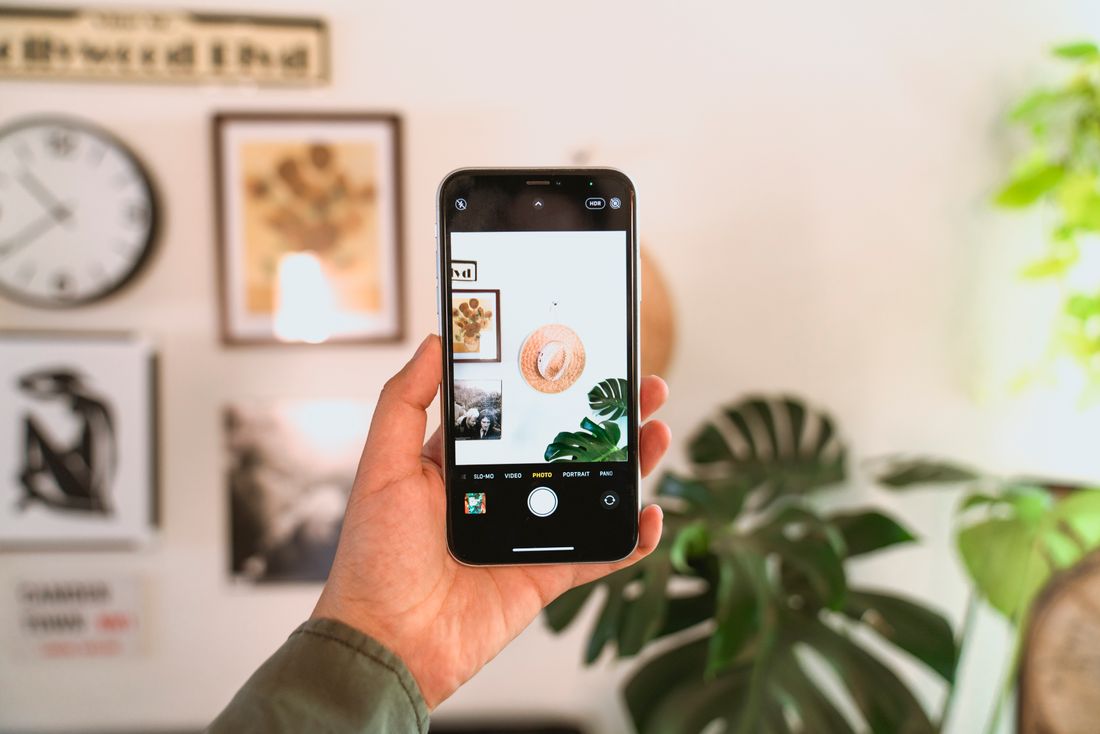
Four things hold a two-location feed together: how installation views are framed, how works are captioned and credited, a shared crop convention, and a posting rhythm that treats both spaces as one program. Get those four right and the rooms can look as different as they actually are without the account feeling split.
Installation views should follow the same logic in both spaces, same general distance from the wall, same handling of corners and sightlines, same choice between a straight-on shot and an angled one. Captions and credits need the same format every time: artist name, title, year, medium, in that order, whether the wall is in the city or a season-only room. Crop conventions matter more than people expect, a feed that's square in one location and cropped tight in the other reads as careless even when the photography itself is fine.
None of this requires identical content. The seasonal space can run looser, brighter work; the flagship can stay formal. What can't shift is the underlying system, the same caption structure, the same crediting discipline, the same eye for how a piece is framed. That consistency is what a viewer registers as "one gallery," even when the two rooms don't look alike.
It helps to write these conventions down once, rather than trusting memory across a team that may include seasonal staff at the second location. A short reference (how a wall gets framed, how a work gets captioned, how the crop works for the feed) saves months of quiet drift.
Keeping a Rhythm That Doesn't Go Quiet in Either Place
A posting rhythm across two locations needs a shared calendar, not two separate ones. The most common failure is a feed that goes quiet on the flagship while the seasonal space is busy, then reverses the moment the season ends, a pattern followers notice even if they can't name it.
The fix is treating both locations as inputs into one schedule instead of two competing streams. If the seasonal space has an opening this week and the flagship doesn't, that's still content for the shared account. It just needs a caption and geotag that make clear where it's from. If both locations are quiet in the same week, that's the moment to pull from the shared library described below, rather than posting nothing and letting the account go dark.
Cadence matters more than volume here. A gallery posting three times a week from a rotating mix of both spaces reads as active and current. A gallery posting five times from one location and nothing from the other reads as though the quiet space has closed, even when it hasn't. Building the calendar around whichever space has real news that week (and filling the gaps from the shared library) keeps both rooms visibly alive without inventing content for either one.
A simple weekly check-in (what's happening at each location, what's already posted, what's still open) is usually enough to catch a gap before it turns into a week of silence. It doesn't need to be elaborate, just scheduled, the same way the posting itself is.
Planning Coverage Across Two Locations on a Real Budget
The most workable pattern is a shoot day per show, not per week. Coverage lines up with install week and opening night at each location, producing a batch of images that carries the account through the weeks in between, rather than trying to fund a photographer's visit every time something changes on the wall.
Per-show coverage also matches how a gallery actually needs the material. Install day produces process and detail shots; opening night produces people, energy, and room shots; the days after produce clean installation views once the crowd has cleared. That's one visit per exhibition per location, timed to the moments that actually generate usable content, instead of recurring visits with diminishing returns.
Budget conversations get easier once the shoot is tied to shows rather than a fixed weekly cadence. A gallery can decide, per exhibition, whether a location's show needs a full coverage day or a lighter visit, based on what's actually going up on the wall. The seasonal space, with a shorter run and a smaller program, may need fewer shoot days across a season than the flagship needs across the same stretch. That's a scheduling decision, not a lesser one.
Sequencing the two locations on the same visit, where geography allows it, is worth planning for directly. A trip out for one location's install week can often extend to cover a nearby exhibition change at the other, turning two trips into one and keeping the visual system consistent because the same eyes are behind the camera.

What Needs a Photographer and What a Staff Phone Can Carry
Installation views, anything going to press or a collector, and any shot meant to represent the space itself need a photographer. Day-to-day Story content, quick opening-night crowd shots, and behind-the-scenes install moments hold up fine on a staff phone. The line is whether the image needs to look considered or just needs to look present.
A photographer's coverage is what carries the feed between shoot days, the installation views, the hero shots of a show, anything that might get reused on a website or in a press image request. That's the material worth planning a visit around, because it has to hold up months later, not just in the week it's posted.
A staff phone handles the in-between: a Story from install day, a quick shot of a collector at the opening, a detail someone noticed while walking the room. None of that needs to be polished, and trying to make it polished slows down the person posting without improving the result. The problem gets worse, not better, when a gallery holds phone content to photographer standards. It just means less gets posted. Let the phone stay loose and let the photographer's coverage carry what needs to last.
The same split holds across both locations, which is easy to miss. A gallery that hires a photographer for its flagship but leaves the seasonal room to whoever's on staff isn't saving money so much as signaling that one location matters more than the other, a signal collectors read even when it isn't intended.
Building One Shared Library Both Spaces Pull From
A shared library is a single, tagged pool of images both locations can post from, organized by show, by location, and by whether an image is an installation view, a detail shot, or a room shot. Either space can pull from it on a slow week instead of posting nothing or reaching for something off-brand.
Tagging by location matters as much as tagging by show. A caption that pairs a seasonal-space photo with the wrong geotag, or reuses a flagship detail shot without noting it's from a past show, undermines the exact consistency a shared library is supposed to protect. The system only works if whoever's posting can tell at a glance which images are current, which are archive, and which room they came from.
The library earns its keep in the gaps, the week between a seasonal opening and the next flagship show, or a stretch when neither location has fresh news. Pulling a strong installation view or detail shot from a recent show keeps the account active without inventing content or leaning on a photo that no longer represents what's on the walls. Built well, it also shortens the time anyone spends hunting for something to post on a slow week.
A shared library also protects against the subtler failure of two locations pulling from two separate photo folders nobody's cross-referenced. When both spaces draw from one organized pool, whoever's posting that week finds the right image in minutes instead of texting around for a decent shot of last month's install.
The Off-Season Problem and the Handover Moments
A seasonal space still needs a presence online while it's dark. That means keeping its Story highlights, its tagged photos in the shared library, and occasional archive posts alive through the off-season, rather than letting the account act as though the space stopped existing until it reopens.
The handover moments are where most two-location feeds actually break. When the seasonal space closes for the year, the account needs a clear, warm sign-off, a final post or Story that says the room is closing and points followers toward the flagship program, not a silent stop. When the flagship reopens with a new show after a quiet stretch, that reopening deserves the same weight a season opener gets, not a quiet return to normal posting.
Both moments are chances to reinforce that this is one gallery running two rooms on a calendar, not two galleries with a fuzzy connection. A short recap of the season just closed, paired with a first look at what's opening in the room that's reactivating, does more for continuity than either the closing or the opening post could do alone. Planning those two posts in advance, before the season actually turns, keeps the handover from happening by accident.
Marking both handover dates on the shared content calendar at the start of the season, alongside each location's show schedule, turns a moment that's easy to forget into one that's already accounted for, drafted ahead of time rather than written in a rush on the day the doors close.
Frequently asked questions
Should a gallery with a summer location use a separate Instagram account for it?
For most galleries, no. A separate account splits an audience that took years to build and forces followers to choose which feed to check. Treat the seasonal space as part of the same program (same account, distinguished with geotags, captions, and Story highlights) rather than a second identity. Separate accounts only make sense when the second space has its own director and an audience that genuinely doesn't overlap with the flagship's.
Why do photos from a gallery's second location look different from the main space?
Different rooms have different light, wall color, and ceiling height, so installation shots can look mismatched even from the same week. Add a summer or resort-adjacent space that tends to photograph warmer and looser, plus whoever happens to be on site shooting on a phone, and the drift compounds fast. It's not a mistake. It's what happens naturally when coverage across two locations isn't planned around a shared system for framing, captions, and crops.
What should stay consistent across a gallery's two locations on social media?
Four things: how installation views are framed, how works are captioned and credited, a shared crop convention, and a posting rhythm that treats both rooms as one program. The two spaces can look different (different light, different pace) as long as the caption structure, crediting discipline, and framing logic stay the same. That underlying system is what reads as one gallery, not identical content in both rooms.
How often should a gallery shoot each location?
The most workable pattern is a shoot day per show rather than a fixed weekly visit. Coverage lines up with install week and opening night at each location, producing enough material to carry the account through the weeks between shows. A seasonal space with a shorter run may need fewer shoot days across a season than the flagship needs across the same stretch. That's a scheduling call, not a lesser one.
What happens to a seasonal gallery space's social presence when it's closed for the season?
It shouldn't go dark. Keep its Story highlights and tagged photos live in the shared library through the off-season, and give the closing a clear, warm sign-off post pointing followers back to the main program rather than just letting posts stop. When the space reopens, treat it with the same weight as a season opener rather than a quiet return to posting. That handover moment is where most two-location feeds actually break down.
Give the quiet month something to say.
We help galleries build content out of the ordinary weeks too, pulling from the archive, planning ahead, and keeping the feed honest between openings.
Explore monthly media →