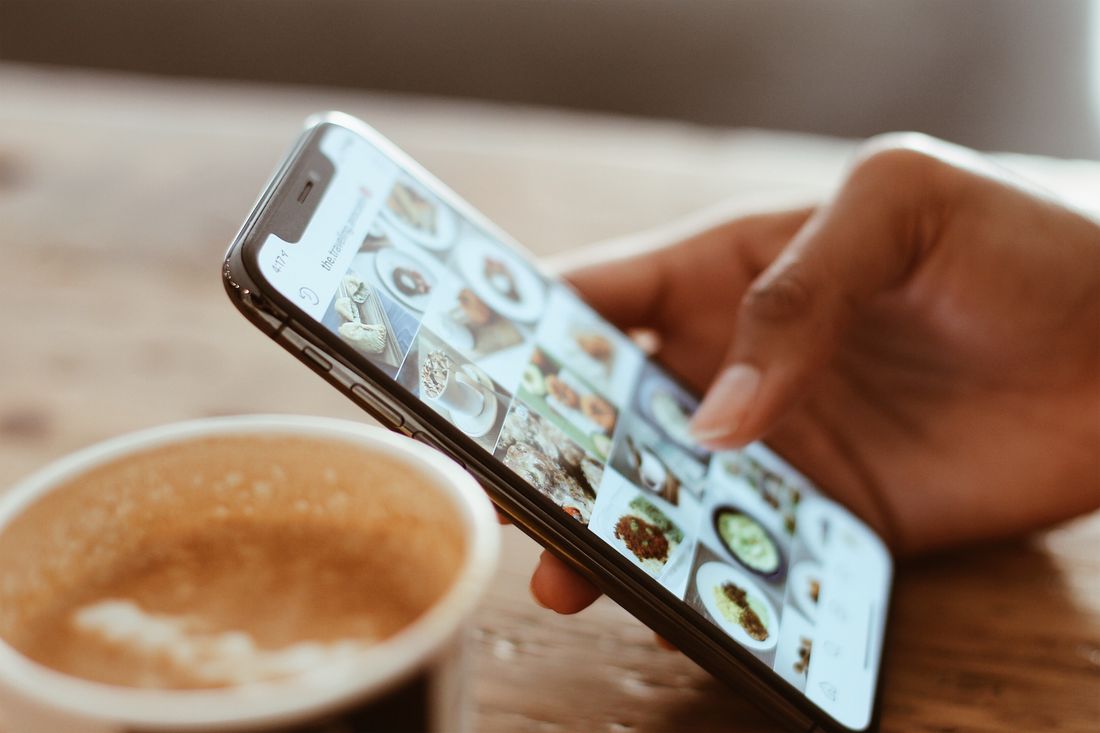
A feed post and a story get treated like two sizes of the same thing, post it once, maybe drop it in both places for good measure. They're not the same thing. A feed post sits on the profile indefinitely and gets found by strangers researching a program they've never seen in person. A story disappears in a day, watched almost entirely by people who already follow along. Once you notice that split, the question stops being "is this good enough to post" and becomes "which of these two very different audiences is this actually for."
A feed post is permanent and public, the record a stranger scrolls through a year later while deciding whether to visit. A story is disposable and mostly reaches people who already follow. Decide where something goes by permanence and audience, not photo quality, content that works in both places usually belongs in neither.
What Makes a Feed Post and an Instagram Story Fundamentally Different?
A feed post is permanent and public, it sits on the profile grid for anyone who finds the gallery later, including a stranger researching the program a year from now. A story is disposable and mostly reaches people who already follow along. Treating the two as interchangeable ignores that they serve opposite audiences over opposite timeframes.
This isn't a quality distinction. A gallery can shoot a beautifully lit, perfectly composed photo and still put it in the wrong place. The feed is the part of an Instagram profile that functions like a public record, it's what shows up when someone lands on the account for the first time, scrolls the grid, and forms an opinion about whether the program is worth following. A story never does that work, because most viewers of a story already made that decision by following in the first place.
The lifespan gap matters as much as the audience gap. A story vanishes after 24 hours unless it's saved into a highlight, which makes it the right home for anything time-bound or half-finished, a detail that's true today and won't need explaining in six months. A feed post has no expiration. Whatever gets posted there is still sitting on the profile when a curator, collector, or new artist checks it out next spring.
Once permanence and audience are the sorting question, most of the guesswork about "story or feed" disappears. The sections ahead work through what that split looks like in practice, starting with the material that belongs entirely in stories and has no business on the grid.
What Belongs Entirely in a Gallery's Instagram Stories?
Anything half-finished, time-bound, or too rough for a permanent record belongs in stories, not the feed. The clearest example is install day, the sequence of a show physically going up, crates being opened, a wall still bare, a piece being leveled against a pencil mark. None of it should ever reach the grid.
An install-day sequence works precisely because it's disposable. Followers who care about the process get to watch a show come together in near real time, crooked frame and all, without that same imperfection becoming a permanent fixture on the profile a year from now. A story doesn't need to look finished. It needs to feel like it's happening right now, and install photos are honest about exactly that.
The same logic covers a packed opening at eight, when the room is loud, the lighting is bad, and nobody's composing a shot, just documenting that people showed up. It covers an artist saying something unscripted about the work, a sentence that's genuinely interesting in the moment and would read as odd or out of context on the grid a year later. And it covers the practical reminder that a show closes Sunday, useful today, meaningless as a permanent post.
What connects all three is that none of them are trying to represent the gallery to a stranger. They're updates for people already paying attention, which is exactly what a story audience is. Posting them to the feed doesn't make them more valuable, it puts material with a shelf life in the one place that isn't supposed to have one.
What Actually Earns a Spot on the Feed Instead?
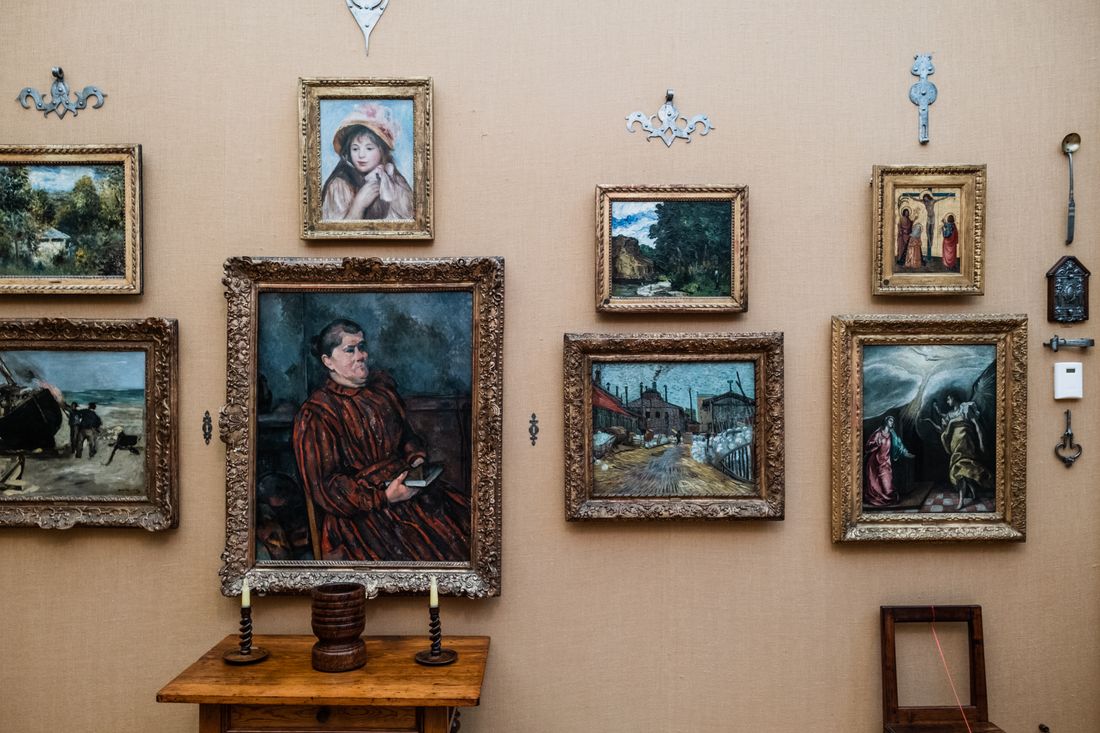
The feed earns the single strongest photo from an opening, the one image that best represents the show to someone who's never seen it in person. That's usually the cleanest shot of the work itself, well lit, well composed, taken before or just as the crowd arrives, not a moment from deep inside a packed room.
The test worth applying before posting to the feed is simple, would a stranger scrolling the profile next year, someone who's never heard of this show, get something real out of this photo. A crowd shot fails that test almost every time, it reads as a party a viewer wasn't at rather than evidence of what the gallery does. A clean shot of the work, or the room before it filled up, passes.
This is a much higher bar than "good photo," and it's meant to be. A gallery can shoot dozens of strong images on an opening night and still only have one or two that belong on the permanent record. The rest might be excellent story material, or worth keeping in an archive for later use, but their strength as photographs doesn't automatically earn them a place on the grid.
This is also why the single-photo standard matters more for a small or young gallery than a well-known one. A stranger with no prior context is judging the whole program off whatever's on that grid, and one weak or off-brand photo does more damage there than it would anywhere else on the profile.
Why Does Posting a Full Opening-Night Dump Flatten a Feed's Grid?
A full opening-night dump flattens the grid because it replaces a few decisions with none. Several similar crowd photos posted in a row don't add proportionally more information, they add repetition, and a stranger scrolling through sees noise instead of a program with a clear identity.
The feed works as a public record specifically because each square on it represents a choice, this is the image that mattered enough to keep. A dump undoes that. When every photo from a night makes the cut, nothing on the grid signals which moments actually counted, and the profile starts reading less like a curated record and more like an unsorted camera roll that happened to end up on Instagram. Instagram's grid runs three photos per row, so repeated crowd shots read as one flat block, not distinct decisions.
There's a practical cost too. A grid with several near-identical crowd shots pushes the genuinely strong work, and any earlier posts worth revisiting, further down the scroll. A visitor who'd have found the right photo in three swipes now has to get through a wall of similar-looking images first, and most won't bother.
The fix isn't posting less overall, it's being stricter about what earns the one or two feed slots a night like this deserves. Everything that didn't make the cut hasn't been wasted, it's simply the material a story was built for in the first place, which is exactly where the rest of this piece is headed.
How Do Highlights Turn a Good Story Sequence Into Something Semi-Permanent?
Saving a strong story sequence into a highlight keeps it visible past the 24-hour expiration, giving it a second life on the profile without moving it into the feed. It's the one move that lets disposable material stick around, but it still isn't the same as permanence, a highlight only reaches someone who visits the profile and taps in.
This distinction matters because it's tempting to treat highlights as a workaround, save everything, and the feed-versus-stories question stops mattering. It doesn't work that way. A highlight is discovered, not surfaced, nobody scrolling past the account sees highlight content the way they see the grid itself. It rewards people already curious enough to tap a circle at the top of the profile, which is a much smaller group than anyone who lands on the feed.
What highlights are genuinely good for is grouping story material that has lasting value even after the 24 hours pass, an install sequence for a specific show, a running set of studio visits, a "past openings" folder that a visitor might actually want to browse. Organized that way, a highlight becomes a lightweight archive sitting just beneath the feed.
The honest way to think about a highlight is as a bonus layer, not a replacement for either format. It extends a story's usefulness for the people already engaged enough to look for it, while leaving the feed's job, representing the gallery to everyone else, untouched.
How Should Stories Point Back to a Feed Post Instead of Duplicating It?
A story can drive attention to a feed post without repeating it, by sharing the feed post into a story with a sticker, a caption, or a countdown, rather than posting a second, separate version of the same photo. That reciprocal move uses each format for what it's good at instead of asking one image to do both jobs.
Duplicating a photo across both places wastes the story slot on something that's already doing its job elsewhere. A follower who saw the feed post that morning doesn't need to see the identical image again in a story that afternoon, they need a reason to go look at it, a poll asking which piece stood out, a note about what's not visible in the crop, a nudge toward the caption for more detail.
This works especially well right after a feed post goes up. A story that says "just posted, the full shot's in the feed" and links straight to it does more for that post's reach than a near-identical repost ever could, because it's sending people somewhere rather than repeating something they've already seen.
The habit worth building is asking, before every story, whether this is new information or an echo. New information, a behind-the-scenes detail, a reaction, a reminder, belongs in the story on its own terms. An echo of something already on the feed is better spent as a pointer back to it.
How Should a Gallery Actually Decide Between Stories and the Feed?
Decide with two questions instead of one instinct about quality, would a stranger scrolling the profile next year get something real from this, and who is actually going to see it, people who already follow or people encountering the gallery for the first time. The answers, not how good the photo looks, determine where it goes.
Quality is a tempting shortcut because it's easy to judge in the moment, but it answers the wrong question. A gorgeous, well-lit photo of a packed opening can still fail the permanence test, a stranger a year later has no way to place it in time or context, and it tells them almost nothing about the work on the walls. Meanwhile a plain, slightly imperfect photo of an installation mid-build can be exactly right for a story, because nobody expects that material to be polished.
Running both questions before posting turns a vague feeling into a fast checklist. Feed if it holds up to a stranger with zero context and mainly reaches people who don't yet follow. Stories if it only makes sense to someone already following along and won't mean much once the moment's passed.
The checklist also protects against the instinct to post everything everywhere just to be safe. A photo that clearly belongs in one place doesn't need a home in the other too, and forcing it there usually costs more than it adds, a diluted grid on one side, a redundant story on the other.
What Should a Gallery With Time for Only One Channel Actually Post?
A gallery that can only manage one should choose the feed. It's the format strangers see, the profile someone lands on when they search the gallery's name, click through from a mention, or hear about a show secondhand and go looking. Stories only reach people who are already following, which means skipping stories costs far less than skipping the feed.
This isn't a small tradeoff dressed up as an easy call, it's a real limitation, and being honest about it matters more than trying to run both channels badly. A feed with one considered post a month, each one earning its place, does more for a gallery's public presence than a feed neglected in favor of daily stories nobody outside the existing follower base will ever encounter.
The upside of this constraint is that the feed decision gets easier once stories are off the table. There's no need to sort every photo into "story or feed," there's only the question of whether this particular image is strong enough, and honest enough about the show, to represent the gallery to someone who's never walked through the door.
A gallery in this position should treat the freed-up time as a reason to be more selective, not less consistent. One genuinely strong feed post a month beats a rushed one every week, and it's a far better use of limited time than trying to keep a story feed alive that mostly talks to people who already know the gallery exists.
Frequently asked questions
Is it ever fine to post the exact same photo to both a story and the feed?
Occasionally, and it's not a serious mistake when it happens once. The problem is doing it as a default. A story slot spent repeating a feed photo isn't reaching anyone new, since the audiences overlap heavily, and it's a slot that could have carried a behind-the-scenes detail or a pointer back to the post instead. Treat duplication as the rare exception, not the routine move.
How many photos from an opening night actually belong on the feed?
Usually one, occasionally two. The feed slot is reserved for the single image that best represents the show to someone who's never seen it, typically a clean shot of the work itself rather than the crowd. Everything else from the night, however strong as a photo, is better story material, since a feed full of near-identical opening shots reads as repetition rather than a curated record.
Do highlights count as part of a gallery's permanent public record?
Not in the way the feed does. A highlight extends a story's life past 24 hours, but it's only found by someone who visits the profile and taps into it, not by someone scrolling past. It's a useful archive layer for people already curious about the gallery, an install sequence, a set of studio visits, but it doesn't reach a stranger the way a feed post automatically does.
What if a gallery genuinely doesn't have time to do both stories and a feed post around every event?
That's common, and the honest fix is picking one deliberately rather than doing both halfway and doing neither well. If only one channel gets real attention, it should be the feed, since it's what a stranger who has never heard of the gallery actually finds. Stories can be added back in later, in small pieces, once there's real capacity, rather than treated as an equal obligation that has to happen alongside every single feed post.
Does story content need to be lower quality than what goes on the feed?
No, quality isn't the deciding factor at all. A well-shot install photo can still belong entirely in a story if it's time-bound or only makes sense in the moment it was taken. The real question is permanence and audience, not how polished the image is. Plenty of genuinely strong photography belongs in stories simply because it wouldn't hold up as a stranger's first impression of the gallery a year later.
The weeks between openings need content too.
We help galleries fill the quiet stretches with real material, pulled from the archive, planned ahead, and honest about what's actually happening that month.
Explore monthly media →