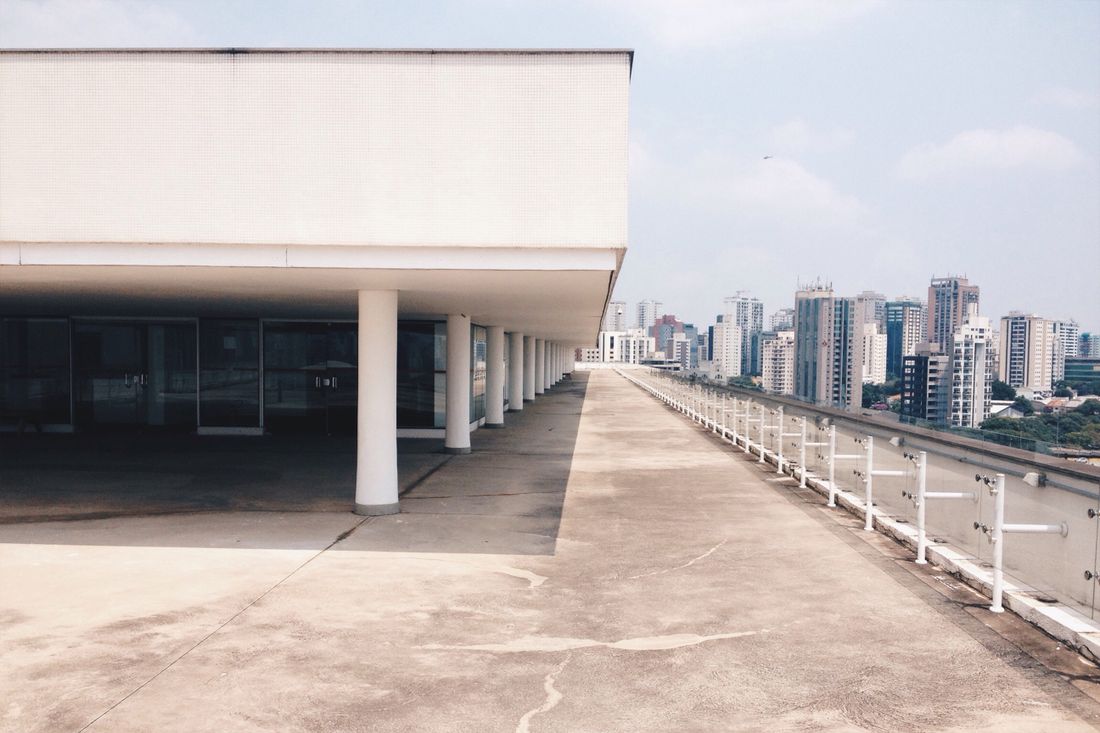
A styling kit gets packed around an assumption: even walls, controlled light, a floor the rack can roll across. That assumption holds until it doesn't. A gallery loses its slot an hour before call time, and the shoot moves to a rooftop or a storefront nobody planned wardrobe around. What happens next isn't a new kit built from scratch. It's a fast, deliberate re-check of everything the original plan assumed, done in the minutes before the first frame instead of the days a location scout usually gets.
When a shoot relocates at the last minute, a stylist re-checks color, coverage, and gear against the new setting instead of trusting the original plan to transfer. That means scanning the new backdrop, adjusting which looks shoot first, swapping in setting-neutral gear like a battery steamer, and telling the subject plainly what's changed, so a rushed relocation still reads as a controlled one.
What Is the First Thing a Stylist Checks When the Location Changes?
When a shoot's location changes at the last minute, a stylist checks three things before touching the rack: what backdrop and surfaces replace the ones the kit was packed for, how much time is left before call time, and whether the planned wardrobe still reads against a setting nobody chose in advance.
A kit gets packed around an assumption. A gallery shoot assumes white walls, even floors, and controlled indoor light, so the wardrobe, the steamer, and the rack all get chosen around that assumption without anyone stating it out loud. The moment the location changes, that assumption is gone, and everything packed around it needs a second look before the first frame gets shot.
The practical first move is a fast mental walkthrough of the new space: what color are the walls or the sky behind the subject, what's underfoot, is there power, and is there anywhere private to change. None of that requires a site visit. It requires someone on set treating the new location as a real variable instead of a placeholder for the one that got cancelled.
The goal in the first few minutes isn't a perfect plan. It's triage: which parts of the original wardrobe plan still work as-is, which need a small adjustment, and which are wrong enough for the new setting that they get set aside for this shoot. Sorting that early keeps the rest of the call time from being spent discovering problems one at a time.
Does a Kit Built for a Gallery Automatically Work Somewhere Else?
A kit built for a gallery's white walls does not automatically work on a rooftop or in front of a storefront. White walls read as neutral, so garments and colors get chosen against that neutrality, and a rooftop skyline or a storefront window introduces color, texture, and reflections the original choices never accounted for.
Indoors, a controlled wall does most of the visual work for free. It stays one color, it doesn't move, and it doesn't compete with the subject. A rooftop brings sky that shifts from blue to overcast within an hour, and a storefront brings glass, signage, and passersby into a frame that used to have none of that. A garment that separated cleanly from a gallery wall can suddenly blend into a skyline or get lost against a busy window.
Practical gear assumptions shift too. A gallery kit assumes level floors and nearby outlets for a steamer, while a rooftop or storefront sidewalk may offer neither. The rack that rolled smoothly across a polished gallery floor can catch on a rooftop seam or a curb, and a steamer built around a wall outlet stops being useful the moment there isn't one nearby.
None of this means the original kit was wrong. It means a kit is built around a setting, not around styling in the abstract, and a setting that changes without warning asks the stylist to re-check every choice that assumed the old one, rather than trusting that good judgment for one location automatically carries over to another.
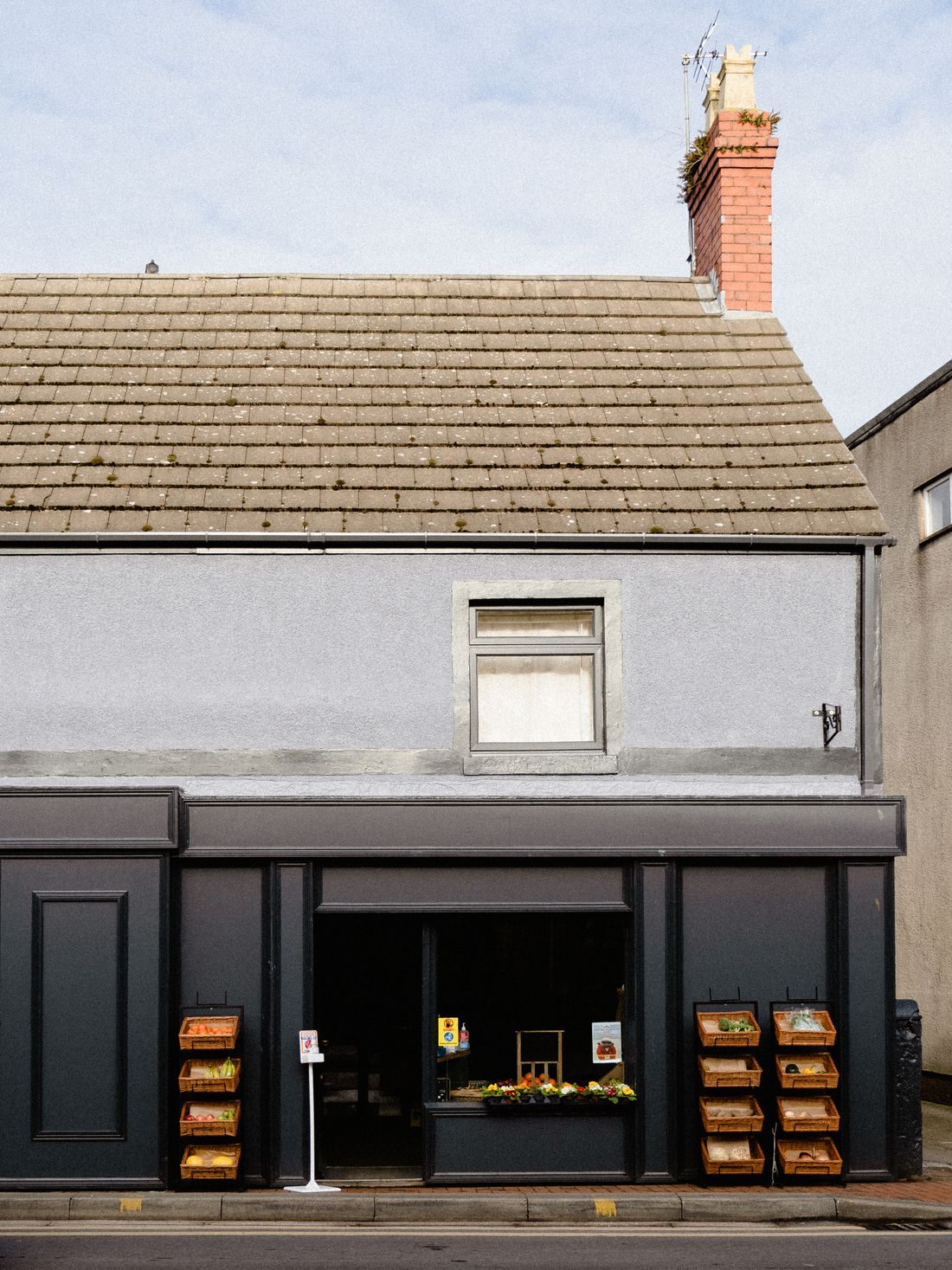
How Does a Stylist Read a New Location in Minutes, Not Days?
A stylist reads an unfamiliar location fast by scanning for a short list of fixed things: the dominant color and texture behind the subject, where the light is coming from and how hard it is, what's underfoot, and where a private moment to change might actually happen. That scan takes minutes, not a site visit.
Color and texture come first because they decide what stays in the kit and what gets set aside. A patterned garment that reads as interesting against a plain gallery wall can fight with a storefront's signage or a rooftop's railing lines, so a fast visual check against the actual backdrop, not a memory of the plan, decides what makes the cut.
Light comes next, and it changes the schedule as much as the wardrobe. A gallery has fixed, even light that doesn't move. An outdoor location has a sun that keeps shifting, and a storefront may have reflective glass throwing light back unpredictably. Reading which direction the light is coming from, and how long that light will hold, shapes which looks get shot first.
The ground and the changing situation round out the scan. Uneven pavement, a rooftop lip, or a narrow sidewalk all affect what footwear and movement are realistic, and a location with no obvious private space needs an on-the-spot answer, a doorway, a stairwell, a parked car, before the first outfit goes on. None of this needs to be perfect. It needs to happen before the first frame, not after a look already doesn't fit the space it's in.
What Wardrobe Choices Change When the Backdrop Changes Without Notice?
When the backdrop changes without notice, the wardrobe choices that move first are color against the new surface, how much skin and fabric the new light will show, and whether a look built for a still indoor pose still works if the new location calls for walking or standing in wind.
Color is the most immediate adjustment. A neutral gallery wall lets almost any garment color separate cleanly, while a rooftop skyline or a storefront window has its own dominant colors that a look now has to work with or against on purpose, rather than by accident. A stylist re-checks each planned outfit against the literal color behind it, not against how it looked on a hanger earlier that morning.
Coverage and fabric weight shift with the light and the setting too. Harsher outdoor daylight can show translucency or texture that flatters differently than a gallery's even light, and a look built for standing still in a controlled room may need a small adjustment, a layer added or a hem checked, if the new location involves more walking, wind, or uneven footing than the original plan assumed.
The adjustments that make the biggest difference are usually small: swapping one accessory, changing which jacket is worn open versus closed, or reordering which looks shoot first while the light is still workable. None of it requires abandoning the original wardrobe plan. It requires treating that plan as a starting point the new location gets to talk back to.
What Gear Makes a Kit Flexible Enough for an Unknown Location?
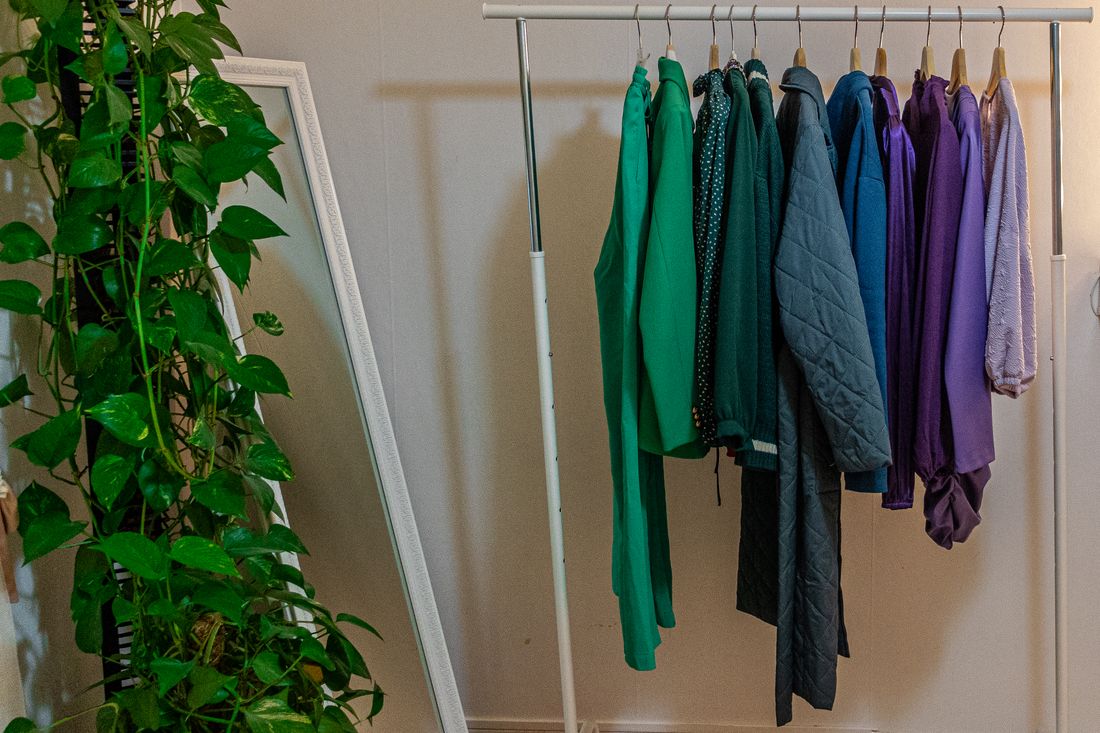
A kit stays flexible for an unknown location when it leans on gear that doesn't assume a specific setting: a battery steamer instead of one that needs a wall outlet, a folding rack that survives uneven ground, clips and pins for fabric that won't sit still, and a compact set of backup pieces that work indoors or out.
Power independence matters most. A steamer or iron that needs a wall outlet is useless the moment a shoot lands somewhere without one, so a battery or butane option earns its place in the kit even on a job that's supposed to happen in a gallery, precisely because the plan can change before call time.
The rack and the small fasteners matter next. A rack that folds flat and travels easily handles a curb, a doorway, or a rooftop seam better than one built for rolling across a smooth studio floor, and pins and clips fix problems a new location surfaces that the original plan never had to consider, a hem that catches on a step, a collar that won't sit right against a new backdrop.
The last piece is a small set of backup garments chosen for neutrality rather than for one specific setting: a solid piece in a color that reads fine against a wall, a skyline, or a storefront window. It's not a full second wardrobe. It's a short list of options that keep a shoot moving if the primary plan turns out to fight the new location.
How Does the Shot List Change When the Location Changes Last Minute?
The shot list changes by reordering around what the new location actually offers: the look that works best against the new backdrop moves first, anything that depended on the old setting gets reworked or dropped, and the team agrees on the new order before the first frame instead of discovering the mismatch mid-shoot.
A shot list built for a gallery often assumes a fixed sequence, since the light and the wall aren't going anywhere. A rooftop or storefront introduces a clock: usable light on a rooftop can shift within an hour, and a storefront's foot traffic or reflections may only cooperate at certain times of day. The look most dependent on good light or a clean background usually moves earlier in the new order, not later.
Some planned shots simply won't translate. A composition built around a specific gallery feature, a doorway, a particular wall, doesn't exist at a rooftop or storefront, and forcing it usually costs more time than it's worth. The practical move is naming that early, out loud, so the team spends the remaining time on shots the new location can actually deliver rather than chasing one that can't.
None of this needs a formal new plan written out. It needs a short, spoken agreement among the stylist, the photographer, and whoever else is on set about what's shooting first, what's been cut, and what's been added because the new location makes it possible. That short conversation is what keeps a relocation from turning into a scramble.
What Does the Stylist Tell the Subject When the Plan Changes?
When the plan changes, the stylist tells the subject plainly what's different, what's staying the same, and what they need to do differently, so the subject isn't discovering the new setting, the new schedule, or a wardrobe swap at the same moment the camera is ready.
A subject who isn't a professional model is usually more affected by a location change than the crew is, since the crew adjusts gear and schedules for a living while the subject is often just trying to look and feel comfortable in front of a camera. Naming the change out loud, calmly, before it becomes obvious on set, keeps the subject from reading confusion or scrambling as a sign that something has gone wrong.
Specifics help more than reassurance alone. Telling the subject the new location has a different backdrop, a shorter window of good light, or a different changing setup gives them something concrete to prepare for, rather than a vague sense that plans are shifting around them. If a wardrobe choice is being swapped for the new setting, saying why, wind, color, footing, turns it into a practical adjustment instead of a mystery.
The tone matters as much as the information. A calm, matter-of-fact update reads as a team handling a normal part of the job, while a rushed or apologetic one can make a minor relocation feel like a bigger problem than it is. Most subjects take a location change in stride when the people around them clearly already have a plan for it.
What Happens After a Last-Minute Relocation, Once the Shoot Wraps?
After a last-minute relocation, the useful follow-up is a short debrief: what worked from the original kit, what had to be improvised on the spot, and what gap in the gear or the plan is worth closing before the next shoot runs into the same situation somewhere new.
The debrief doesn't need to be formal. It's usually a quick conversation between the stylist and the photographer while packing up, or a short note added to whatever the team uses to track a shoot afterward. The point is capturing the specific thing that almost didn't work, a steamer with no outlet, a color that vanished against a skyline, while it's still fresh, rather than relying on memory the next time a similar situation comes up.
Patterns matter more than any single relocation. If a kit keeps getting caught without power independence, or backup pieces keep skewing toward one specific setting, that's a standing gap worth fixing rather than a one-off surprise to solve again from scratch. A kit that's been stress-tested by a few real relocations tends to be more genuinely flexible than one built purely from a plan on paper.
The larger point is that a location change at the last minute isn't a failure of planning. Locations fall through, galleries lose availability, and outdoor plans get rerouted by weather or access. What separates a smooth relocation from a rough one is usually whether the kit, the schedule, and the communication were built to bend, not whether the original plan happened to hold.
Frequently asked questions
How much warning does a stylist usually get before a location changes?
It varies widely, and it's often very little, sometimes less than an hour before call time. A gallery can lose availability, an outdoor plan can get rerouted by weather, or access to a space can fall through at the last minute. The practical response isn't expecting more warning. It's packing and planning in a way that a short window is still enough to work with.
Should a stylist keep a separate kit just for last-minute relocations?
Not usually a whole separate kit, more a short list of setting-neutral pieces folded into the regular one: a battery steamer, a foldable rack, pins and clips, and a few backup garments in colors that read fine against a wall, a skyline, or a storefront window. That short list covers most relocations without doubling how much gear travels to every shoot, and it stays packed whether the day ends up needing it or not.
What's the biggest mistake to avoid when a location changes at the last minute?
Treating the original plan as still fully valid and forcing it onto a setting it wasn't built for. A look, a shot list, or a schedule designed around one location doesn't automatically transfer to another, and forcing it usually costs more time than a fast re-check would have. The safer move is a quick, deliberate reassessment before the first frame, not a slow discovery of the mismatch partway through the shoot.
Who decides what changes when a shoot relocates on short notice?
It's a short, spoken conversation among the stylist, the photographer, and whoever else is on set, not one person deciding alone. The stylist usually flags what's changed about wardrobe and coverage, the photographer flags what's changed about light and composition, and the group agrees on the new order together before the first frame, rather than each person adjusting separately and hoping the choices line up once the camera is rolling.
Does a last-minute location change usually mean fewer usable photos from the shoot?
Not necessarily. A relocation changes what the usable shots look like, not how many there are, as long as the shot list gets reworked around what the new location actually offers instead of forcing the original plan onto it. Some planned shots may not translate cleanly, but a location with its own character often opens up compositions and backdrops the original plan never had a reason to consider in the first place.
Let the clothes support the work.
We plan wardrobe for artist portraits the same way we plan everything else on set: around the person and the work, not around the idea of a photoshoot.
Explore styling services →