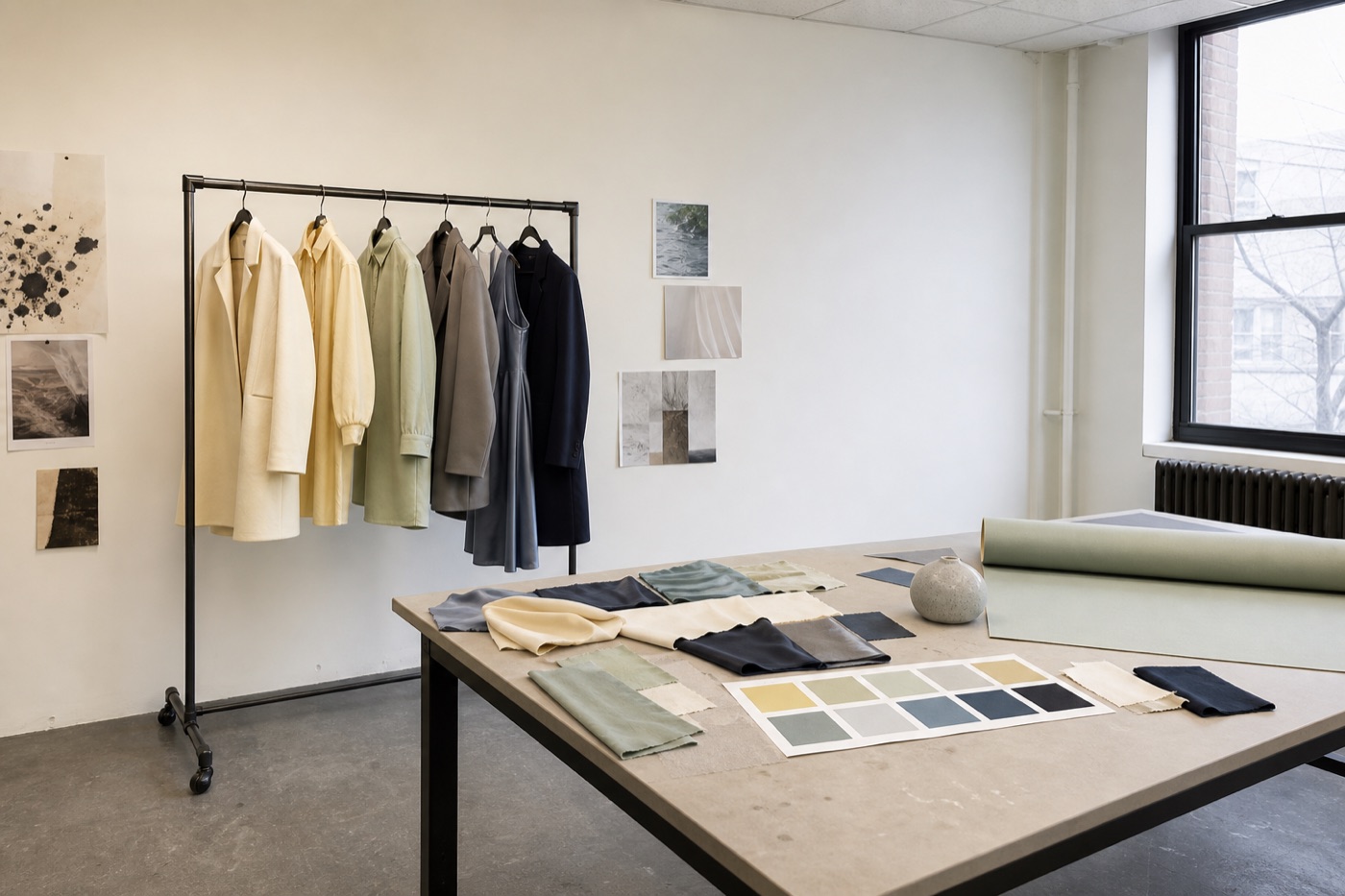
Creative direction and styling are related, but they are not the same job. Creative direction defines the full visual idea for a photo or video shoot. It connects mood, color, setting, props, lighting, framing, and the way the final images should feel together. Styling focuses more closely on wardrobe, fit, proportion, accessories, texture, and what the clothing does once a person moves in front of the camera.
For a simple portrait, you may only need thoughtful wardrobe guidance. For a campaign, editorial, brand film, or layered portrait series, someone may need to hold the larger visual system. On a focused production, one person can sometimes do both. The useful question is not which title sounds more impressive. It is which decisions need a clear owner before the shoot starts.
That distinction saves time, keeps the frame coherent, and gives the photographer or video team a plan they can actually use.
The short answer
Hire or assign creative direction when the project needs a visual point of view across several elements. Hire or assign styling when the clothing, fit, accessories, and on-camera details need dedicated attention. Use both when the visual concept is ambitious enough to need a system and the wardrobe is important enough to require its own preparation and on-set care.
A useful way to separate them is scope. Creative direction asks what world the image belongs to and why each choice supports the idea. Styling asks what the person is wearing, how it fits, how it moves, and whether every visible detail helps the frame. One role looks across the whole image. The other gets close enough to notice that a sleeve has quietly started negotiating its own terms.
Neither role replaces the photographer, director, producer, hair and makeup artist, or set designer. Good productions often involve overlap, but overlap works best when everyone still knows what they own.
What does creative direction cover?
Creative direction turns a goal into a visual language. A project might need to feel calm and precise, energetic and informal, sculptural, intimate, playful, or direct. The creative director translates that intention into connected choices. They may shape the reference images, color palette, locations, backdrop, props, wardrobe direction, lighting mood, composition, movement, and the sequence of final deliverables.
The work begins before the set exists. A useful creative direction plan explains what belongs in the project and what would pull it somewhere else. If the final package includes a website hero, vertical social pieces, portraits, and a short film, the direction also needs to account for how those formats live together. A beautiful single frame is not enough when the project needs a family of images.
Creative direction is especially valuable when several people are making visual choices. The photographer may think about light and framing. The stylist may build looks. Hair and makeup may shape texture and finish. A set or prop person may create the physical environment. The creative director keeps those decisions in conversation so the wardrobe does not belong to one story while the setting confidently begins another.
What does a stylist handle on a shoot?
A stylist makes clothing and accessories support the person, the concept, and the camera. Before the shoot, that can include reviewing the brief, planning looks, pulling or sourcing pieces, checking sizes, building combinations, organizing backups, and considering how fabrics behave under the planned light and movement.
On set, styling becomes active. Garments wrinkle, collars shift, hems catch, jewelry turns, and layers move differently once the subject sits or walks. The stylist watches the whole silhouette and the small details. They can adjust fit, change proportions, simplify an outfit that is fighting the frame, or offer another option when the first look reads differently on camera than it did on a hanger.
Styling is not limited to fashion editorials. Artist portraits, founder photographs, branding sessions, music visuals, small campaigns, and personal projects can all benefit when wardrobe carries part of the message. The work may be subtle. Sometimes the best styling decision is removing the one element that keeps asking for attention.
Where do creative direction and styling overlap?
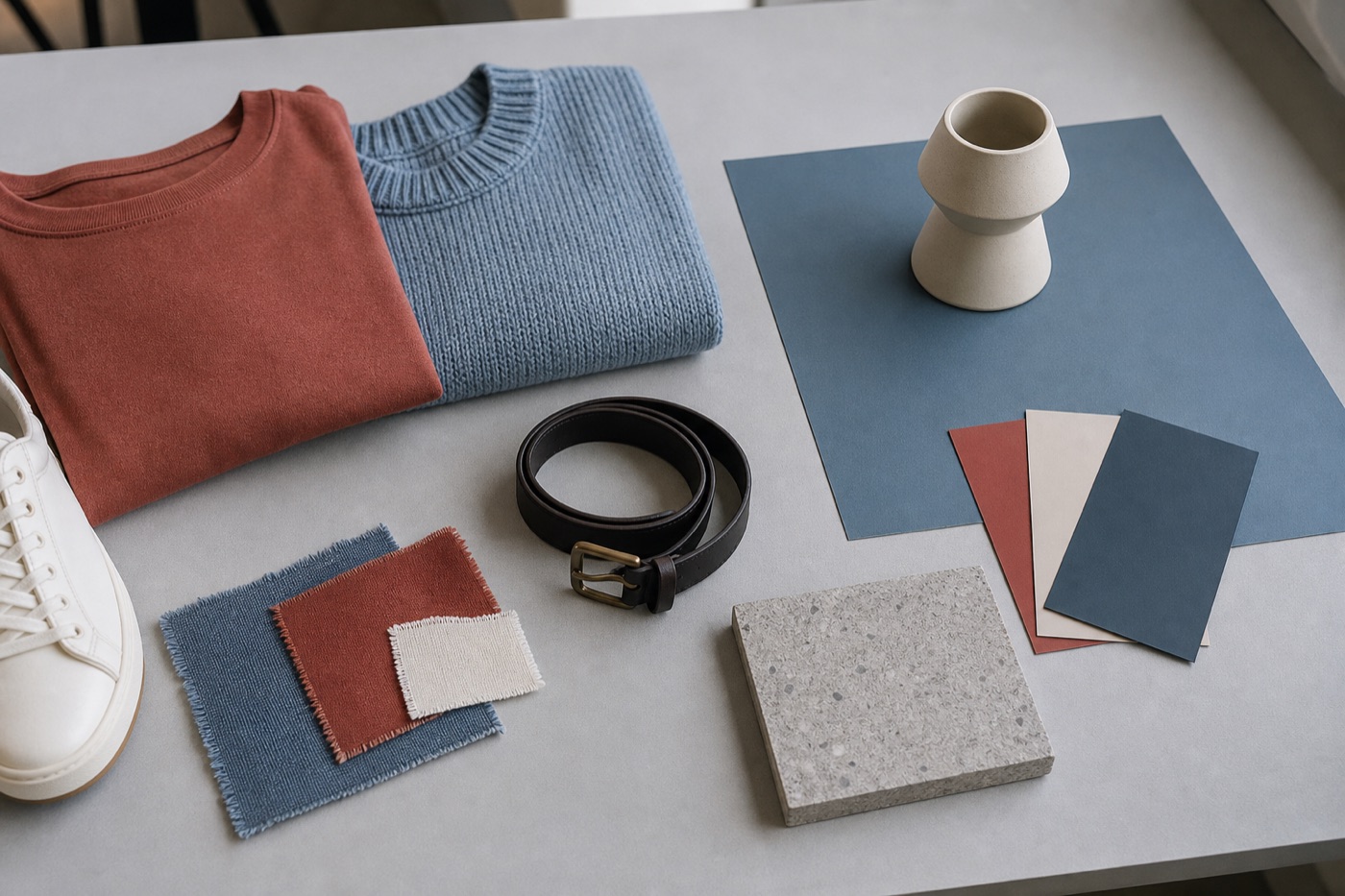
The roles meet wherever wardrobe changes the larger visual idea. Color is an obvious example. A creative director may define a muted blue, rust, and cream palette. The stylist turns that palette into actual garments with the right weight, proportion, and texture. If the blue knit looks too soft beside a harder architectural setting, both roles have a reason to discuss it.
Silhouette creates another overlap. Creative direction may call for long, graphic shapes against a clean background. Styling decides which coat, trouser, dress, or layer produces that shape on a real body. Movement matters too. A loose garment may create the right energy for video and the wrong line for a tightly framed portrait. The concept and the clothing have to meet in the final use.
References also belong to both roles. A mood board can establish light, color, pace, and attitude without prescribing an exact outfit. A styling board can translate that world into specific wardrobe options. Keeping the boards connected prevents the familiar production experience of approving many attractive things separately and discovering that they have never met.
When does a shoot need creative direction most?
Creative direction matters most when the project has several moving visual parts or when the final work needs a distinct identity. A campaign with multiple scenes, a brand film and portrait package, an editorial story, or a launch with several deliverable formats all benefit from someone defining the visual throughline.
It also helps when the starting brief is abstract. A client may know the work should feel warm, sharp, intelligent, handmade, or less formal. Those words can guide a conversation, but they do not yet tell the team what room to choose, what colors to avoid, how polished the wardrobe should be, or how the subject should move. Creative direction turns the adjectives into decisions.
You may need stronger direction when several stakeholders are approving the project. A clear visual plan gives the team something specific to respond to before production. It is easier to discuss a palette, location, framing approach, and set of references than to wait for the first completed photograph and discover that everyone had a different version of relaxed in mind.
When is styling enough?
Styling may be enough when the photographic concept is already clear and wardrobe is the main unresolved piece. A straightforward portrait on a chosen background, a founder session in an established workspace, or a small brand shoot with a defined photographer and location may not need a separate creative director. It may need someone to make the clothing feel intentional, comfortable, and consistent across the required images.
Styling is also the clearer choice when the subject has plenty of clothing but no useful edit. More options do not automatically create more range. A stylist can build a small set of looks that serve different purposes without making the shoot feel like several unrelated people borrowed the same booking.
For personal or professional portraits, the goal is usually support rather than transformation. The clothes should still feel like the person. A stylist can refine color, line, fit, and accessories while protecting that familiarity. The result can feel considered without announcing that an entire rack held a meeting about it.
When does a shoot benefit from both roles?
Use both creative direction and styling when wardrobe is a major part of a larger visual concept. Fashion campaigns are the clearest example, but the same need appears in artist portraits with several environments, brand films that move through different scenes, editorial projects, music visuals, and creative campaigns that need stills and motion to share one identity.
Both roles are useful when the schedule includes several looks, locations, subjects, or deliverable types. The creative director can protect the overall arc while the stylist stays close to the garments and people. That division keeps a wardrobe adjustment from pulling attention away from the next setup, and it gives both the broad concept and the visible details proper care.
The project does not need to be enormous. A small shoot can still carry a precise idea. The deciding factor is not crew size. It is whether one person can realistically hold the whole visual plan, prepare every look, watch the clothing on set, and still respond well when the day changes. If those jobs compete for attention, separating them can make the production calmer.
Can one person handle creative direction and styling?
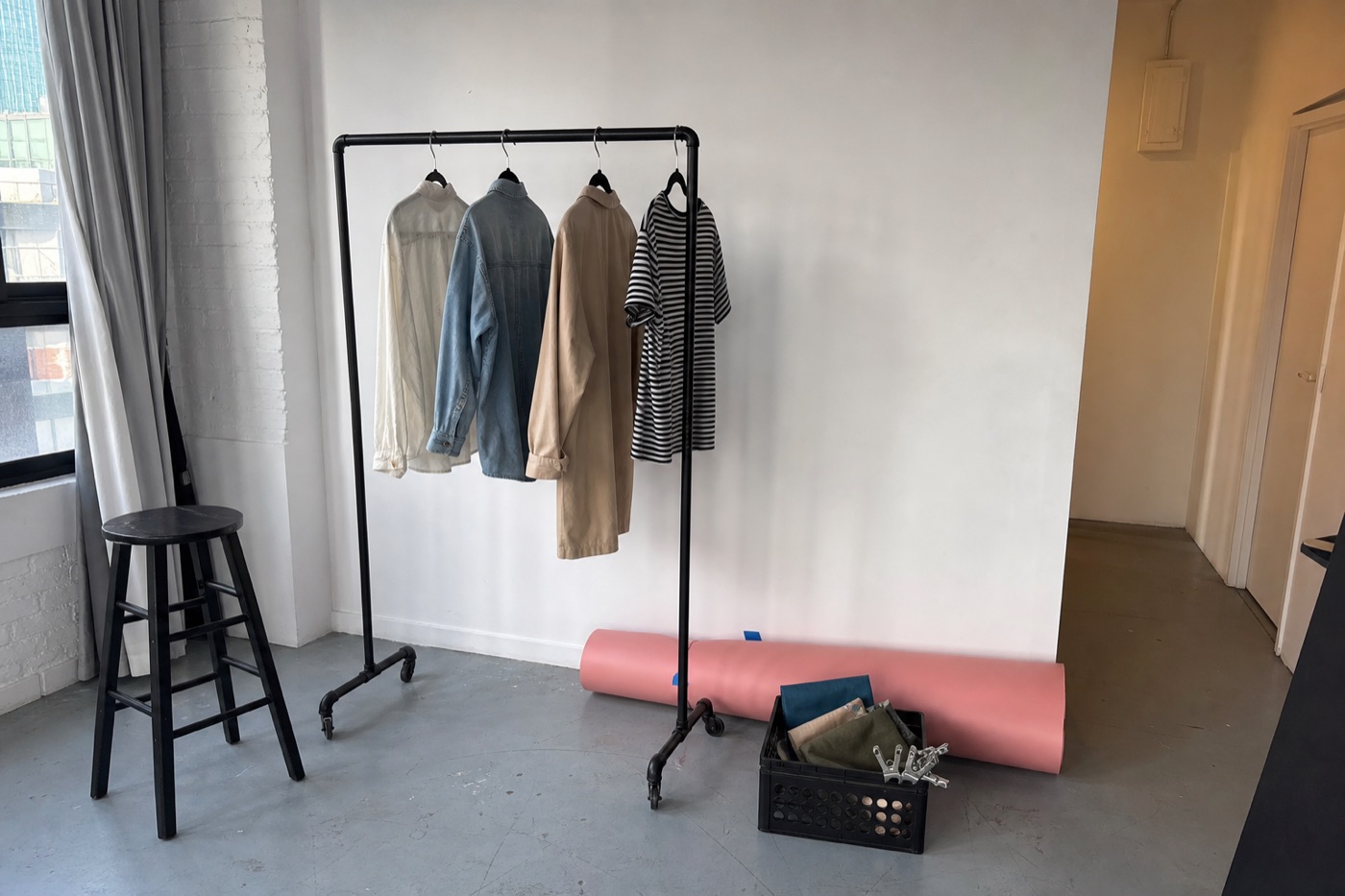
Yes, especially on a focused production. One subject, a limited number of looks, one location, and a clear set of deliverables can make the combined role practical. A stylist with strong visual-direction experience may shape the palette and setting as well as the wardrobe. A creative director with styling experience may build and manage the looks.
The combined role works when the scope is honest. Name both responsibilities in the brief. Allow time for concept development, wardrobe planning, fittings or checks, organization, and on-set adjustments. Do not budget for styling and quietly expect a full campaign concept to appear as a charming side effect.
Watch for the moments when the jobs pull in different directions. During a setup change, creative direction may need to review framing, props, or the next scene while styling needs to reset a garment and prepare another look. If both tasks are time sensitive, the combined role needs support or a simpler plan. Combining roles should reduce friction, not simply hide it inside one person's afternoon.
How do you brief creative direction or styling clearly?
Start with the project goal and the final uses. Explain what is being made, who will see it, where it will appear, and what the audience should understand about the person or brand. Then describe the current decisions. Name the location, photographer or video team, number of subjects, number of looks, planned formats, existing brand colors, and anything already approved.
For creative direction, ask what visual system the person will develop and which choices they will own. That may include references, palette, location input, set approach, props, wardrobe direction, shot families, or guidance for stills and motion. Confirm who approves the direction and when that approval happens.
For styling, ask what wardrobe planning includes. Clarify whether the stylist is working from the subject's closet, sourcing additional pieces, coordinating returns, planning accessories, attending a fitting, or staying on set. Share sizes, comfort needs, movement requirements, and any pieces that must appear.
If one person covers both roles, divide the brief into two headings anyway. List the concept decisions under creative direction and the wardrobe decisions under styling. That small separation makes hidden expectations visible. It also gives the photographer, producer, and client a cleaner way to ask questions before the room fills with clothes, color cards, and several equally urgent opinions.
The right role is the one that gives the important decisions an owner. Creative direction protects the visual idea. Styling protects the way that idea meets the person. When both are clear, the shoot can spend less energy discovering itself and more energy making the work.
Frequently asked questions
What is the difference between creative direction and styling?
Creative direction defines the full visual idea, including mood, color, setting, props, framing, and how the final images work together. Styling focuses on wardrobe, fit, proportion, accessories, and how clothing behaves on camera. The roles overlap wherever wardrobe affects the wider concept, but they solve different layers of the shoot.
Can one person handle creative direction and styling?
Yes. On a focused shoot with one subject, a small wardrobe, and a clear setting, one person may handle both roles well. The important part is to name both responsibilities in advance and allow enough preparation time for the visual plan and the clothing details. If setup decisions and wardrobe adjustments will happen at the same time, the person may need support.
Does a portrait shoot need creative direction?
A simple portrait may only need a clear photographic approach and light wardrobe guidance. Creative direction becomes more useful when the portrait has to express a brand, support several uses, coordinate multiple looks, or create a distinct visual world. The more connected decisions the project carries, the more useful it is to have one person protecting the whole system.
When should a stylist join a photoshoot?
Bring in a stylist when wardrobe choices affect the message, several looks need to work together, fit or movement needs active attention, or the subject would benefit from practical support. Styling is especially useful when clothing must coordinate with a location, backdrop, props, or a broader campaign. The stylist can prepare options before the shoot and keep the details working on set.
What should I ask before hiring either role?
Ask what visual decisions the person will own, what they need before the shoot, what references or wardrobe they will prepare, whether they will be on set, and how their work connects to the photographer or video team. Confirm approval timing, sourcing responsibilities, returns, fittings, and final deliverables. Clear ownership prevents duplicated effort and the small visible details that otherwise belong to nobody.
Give the visual idea and the wardrobe a clear owner.
Jasmine provides fashion styling and creative direction for portraits, campaigns, editorials, and creative photo and video projects in NYC.
Explore fashion styling and creative direction →