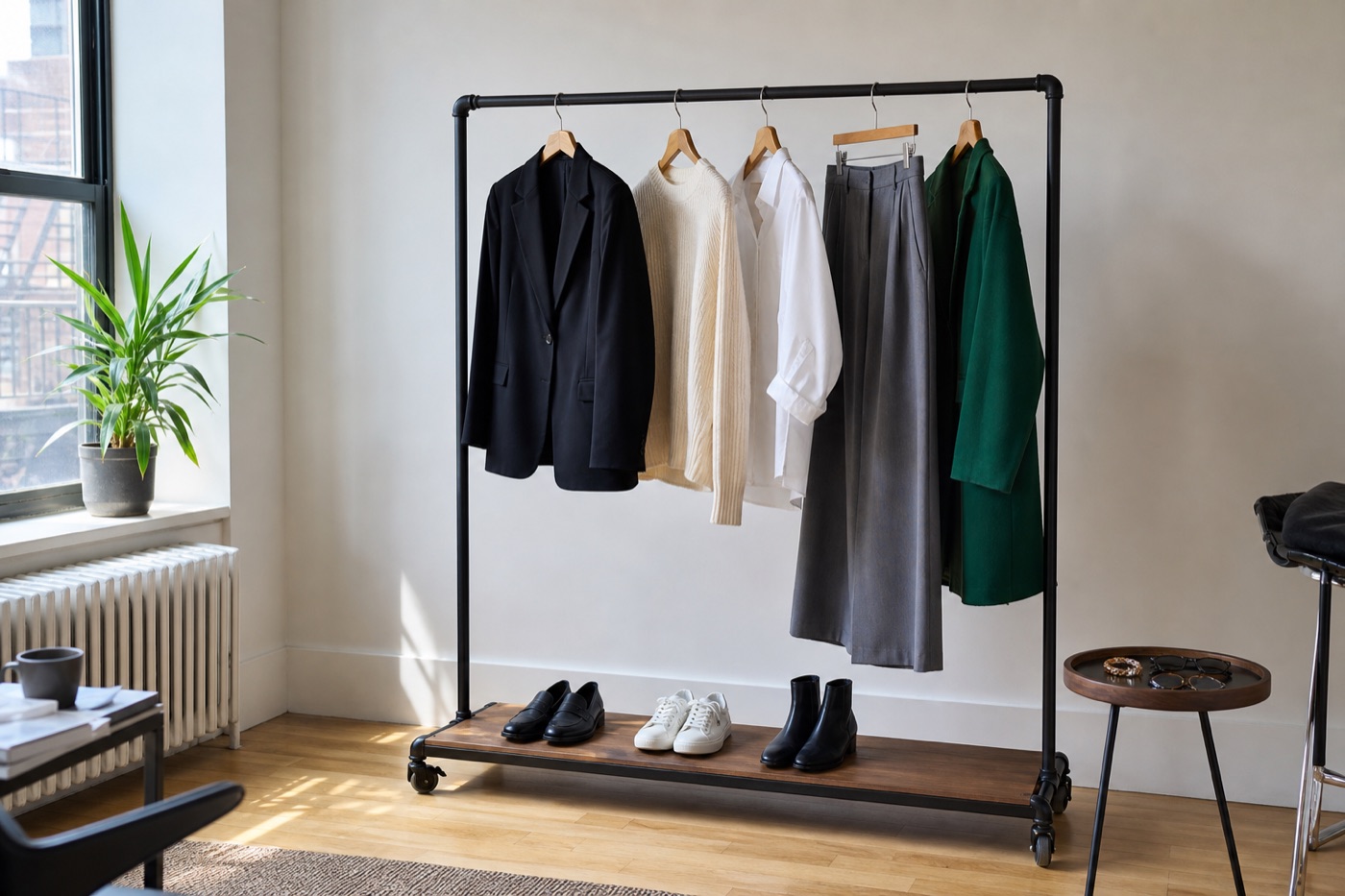
You do not need a stylist for every branding photoshoot. A stylist earns their place when wardrobe is carrying part of the brand story, when several looks or locations must work together, or when you want someone to manage the clothes while you focus on being photographed.
For a simple portrait with one familiar outfit, clear wardrobe guidance may be enough. For a shoot that needs a library of images across a website, press, social media, speaking engagements, and campaigns, styling can make the day more coherent and far less improvisational.
The short answer
Hire a stylist when clothing affects the message, the schedule, or the number of useful images you need. Styling is especially helpful when you are building several looks, working across multiple settings, coordinating a team, or trying to express brand qualities that are easier to feel than describe.
The decision is not really about whether you know how to dress yourself. Most people who hire a stylist already do. The question is whether wardrobe has become a production department. Once clothes need to coordinate with backgrounds, crops, lighting, props, hair, makeup, movement, and a detailed shot list, dedicated attention begins to pay for itself.
A stylist also provides distance. Your favorite shirt may be genuinely excellent and still disappear against the wall, pull strangely when seated, or become the loudest thing in a quiet portrait. None of this is a moral judgment on the shirt. It simply received a different job description when a camera arrived.
What a stylist actually handles
A branding stylist helps shape the visual idea before the shoot and protects it during the day. The work can include reviewing references, understanding the audience, editing your existing wardrobe, sourcing missing pieces, planning complete looks, checking fit, coordinating accessories, and preparing backups.
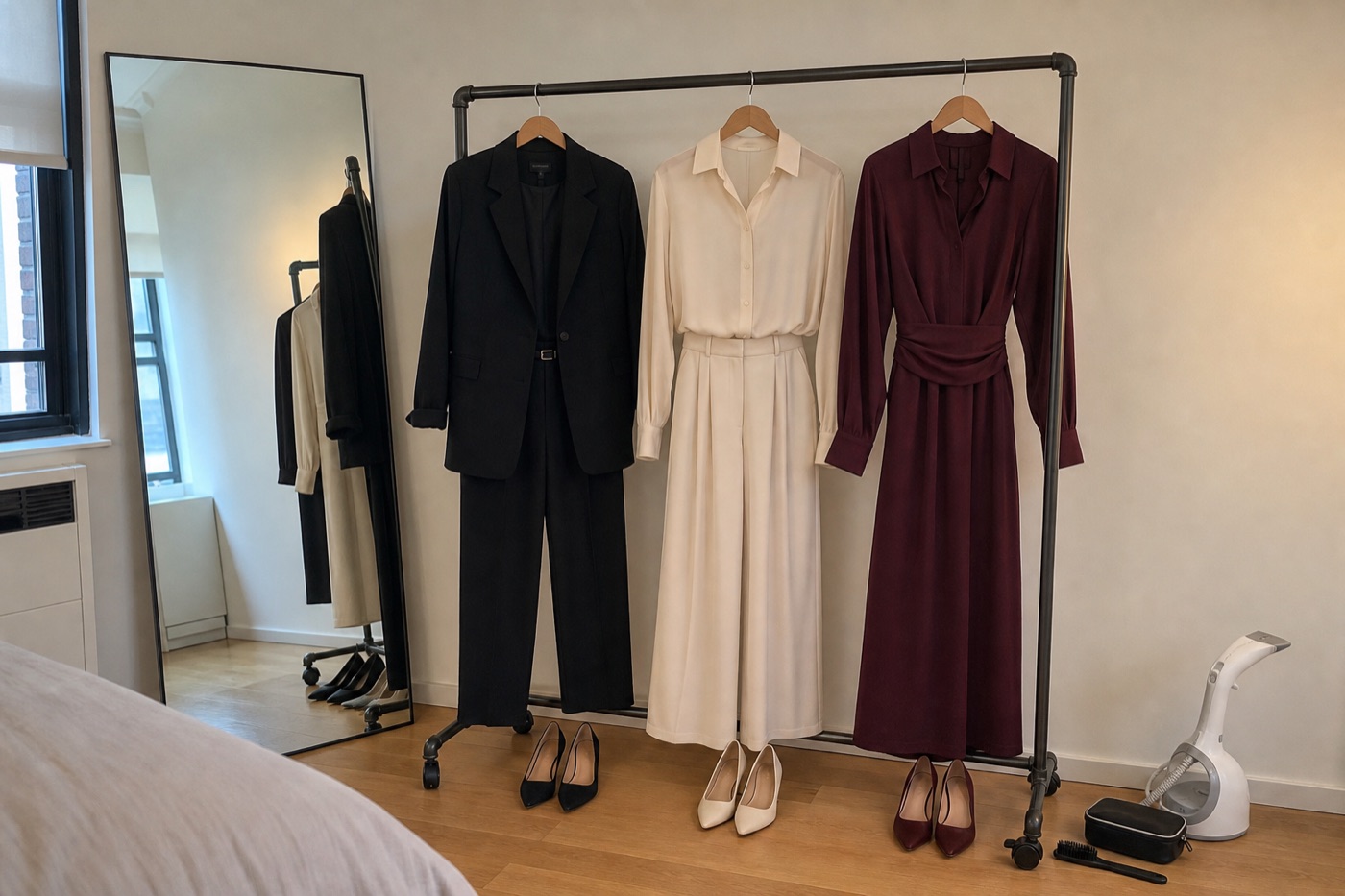
On set, styling becomes practical. Clothes are steamed. Collars are adjusted. Pockets are emptied. Trouser breaks, sleeve lengths, necklaces, hems, and layers are checked between frames. The stylist watches continuity when a look moves from standing to sitting or from a wide portrait to a close crop.
This attention keeps small distractions from reaching the final selection. It also means the photographer can stay focused on light, expression, composition, and the pace of the session. Everyone still collaborates, but the details have an owner.
Wardrobe translates the brand
Brand language often begins with words such as warm, precise, playful, established, experimental, calm, or direct. Clothes can support those qualities through shape, color, texture, repetition, and contrast. They should not turn the person into a costume for an adjective.
A structured layer can add clarity. A soft knit can make a close portrait feel approachable. A saturated color may carry a homepage frame. A textured fabric can add depth in a quiet setting. The right choice depends on the person, the work, and where the image will live.
Consistency does not mean wearing one uniform in every photograph. It means the looks feel like related parts of the same person. A stylist can build variation without making the image library look as though several unrelated professionals shared a calendar by accident.
When styling earns its place
Styling is often worth it when the shoot needs to produce a broad set of deliverables. A founder may need a homepage portrait, horizontal banners, vertical social images, speaking headshots, press options, and looser working photographs. Each use asks something slightly different from wardrobe.
It also helps when the location has a strong visual identity. A colorful studio, dark office, white gallery, or busy shop can absorb some clothes and fight with others. Planning the relationship before the day prevents a rack of perfectly good options from becoming unusable in the actual room.
Consider a stylist when fit has been difficult, shopping is draining, the brand is changing, or being on camera already consumes enough attention. The practical value may be visual coherence, but it can also be energy. Walking into a prepared set of choices leaves more room for expression and collaboration.
Finally, styling matters when clothes are part of the creative concept. Fashion, design, beauty, hospitality, performance, and artist portraits may use wardrobe as visual language rather than background. In those cases, styling is not a finishing touch. It is part of what the photograph is saying.
When you can prepare it yourself
You can often prepare wardrobe yourself when the shoot is focused, the look is already familiar, and the location is visually simple. One portrait setup, one or two outfits, and a clear use may only require a short conversation with the photographer.
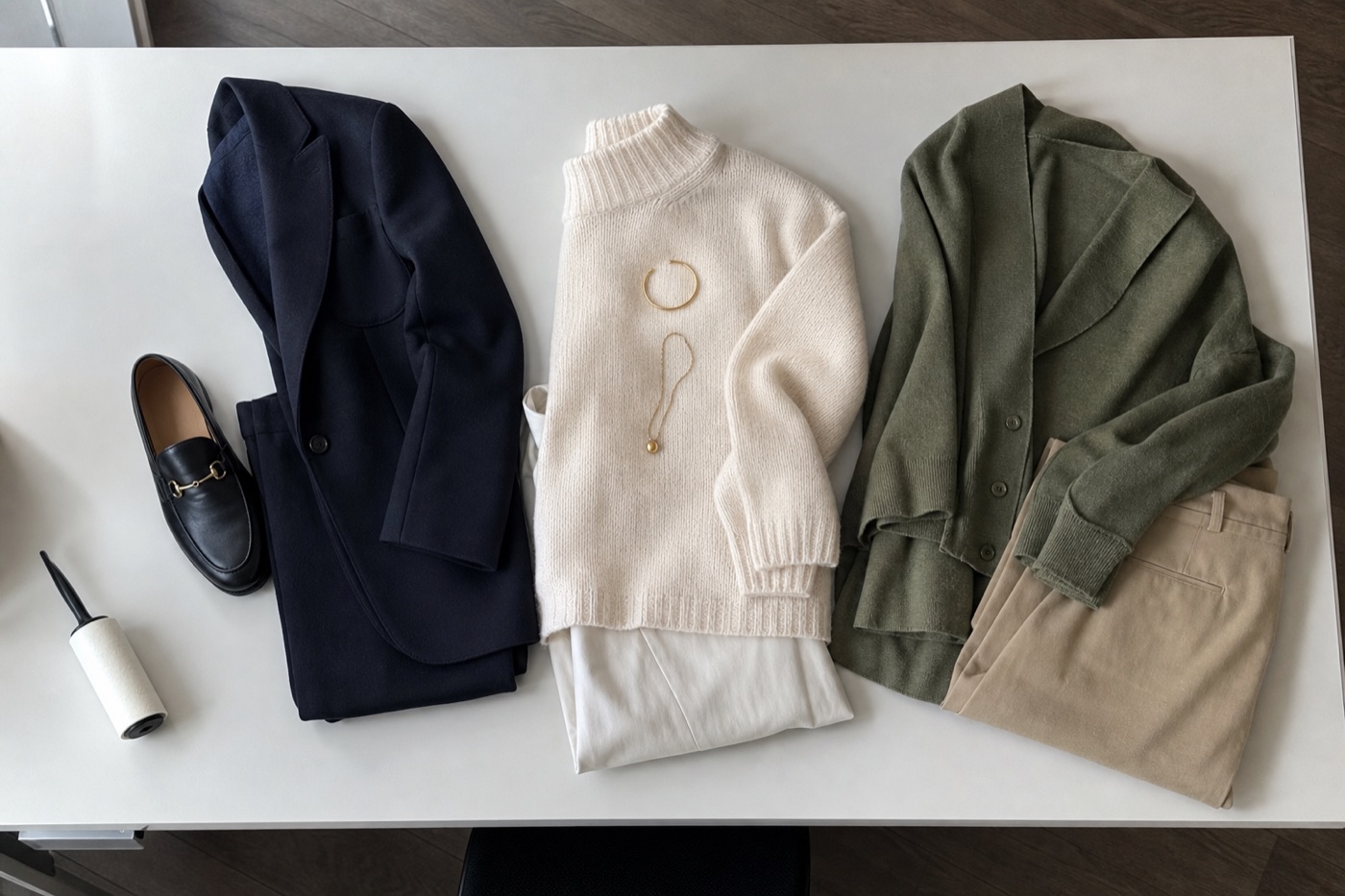
Start with clothes you actually wear and feel comfortable moving in. Build complete looks rather than bringing isolated favorite pieces. Photograph each option in ordinary daylight from the front, side, and seated position. Send those images with location references so the photographer can flag obvious conflicts.
Bring backups for the parts most likely to change. A second shirt, alternate layer, different shoe, or simpler accessory can solve a surprising amount. Make sure everything fits now, not in the optimistic parallel universe where the pants become comfortable during the car ride.
Prepare garments before the shoot. Steam them, remove tags that may show, check buttons, empty pockets, clean shoes, and pack a lint roller. Small readiness keeps wardrobe from using the first hour as a rehearsal.
How the styling process works
A useful process begins with the purpose of the shoot. The stylist reviews the brand, audience, shot list, locations, image references, and the way the final assets will be used. They also need to understand the person. A visual direction that ignores comfort or identity will become visible on camera very quickly.
Next comes the wardrobe edit. This may happen through photographs, a video call, or an in-person fitting. Existing pieces are grouped into complete looks, gaps are identified, and anything that requires tailoring or replacement is caught early.
If sourcing is needed, the stylist adds pieces with a specific job. The goal is not automatically a new wardrobe. A jacket may create structure across several looks. One color layer may connect the images to the brand. A better-fitting trouser may allow seated and standing frames without constant adjustment.
The final plan should show each look, its accessories, its intended setting, and a few backups. That plan helps the photographer sequence the day. It can reduce changes, protect the best light, and prevent the most delicate outfit from being scheduled directly after a scene involving paint, coffee, or the general behavior of New York sidewalks.
What the camera changes
Cameras simplify and exaggerate. Small patterns can shimmer. Bright whites can draw attention. Deep blacks may lose fabric detail. Reflective jewelry catches lights and crew. Clothing that feels relaxed in person may bunch when seated or change shape under a cropped composition.
Background and light matter too. A pale outfit can disappear into a white wall. A green layer may shift under mixed light. A jacket that looks crisp from the front may restrict a natural working pose. These are not universal bans. They are reasons to test choices inside the actual visual plan.
Movement should be part of the fitting. Sit, walk, lean, reach, cross your arms, and handle the objects that appear in the shoot. A branding session often includes more than a formal portrait. The clothes need to support the work as well as the still moment.
How many options to prepare
Prepare enough looks to create distinct uses, then stop before the rack becomes the production. The right number depends on time, locations, hair and makeup changes, and how different the final images need to feel.
Three well-planned looks can often create a useful range. One may feel direct and structured, one softer and more conversational, and one more expressive. Layers can create additional variation without requiring a complete reset. Removing a jacket, changing a shoe, or adding one color can shift the frame while preserving continuity.
More options are not automatically more useful. Every change takes time, creates decisions, and affects the shot sequence. A smaller edited group lets the team understand what each look is for. The rest of the closet can remain at home, bravely supporting the project through nonattendance.
Stylist, photographer, and subject
The strongest result comes from shared information. The subject knows what feels true and comfortable. The stylist understands how wardrobe can express the visual direction. The photographer knows how the location, light, lens, crop, and schedule will affect those choices.
These roles overlap, but they are not interchangeable. A photographer can give useful wardrobe guidance. A stylist can understand the planned frames. The subject has final authority over whether a look still feels like them. Clear collaboration keeps expertise from becoming a small committee trying to redesign a person.
Share concerns early. If you never wear heels, do not build the concept around learning on set. If a color has become part of the brand, mention it. If a garment carries personal meaning, the team can decide how to use it intentionally. Good styling begins with listening and ends with the person looking more like themselves, only clearer.
A practical decision test
Ask what would happen without a stylist. If you already have complete looks, a focused shot list, a simple location, and the energy to prepare everything, you may be ready. Ask the photographer for guidance and keep the plan small.
If you are staring at a full closet without seeing complete options, changing brand direction, coordinating several locations, or asking the shoot to create months of varied material, styling may remove a real production burden. It can also protect the investment you are already making in photography, location, hair and makeup, and time away from your work.
The goal is not to make every image fashionable. It is to make the wardrobe useful, specific, and visually quiet enough for the person and their work to remain the subject. When styling does that, it has earned the rack, the steamer, and the emergency safety pins.
FAQ
Is a stylist worth it for a small branding photoshoot?
A stylist is often useful when wardrobe has to support several settings, deliverables, or brand qualities. A simple portrait with one familiar look may only need thoughtful preparation and clear guidance.
Does a stylist provide all the clothes?
Sometimes a stylist pulls additional pieces, but many branding shoots begin with the client's own wardrobe. The stylist can edit, combine, supplement, fit, steam, and manage those options.
How many outfits should I bring to a branding photoshoot?
Bring enough options to create distinct useful looks without turning the shoot into a closet inventory. The right number depends on the locations, shot list, time, and how different the final uses need to feel.
Can a photographer help with wardrobe without a stylist?
Yes. A photographer can flag colors, patterns, fit, and background conflicts. A stylist adds deeper wardrobe planning, sourcing, fitting, continuity, and on-set adjustments when those tasks need dedicated attention.
Want the clothes to support the picture?
Jasmine offers fashion styling and creative direction for branding portraits and creative shoots in NYC. We can shape the wardrobe plan alongside the photography so the final images feel connected, useful, and still like you.
Explore fashion styling →