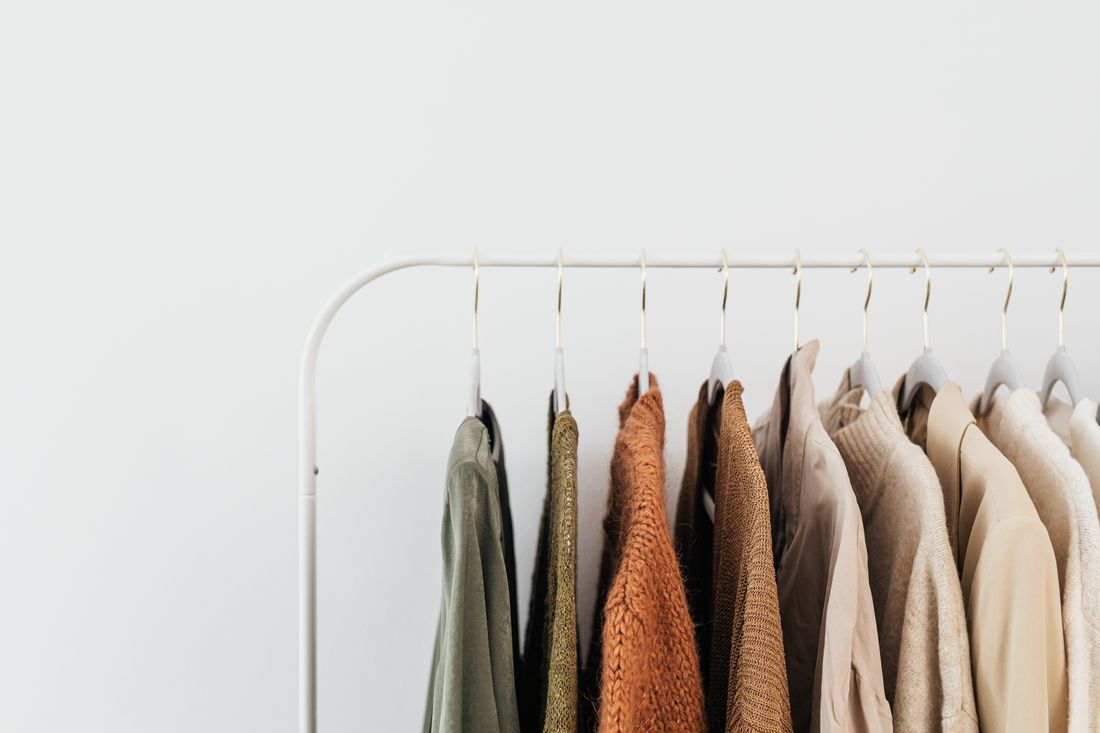
A styled shoot's wardrobe rarely comes from one place. Some of it is rented from a business built to lend clothing for a fee. Some of it is pulled from a brand's own showroom, borrowed on the strength of a stylist's relationship and a confirmed call sheet. Some of it comes out of a stylist's own working kit, built up over years of shoots. And some of it is bought outright with a return already planned, a habit common enough across the industry to count as its own channel, with its own risk attached to whoever's card gets used. Before a single outfit gets chosen, one of these channels has already decided what is actually possible to wear.
Shoot wardrobe usually comes from a mix of rental houses, brand or PR showroom pulls, a stylist's own working kit, straight retail purchase, and the common but riskier habit of buying a garment and returning it after. Each channel carries its own cost, lead time, and exposure, and that mix decides what a concept can actually become before styling begins.
What Does Sourcing Actually Decide Before a Shoot?
Sourcing decides what a shoot can physically become before styling decides what it should look like. A stylist can plan the right silhouette, texture, and color for a concept, but the concept only survives contact with reality once the actual garments can be found, rented, bought, or borrowed in time to reach the shoot.
This is a quieter layer of the work than moodboards and fittings, and it rarely comes up with a client directly, but it sets the outer boundary on everything downstream. A stylist who imagines a specific vintage silhouette, a designer piece in an exact color, or five distinct looks for one day is really asking a sourcing question first: can any of this be gotten, on this timeline, on this budget? If the answer is no, the concept has to bend toward what sourcing can actually deliver, not the other way around.
That order matters because it changes how a shoot gets planned. A stylist who treats sourcing as an afterthought, something handled the week of the shoot, is planning around a version of the wardrobe that may not exist. A stylist who treats sourcing as the first real constraint plans a concept that has already survived the practical questions: what exists, what is available, what fits the schedule and the budget. The rest of this piece covers the actual channels behind that word, where garments come from, what each one costs in money and time, and what a client is really paying for when a sourcing line appears on an invoice.
Where Do a Shoot's Clothes Actually Come From?
Wardrobe for a styled shoot usually comes from one of five places: a rental house, a brand or PR showroom pull, the stylist's own working kit, a straight retail purchase, or the more improvised habit of buying a piece and returning it after the shoot. Most real shoots blend two or three of these rather than relying on just one.
A rental house is the most straightforward of the five, a business built to lend clothing for a fee, usually with a clear agreement and insurance built into the price. A showroom or PR pull works differently. It borrows sample pieces directly from a brand or its press office, usually at no cost, but it comes with requirements that have nothing to do with money. The stylist's own kit is a working inventory built up over years, basics and staples bought because they photograph well and get reused often. Retail purchase is exactly what it sounds like, buying a piece outright to keep, return, or resell later. Buy-and-return sits closest to retail purchase but treats the transaction as temporary from the start, buying with tags intact and a return already planned.
No channel is inherently better than another. A rental house makes sense for a piece that will only ever be worn once. A showroom pull makes sense when the brief calls for a specific designer name. A stylist's own kit is often the fastest option for basics. The right mix depends on the shoot, the timeline, and the budget, and figuring out that mix is a real part of what sourcing involves.
What Does Renting From a Costume or Sample House Actually Cost?
Renting from a costume or sample rental house costs a fee tied to the garment's retail value, plus a refundable security deposit that comes back after a clean, on-time return. The rental window is usually short, often just a few days, with a fixed pickup and return date built into the booking, agreed before the garment ever leaves the building.
The real cost isn't only the fee, it's the schedule. A rental house needs the exact size, color, and style locked before the booking, because inventory is one-off or limited, unlike a retail store with racks of duplicates. That means the creative decision about a specific look has to happen well before the shoot, not on the day. A stylist calling a rental house the morning of a shoot is usually calling to find out what happened to be returned that week, not choosing from the full catalog.
Rental houses also carry real accountability. Garments go out documented, sometimes photographed on intake, and damage or a late return usually triggers a separate fee on top of the rental cost. That structure works in a client's favor in one sense: everyone knows what a garment costs if something goes wrong before the shoot even starts, instead of finding out afterward. It's one of the more transparent parts of sourcing, precisely because a business built on insurance and inventory tracking put the transparency in on purpose.
What Does a Showroom or PR Pull Actually Require?
A showroom or PR pull requires real credentials and lead time, usually a stylist's professional standing with the brand or its press office, a formal request weeks ahead of the shoot, and a confirmed call sheet naming the publication, client, or project the garments will appear in. Brands lend samples to protect their image, not as a general service.
This is the channel most people underestimate, because it looks like it should be simple: call the brand, ask for a dress. In practice, a showroom wants to know who is asking, what the images are for, when they will run, and who else will see the garment before it goes anywhere near a shoot. A stylist without an existing relationship or a credible project behind them can be turned down outright, and a request made a week out is often already too late, since sample sizes are limited to one or two pieces circulating among many stylists at once.
The lead time compounds when several looks come from several different showrooms for the same shoot. Each brand runs its own approval process on its own clock, and a stylist coordinating five or six pulls is really managing five or six separate relationships and deadlines that all have to land before the same call time. That coordination rarely shows up anywhere visible in the final images, but it's a real part of what makes a specific, brand-accurate wardrobe possible weeks before anyone sees a fitting.
What Happens If a Borrowed Garment Gets Damaged?
A rented or pulled garment that comes back damaged, stained, or altered usually triggers a fee separate from the rental cost, sometimes the piece's full retail replacement value. Showroom pulls carry similar exposure with less formal paperwork behind them, since the relationship, not a signed agreement, is often what's actually on the line.
This is a real and ordinary part of working with borrowed clothing, not a rare edge case. Makeup transfer, a snagged thread, a hem stepped on outdoors, a stain from the wrap dinner someone insisted on wearing the dress to. Garments move through a shoot day close to bodies, in weather, near food and equipment, and a piece can pick up damage that never shows up on camera but shows up the moment it goes back to the rental house or the showroom for inspection.
Managing that exposure is a real part of a stylist's job on set: steaming instead of ironing where fabric can scorch, garment bags between wears, no eating in wardrobe, careful handling during changes. It's also why a stylist tracks condition before a garment ever gets worn, so a pre-existing flaw doesn't become someone's problem to pay for later. None of this is dramatic when it's handled well. It only becomes visible when it isn't, which is exactly why the handling matters more than it looks like it should from outside the process.
What Is the Buy-and-Return Habit, and Why Is It a Liability?
Buy-and-return means purchasing a garment specifically to wear it once on a shoot, keeping the tags attached or the wear careful, and returning it to the retailer afterward for a refund. It's a widespread habit across the styling industry because it's fast and avoids a rental fee, but it quietly shifts real risk onto whoever's card was used.
The habit works, until a return gets flagged. Retailers increasingly track return patterns, and a store can decline a return on the grounds of visible wear, a missing tag, or a pattern that looks like exactly what it is. When that happens, the person or the card that made the purchase is left holding a garment nobody planned to keep, at full retail price, with no shoot budget left to absorb it. That's a different kind of exposure than a rental house's damage fee, because there's no agreement defining the terms upfront, only a store's ordinary return policy being used for something it wasn't designed for.
The risk isn't only financial. A garment worn once under studio lights, steamed, pinned, and handled through a shoot day rarely comes back in the condition a store expects for resale, even when nothing visibly dramatic happened to it. That's a judgment call the retailer makes at the counter, not the stylist. This isn't a workflow to walk through step by step here, and it isn't legal advice either, just an honest account of why a habit that looks free on paper carries real, quiet risk for whoever's name is on the receipt.
Why Does a Last-Minute Concept Change Cost More at the Sourcing Layer?
A last-minute concept change is expensive at the sourcing layer specifically because garments, unlike ideas, take real calendar time to move. A rental has to be booked and shipped, a showroom pull has to clear approval, a purchase has to arrive and get returned. Changing direction late collapses that timeline instead of just changing a plan on paper.
A styling concept can be revised in an afternoon of conversation. The wardrobe behind it can't move that fast. If a shoot pivots from a formal palette to something more casual three days out, every rental already booked in the old direction has to be canceled or swapped, often against a rental house's own change policy, and every showroom pull already in motion for the old concept is now wrong for a brief that's already circulating with a brand's press office. Starting over at that point means competing for whatever inventory or samples are still available on a much shorter runway than the original plan had.
This is also where buy-and-return becomes the fallback rather than the plan, because it's the only channel fast enough to respond to a same-week pivot. That's not a coincidence. It's the direct cost of the sourcing layer being the slowest-moving part of the whole production, the part built on physical objects that have to travel, get approved, and arrive somewhere, while everything else about a shoot can still be redrawn on a whiteboard until the morning it happens.
What Is a Client Actually Paying for in a Sourcing Line Item?
A sourcing line item pays for the work of finding, securing, and returning wardrobe on a real timeline: the calls and relationships behind showroom pulls, the rental fees and deposits, the hours spent tracking condition and coordinating returns, and the judgment that keeps a concept realistic against what can actually be gotten in time.
None of that work is visible in a finished image the way a great outfit is. A client looking at a final photograph sees the result of the sourcing decisions, not the six phone calls it took to confirm a showroom pull, or the spreadsheet tracking which rental has to go back on which date. That invisibility is exactly why sourcing sometimes gets treated as a minor line on a quote rather than what it actually is, a piece of production work with its own deadlines, its own risk, and its own cost separate from the stylist's creative time.
Paying for sourcing properly, with enough lead time and a real budget attached, is what keeps the risk from landing somewhere it shouldn't: on a stylist's personal card, on a rushed buy-and-return, or on a concept quietly downgraded three days before the shoot because nothing else was available. A shoot that treats sourcing as a real, funded, planned part of the production usually ends up with more of the wardrobe it actually wanted, not less, simply because the sourcing had room to work.
Frequently asked questions
What's the difference between a rental house and a showroom pull?
A rental house is a business that lends clothing for a fee, with a signed agreement, a deposit, and a fixed return window, open to any stylist who books it. A showroom pull borrows sample pieces directly from a brand or its press office at no cost, but it requires credentials, a real relationship, and a confirmed project, and a brand can decline a request if the stylist or the shoot doesn't fit what they want their samples associated with.
How far in advance does a showroom pull need to be requested?
Several weeks is the safer target, not a few days. Showrooms run their own approval process, coordinate limited sample sizes across many stylists at once, and often want a confirmed call sheet before releasing anything. A request made the week of a shoot is frequently too late, since the one or two available samples in a given size may already be circulating with another stylist on a different project entirely.
Who pays if a rented garment gets damaged on a shoot?
Whoever booked the rental is contractually responsible, which is why rental houses collect a deposit and often document a garment's condition before it goes out. Damage, a missing piece, or a late return usually triggers a separate fee beyond the original rental cost, sometimes up to the piece's full retail value. That's part of why careful handling on set, steaming instead of ironing and no eating in wardrobe, matters as much as the styling itself.
Is buying a garment and returning it after a shoot standard practice?
It's a common habit across the styling industry because it's fast and skips a rental fee, but it isn't a formal channel with its own agreement or terms. It relies on a retailer's ordinary return policy, which can be declined for visible wear or a missing tag, and any risk from a refused return falls on whoever's card made the purchase, not on any shared production budget.
Why does changing the shoot concept late affect wardrobe more than other parts of production?
Because wardrobe depends on physical objects that have to travel, get approved, and arrive somewhere on their own calendar, unlike a concept that can be revised in a conversation. A late pivot means canceling or swapping bookings already in motion and competing for whatever inventory is still available on a shortened timeline, which is why buy-and-return often becomes the only channel fast enough to cover a same-week change.
Wardrobe should point back to the work, not away from it.
We plan styling for artist portraits the same way we plan the rest of the shoot, around who you are and what you make, not around looking photographed.
Explore styling services →