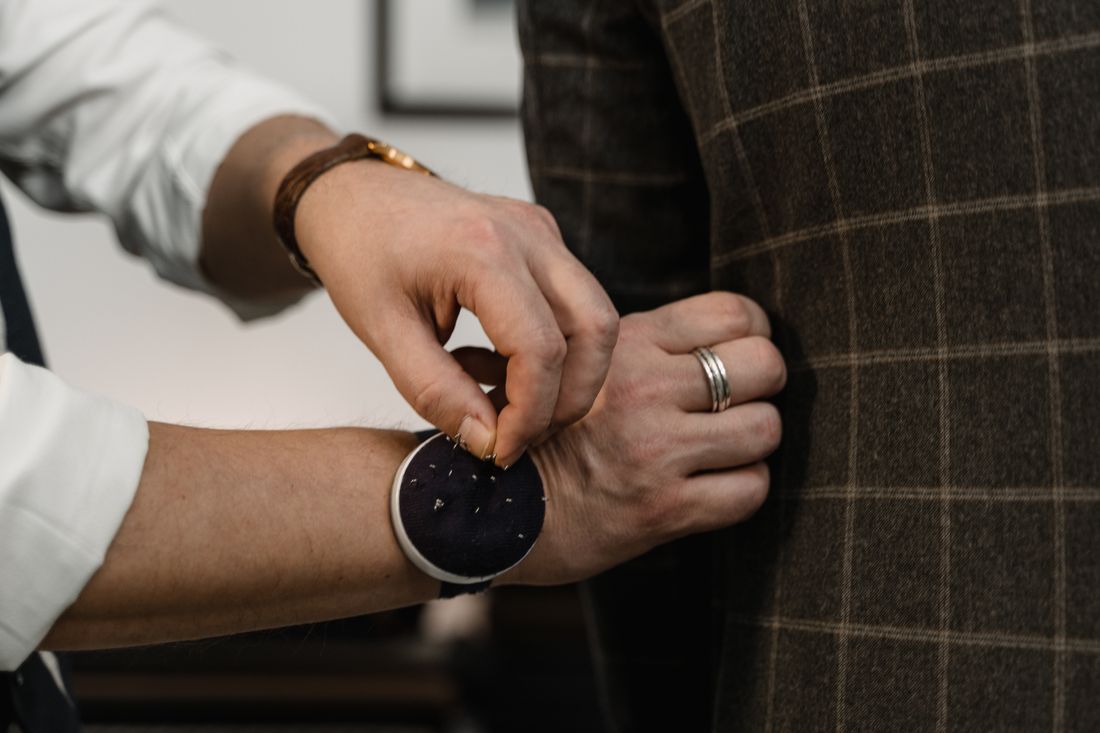
A fitting costs a half day. Skipping one costs nothing, until a garment doesn't work the way anyone expected, and now it's costing shoot time instead, with a camera, a crew, and a booked studio all waiting on it. That's the actual trade: the same hour, spent at two very different prices depending on when it gets spent. Some shoots carry so little wardrobe risk that a fitting is unnecessary spending. Others carry enough that skipping it just moves the cost somewhere harder to absorb. This is the buyer's version of that decision.
A pre-shoot fitting is worth the extra day when a shoot involves multiple looks, sourced or borrowed wardrobe, a garment that needs altering, or a subject who's uncertain about how something will look. It's usually skippable for a single look in the subject's own clothes, or a familiar subject in familiar wardrobe. The dividing line is physical uncertainty: how much about the clothes nobody has actually confirmed yet.
What Problem Does a Pre-Shoot Fitting Actually Solve?
A pre-shoot fitting exists to move wardrobe risk out of the shoot day and into a slower, cheaper hour beforehand. It puts every garment on the actual subject's actual body, under real light if possible, while there's still time to swap, alter, or replace something, instead of discovering the problem once the camera, crew, and studio are already running.
That distinction is the whole decision. A fitting hour and a shoot-day wardrobe scramble cost roughly the same amount of clock time, but very different amounts of everything else. An hour spent a few days before the shoot is quiet: no crew standing around, no lighting already set, no shot list waiting on the other side of it. The same hour spent mid-shoot pulls a photographer, an assistant, sometimes a full crew, into a holding pattern while one garment gets pinned, swapped, or given up on.
We think of a fitting less as an extra step and more as where wardrobe problems get to happen cheaply instead of expensively. A color that reads differently under studio light than it did on a hanger, a cut that doesn't move the way it looked in the store, a size off by just enough to matter on camera: none of that is a surprise anyone wants to meet once the day has started.
Not every shoot carries enough of that risk to justify the extra day. Treating a fitting as automatic wastes the exact quiet hour it exists to protect. What follows is how to read which shoots actually need one.
Which Shoots Don't Need a Fitting at All?
A single-look shoot where the subject wears their own clothes usually doesn't need a separate fitting. The subject already knows how the garment fits and has likely worn it before, and there's only one outfit to check rather than several. A short pre-shoot conversation about that specific piece covers what a fitting would otherwise catch.
A fitting earns its keep by resolving unknowns: how a borrowed jacket sits on this particular person, whether a new piece moves the way it looked online, whether a fabric reads as intended under studio light. A single look pulled from someone's own closet removes most of those unknowns before the conversation starts. They've already tried it on, in normal light, more than once, and already know whether it's comfortable to sit and move in.
That doesn't mean wardrobe gets zero attention, just different attention: a phone call or a few photos exchanged ahead of time, confirming color and fit read the way everyone expects, rather than an appointment built around trying garments on. If a shot needs a jacket buttoned a certain way, that's a note for the day, not a reason to book separate time.
One line matters here: if that "one look" hasn't been worn in months, or was bought for the shoot and never tried on, treat it like sourced wardrobe instead. The category that skips a fitting is familiar clothing on a familiar body, not simply anything currently hanging in a closet.
What About a Familiar, Repeat Subject?
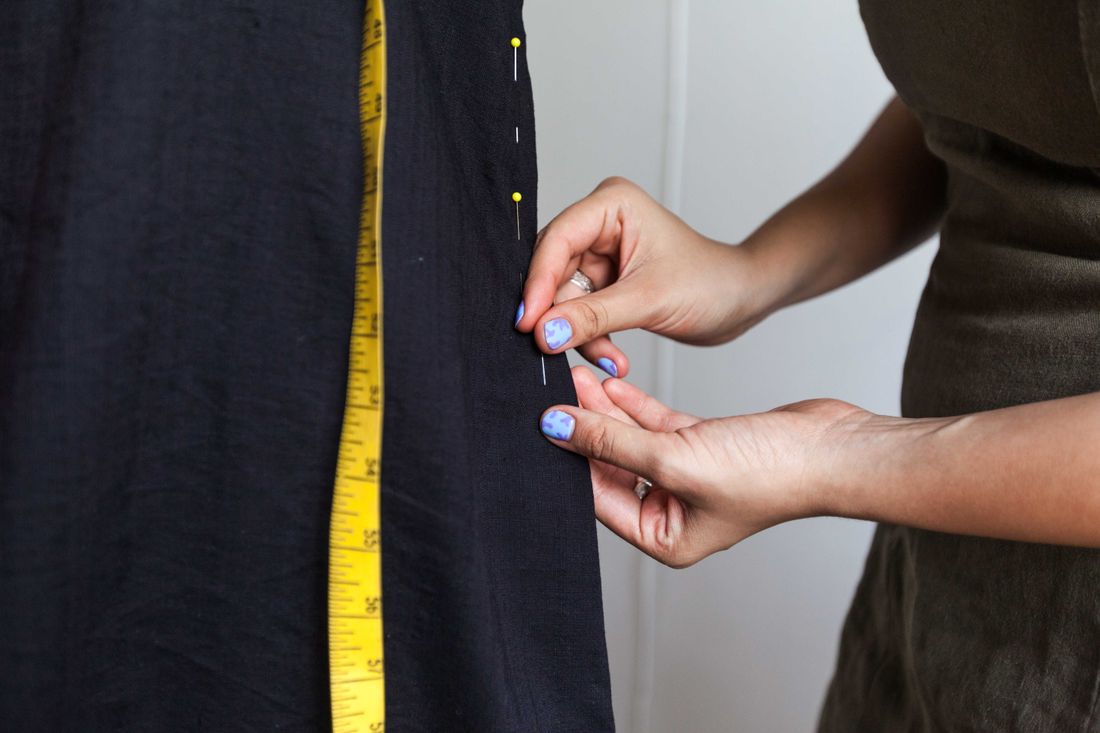
A familiar, repeat subject rarely needs a pre-shoot fitting, even in a new outfit, because the crew already knows how they read on camera and the subject already knows how to move in front of one. What a fitting resolves for a first-time subject is often already settled from a shoot together before.
A fitting spends most of its time answering questions a returning subject has already answered: how their proportions read through a lens, which necklines and silhouettes photograph the way they look in person, how comfortable they are holding still under a beauty light versus moving through a shot list. A first session with someone new usually has to work those things out somewhere, and a fitting is a reasonable place to do it quietly, before a crew is watching.
A subject we've already worked with carries that knowledge forward. If a cut or color worked last time, that's a note for the next wardrobe choice, not something that needs re-testing in person. The remaining unknown is usually just the new garment, and that often gets covered the way a single-look shoot does: a quick check on color and fit ahead of time.
The exception is a familiar subject in an unfamiliar wardrobe situation: several new sourced looks, a garment that needs altering, or a real departure from what's been shot before. Familiarity with the person shortens the list a fitting needs to resolve. It doesn't erase the list if the wardrobe itself is what's new.
Why Does a Multiple-Look Day Change the Calculation?
A multiple-look day changes the math because every additional look multiplies what could go wrong before the camera sees it. One outfit is one unknown to check. Five outfits are five separate fits, five separate color reads, and five separate chances something doesn't work the way it looked when it was picked out.
A fitting for one outfit is a short check: does it fit, does it read correctly, is it comfortable. A fitting for five or six looks is closer to a rehearsal for the whole day, and it's much better run before the day than during it. Trying five outfits on for the first time in front of a crew means five separate points where the shoot could stall while something gets adjusted, re-pinned, or swapped for a backup that may not be on set.
Multiple looks also compound in ways single looks don't: a color that clashes against a second location, a silhouette that photographed fine alone but looks wrong next to the previous look in sequence, an accessory that reads differently across two settings. Seeing the full run of looks together, ahead of time, catches those relationships in a way trying each garment on alone doesn't.
The practical test: count the looks scheduled for the day and ask whether one person could realistically try all of them on, in sequence, without a crew waiting. Past two or three, a fitting stops being a nice-to-have and starts being what keeps the shoot on schedule.
Why Does Sourced or Borrowed Wardrobe Raise the Stakes?
Sourced or borrowed wardrobe raises the stakes because nobody has confirmed how it performs on the subject's body before the shoot day. A rented, pulled, or newly bought garment is an unknown quantity until someone puts it on a real person under real light, and a fitting is the reliable way to close that gap early.
Clothes a subject already owns come with built-in information: worn, sat in, and photographed in daily life more than once. Sourced wardrobe has none of that history. A piece pulled from a rental house, borrowed for the day, or bought for the shoot has usually been evaluated on a hanger, a model with different proportions, or a product photo, none of which predicts how it will sit or read on the actual subject.
Sizing is the most common gap. A garment marked the right size doesn't always fit the way that size suggests, and cut varies enough between brands that a fitting is often the first moment anyone learns whether a piece genuinely works. Fabric and color are the second gap: a rich color or textured fabric can read differently in a fitting room than under studio lighting, worth knowing with time to source a replacement.
Most sourced wardrobe works fine. The fitting exists for the piece that doesn't, and on a shoot with several sourced looks, the odds that at least one needs an adjustment or a swap go up with every additional piece in the pull.
What Happens When the Subject Is Uncertain About Their Look?
An uncertain subject benefits from a fitting because indecision about a look takes real time to work through, and that time is expensive once a crew is on the clock. Trying on options ahead of the shoot, without a camera pointed at anyone, gives the subject room to settle on a look calmly instead of deciding under pressure.
A subject who isn't sure how they feel in a look rarely resolves that uncertainty on a call. Seeing and feeling the actual garment on their actual body is usually what settles it, and that can take longer than expected, especially with a few options in play or a subject new to being photographed. A fitting gives that process somewhere to happen without a clock running against a booked studio.
This isn't about appearance or body concerns; it's about confidence walking into the shoot. A subject who has already seen themselves in the outfit, moved around in it, and decided it works tends to show up more at ease than one meeting the wardrobe for the first time on set. That ease reads on camera more than most people expect.
If a subject mentions uncertainty about wardrobe during pre-shoot planning, whether about a piece, a color, or a general concept, that's a fairly direct signal to book a fitting rather than assume a conversation will settle it. The alternative is spending that decision-making time on the shoot day, with a crew waiting on the outcome.
Why Do Alterations Make a Fitting Non-Negotiable?
Alterations make a fitting close to non-negotiable because altered garments need a body in them to be altered correctly, and the alteration itself takes time that has to happen before the shoot, not during it. A fitting is the point where a tailor or stylist can pin, mark, and confirm changes with enough runway to finish the work.
Hemming, taking in a waist, adjusting a shoulder seam: none of it can be judged accurately without the garment on the person it's for. A fitting is where those adjustments get marked with pins or chalk, then handed off for the alteration work itself, which takes time separate from the appointment. Skipping the fitting doesn't just risk an ill-fitting garment on shoot day. It removes the window where the alteration could have happened at all.
This differs from a quick in-the-moment fix, like a clip at the back of a waistband a stylist handles off-camera during the shoot. Those small, temporary adjustments are normal shoot-day work and don't need a separate appointment. A structural change, a length shortened, a seam taken in, is a different category, because it needs to be done, checked, and finished before anyone is on set.
If a shoot plan already involves altering a piece, whether a suit sourced for a founder portrait or a dress adjusted for a fashion concept, the fitting isn't really optional. It's the appointment where the alteration decision gets made, and skipping it usually means an unaltered garment on the day, or a rushed change with no time to confirm it worked.
What Can a Fitting Resolve That a Pre-Shoot Phone Call Can't?
A fitting resolves things a phone call can't because it puts an actual body in an actual garment under conditions close to the shoot itself, where a conversation only puts an idea of the garment in someone's head. A call can align on concept and expectations. Only a fitting confirms fit, movement, and how a color or fabric genuinely reads.
A good pre-shoot conversation covers a lot of ground: what the shoot is for, what mood the wardrobe should support, which pieces are being considered, and roughly what the day will look like. That conversation is worth having regardless of a fitting, since it sets expectations and catches concept-level mismatches early. What it can't do is answer physical questions, because nobody on the call can see or feel the actual garment on the actual person.
Fit is the clearest example. A subject can describe a garment as "should be fine" based on a size chart or how it looked on someone else, and be genuinely wrong once it's on. Movement is another: a skirt that looks structured in a photo can restrict a subject's stride in a way no still image predicts. Color and texture under real light are a third, since screens and store lighting rarely match a studio setup.
The honest way to frame it: a conversation aligns on intent, a fitting confirms reality. Shoots with low physical uncertainty, one look, familiar clothes, a familiar subject, can run on the conversation alone. Shoots with real physical unknowns need the fitting to close the gap a conversation can't reach.
Frequently asked questions
How far ahead of the shoot should a fitting happen?
Close enough to the shoot date that nothing changes about the subject or the garment in between, but with enough runway to fix what the fitting turns up. A few days before is a common window: near enough that fit and comfort still apply on the day, far enough that a swap, a steam, or a small alteration has time to actually happen before anyone shows up on set.
Can a fitting happen the same day as the shoot, just earlier?
It can, and for a lighter shoot with a small window that's sometimes the practical option. It loses some of the benefit, since a garment problem found an hour before call time leaves little room to source a replacement, steam something properly, or finish an alteration. A separate day still gives the most room to actually solve what the fitting finds, rather than just identify it while the crew waits.
Does a fitting need to happen at the shoot location?
No. A fitting is about the garment on the subject, which can happen anywhere with a mirror and decent light, a studio, a home, wherever is convenient for both sides. What matters more than location is getting close to the shoot's actual lighting conditions when color or fabric texture is a real question, since a color that reads one way under a lamp can read differently under studio lighting.
What if there's no time in the schedule for a separate fitting?
A shorter, more targeted check can cover part of the ground: photos of the garment on the subject, sent ahead, or a quick in-person try-on the same week rather than a full appointment. It won't catch everything a real fitting would, particularly alterations, but it's a reasonable middle option when a shoot carries real wardrobe risk and genuinely has no room for a separate day beforehand.
Is a fitting only about clothes fitting correctly?
Fit is the most common reason, but a fitting also checks how a garment reads under light, how it moves once the subject is walking or sitting, whether pieces work together across multiple looks, and whether the subject feels comfortable in it. It's a general rehearsal for wardrobe, not narrowly a sizing check, which is why shoots with more looks or more unknowns get more value from having one.
Let the clothes support the work.
We plan wardrobe for artist portraits the same way we plan everything else on set: around the person and the work, not around the idea of a photoshoot.
Explore styling services →