
Most first quotes are placeholders, not because pricing is complicated, but because the brief that came in didn't say enough to build a real one. A photo or video job's price rests on six specific things: how many pieces or people are in the frame, how many finished files actually get delivered, what the space and its access look like, whether video shares the day with photo, where the files end up living, and the real deadline behind the ask. None of them need to be pinned down exactly. All of them need to be in the room before a number gets built.
A firm quote rests on six answers: how many pieces or people, how many finished files, what the space and its access look like, whether video is part of the day, where the files get used, and the real deadline. Share rough answers to all six before reaching out, and the first number back is usually close to the final one.
What Actually Determines the Price of a Photo or Video Job?
A quote moves later because the first version got built on a guess instead of an answer. Six things actually set the price: how many pieces or people, how many finished files, the space and its access, whether video is part of the day, where the work gets used, and the real deadline.
None of those six are exotic. They're also not things a photo and video team can guess accurately from a one-line inquiry, which is exactly why a first-pass number so often shifts once the real conversation starts. Headcount and piece count set crew size and time on site. Final file count sets editing hours. The space sets how much gear travels and how long setup takes. Video changes the crew and the equipment list even when it's a small add-on. Usage sets resolution, retouching depth, and sometimes licensing. The deadline sets whether the job fits into a normal schedule or needs a rush.
Each one moves the number in a specific, traceable way, not a vague "it depends" way. That's the useful part: none of this requires precision on the first message. A close estimate on each of the six gets a quote that's genuinely close to the final number, instead of a placeholder that has to be rebuilt once the details show up.
The rest of this guide walks through each of the six, and what's actually worth having ready before reaching out.
How Many Pieces or People Are Actually Involved?
How many pieces or people need to be photographed or filmed is usually the single biggest lever on price, because it sets crew size, time on site, and how much gets edited afterward. A rough number is genuinely useful here. An exact one is nice but not required to get a workable quote.
For artwork, this means the actual count of pieces, not a size category like "a small show" or "a few new works." Ten paintings and thirty paintings are different jobs before a single other factor gets considered, since both time on site and post-production scale with the count. For people, it's the same logic in a different shape: a solo portrait, a founder and two team members, or a group of fifteen all call for a different amount of setup, direction, and shooting time, even when the concept behind the shoot is identical.
The number that matters is the one that's actually getting photographed that day, not the total roster of a team or the full inventory of a studio. A gallery with forty pieces in the collection but twelve going into a specific catalog only needs a quote built around the twelve. Naming that distinction early saves a round of back-and-forth later, since "how many pieces" is usually the very first clarifying question a team asks when a brief says something broader, like "our collection" or "the team."
A close count, even a range like "eight to ten," is enough to start from. What actually stalls a quote is no count at all.
How Many Final, Edited Files Do You Actually Need?
How many finished, edited files you actually need is a different number from how many photos get taken, and mixing the two is a common reason a quote has to be revised. A shoot might produce hundreds of frames, but the number that drives editing time and price is how many get delivered as finished work.
Shot count and delivered count serve different jobs. A team might capture a hundred and fifty frames across a session, then deliver twenty five fully edited images because that's what the brief actually calls for: a catalog, a website refresh, a set of social posts. The other frames exist as coverage and options, not as billable finished output. When a brief asks for "photos of the event" without a number, it's genuinely unclear whether that means five hero images or forty for a full recap.
A useful way to think about it: start from where the files are going. A grant application might need six to ten strong images. A full catalog might need one clean shot per piece plus a handful of details. A social content batch might need fifteen to twenty verticals. Working backward from the actual use tends to produce a more accurate number than guessing at a round figure.
If the exact count isn't known yet, a range is fine. What moves a quote later is a brief that never names a number at all, leaving the finished file count to be assumed and then corrected.
What Does the Space and Its Access Actually Look Like?
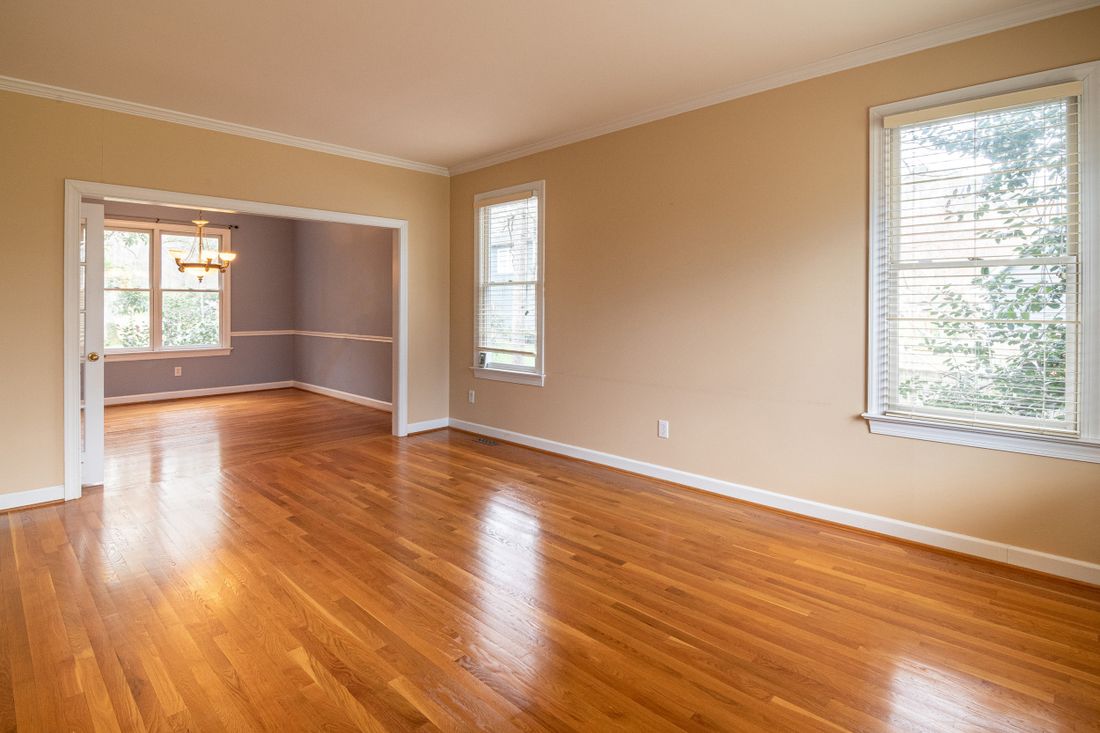
The space where the shoot happens, and how easy it is to get in and set up, changes both the time on site and the gear that has to travel. A walk-up apartment, a freight elevator building, and a gallery with its own insurance requirements are three different logistical jobs before a single photo gets taken.
Size and light matter first. A small studio apartment limits how far back a camera can go and how much lighting gear makes sense, which can mean a longer, more careful setup than a large open room would need. Natural light availability changes whether supplemental lighting comes along at all. Neither of these has to be measured precisely ahead of time, but a general sense, "a one-bedroom apartment with good window light" versus "a windowless basement studio," changes the plan.
Access matters just as much as square footage. Stairs versus elevator changes how much gear can reasonably come along and how long setup takes. Building rules, like requiring advance notice to a super, a certificate of insurance, or a specific loading dock window, can affect the schedule even when they don't affect the shot itself. A gallery or office space often has its own access rules that a private studio doesn't.
None of this needs a floor plan attached to the first message. A short, honest description, "third floor walk-up, small living room, we'll need the building's okay to prop the door," gives a team enough to plan around instead of discovering it on arrival.
Is Video Part Of The Day, Even A Little?
Whether video is part of the job, even a short behind-the-scenes clip or a handful of vertical reels, changes the crew, the gear, and the editing time, so it needs naming upfront rather than added once photo pricing is set. A "maybe a little video too" mentioned after a quote is delivered usually means rebuilding it.
Photo and video aren't the same production even when they happen in the same room on the same day. Video often calls for a second person on set, additional lighting or audio gear, and a separate block of editing time that doesn't overlap with photo retouching. A photographer working alone can sometimes capture simple video coverage, but a shoot that needs both a clean photo set and usable video footage, especially with any audio, usually benefits from being planned as two connected deliverables from the start, not one shoot doing double duty.
This applies even when the video ask feels small. "Just a few clips for Instagram" still means someone is filming, framing, and later editing that footage into something usable, on top of the photo work already happening. That's real time and a real deliverable, not a footnote.
The useful move is naming video as in scope the moment it's a possibility, even a loose one, rather than waiting to see how the day goes. "Photos for sure, video would be a nice-to-have if time allows" is a complete and useful piece of information. Silence on the question is what causes the number to move.
Where Will the Finished Files Actually Get Used?
Where the finished files actually get used, a website, a printed catalog, a paid ad campaign, or a grant application, changes resolution needs, retouching depth, and sometimes licensing terms, which makes usage one of the more overlooked factors in an accurate quote. The same photo shoot can price differently depending on where the images end up living.
Web and social use generally calls for standard resolution and a normal retouching pass. Print, especially large-format printing for an exhibition or a catalog, usually needs higher resolution capture and closer attention to color accuracy, since printed color doesn't forgive the way a screen does. A paid advertising campaign can also carry different usage terms than a portfolio or personal website, since the files are being used to sell something at scale rather than simply being shown.
Archival and insurance use is its own category again. Files meant to document a collection for long-term record-keeping or appraisal purposes are usually shot and processed with accuracy as the priority over polish, which is a different technical approach than a hero image built for a homepage.
None of this needs to be fully mapped out in advance. A simple answer, "these are going on our website and maybe printed small for a show," is enough to set expectations correctly from the start. What causes a quote to move later is usage that only gets mentioned after delivery, once a client realizes the files need to do a job nobody planned for.
What's the Actual Deadline, Not Just "Soon"?
The actual deadline, not a general sense of "soon," determines whether a job fits into a normal production and editing schedule or needs to be treated as a rush, and rushed timelines change both scheduling and price. "As soon as possible" and "flexible, planning ahead" are two different jobs even when the shoot itself is identical.
A deadline does two separate jobs in a quote. It sets whether the date itself is even available, since a team with existing bookings can only fit in what its calendar allows. It also sets how the editing gets scheduled, since a normal turnaround and a compressed one require different amounts of focused time, sometimes at the expense of other work already on the books. A shoot that needs finished files in three days is a different commitment than one with three weeks of breathing room, even if the shoot itself takes the same afternoon.
The most useful version of a deadline names the actual event or use it's tied to: a grant due date, an opening night, a launch date, a print deadline. "We need this by the 14th because the show opens on the 15th" gives a team something concrete to build a schedule around. "Sometime next month, no rush" is just as useful in its own way, because it signals real flexibility rather than an unstated urgency hiding behind a vague timeline.
What actually causes friction is a deadline that shows up late, after a quote and schedule are already set around a looser assumption.
How Do You Put This Together Before Reaching Out?
Before reaching out, it helps to have rough answers to six questions: how many pieces or people, how many finished files, what the space and access look like, whether video is part of the day, where the files get used, and the actual deadline. None of these need to be exact, but all need to be present.
A useful way to prepare is writing two or three sentences that touch each point rather than treating the inquiry as a single open-ended question. Something like: "We have twelve paintings to document for a gallery submission, need clean full-view shots for their online portal, the studio is a bright loft with a freight elevator, and we need files by the 20th" covers piece count, usage, space, and deadline in one breath. That single message gives a team enough to return a real number instead of a placeholder range.
It's fine not to know everything. A range for piece count, a "probably not, but maybe" on video, or an honest "not sure yet" on usage are all workable answers. What actually slows a quote down is a brief with none of the six touched at all, since that forces a team to ask before it can answer, or worse, to guess and revise later.
The goal of gathering this beforehand isn't to make the process feel formal. It's to get a firm number back faster, with fewer surprises for anyone once the date is actually booked.
Frequently asked questions
How much information do you need before we can give a firm quote?
Enough to answer six questions: how many pieces or people, how many finished files, what the space and access look like, whether video is part of the day, where the files will get used, and the actual deadline. Rough answers work fine for all six. A brief that touches each point, even briefly, usually gets a firm number back on the first reply instead of a placeholder that needs revising once more details come in.
What if I don't know the exact piece count or headcount yet?
A range is genuinely fine. Ten to fifteen pieces, or a team of four to six, gives enough to build a workable estimate around, since crew size and editing time scale with the ballpark rather than the exact figure. What's harder to quote from is no number at all, since that forces a guess that then has to be corrected once the real count shows up. A rough range beats silence every time.
Does adding video later change a quote that was already based on photos only?
Usually, yes. Video changes crew size, gear, and editing time even as a small add-on, so a quote built around photos alone doesn't automatically flex to cover it. Naming video as a possibility upfront, even a loose maybe, lets that get planned into the original number. Mentioning it after a photo-only quote is already set almost always means revisiting both the price and sometimes the schedule too.
Why does where the photos will be used matter for pricing?
Usage sets resolution, retouching depth, and sometimes licensing terms, so the same shoot can price differently depending on the destination. Web and social work generally needs standard resolution and a normal edit. Large-format printing needs higher resolution capture and closer color accuracy. Paid advertising can also carry different usage terms than a personal portfolio. Naming the destination, even loosely, helps set the right technical approach from the start.
How fast can a quote come back once this information is shared?
Once the six factors are covered, even roughly, a quote can usually be put together quickly, since the guesswork that normally slows the process down is already answered. Vague inquiries take longer because a team has to ask clarifying questions before pricing anything. A brief that names piece count, files needed, space, video, usage, and deadline in one message tends to get the fastest, most accurate reply back.
Planning photo or video in NYC?
Tell us what the files need to do, where the work is happening, and what the day has to protect. We will help shape a practical production plan around it.
Start a project →