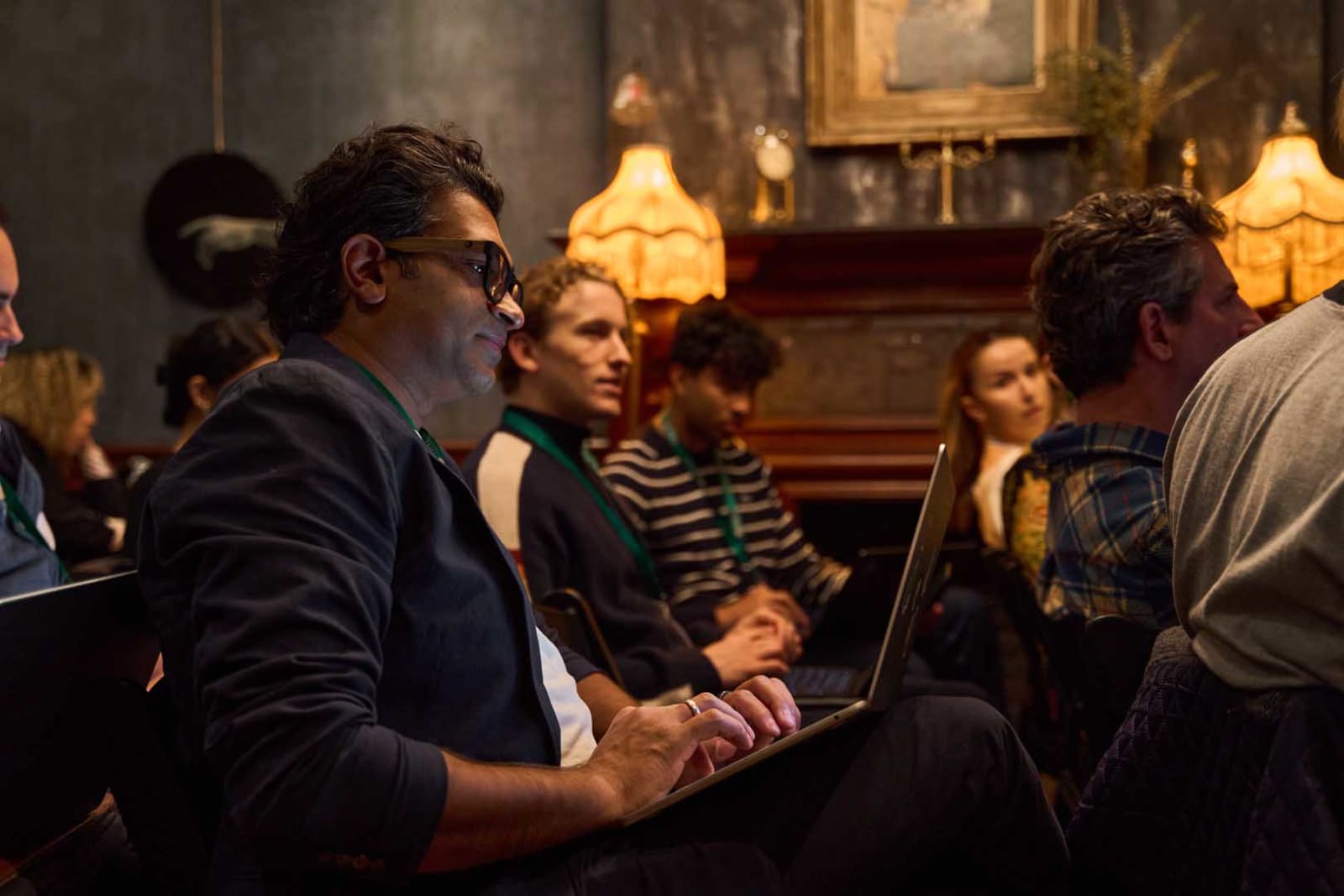
Before an event, tell your photographer five things clearly. Share the real schedule, the people who matter most, the moments that cannot be repeated, any room or access limits, and where the finished images need to go. Add one reliable event contact who can identify people and confirm changes. That short brief will usually do more for the final gallery than a long mood board.
Event photography depends on anticipation. A photographer can respond quickly once something begins, but they still need to know which direction to look. The artist may enter through a side door. A sponsor may leave after the welcome. A family portrait may be possible for only three minutes. A speech listed for eight may happen at seven forty because the room is ready. Events are wonderfully committed to becoming slightly different events. The brief is how you protect the moments that matter while leaving enough space for the photographer to notice everything nobody planned.
The short answer
An event photographer does not need a script for every frame. They need the information that changes timing, position, access, and priority. A short event photography brief can cover the schedule, key people, required moments, room layout, lighting changes, group photographs, restrictions, and delivery timing. Keep it current, and mark what is required rather than presenting every possibility at the same volume, since a photographer scanning a long document under time pressure will miss whatever isn't flagged.
Separate the nonnegotiable photographs from the general atmosphere worth preserving. A photograph of each speaker, the room before guests arrive, a sponsor wall, an award handoff, and one family group may all be required. Crowd energy, conversations, and reactions can stay responsive rather than scripted. That gives the photographer a clear floor to work from without building a ceiling over the rest of the coverage.
If only one message goes out before the event, answer three questions in it. What happens once. Who cannot be missed. What will the photographs be used for. Those three answers, written down and sent ahead of arrival, are what to tell your event photographer before the event actually starts, and they cover most of what a night in an NYC gallery or event space tends to throw at a working photographer, from a late speaker to a room that fills faster than anyone planned for.
Share the working schedule, including what may move
Send the current run of show with arrival, doors, welcome, speeches, performances, awards, important transitions, and the planned end. Include setup access when the room or installation should be photographed before guests enter, which matters more than people expect since an empty room reads differently once it's full. If a key person arrives late or leaves early, note that too. The official event time on the invitation rarely explains the useful photography window.
Mark the flexible parts honestly. A schedule that says a welcome will happen around eight is more useful than one that promises eight exactly while everyone involved quietly knows otherwise. Tell the photographer who decides when it begins and what visual cue will come first, whether that's a light change, a host stepping forward, or the room simply going quiet. They can stay near the right sightline instead of learning about the speech from the applause.
Mention overlapping moments too. If cocktails continue in the main room while a private tour begins somewhere else, one photographer cannot give both places equal attention. A clear priority keeps the coverage following the event's real purpose instead of splitting evenly by default. When two moments genuinely matter the same amount, that is useful information while deciding whether the night needs a second photographer or a tighter schedule built around a single moving path through the room.
Name the people who must appear and the moments that can't repeat
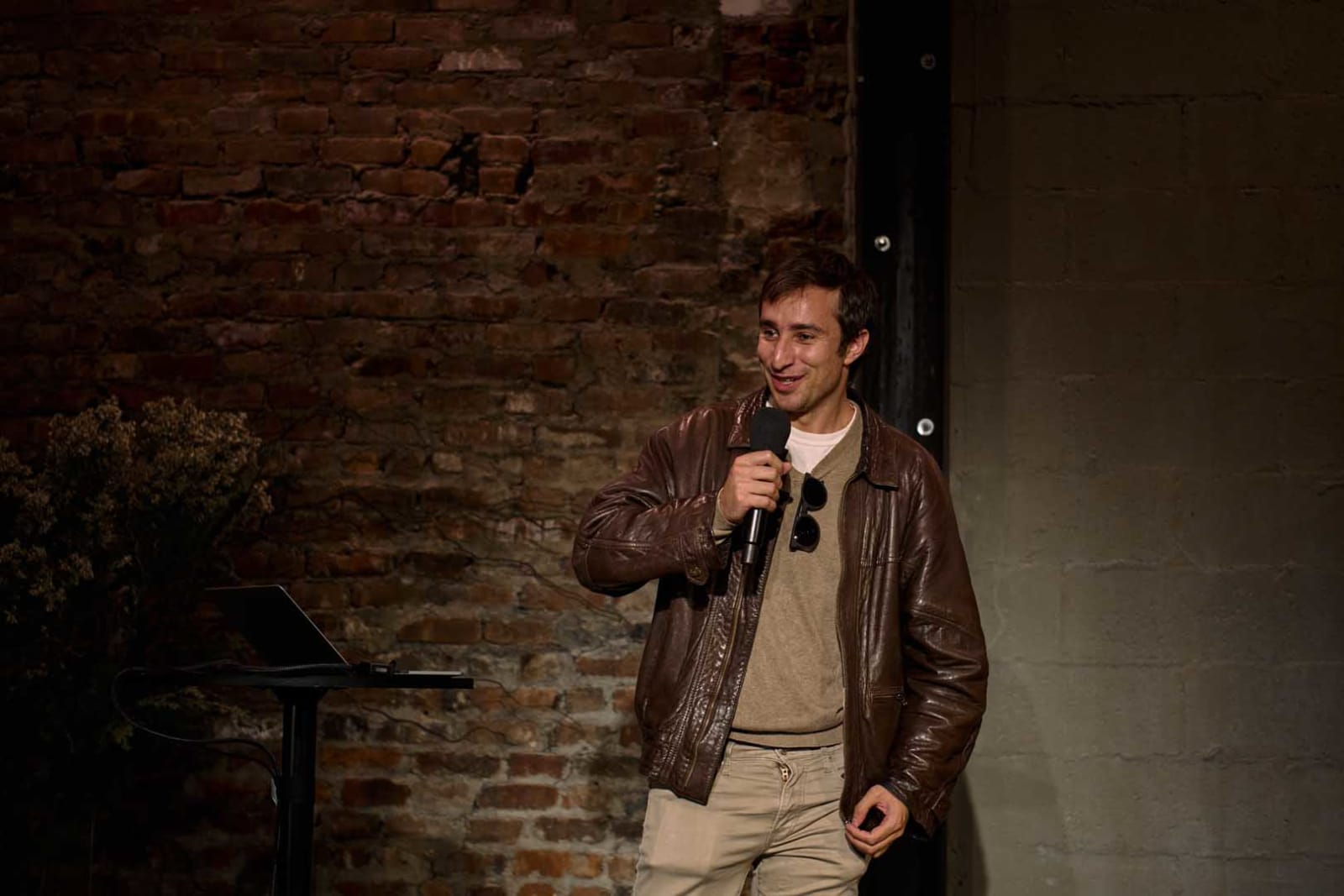
Names alone are hard to match to faces in a moving, low-lit room. Share a short reference sheet when several artists, speakers, hosts, sponsors, or honorees must be covered, and add a current photo where possible. One on-site contact who can point someone out beats a list of names without faces. Priority people are the ones whose absence would make the final gallery incomplete, not everyone who RSVP'd to the evening.
Separately, this is where a shot list for a gallery opening earns its keep. Some photographs can be made again in a slightly different form; a room detail, a conversation, a wider crowd shot. A ribbon cut, first look, performance entrance, award handoff, or short toast happens exactly once. List those moments with an approximate time and location, and explain why a quieter one matters, such as an artist speaking with a mentor near the back wall, when the importance isn't obvious from across the room.
Keep both lists genuinely short. If every greeting is labeled essential, the photographer has less room to actually follow the energy of the night as it happens. Choose the people and moments that would be hard to explain away later if they were missing from the final set, and let the rest of the brief describe the kind of coverage wanted rather than trying to control every frame in advance.
Explain the room, lighting, and access limits
Share the venue address, loading or freight elevator instructions, floor level, check-in process, and the earliest access time. Say whether the photographer needs credentials or approval for private areas, and whether the building keeps a security list that has to include their name in advance. In compact NYC venues, flag narrow passages, crowded coat areas, fixed seating, quiet zones, and any spot where equipment or movement would interrupt the program.
Describe lighting changes ahead of time. A gallery may open in daylight for an early press preview and go much darker after sunset once the main opening starts, often the same room within a couple of hours. A performance may lower the room lights partway through. A panel may put a bright screen beside a dim speaker. A photographer can adapt to any of this, but knowing the transition is coming affects equipment, camera settings, and when the room itself should be documented.
Name restrictions before arrival rather than mid-event. Flash may be wrong near a performance, reflective artwork, projection, or a sensitive guest. Certain installations may not be touched or approached closely. A venue may limit stands, bags, or cables near an exit for fire-code reasons. Restrictions are almost always workable when they arrive as planning information instead of as someone is already raising a camera near the work. A gallery opening that runs six to eight, with a press preview beforehand, is a fairly normal NYC shape, and naming that shape in advance saves the photographer from guessing which hour actually matters most.
Plan group photographs before the group starts leaving
If the event needs formal group photographs, decide who belongs in each grouping and when those people will already be standing near each other. The strongest window is often before doors open, right after a program ends, or beside another required moment anyway, so the group barely has to reassemble. Waiting until the very end can work, but it also asks tired people holding coats and separate plans to rediscover group discipline on the spot.
Choose a location with enough width, workable light, and a background actually connected to the event rather than a random hallway. Say if an artwork, sign, installation, or room feature should appear behind the group. Check whether people can stand there without blocking an entrance, a fire exit, or slowing down the next part of the schedule for everyone still arriving.
Assign someone to gather people, ideally not the photographer. A photographer can arrange a group efficiently once it physically exists in one place. Finding six people spread across three rooms is a different job entirely, usually performed while holding a camera and developing a new respect for event coordinators. A named organizer makes the portrait faster and returns everyone to the event sooner than a scavenger hunt would, which matters most on nights with a tight run of show and nowhere in it built in for a portrait break.
Say where the photographs will go
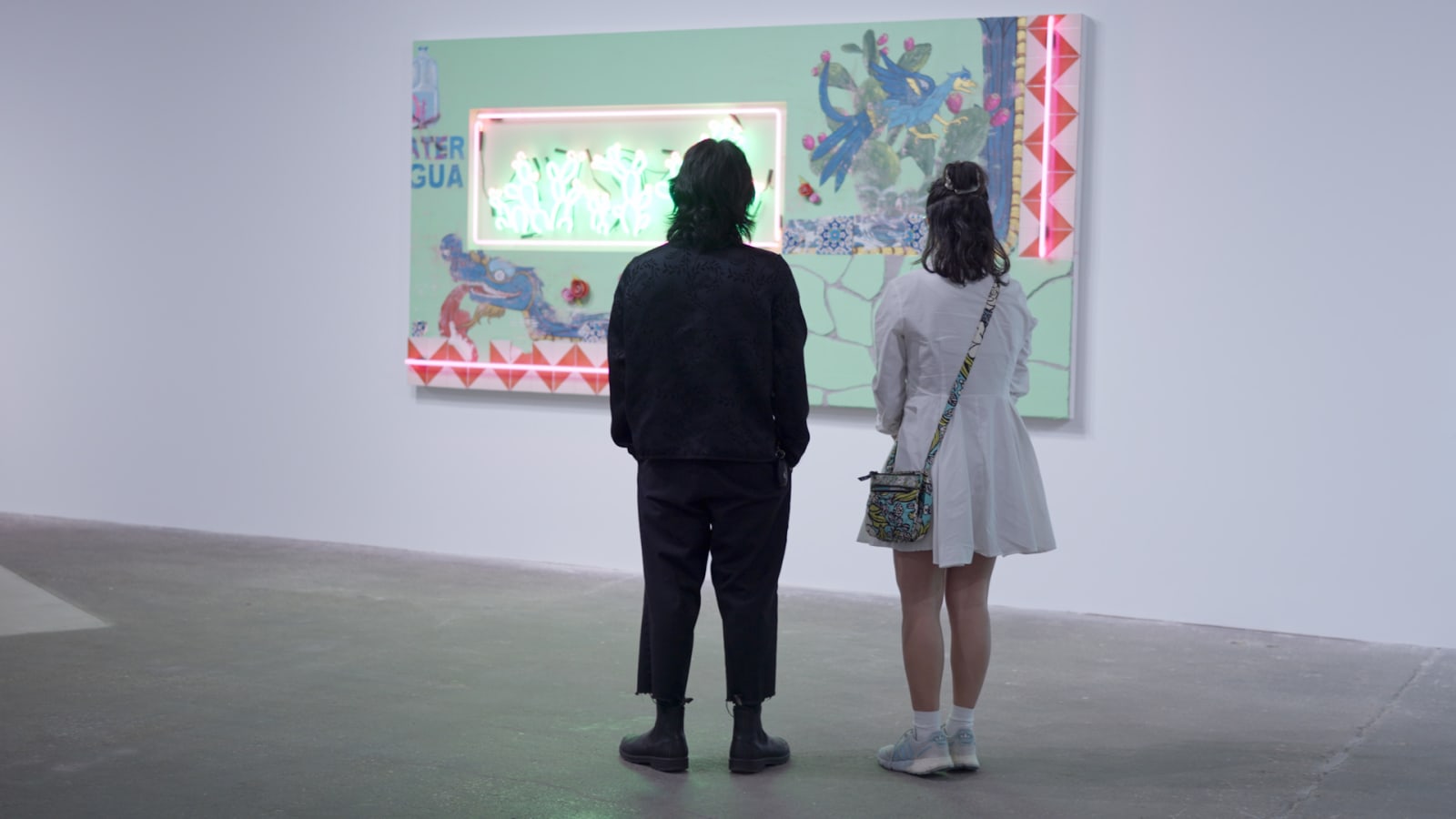
Final use changes how a photographer composes a frame. A press image needs a clear subject and clean context around it. A website banner needs horizontal space for a headline to sit over. Social posts benefit from vertical options and close moments rather than wide room shots. Sponsor reporting may need visible signage and attendance context. An archive tends to value complete room views and correct identifications more than a quick public post ever does.
List the destinations and rank them honestly. Mention press deadlines, next-morning social needs, newsletter dates, sponsor reports, website updates, and any longer-term archive use the images serve. If a small preview is needed quickly, agree on what it should contain before the event, not while everyone is waiting for it. A request for five opening photographs by nine the next morning is clearer than a general hope for some selects as soon as possible.
This is also worth knowing before you hire a photographer for an event at all, not just after booking. Ask for a mix of horizontal and vertical frames when the destinations need both, and name any crop that genuinely matters, such as a wide homepage banner or a vertical speaker portrait for a program page. Naming it in advance means the photographer protects that space around the key scenes while shooting, instead of trying to recreate it in a crop later.
Choose one event contact and send updates without rebuilding the brief
The photographer needs one person who knows the schedule, can identify priority guests, and can confirm a change fast. That should not be the person most likely to be on stage, greeting every arrival at the door, or briefly unreachable in a freight elevator between floors. Choose someone with enough authority to answer quickly and enough availability during the night to actually notice the question come in, even during the busiest twenty minutes of the program.
Share that person's name and mobile number before the event, and introduce them during arrival if possible so the photographer isn't meeting a stranger mid-crisis. Agree that they will flag early speeches, important departures, surprise moments, and location changes as they happen rather than after the fact. A thirty-second text can protect a photograph that no amount of editing will reconstruct afterward, no matter how skilled the eventual edit turns out to be.
Send the working brief once the main structure is stable, then a short update before the event with only what changed. A moved speech, a new priority guest, a shortened program. On the day, tell the photographer about changes before the affected moment, not during it. A message while the toast is already starting is mostly a historical document by the time it lands on their phone, useful for the next event rather than this one.
A simple event photography brief you can copy
A useful event photography brief fits on one page, sent as a document or even a clear email. Include the event name and address, access time, public hours, the current schedule, required moments, priority people, group-photo combinations, room and lighting notes, restrictions, main image uses, delivery priorities, and the lead event contact. Mark each required item clearly rather than letting it blend into the general description of the night around it, since a required shot buried in a paragraph of atmosphere notes reads as optional by the time doors open.
Finish with one sentence about the event's real purpose. It might be documenting an exhibition opening, preserving a community gathering, covering a launch, recording a public program, or giving partners a useful account of the night for a report. That sentence helps a photographer make good decisions once the schedule shifts and several possible photographs appear at the same time, which happens at nearly every event photography booking in NYC sooner or later.
Keep supporting material practical rather than exhaustive. A floor plan, a simple room photograph, the current run of show, and a short priority-person sheet are usually enough on their own. The brief has done its job when the photographer can arrive already knowing what cannot be missed, then stay present enough in the room to notice and find the moments nobody thought to request in writing ahead of time.
Frequently asked questions
What should I tell an event photographer before the event?
Share the current schedule, priority people, key moments, room layout, access limits, lighting changes, group-photo needs, and where the finished images will be used. Name one event contact who can approve a change or identify someone quickly, since that single point of contact usually does more for the final gallery than a long mood board or a stack of loose reference images ever will, especially once the room fills up and the night starts moving on its own schedule.
What goes into an event photography brief?
A one-page brief covers the event address and access time, the working schedule, priority people, moments that cannot be repeated, group-photo combinations, room and lighting notes, restrictions, image uses, delivery timing, and one lead contact. Mark required items clearly so they read at a different weight than the general atmosphere notes sitting around them on the same page, and keep the whole thing short enough to skim in the minutes before doors open.
Do I need a shot list for a gallery opening?
A focused shot list helps for required portraits, sponsors, installations, and any moment that happens once, such as a ribbon cut or an award handoff. Keep it to genuine priorities and let the photographer respond to the room for everything else, rather than prescribing every frame in advance and leaving no room to notice what nobody planned for, which is where a lot of the best gallery coverage actually comes from.
What should I know before I hire a photographer for an event?
Have the schedule, priority people, and intended photo uses roughly worked out before you book, even loosely. A photographer can quote and plan more accurately once they know whether the coverage needs to support press, social, sponsor reporting, or an archive, and whether the room has any real access or lighting limits worth flagging early, before either side has committed to a date or a number.
When should I send the event photography brief before the event?
Send the working brief once the schedule and priorities are stable, then a short final update shortly before the event with only what changed since. If timing shifts on the day itself, tell the photographer before the affected moment happens, not while it is already underway, so the update actually has time to matter instead of arriving late as a note for whatever event comes next.
One night, two openings, no dropped coverage.
We plan clustered opening nights before they turn into a scramble, whether that means a split schedule, a second shooter, or an early enough booking that the calendar never becomes the problem.
Explore event coverage →