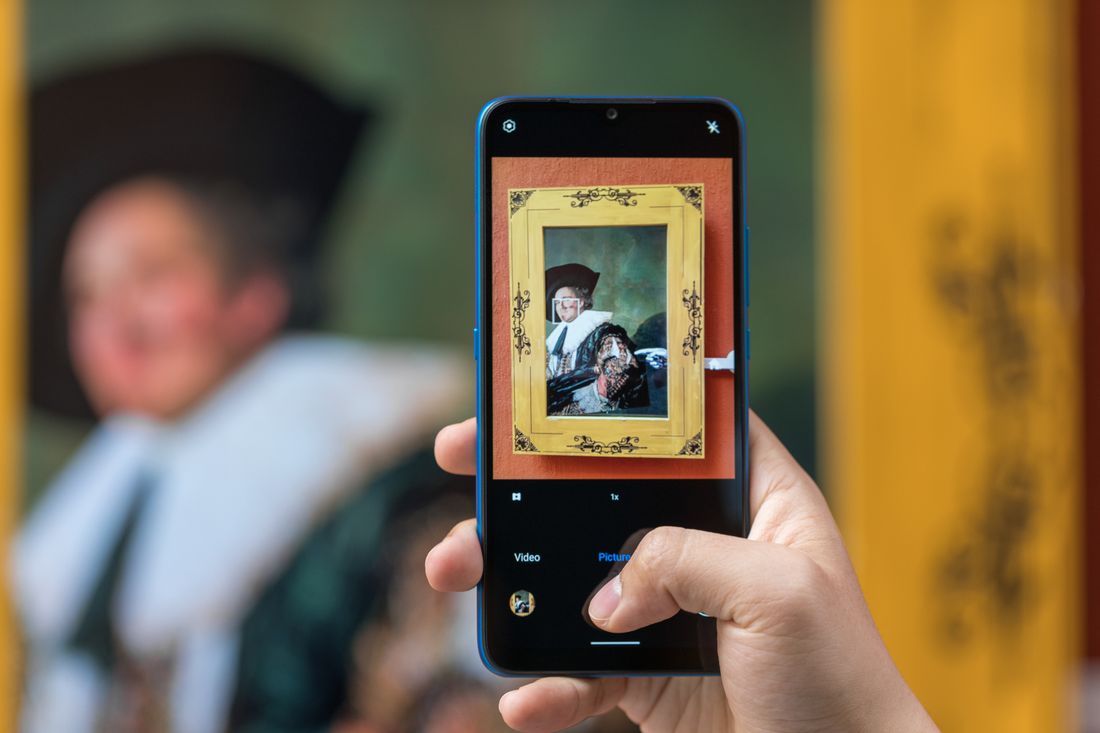
Most galleries and independent artists run one content habit: point the camera at the work, post it, repeat. That habit produces plenty of artwork content and almost no artist content, and the two aren't interchangeable substitutes for each other. One proves the work is worth attention. The other proves there's a person behind it worth following. A feed that only does the first job eventually stalls, not because the work got worse, but because half the content job was never being done.
Artwork content and artist content do different jobs. Artwork content proves the work is good on its own; artist content proves there's a specific person behind it worth following. Treat them as one job and the feed goes flat, because a single photo can't build both credibility and connection at once.
What actually separates artwork content from artist content?
Artwork content is any photo or video where the piece itself is the subject (a canvas, a sculpture, an installation shot). Artist content is any photo or video where the person making the work is the subject (their hands, their studio, their face, their process). The two prove different things to different audiences.
The split isn't about format. A photo, a reel, and a printed catalog page can each fall on either side of the line, and a single studio visit can produce both kinds of content in the same afternoon. What decides the category is what the frame is asking the viewer to evaluate. Point a camera at the painting and the viewer is being asked to judge the painting: composition, color, scale, whether it's any good. Point the same camera at the person who made it and the viewer is being asked to judge something else entirely (whether this is someone worth paying attention to, whether their process is interesting, whether there's a reason to follow along before the next show even exists).
Most galleries and independent artists already produce artwork content without thinking about it, because documenting the work is the obvious job. Artist content usually has to be planned on purpose, because nobody accidentally photographs themselves working. That's the practical reason the two get treated as one job when they aren't.
What does artwork content actually prove to an audience?
Artwork content proves the work holds up as its own object: that the color is accurate, the surface has texture worth noticing, and the piece is strong enough to stand without an explanation. It's the evidence a viewer needs before they'll trust a price, a review, or a recommendation from someone else.
That evidence matters most to people who haven't met the artist yet. A collector scrolling a gallery's feed for the first time, a curator reviewing an open call, a writer deciding whether a show is worth covering. None of them are deciding based on personality yet. They're deciding based on whether the work looks like it was made by someone in control of it. A flat, poorly lit, or badly cropped photo makes strong work look unfinished, and a clean, well-lit one can make modest work look considered.
This is also the content that keeps working after the moment it depicts has passed. A gallery opening ends after one night, but a clear photo of the piece that hung there can still be doing work in an archive, a portfolio, or an application a year later. Artwork content is durable in a way artist content usually isn't, because the object doesn't change even when the context around it does. That durability is exactly why it's tempting to lean on it for everything. It keeps being useful long after it's stopped being new.
What does artist content prove that artwork content can't?
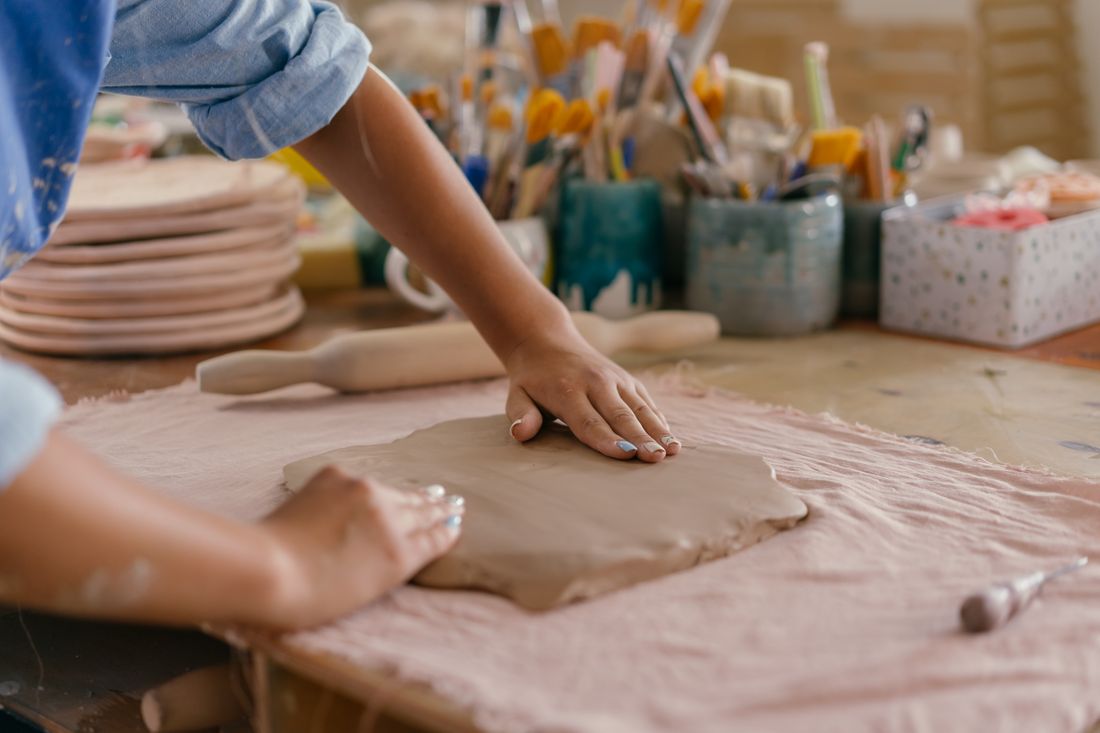
Artist content proves there's a specific, ongoing person behind the work worth following before the next piece exists. It shows process, decisions, and personality (things a viewer can't get from a finished object no matter how well it's photographed), and the reason someone opens the next post instead of scrolling past it.
A finished painting can't show how someone chooses a palette, why a sculpture took three attempts, or what a studio actually looks like at six in the evening on a deadline week. Those details don't make the work better, but they make the person behind it legible, and legibility is what turns a passive viewer into someone who checks back. Galleries already know this instinctively about openings. A well-attended opening isn't really about the art hanging on the wall for the first time, it's about people wanting to be in the room with the person who made it.
The follow-through matters more than the moment. Someone who watches an artist mix paint on an ordinary afternoon is more invested in that artist's next show than someone who has only ever seen finished canvases in a feed. Artist content is what turns an audience that likes the work into an audience actually paying attention to the artist's career, which is a different and more durable kind of attention than a single photo of a single piece can produce.
Why does posting only artwork content make engagement go flat?
Posting only artwork content makes engagement go flat because every post is asking the same question (is this piece good?), and an audience that has already answered yes has no new reason to engage again. Repetition without a new angle reads as inventory, not story.
A feed made entirely of finished pieces, shot the same way against the same wall, starts to function like a catalog rather than an account worth checking on a normal day. Catalogs get consulted when someone needs something specific. They don't get opened out of curiosity, and curiosity is what actually drives regular engagement on a personal or gallery account. The audience that would engage often needs something that changes between posts beyond just which piece happens to be pictured this time.
This is rarely a quality problem. The photography can be excellent and the work can be strong, and the feed can still stall, because the underlying content job never varies. Every post proves the same thing to the same degree, over and over, to people who were already convinced. The fix isn't better photos of the work. Better photos of the same subject still ask the same question. The fix is introducing a second question the audience hasn't already answered: who is doing this, and why should anyone keep watching them do it? A gallery running an artwork-only account will often notice the same small circle of loyal followers liking every post while reach outside that circle never grows (a sign the account has become familiar rather than compelling).
Why does posting only artist content undersell the work itself?
Posting only artist content undersells the work because personality and process aren't a substitute for seeing the actual piece clearly. An audience that likes the person but has never seen a clean, well-lit view of the work has nothing solid to recommend, buy, or take seriously as art.
Process content is compelling precisely because it promises a payoff, and the payoff is the finished piece. Studio footage, hands at work, behind-the-scenes moments. All of it builds toward the moment a viewer finally sees what came out of the effort. Skip that payoff, or show it only in passing inside a reel about something else, and the story never resolves. The audience stays interested in the artist without ever becoming confident about the art itself.
This version of the imbalance is less common than the artwork-only version, mostly because documenting the work is the easier habit to skip when someone is camera-shy or short on time. But it shows up with artists who've built a following around their personality rather than their work, and it eventually creates a strange gap: plenty of people who enjoy watching someone paint, and far fewer who could describe a specific painting or say what makes it worth owning. A studio series that never lingers on the finished piece leaves even engaged followers unable to say what the work actually looks like once it's done, only how it came together. Both content types need to close their own loop, not lean on the other to finish it.
What's different about planning a shoot for artwork versus for the artist?
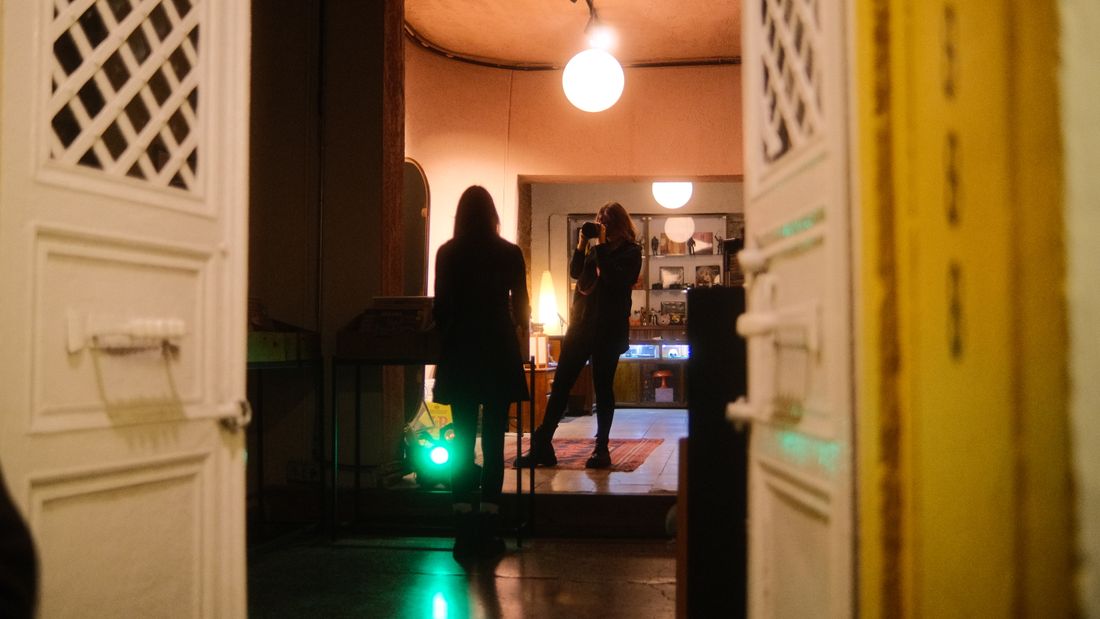
Artwork shoots plan around the object: even lighting, accurate color, a clean or neutral background, and enough distance and detail shots to show the whole piece and its surface. Artist shoots plan around a person and a moment: natural light that flatters rather than documents, a real setting instead of a controlled one, and room for something unscripted to happen.
Lighting that makes a painting read accurately is often the same flat, even lighting that makes a portrait look clinical. Lighting that makes a person look warm and real can throw off the color accuracy a piece needs to be judged fairly. Trying to get both from the same setup usually means one job gets done at the expense of the other, which is part of why a single, rushed session at an opening tends to produce serviceable installation shots and forgettable portraits rather than two strong sets of content.
Treating them as separate shoots, even short ones, tends to produce better results in both directions. A dedicated few minutes photographing the work properly, and a separate stretch of time just observing the artist in the space, cost little extra time on a shoot day that's already happening, but they produce two usable content types instead of one compromised one. The planning difference is small in practice. The difference in what comes out the other end is not.
What's the most common mistake galleries and artists make with this?
The most common mistake is defaulting to the same flat photo of the artwork every time there's something to post, then treating flat engagement as a sign the work itself isn't landing. The actual issue is usually that one content job has been asked to do both jobs at once, indefinitely.
It's an understandable habit. The artwork is already there, already lit reasonably well from an opening or a studio session, and photographing it again feels like the safe, low-effort choice compared to setting up a moment with the artist. Over weeks and months, that safe choice becomes the only choice, and the feed starts to look like a slow-moving inventory of pieces rather than an account anyone would check without a specific reason. This shows up most clearly at galleries managing several artists at once, where the fastest way to post something today is almost always another shot of whatever's already hanging.
The realization that fixes this is usually simple once it's named: engagement didn't go flat because the work got worse or the photography got sloppy. It went flat because the audience has been asked the same question repeatedly and has already answered it. Recognizing artwork content and artist content as two separate jobs, rather than one job with two names, is what breaks the pattern, not a better photo of the same painting, but a different kind of photo entirely, of a different subject.
How do you decide which type of content a specific moment calls for?
Ask what the moment actually reveals. If a piece just got finished, framed, or hung and it's ready to be seen clearly, that's artwork content. If something is happening (a decision being made, a mistake being fixed, a conversation in the studio), that's artist content, because the moment itself is the subject, not an object sitting still for a photo.
Some moments genuinely offer both, and it's worth treating them as two separate captures rather than compromising on one shot that half-does each job. A finished piece leaning against a studio wall can be photographed cleanly on its own, and then again from a step back with the artist standing near it, considering it. Those are two different pieces of content from the same five minutes, not one photo trying to be both at once, and neither capture takes more than a couple of extra minutes on a day already set aside for the work.
The simplest working rule: default to artwork content when the goal is proving the piece is good, and default to artist content when the goal is proving there's someone worth following before the next piece exists. A feed that alternates between the two, rather than leaning permanently on one, ends up doing the fuller job either type does on its own, showing the work is real, and showing there's a real person behind it, instead of asking one photo to carry both.
Frequently asked questions
Is artwork content or artist content more important for a gallery's social feed?
Neither is more important on its own. They answer different questions. Artwork content proves the work is worth attention, which matters most to people who haven't met the artist yet. Artist content proves there's a person worth following, which matters most for building an audience that returns. A gallery feed that leans entirely on one usually plateaus, since the audience needs both questions answered, not just one answered repeatedly.
Can one photo or video work as both artwork content and artist content?
Occasionally, but usually not well. A single shot can include both the piece and the artist, but it tends to compromise the lighting and framing each one needs individually (flat, accurate lighting for the work versus warmer, more natural lighting for the person). Treating them as two separate captures from the same moment, even a quick second shot, almost always produces two usable pieces of content instead of one that half-works for either job.
Do individual artists need artist content if they're not doing press or teaching?
Yes, though the need is smaller than for a gallery representing many artists. Anyone building an audience beyond people who already know their work benefits from showing there's a real, ongoing person behind the pieces, since that's what turns a one-time viewer into someone who checks back before the next show. It doesn't need to be frequent or polished. A little process content goes further than most artists expect.
How much artist content is too much before it stops feeling like the work?
There's no fixed ratio, but a useful check is whether a follower could describe a specific piece after following an account for a few months. If the answer is no, and everything they remember is about the person rather than any single piece, artist content has crowded out the job artwork content is supposed to do. The two should build on each other, not replace one another entirely.
What's the simplest way to start adding artist content if a gallery has only ever posted the work?
Start with whatever's already happening rather than staging something new. A studio visit, an install day, or a quiet moment before an opening all produce artist content without requiring extra scheduling or a bigger crew. The goal isn't a polished behind-the-scenes series right away. It's introducing a second kind of post so the feed stops asking the same question about the work every single time it publishes.
The weeks between openings need content too.
We help galleries fill the quiet stretches with real material, pulled from the archive, planned ahead, and honest about what's actually happening that month.
Explore monthly media →