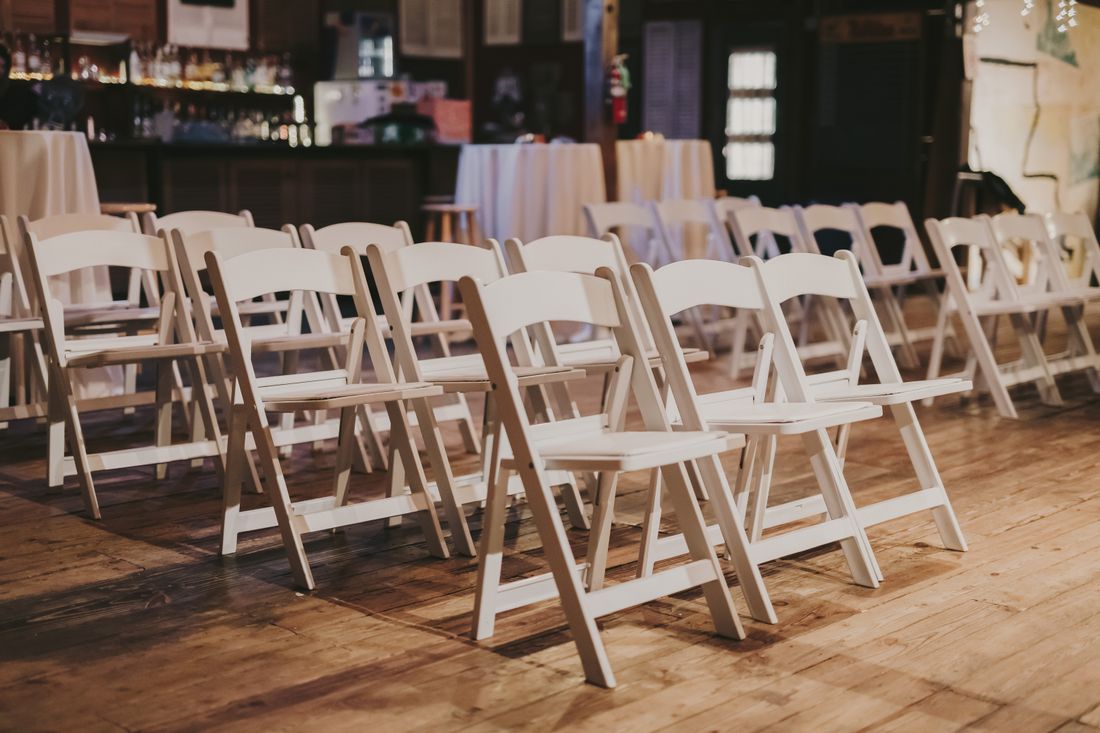
An outside event planner and a gallery director can hire the same photographer for the same night and walk away needing almost entirely different pictures. The gallery wants the art, the artist, and the collectors. The planner wants proof the evening they designed and sold to their own client actually happened the way it was promised, plus a set of frames that can sell the next job. That difference has to be settled before the night starts, not sorted out afterward from whatever got captured.
When an event planner hires the coverage instead of a gallery, the shot list shifts toward proof: the room fully set and empty before doors, the specific details the planner sourced, arrival and peak-density frames as turnout evidence, and delivery fast enough to land before the client debrief. Who approves and publishes the files, and who the photographer takes direction from on site, both need to be settled before the event.
What does an event planner need from art event coverage that a gallery director doesn't ask for?
An event planner needs coverage built for two audiences a gallery director never answers to: their own client, who wants proof the evening ran as promised, and their own portfolio, which sells the next booking. That shifts the list toward the empty room, the sourced details, and turnout evidence, delivered fast enough to matter.
A gallery director hires a photographer to document the show. The art on the wall is the subject, the artist is the story, and the collectors in the room are the proof that the work found an audience. Everything else, the flowers, the seating, the bar, is scenery around that subject. A planner is looking at the same room and seeing something completely different. The seating plan is a decision they made and defended. The bar placement solved a flow problem they anticipated weeks earlier. The sightline the caterer complained about is the one they fought to keep. None of that shows up on a gallery's shot list, because none of it is the reason the gallery hired anyone.
The practical effect is that a planner's list reads almost like a portfolio brief crossed with an incident report. It has to show the space as designed, prove the turnout, and document the choices that were theirs to make, all inside a night where the art itself is not the point of the exercise for this particular client relationship.
How does a planner's shot list actually differ from a gallery's shot list?
A gallery's shot list centers on the art, the artist, and the collectors, built to feed an archive. A planner's shot list centers on the room as designed, the sourced details, and the crowd as turnout proof, built to feed a client debrief and their own portfolio. The two lists rarely overlap by more than half.
A gallery director asks for wall shots that read cleanly for future reference, a few strong frames of the artist in conversation, and enough collector coverage to show the work found an audience. None of that requires an empty room before doors, because the gallery's archive begins the moment the first guest walks in. A planner asks for exactly the opposite starting point: the room before anyone touches it, because that is the only frame that proves the design existed as specified, not as it looked after two hundred people moved through it.
The middle of the night also gets covered differently. A gallery wants the artist's expression and the collector's attention. A planner wants the flow working, the bar not backing up, the seating doing what it was built to do. Neither list is more thorough than the other. They are simply built to answer different questions for different people who are paying for different outcomes from the same two hours. A photographer working from only one list, out of habit, will come home with a strong set of frames that answers nobody's actual question that night.
Why does an event planner need the room shot fully set and empty before doors open?
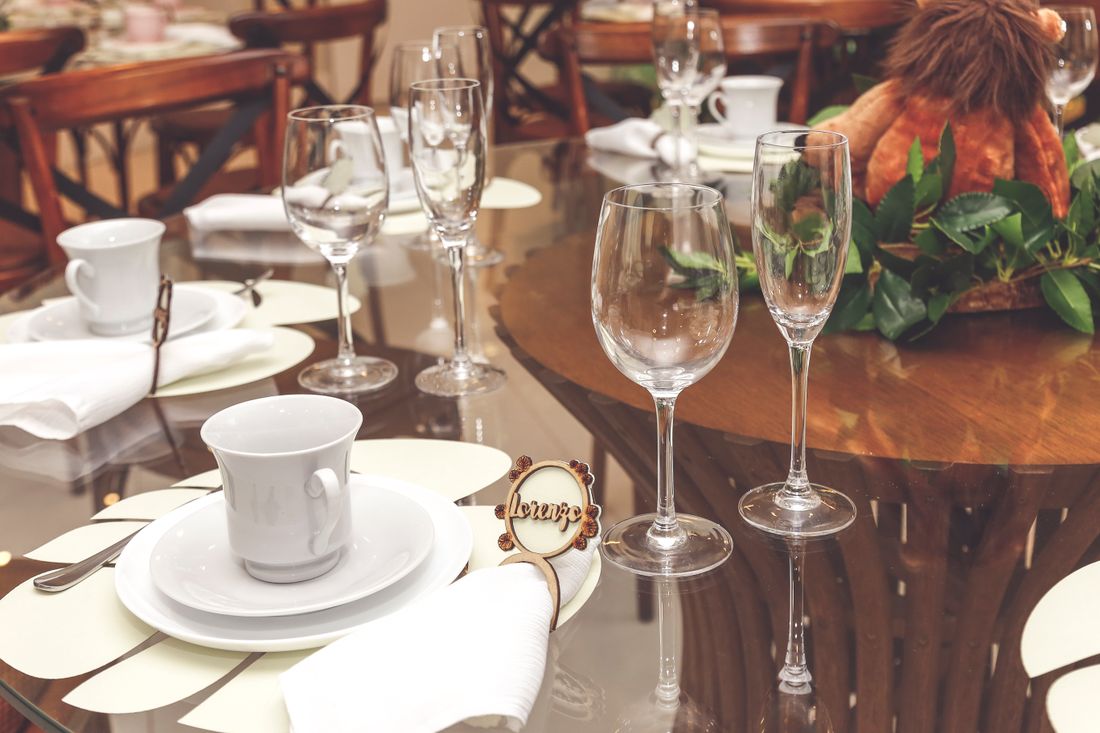
A planner needs the room shot fully set and empty before doors open because it is the only frame that proves the design existed exactly as specified, before a few hundred guests rearranged it. That frame becomes the reference image for the next pitch, the one that shows a prospective client what the planner actually built.
A gallery director rarely asks for this shot, because a gallery's story starts once the doors open and the art has an audience in front of it. A planner's story starts earlier than that. The empty room is the moment the seating chart, the flow, the bar position, and the tabletop styling are all still exactly where they were placed, with even light and nothing blocking the sightlines. Wait even ten minutes into the reception and half of that is already gone, replaced by coats, drinks, and bodies standing in front of the detail that took the longest to source.
This shot also does double duty as the wide establishing frame a planner needs for their own portfolio: the room read as a designed space rather than a party in progress. It has to be requested and scheduled on purpose, usually in the ten or fifteen minutes after setup finishes and before the first guest arrives, because that window closes fast and does not come back once the night is underway.
What details does a planner need documented that a gallery never asks for?
A planner needs the specific details they sourced documented on their own: the seating arrangement, the bar placement that solved a flow problem, the tabletop styling, and the sightline they fought to protect. Each one represents a decision defended to a client or a venue, and each needs its own frame.
A gallery director looking at the same room sees furniture. A planner sees the outcome of a dozen small negotiations that happened over weeks: a vendor who wanted the bar somewhere more convenient for staff, a venue that pushed back on the seating layout, a caterer who wanted the sightline blocked by a service station. None of that history is visible in the room itself, but the planner remembers all of it, and the photographs are the only record that the decisions held up on the night.
This is why a planner's brief often reads like a punch list rather than a mood board: table six from the angle that shows the runner pattern, the bar from the side that shows the spacing they insisted on, the sightline from the seat that mattered most. A photographer working from a general instruction to cover the room will miss most of this, not from carelessness, but because none of it announces itself as important without being told. Naming each detail in advance, rather than trusting a photographer to notice it on sight, is the difference between a shot list that protects the planner's work and one that only happens to include it by accident.
Why do arrival shots and peak-density moments matter more to a planner than to a gallery?
Arrival and peak-density shots matter more to a planner because they answer the client's real anxiety, whether people actually showed up. A wide establishing frame that reads as a designed space, paired with the room at its fullest, becomes the evidence a planner shows a client who was not standing in the room to see it happen.
A gallery director already knows whether the opening drew a crowd, because they were there, and their coverage priority sits with who specifically attended rather than how many. A planner's client is usually elsewhere entirely, waiting for a report the next morning, and a description of a good turnout is worth far less to them than a photograph of one. Arrival coverage shows guests still arriving in numbers, and a peak-density frame from a raised or wide angle shows the room genuinely full rather than comfortably attended.
Neither shot needs to be dramatic. A clear, well-lit wide frame of a full room does more for a planner's next pitch than a dozen tight, emotional portraits of individual guests. This is also where the wide establishing shot from before doors earns its second use, as a before-and-after pair that shows the designed room and then the same room doing exactly what it was built to do. A gallery director rarely asks for this pairing, because the collectors already know the room filled up. The planner's client usually does not, and the pair of frames settles the question without a single word of explanation needed.
Who approves the files, and who can actually publish them?
Approval and publishing rights need a named owner before the event, because a planner's portfolio use, a gallery's archive use, and the end client's marketing use are three separate permissions that do not default to the same person. Settling who signs off and who can post first prevents a fast, avoidable disagreement after delivery.
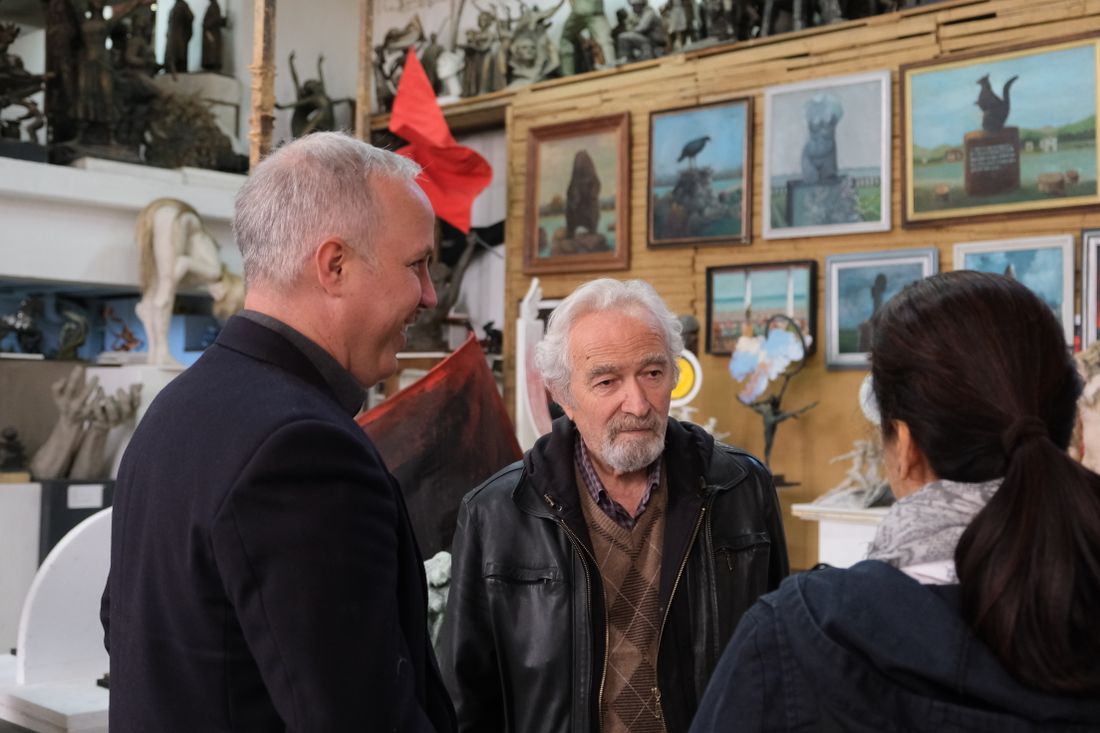
In a straightforward gallery booking, the gallery typically owns approval and publishing because the gallery hired the photographer directly. Add a planner or a production company into that same room, hired by a third party, an artist, or the gallery itself, and the question of who gets to post what gets genuinely unclear. Can the planner use the wide room shot in their own portfolio right away? Does the end client need to approve anything before the planner posts it? Does the gallery expect first use of anything involving the artwork or the artist?
None of these questions have a universal answer, and none of them are legal advice, just documented practice. What matters is deciding them before the night, in writing, with whoever is paying for the coverage. A planner who assumes portfolio rights and a gallery that assumes archive exclusivity can both be reasonable and still end up in a disagreement that a five-minute conversation beforehand would have prevented entirely. The photographer is rarely the one who should be settling this on the fly, mid-event, between two people who each assumed the answer was obvious and assumed it differently from each other.
Who does the photographer take direction from when the planner and the gallery are both in the room?
The photographer takes direction from whoever hired them for that specific brief, decided in advance, because a planner and a gallery director can each hold reasonable but conflicting instructions in the same room at the same time. Without a stated chain of command, a photographer ends up guessing mid-event, which is the worst possible moment to guess.
This comes up most often when a planner is hired by the gallery itself, or by an outside client putting on an event inside a gallery's space. The gallery director might want more coverage of a particular collector circling a specific piece. The planner might be waving toward the bar, worried about a line building at exactly the wrong sightline. Both requests can be legitimate, and a photographer without a clear answer about whose direction takes priority will end up serving neither person especially well.
The fix is simple and has to happen before the event, not during it: agree in advance who the photographer's point of contact is on site, and what happens if the gallery and the planner want different things in the same moment. Most of the time this resolves itself once it's named, because both parties usually just want to know someone made the call rather than insisting it be them specifically. Naming one point of contact also protects the photographer, who otherwise absorbs the friction of two clients pulling in different directions without ever having agreed to referee that disagreement in the first place.
How does the pre-event brief and delivery timeline change when a planner is the client?
The pre-event brief changes because a planner arrives with a design already built, needing it documented and delivered fast, while a gallery arrives needing the art and the evening's energy circulated later, on a slower timeline. That mismatch is real: a fast set often has to land while the planner's own debrief call is still on the calendar.
A gallery's brief usually covers the art, the artist, and who among the collectors matters most to photograph, with delivery expected on a schedule that suits an archive rather than a deadline. A planner's brief adds the shot list covered earlier, seating, flow, bar, sightline, plus a delivery expectation shaped by their own client relationship. If the planner is presenting a wrap-up to their client the next morning, the photographer needs to know that before the event, not when the planner calls asking where the files are.
This is a separate question from how fast any event photos should be delivered in general. It is specifically about a planner's client-facing deadline sitting inside their production timeline, and it needs to be part of the brief itself: not just what to shoot, but by when, and in what order, so the frames a debrief actually needs are ready first. A gallery is rarely working against a same-week deadline of someone else's making, which is exactly why this part of the brief so often gets skipped when the buyer is gallery staff instead of a planner.
Frequently asked questions
Who hires the photographer when both a gallery and an event planner are involved?
It depends on who initiated the booking and who is paying for the coverage, and that should be settled before the event rather than assumed. A planner hired by an outside client, a planner hired by the gallery, and a gallery hiring directly are three different arrangements with three different approval chains. Naming the point of contact and the paying party in advance prevents confusion about direction, delivery, and file ownership once the event is underway.
Does a planner need different photos than a gallery for the same event?
Yes. A gallery wants the art, the artist, and the collectors, built for an archive. A planner wants the empty set room, the sourced details like seating and bar placement, and turnout evidence like arrival and peak-density shots, built for a client debrief and their own portfolio. The two lists overlap only partly, so it helps to say which buyer's list is the priority before the shoot begins.
Who owns the right to publish photos when a planner books the shoot?
That depends on what was agreed before the event, not on who happened to hire the photographer. A planner's portfolio use, a gallery's archive use, and an end client's marketing use are three separate permissions worth naming individually in advance. This is a documentation and communication question, not a legal one, and settling it before the event is far easier than resolving a disagreement after delivery.
Why does a planner need the room shot before guests arrive?
Because that is the only window where the seating, the bar placement, and the tabletop styling look exactly as specified, before guests fill the space and rearrange it. That frame also serves as the wide establishing shot a planner needs for their own portfolio, proving the room read as a designed space rather than a party already in progress. Once doors open, that specific frame is gone for the rest of the night.
How fast does a planner usually need photos delivered compared to a gallery?
Faster, in most cases, because a planner often has a client debrief scheduled soon after the event and needs proof ready before that conversation happens. A gallery's timeline is usually more relaxed, since the coverage feeds an archive rather than a deadline someone else set. This deadline should be named as part of the pre-event brief, not raised as a surprise request the morning after the event.
Got overlapping openings already on the calendar?
We work out the coverage plan well before the night gets close, whether that's two shooters, a tight schedule, or simply booking early enough to avoid the conflict entirely.
Explore event coverage →