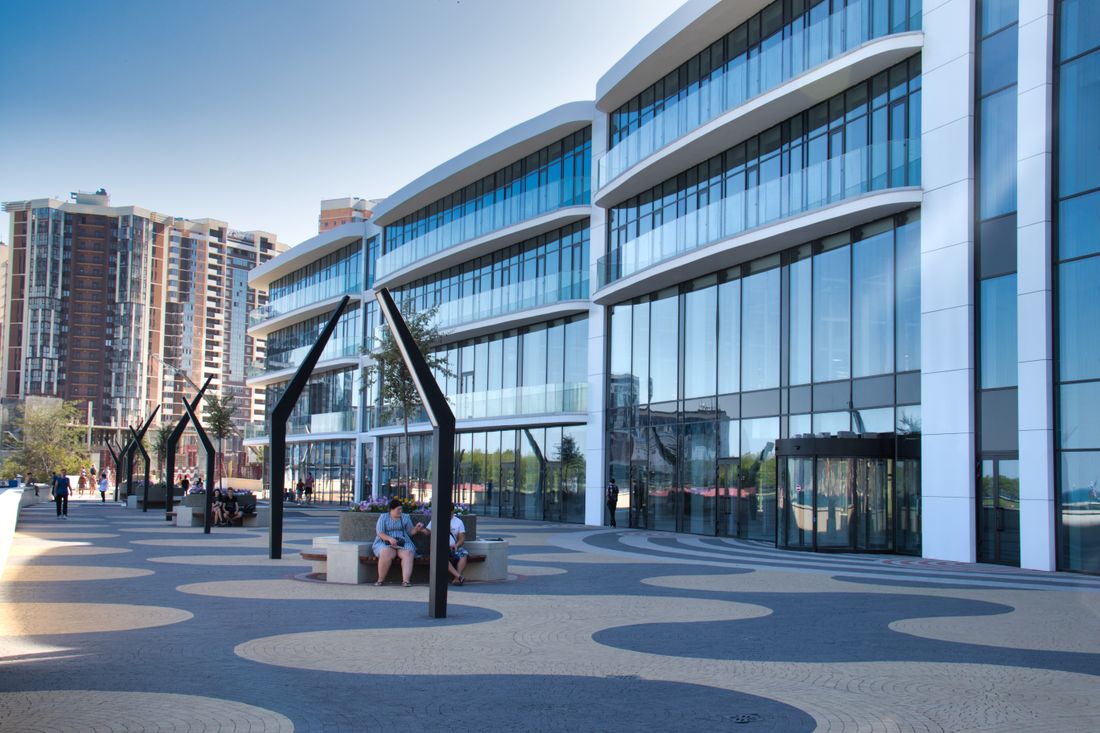
A real estate developer unveiling public art at a new building is not staging a civic dedication. It's running a private, opening-day marketing event that happens to include a sculpture or installation, built to prove the building is finished, occupied-ready, and worth its asking price. The building's own marketing team wants that story told through the art, not around it. Getting the coverage right starts with treating the ceremony as an amenity launch from the first frame, not adapting a shot list built for a city's public dedication.
Documenting a developer's public art unveiling means treating it as a private, opening-day marketing event: photograph the art as part of the finished building rather than on its own, keep ceremonial markers like ribbons and podiums out of frame, and deliver separate sets for marketing reuse, the people involved, and the artwork's own documentation record.
What Makes a Developer's Public Art Unveiling Different From a Civic Dedication?
A developer's public art unveiling is documented as a private opening-day marketing event, not a civic ceremony: the goal is proof that the building is finished, occupied-ready, and worth the price per square foot, with the artwork shown as one more built-in amenity rather than the center of a public dedication. That distinction shapes every choice on the shoot, from who stands where to which frames get used later.
A city or community dedication belongs to the neighborhood and the artist. The remarks are about public access, the piece's meaning, and who paid for it to exist. A developer's unveiling belongs to the building. The remarks, the framing, and the photo set are all in service of a leasing or sales story: this is a finished address, this is what living or working here looks like, and the art is part of what the price includes.
In practice, that means the artwork rarely gets photographed as a freestanding subject the way a museum or a city arts program would document it. It gets photographed as part of the lobby, the plaza, or the amenity floor, doing the same job the furniture and the finishes are doing: making the space read as considered and complete. Losing sight of that distinction is the fastest way to end up with a photo set that reads like a press release for the artist instead of the building it was actually meant to sell, which is a difficult set to reuse later.
Why Does the Art Need to Be Photographed as Part of the Building, Not on Its Own?
The art needs to be photographed as part of the building because that is the actual selling point: not the sculpture or installation by itself, but proof that the building includes a considered, finished amenity space that happens to include public art. A photo of the piece alone answers a different question than the one leasing and sales teams are actually asking of the shoot.
An artist's own portfolio wants a clean, isolated shot of the work: even light, no distracting foreground, nothing in frame but the piece. A developer's marketing set wants the opposite context. It wants the plaza, the entrance, the glass, and the art together, in frames that could sit next to a floor plan or a unit rendering without feeling like a different project entirely. Pedestrians moving through the space, daylight on the facade, and the art in the middle distance usually serve the building's story better than a tight, isolated crop ever could.
This is a planning decision, not a framing accident. It usually means shooting the art from angles that keep the building's own architecture, its glass, its stone, its entrance sequence, visibly present in the same frame, and treating the art as one element in a wider shot list rather than a separate documentation task squeezed in around the event. Wide exterior frames earn their place here precisely because they carry both stories, the building's and the art's, at once, in a way a tight art crop cannot.
What Does the Building's Marketing Team Actually Need From the Photos?
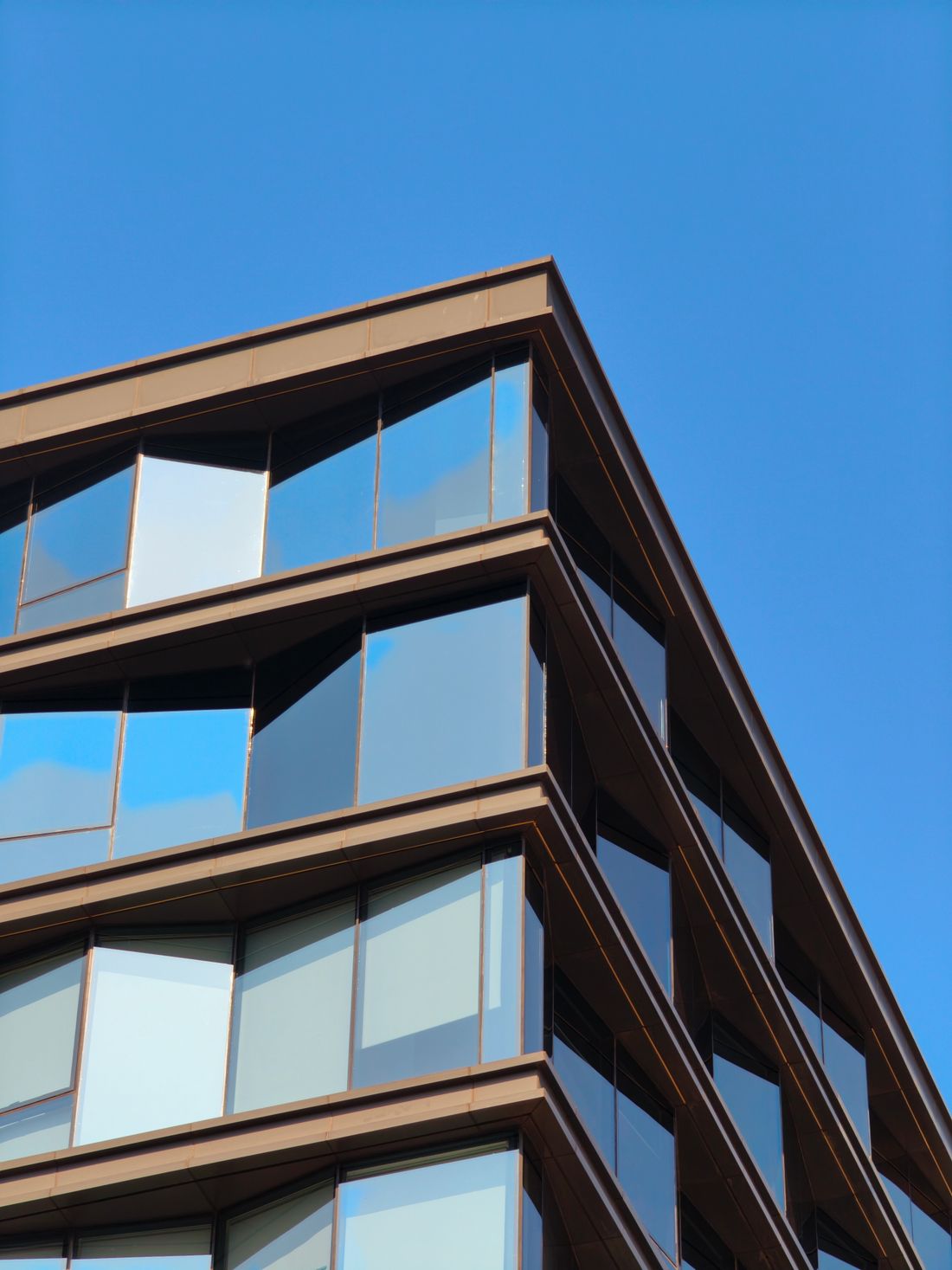
The marketing team generally needs a flexible set built for reuse across brochures, listing pages, press outreach, and social, not a single hero shot: horizontal frames that work as headers, vertical frames that work in a phone-first feed, and a few clean, quiet frames with room around the subject for text or a logo to sit on top later on. The set has to outlast the night it was shot on.
A gallery or a city arts program is usually building toward one strong image and a short caption. A developer's leasing team is building toward a dozen different uses over many months: a broker deck, a landing page, a listing photo, a local press pitch, an investor update. The same event has to feed all of it, which means the shoot has to think ahead to formats the photographer will never actually see used, not just the frame that looks best on the night itself.
In practice, this usually means shooting a deliberate mix rather than chasing one perfect image: wide establishing shots of the plaza or lobby with the art present, tighter architectural details that can run without any people in them at all, and a few candid frames of people actually using the space. Handing over a set that already anticipates these different uses saves the marketing team from going back to ask for a re-shoot once the first brochure layout is already underway and the crowd has long since dispersed.
How Should the Developer, Architect, and Artist Be Framed Together in the Same Shots?
The developer, architect, and artist are generally framed together as a small group around the piece, in a handful of deliberate frames, rather than left to cluster informally: a developer's unveiling usually wants proof that the right people showed up and stood behind the project, without turning the whole set into a lineup of individual portraits nobody asked for. A few well-chosen group frames do that job better than dozens of loose candids.
A civic dedication often centers the artist and a public official, since the story being told is about public investment and community access. A developer's opening-day event usually centers the building itself, with the developer's team, the architect, and the artist appearing as evidence that the project came together as planned, credentialed professionals standing behind a finished address rather than the sole subject of the story being told to the room.
A short, planned sequence works better here than hoping for a natural moment to appear on its own: a few frames of the group near the art, a few of the developer or project lead speaking briefly if remarks happen, and candid frames of the same people afterward, mixing with other guests around the space. Confirming in advance who from each side needs to be included avoids the awkward gap of realizing afterward that the architect or the artist never actually appears in a usable frame, since neither one is likely to be available for a reshoot.
What Should Be Left Out of Frame to Keep the Read as an Amenity, Not a Ceremony?
Keeping the read as an amenity launch generally means leaving out the visual markers of a civic ceremony: no ribbon, no podium with a city seal, no plaque-unveiling gesture, and no framing that makes the moment look like it belongs to the public rather than to the building itself. Those cues read as civic dedication the instant they appear in a frame, regardless of the caption underneath it or the intent behind it.
A city dedication leans into those markers on purpose, because the ceremony itself is the story being told that day. A developer's opening-day event usually wants the opposite impression: a finished, lived-in space where art happens to be present, the way a lobby happens to have good lighting or a well-chosen rug near the entrance. A ribbon or a formal unveiling gesture in the background of an otherwise casual leasing photo undercuts that impression even when nobody involved meant it to.
In practice, this usually means briefing the photographer on what to frame out as carefully as what to frame in: keeping temporary event signage, stanchions, and any ceremonial staging out of the wider marketing shots, and reserving those elements, if they're wanted at all, for a small separate set the internal or press team can use if a dedication-style photo is ever needed for a different purpose down the line. That one-line brief is easier to give before the event than to explain afterward.

How Does Timing the Shoot Around Leasing Season Change the Plan?
Timing the shoot around leasing season usually means the unveiling date gets chosen to serve the marketing calendar first and the art installation second: a developer generally wants finished photos in hand before a leasing push, a broker event, or a press cycle, which puts pressure on turnaround in a way a museum or a city dedication rarely has to plan around at all. That pressure belongs in the planning conversation, not a surprise afterward.
A civic dedication can happen whenever the artist, the city, and the community calendar line up, since there's no leasing deadline attached to any of it. A building opening usually has one built in from the start. If units or space go on the market shortly after the unveiling, the photos from that single event may be the only building-with-art imagery available until a future shoot, which raises the stakes on getting a usable set the first time around rather than planning to fix it later.
In practice, this usually means agreeing on turnaround before the event, not after: which images the marketing team needs within days rather than weeks, whether a quick edited selection goes out before the full set, and whether the shoot needs to happen slightly before public unveiling day so finished photos are already in hand when leasing materials go out the door. Building that sequence backward from the leasing deadline keeps the shoot itself from becoming the bottleneck.
What Documentation Does the Public Art Itself Still Need, Separate From Marketing?
The public art itself still needs an accurate, corrected documentation set, separate from the marketing photos, because the artist, the building's records, or a future insurance or provenance need will eventually want true color, clean framing, and enough resolution to hold up beyond a brochure or a social post. That need doesn't disappear just because the event happens to be developer-led rather than civic, and it is easy to overlook in the rush of a marketing-first shot list.
A marketing photo of the art in context, with pedestrians and architecture in frame, is doing a different job than a documentation image of the art on its own. Marketing wants atmosphere and a sense of place. Documentation wants an accurate visual record that could stand up years later if the piece needs conservation work, moves to a different location within the building, or has to be reference-checked against its original installed condition at handover.
In practice, this usually means carving out a short, quiet window, before the crowd arrives or after most guests have left, for a handful of clean, corrected frames of the piece alone. Treating that window as its own small task, distinct from the marketing shot list and scheduled with the same care, is what keeps a developer's opening-day event from accidentally leaving the artwork itself without any real documentation at all once the night is over and the crowd has gone home. It is a short addition to the schedule, not a second shoot.
What Deliverable Set Should a Developer Actually Expect After the Event?
A developer should generally expect a small number of separated sets rather than one long, undifferentiated gallery: a marketing-ready set of the building and art together, a short documentation set of the art alone, and a smaller candid set of people using the space, each labeled clearly enough that the marketing team isn't sorting through everything to find the handful of images it actually needs for the next deadline on the calendar.
Handed one flat folder, a marketing team usually has to do the sorting work itself, guessing which frames were meant for a brochure header versus a social caption versus an internal record nobody else will see. Naming the sets in advance, and agreeing on rough delivery counts for each, turns that guessing game into a straightforward handoff on the day the files actually arrive rather than a second round of back-and-forth.
In practice, this usually means confirming three things before the event: how many finished images the marketing set should realistically include, whether a same-day or next-day preview selection is needed ahead of the full edit, and who receives the separate documentation set for the art itself. Settling this ahead of time, rather than after the files are already shot, is what makes a single opening-day event genuinely useful to both the leasing team and the building's own long-term record of what it opened with, not just a folder nobody quite knows how to use.
Frequently asked questions
How is documenting a developer's public art unveiling different from covering a city arts dedication?
A developer's unveiling is treated as a private opening-day marketing event, not a public ceremony: the shot list favors the building, the leasing story, and the art as an amenity, over the ribbon, the podium, and the public-access framing a city dedication generally wants front and center. The photos are meant to sell the address, not commemorate a civic gift, and every choice on set follows from that.
Should the art be photographed by itself or always with the building in frame?
Most of the marketing set works better with the building visibly present, since the point is proving the art is part of a finished, considered space rather than a standalone piece. A separate, smaller set of clean, corrected frames of the art alone is still worth scheduling, since the artist and the building's own records eventually want an accurate image of the piece without any surrounding context.
Who typically needs to appear in photos from the unveiling besides the artwork?
Developers usually want a small, deliberate set of the developer's team, the architect, and the artist together, plus a few candid frames of guests using the space naturally afterward. Confirming who from each side needs to be included beforehand avoids discovering afterward that a key person, often the architect or the artist, never actually appears in a usable frame from the event, and neither one is likely to be available for a reshoot.
What should be kept out of the photos so the event doesn't look like a civic dedication?
Ribbons, podiums with a city seal, plaque-unveiling gestures, and temporary event staging generally get framed out of the main marketing shots, since those elements read as public dedication regardless of who actually hosted the event or what the caption underneath eventually says. If those frames are wanted for a different purpose, they usually belong in a small separate set rather than the building's primary marketing photos and brochure material.
How far ahead of a leasing push should this kind of shoot be planned?
Enough lead time to have a finished, edited set in hand before the leasing push, broker event, or press outreach actually needs it, which usually means agreeing on turnaround before the event rather than after. If the unveiling is the only chance to capture the building with the art in place, treating turnaround as part of the planning conversation matters as much as the shot list itself.
Two openings on the same night doesn't have to mean a scramble.
We plan around clustered opening nights ahead of time, a split schedule, a second shooter, or booking early enough that the calendar stops being the risk.
Explore event coverage →