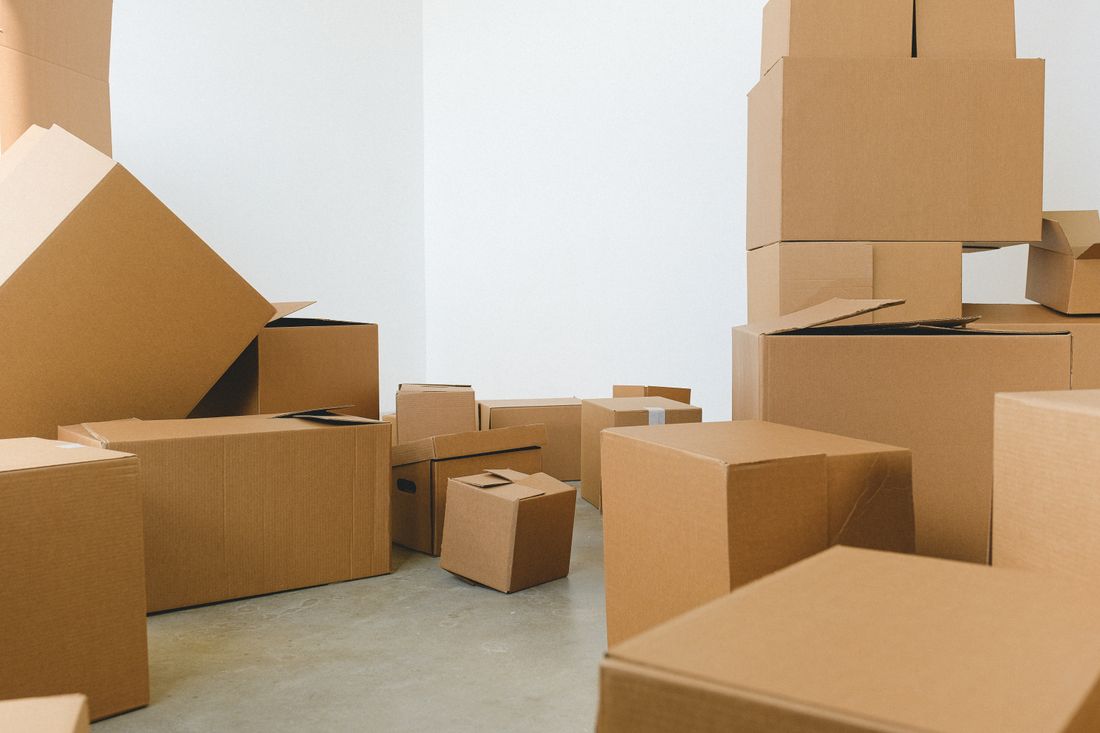
A studio has a shape while it still exists: light falling a certain way at a certain hour, tools arranged from years of habit, work leaning in the order it got made. Once the walls come down, only the photographs remember any of that. A studio move actually asks for two separate documentation jobs, easily confused as one: an accurate, archival record of the work itself, built to survive scrutiny later, and a quieter, more personal record of the room, built for memory and whatever the studio becomes next.
A studio move needs two kinds of documentation: accurate, archival photos of each piece before it's wrapped, and a separate, unhurried record of the room itself, since that context disappears the moment the walls come down. Sequence the room shoot early, before packing starts, and shoot condition photos as each piece gets pulled for wrapping.
Why does a studio move need two different kinds of documentation?
A studio move needs two different documentation jobs, not one: an accurate record of the work itself, built for insurance and provenance, and a separate, more personal record of the room the work was made in, built for memory and future website material. Treating them as the same job usually means neither gets done well.
The first job is closer to archival photography than portraiture. Every piece that's leaving needs a clean, accurate, well-lit image before it gets wrapped: true color, square-on framing, and enough resolution that a condition question or a future buyer never has to guess what the surface actually looked like. This is the documentation that protects the work, not the memory of the studio.
The second job is closer to a portrait sitting, except the subject is the room. It's the light falling across the floor at a certain hour, the paint-spattered corner nobody bothered to clean, the wall where finished work leaned before it shipped. None of that has archival value in the insurance sense. It has a different kind of value: it's the only proof, later, that the space looked and felt a particular way.
Most studios budget time and attention for the first job and skip the second, mostly because nobody asks for it the way an insurer asks for condition photos. That's the gap worth naming before packing day arrives, because once the room empties out, the second job stops being possible at all.
How should documentation get sequenced against packing day?
Documentation should happen in a fixed order relative to packing day: the room and installed work get photographed first, while everything is still in place; individual pieces get their condition and reference shots next, as they're pulled for wrapping; and nothing waits until the truck is booked, because packing tends to start before anyone expects it to.
In practice, packing rarely happens on one clean day. Boxes show up a week early. A friend takes a bookshelf on a Tuesday because they happen to have a van. Someone starts wrapping the fragile pieces first, out of order, simply because those are the ones making everyone nervous. Any documentation plan that assumes a tidy single moving day is planning for a schedule that won't hold.
The safer approach treats the room-level shoot as its own event, scheduled early and separately from the packing timeline, ideally days before the first box appears. Individual-piece documentation can be more flexible, since it can happen piece by piece as work gets pulled, as long as each piece is shot before it's wrapped rather than after.
The sequencing mistake that costs the most: waiting to schedule any of this until a moving date is confirmed. By the time a date is locked, half the room has usually already started to change shape, and the version worth documenting is already gone. A short planning conversation early, even an informal one, tends to save more time later than it costs upfront.
What is only possible to photograph while a piece is still installed?
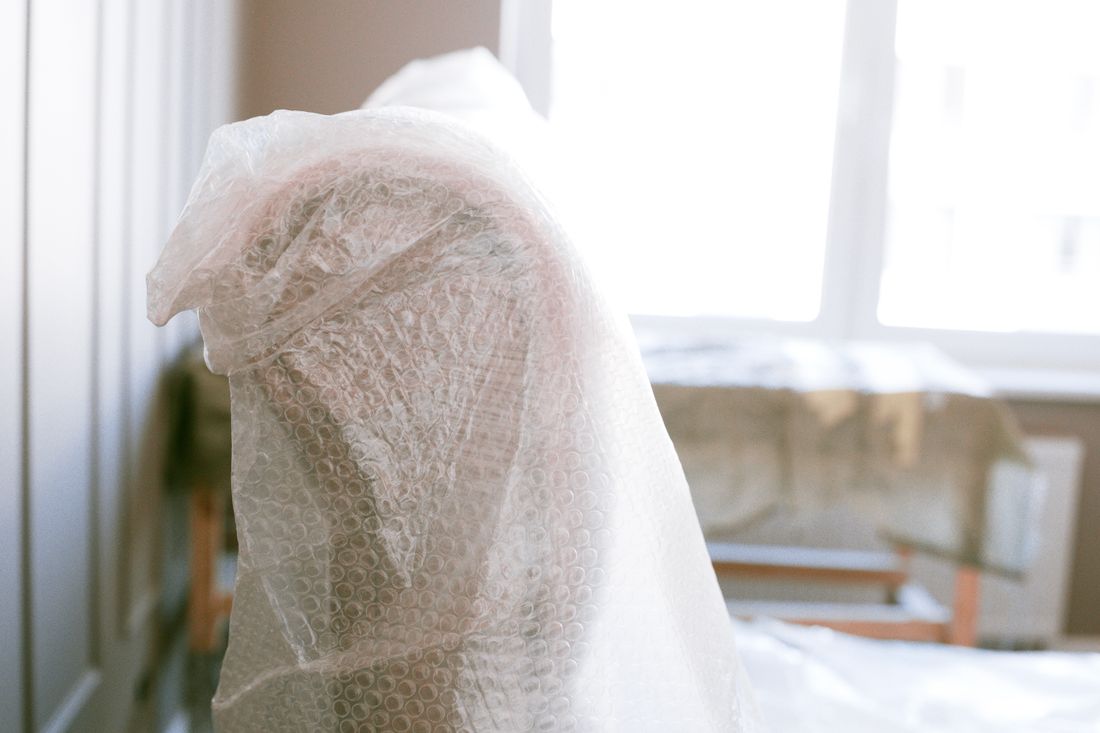
Certain shots exist only while a piece is still hanging, leaning, or sitting exactly where it lived during the studio's working life: the wall it hung on, the light it usually caught, its scale next to furniture or a doorway, and its place in a larger arrangement. Once it's off the wall, none of that context can be recreated.
Scale is the one artists underestimate most. A photo of a canvas alone, shot flat against a backdrop, tells a viewer nothing about how large the piece actually reads in a room. A wide shot that includes a doorway, a chair, or a person's shoulder in frame does that work instantly, and it's a shot that becomes impossible the moment the piece comes down.
Arrangement matters for the same reason. If several pieces lived together on one wall, in dialogue with each other, that relationship is part of the work's history, even if it was accidental. A quick wide shot of the full wall before anything is unpinned preserves that relationship in a way no individual piece photo can substitute for later.
None of these in-situ shots replace the clean, accurate documentation each piece still needs on its own. They're a different, smaller set, worth setting aside fifteen or twenty minutes for before the first piece comes off the wall, because that window closes fast once packing actually starts.
What condition records need to happen before anything gets wrapped?
Before anything gets wrapped, each piece needs full-view and detail photos of its current condition: existing cracks, scuffs, warping, frame damage, or media wear, shot in consistent light so the images are actually comparable later. This record exists to document damage that happens during the move itself, not to describe the artwork generally.
A full-view shot alone usually isn't enough. Anything that could plausibly get worse in transit, a chipped frame corner, a hairline crack in a glaze, a soft dent in a canvas, deserves its own close, well-lit detail shot, taken at a distance and angle someone could repeat later if a comparison is ever needed.
Consistency matters more than polish here. The same light, the same distance, the same background for every piece makes a later side-by-side comparison actually usable. A beautifully lit photo of one piece and a dim phone snapshot of the next one isn't a documented practice, it's a gap with one good photo in it. A simple numbering system, matched to a written inventory list, keeps every photo tied to the correct piece once dozens of similar-looking images start to blur together.
This step has nothing to do with legal or insurance advice, and none of it substitutes for whatever a mover's or insurer's own claims process requires. It's simply the documented practice that gives an artist or gallery something concrete to point to if a piece arrives changed from how it left.
What does documenting the room itself actually capture?
Documenting the room itself captures the studio as a working environment, not as inventory: the light at a particular hour, the layout of tools and furniture, the marks left by years of use, and the general feeling of a space that shaped how the work got made. It's portrait work, aimed at a room instead of a person.
Wide shots earn their place here more than they do anywhere else in the process. A wide frame of the whole room, taken from a doorway or corner, communicates scale and layout in a way close-ups can't. It's the shot that later ends up on a website's About page or a studio-history post, long after the room itself is gone.
The details worth including are the ones that feel too ordinary to bother with in the moment: paint on the floor, a worn spot on a work table, natural light through a specific window at a specific time of day. These are exactly the details that read as authentic later, once the room no longer exists to check against.
This kind of shoot doesn't need a long list or a formal shot plan. A slow, unhurried walk through the space with a camera, before boxes start appearing, usually captures what matters. The goal isn't a real estate listing. It's a record of what the room felt like to actually work in.
What happens to documentation options once work leaves the room?
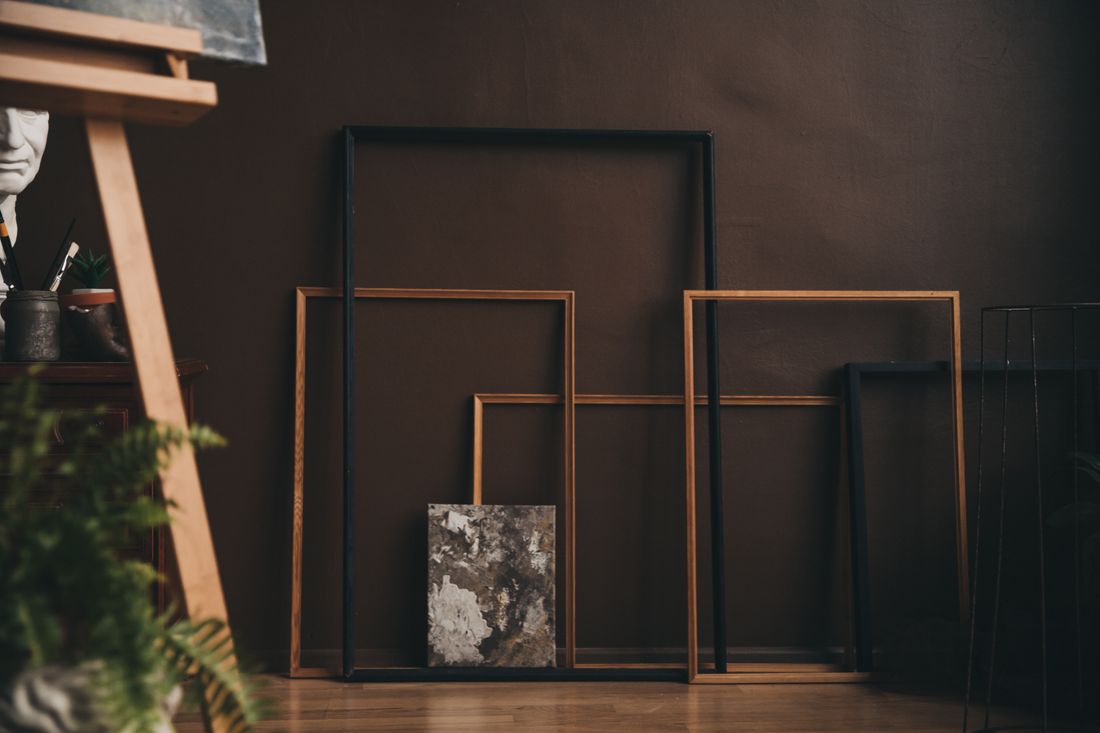
Once work leaves the room, in-situ shots stop being possible entirely: scale references disappear, arrangement context is gone, and the studio's light and layout can only be described from memory instead of shown in a photo. What's left is the individual piece and whatever record was made before it was wrapped.
This is where the two documentation jobs from the beginning genuinely diverge. The condition and reference shots of each piece travel with the work and stay useful for insurance, provenance, or a future sale, wherever the piece ends up. The room-level material has nowhere left to attach to. It becomes historical the moment the last box leaves.
Artists sometimes assume they can go back for the room shots later, maybe after the immediate move stress passes, only to find the new tenant has already repainted, or the landlord has already gutted the space for the next lease. A studio's specific condition rarely survives a handover for long, whatever the reason for the move.
None of this changes what the piece-level documentation needs to do. It simply means the room-level shoot has a harder deadline than most people expect, one that closes earlier than the actual move-out date, because the room usually stops looking like itself well before the keys change hands. A piece that ships in poor light can always be rephotographed properly later. A room that's already been repainted or cleared out doesn't get that same second chance.
What's the small set of frames people regret not having?
The frames people regret not having are usually small and specific: a wide shot of the whole room before anything moved, a close detail of a well-used work surface, and a photo of a piece in the exact spot it hung for years. Nobody plans to miss these; they're just the ones nobody thought to shoot on time.
The wide, empty-feeling shot of the whole room, before the first box lands, comes up often. It's easy to assume there will be time for that shot later, and then packing starts earlier than expected, or in a different order than planned, and the room never looks quite that way again.
A close, unglamorous shot of a work surface, paint-stained, tool-scattered, exactly as it was used, is another common gap. In the moment it looks too messy to bother photographing. Later, it's usually the image people wish they had, because a polished, cleaned-up version of the same corner isn't the same record at all.
Finally, a piece photographed in its actual spot on the wall, not staged against a backdrop, tends to matter more in hindsight than most people expect going in. It's a small, specific list, worth naming out loud before the walls come down, since none of the three take long to shoot once someone remembers to. None of them require special equipment or much planning; what they require is someone deciding, ahead of time, that they're worth the ten minutes it actually takes.
How far in advance should this documentation get scheduled?
This documentation should get scheduled as soon as a move date is even likely, not once it's confirmed, since the room-level shoot and the earliest condition photos both need to happen before packing starts, and packing routinely starts earlier and messier than the official date implies. A move that feels months away can still start affecting the room sooner than expected, as boxes and packing supplies begin accumulating in corners well before anyone starts calling it "moving."
A useful rule of thumb: book the room-level shoot for the first quiet week after a move becomes likely, well before boxes, tape, and moving supplies start changing how the space looks and feels. Waiting for a signed lease or a firm date is often waiting too long, since preparation tends to start informally long before that.
Piece-level condition documentation can follow a looser schedule, since it happens work by work as pieces get pulled for packing, but the same principle applies: each piece needs its shots before it's wrapped, not whenever there's a spare afternoon later in the process. Keeping a simple running list, piece and date shot, avoids the common problem of realizing later that two or three pieces went straight into boxes with no photo taken at all.
The studios that end up glad they documented early are rarely the ones with the most complicated moves. They're usually the ones that treated the shoot as its own small project, scheduled deliberately, instead of something to squeeze in around the actual work of packing and moving.
Frequently asked questions
Do we need a professional photographer for a studio move, or can phone photos work?
Phone photos can cover the basics for personal reference, especially for room-level shots meant mostly for memory. Condition records meant to hold up for insurance or provenance benefit from consistent lighting, accurate color, and a repeatable setup a phone snapshot usually can't match. A reasonable split: phone photos for the room and the general mood, more careful documentation for any piece with real value or an unresolved condition question worth protecting.
How long does documenting a studio before a move actually take?
It depends on the studio's size and how much work is leaving, but a focused room-level shoot usually takes under an hour, done slowly with a camera before boxes appear. Individual piece documentation adds more time per piece, especially with detail shots for condition records, so most studios spread it across the days or weeks before packing rather than trying to do it all in one sitting.
Should the artist be in any of the documentation photos?
That depends on what the photos are for. Condition and reference shots of individual pieces don't need a person in frame at all. Room-level documentation sometimes benefits from a person in one or two shots for a sense of scale, but that's optional, not required. If the goal is documenting the space and the work itself, the room and the pieces can carry the whole set on their own.
What if the move happens faster than expected and there's no time to document everything?
Prioritize condition shots of any piece with real financial or sentimental weight first, since those protect against disputes over damage in transit. Room-level documentation is worth grabbing in whatever time remains, even a quick walkthrough with a phone, since a partial record still beats none at all. If only a few minutes exist, spend them on the pieces first, and treat a room walkthrough as a bonus only if time genuinely allows.
Does this documentation replace what a moving company or insurer requires?
No. This is a separate, practice-based record for an artist's or gallery's own reference, not a substitute for whatever claims process a specific mover or insurer requires. Anyone with an active policy or a moving contract should check what documentation that company specifically asks for, since requirements vary and this describes general documented practice, not legal or insurance advice. Those specific requirements always take priority over any general approach described here.
Give your collection a record that holds up.
We document artwork the way an adjuster or appraiser would actually want to see it: full views, accurate color, condition detail, and a system that keeps every file tied to the right record.
Explore artwork documentation →