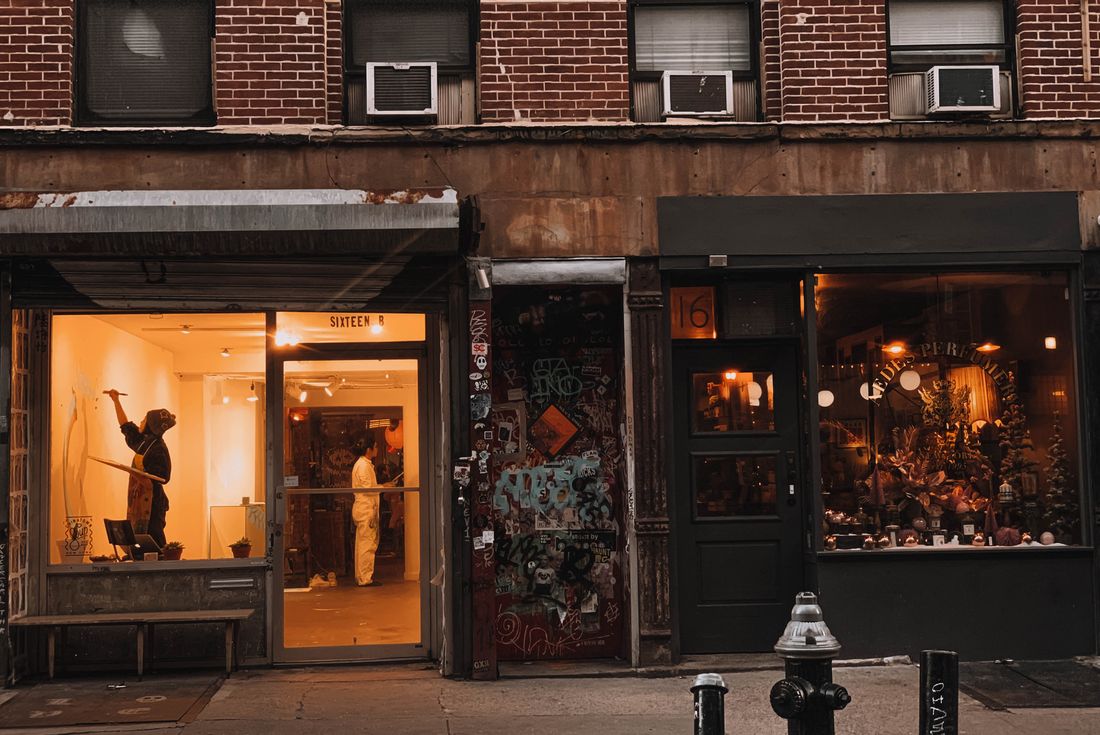
None of the options here are hard to execute once a gallery has picked one. What actually makes clustered opening nights stressful is deciding late, after the invitations are out and the photographer's other booking is already locked in. The earlier a gallery names the exact time window it needs, the more options stay open, and the more likely the photographer can deliver full, unsplit coverage instead of a compromise nobody chose on purpose.
This guide walks through why NYC's gallery nights collide as often as they do, what the real options look like once they do, and how to have the conversation, with your photographer or with the gallery down the block, before the night makes the decision for you.
Why do so many openings land on the same night?
NYC's gallery calendar isn't spread evenly across the week. Chelsea, the Lower East Side, and Tribeca each pack a lot of galleries into a small footprint, and Thursday has become the default opening night for a large share of them. Walk those blocks on a Thursday in September or April and it's common to pass three or four openings within a ten-minute stretch.
That clustering isn't always an accident. Galleries sometimes time an opening close to a nearby show on purpose, hoping to catch the foot traffic already heading that direction once the earlier opening lets out. It's a reasonable strategy for turnout. It's also exactly what turns a single photographer's calendar into a puzzle, because the same density that helps a gallery's crowd is the density that stacks multiple bookings into the same two-hour window.
The practical result: during peak season, it's common for a gallery to be scheduling its own opening around what else is happening on the block that night, without necessarily thinking through what that means for coverage until the booking conversation is already underway. Naming the conflict early is what keeps it from becoming a problem later.
What are your options when two openings compete for one night?
Once a gallery realizes its opening is landing on a night with real competition for the photographer's time, there are three practical paths, and each one is a legitimate answer depending on what the night actually needs.
The photographer can split time between both openings, catching a real window at each. A gallery can book a second shooter so each event gets a full, uninterrupted block. Or one of the two galleries can shift its start time by half an hour or an hour, which is sometimes enough to remove the overlap completely. None of these is automatically the right call. The right one depends on how much of the night each opening actually needs covered, how flexible the schedule is, and how far in advance the conflict gets identified.
A useful way to think about it: splitting time is the default when both galleries are flexible about what "full coverage" means and neither wants the added cost of a second photographer. A second shooter is the answer when either opening genuinely can't afford to share attention, a milestone show, a press-heavy night, an event expected to stay busy the entire evening. Shifting the start time is worth raising first, before assuming a split or a second booking is required, because it's often the cheapest fix and the one that changes the least about how either gallery planned its night.
Splitting time between two openings
The most common fix is splitting the night. The photographer arrives early at the first opening, catches the initial rush, the door opening, the first wave of guests, that particular energy of a room filling up, then moves to the second opening in time for its own peak window later on.
It works, and it's often the right call when neither opening is willing to move its time and a second shooter isn't in the budget. But it comes with a trade-off worth saying out loud before the night happens, not discovering after: no photographer can be in two places at once, so something gets less coverage. Usually that's fine, as long as both galleries know it going in and have agreed on what "full coverage" means when the time is genuinely divided.
The galleries that get the most out of a split night are the ones that treat it as a real plan rather than an assumption. That means agreeing on rough arrival and departure times before the event, not adjusting on the fly while the room is already full.
Booking a second shooter for the night
When an opening genuinely needs full, unsplit coverage and the calendar won't cooperate, bringing in a second shooter is often the cleanest answer. Each gallery gets a photographer dedicated to its own event, start to finish, with no division of attention and no compromise about which hour gets more coverage.
This isn't always necessary. Plenty of openings are well served by a well-planned split, especially when the two events don't fully overlap in time. But for a gallery that has a specific reason to want continuous, uninterrupted coverage all night, whether that's a major show, a press presence, or an opening that's expected to stay busy the entire evening, a second shooter removes the guesswork entirely.
It also solves the problem for both galleries at once, not just one. If two galleries book separate photographers for the same busy Thursday instead of trying to coordinate around a single shared one, the conflict disappears entirely, and neither event has to negotiate over which hours it gets. That's often simpler than it sounds, especially once a gallery starts thinking of the busiest weeks of the season as weeks that call for that kind of planning by default.
The trade-off here is cost and lead time, not quality of coverage. A second shooter needs to be booked, briefed, and confirmed like any other part of the event, which matters more the later in the process this conversation happens.
Shifting your opening time to dodge the overlap
Sometimes the simplest fix isn't about the photographer at all. If a gallery's opening is scheduled at the same time as a show nearby, moving the start time even 30 to 60 minutes earlier or later can be enough to clear the overlap completely and get a full, uninterrupted session out of the same photographer who would otherwise have to split the night.
This works especially well when a gallery already knows another opening is happening close by and is planning its own timing partly to catch the overflow crowd. If the goal is foot traffic from a nearby show, a small offset can still capture that energy without competing directly for the exact same hour. The gallery gets its crowd, and the photographer gets a full block instead of a divided one.
It's not always possible. Openings get locked to a specific evening for reasons that have nothing to do with photography, and a 30-minute shift isn't going to fix every clustered week. But it's worth raising as an option before assuming a split or a second shooter is the only path, especially if the overlap is small.
Which hour of your opening matters most?
If a split night is the plan, this is the question that actually decides how well it works. Some openings live and die by that first hour's energy, the door opening, the initial rush, the room at its fullest, the greeting and toast that set the tone for the whole event. Others care more about a slower, quieter walkthrough later in the night, once the crowd thins and the art itself is easier to shoot without a dozen people standing in front of every piece.
Telling your photographer which of those two matters more, and giving a realistic sense of when your event tends to slow down, lets a split night serve the shots that actually matter instead of getting evenly and less usefully divided between two windows nobody prioritized. This is a five-minute conversation that changes the outcome of the whole night.
It also helps to be honest about your own event's rhythm rather than guessing at a generic timeline. A gallery that knows its crowd tends to arrive in a rush and thin out fast is in a very different position than one whose opening builds slowly and stays steady for hours. That pattern, more than any fixed rule about "the first hour" or "the last hour," is what should actually decide where a split photographer's limited time goes.
Why booking early matters more in peak season
Fall and spring are when NYC's gallery calendar gets genuinely dense, and photographers who cover this beat regularly tend to be the ones every gallery in the neighborhood wants that same week. That combination, more openings competing for fewer nights, means the busiest Thursdays fill up on photographers' calendars well before the week itself arrives.
A gallery scheduling last-minute during one of those weeks simply has fewer options: fewer available photographers, less room to negotiate an exact time window, and a smaller chance of getting full, unsplit coverage if the night is already crowded with other bookings. None of that is a reason to panic. It's a reason to treat the booking date the same way you'd treat any other piece of opening night logistics that has a lead time attached to it.
If a gallery wants full, unsplit coverage on a night that's genuinely competing with other events, the safest move is booking early and being specific about the exact window needed, rather than waiting to see how the schedule shakes out.
Having the honest coverage conversation early
The single best thing a gallery can do about a clustered opening night is name the conflict out loud, early, instead of hoping it resolves itself. That means telling the photographer if there's another event that night, telling the photographer's other client if a split is likely, and being specific about which hours matter most for the shots that actually need to happen.
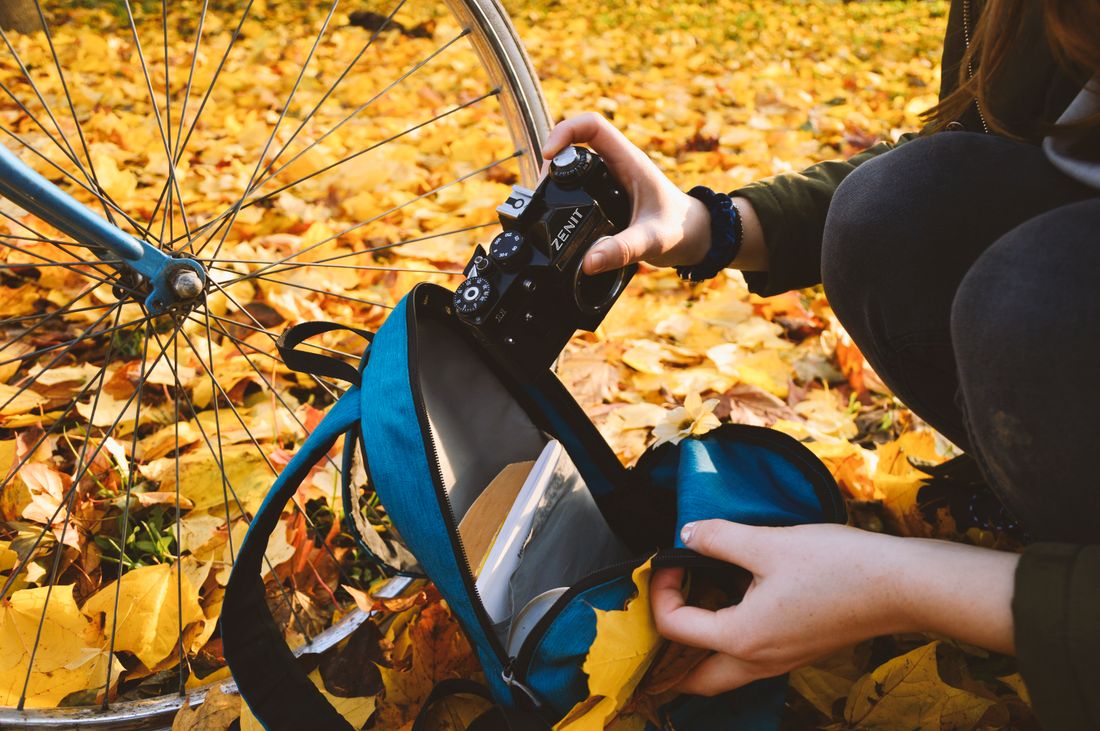
On a genuinely dense Thursday, a split night can mean a walk between two Chelsea spaces done at double pace, camera bag still zipped, catching the tail end of one opening's toast before stepping into the next one's doorway right as that room starts to fill. That's a normal shape for a clustered opening night in this city. It works fine when both galleries know it's happening and have agreed on what matters most in the time they get.
What doesn't work is discovering the split on the night itself, when there's no time left to reprioritize and no room to ask for a different arrival window. The conversation costs nothing and takes a few minutes. Skipping it is what turns a manageable scheduling problem into a genuinely disappointing set of photos from an opening that deserved better planning, not a better photographer.
Frequently asked questions
What happens if we book a photographer too late during a busy week?
During fall and spring, NYC's busiest gallery weeks fill photographers' calendars well in advance, especially on Thursdays. Booking late in a dense week often means fewer available time slots, less flexibility on start time, and a smaller pool of photographers to choose from. The safest move if you want full, unsplit coverage is booking as early as you can and naming your exact time window up front.
Is splitting time between two openings a good option?
It can work well when both galleries agree in advance on which parts of the night matter most. The trade-off is real: no photographer can be in two places at once, so one opening gets less coverage during the split. Splitting works best as a planned decision, not something discovered the week of the event.
Should we hire a second photographer instead of splitting time?
If your event needs a full, uninterrupted block of coverage and the night is already competing with another booking, a second shooter is often the more reliable fix. It removes the trade-off entirely, because each opening gets its own dedicated photographer instead of a shared, divided window.
Can we shift our opening time to avoid overlapping with another gallery?
Yes, and even a small shift can help. Moving a start time 30 to 60 minutes earlier or later than a nearby opening can be enough to give a photographer a full, uninterrupted session at both events instead of splitting either one.
How do we decide which hour of our opening matters most?
Think about what the coverage needs to show. Some openings are about the first hour's energy, the door opening, the initial rush, the room filling up. Others matter more during a quieter walkthrough later, once the crowd thins and the art is easier to shoot. Telling your photographer which matters more helps a split night serve the shots you actually need.
One night, two openings, no dropped coverage.
We plan clustered opening nights before they turn into a scramble, whether that means a split schedule, a second shooter, or an early enough booking that the calendar never becomes the problem.
Explore event coverage →