Most people planning coverage start with the room. They should start with the guest list instead: how many people are actually coming, when they arrive, and how many things are happening at once. Those three details, not the square footage on the venue's floor plan, are what decide how many shooters a night needs and how those hours should be spent.
Size a shoot from the guest list, not the room. A packed small space is a crowd problem that a second shooter usually solves; a sparse large space is a density problem that tighter, more selective framing solves instead. Layer in the arrival curve and how many things happen at once, and the right crew size and hours follow from those inputs rather than from the venue's dimensions alone.
Why guest count decides the plan, not square footage
The question that actually predicts how coverage should run is not how big the room is, it is how many guests show up, when they arrive, and how many things are happening at the same time. Two events in the same rented hall can need opposite plans depending on the answer.
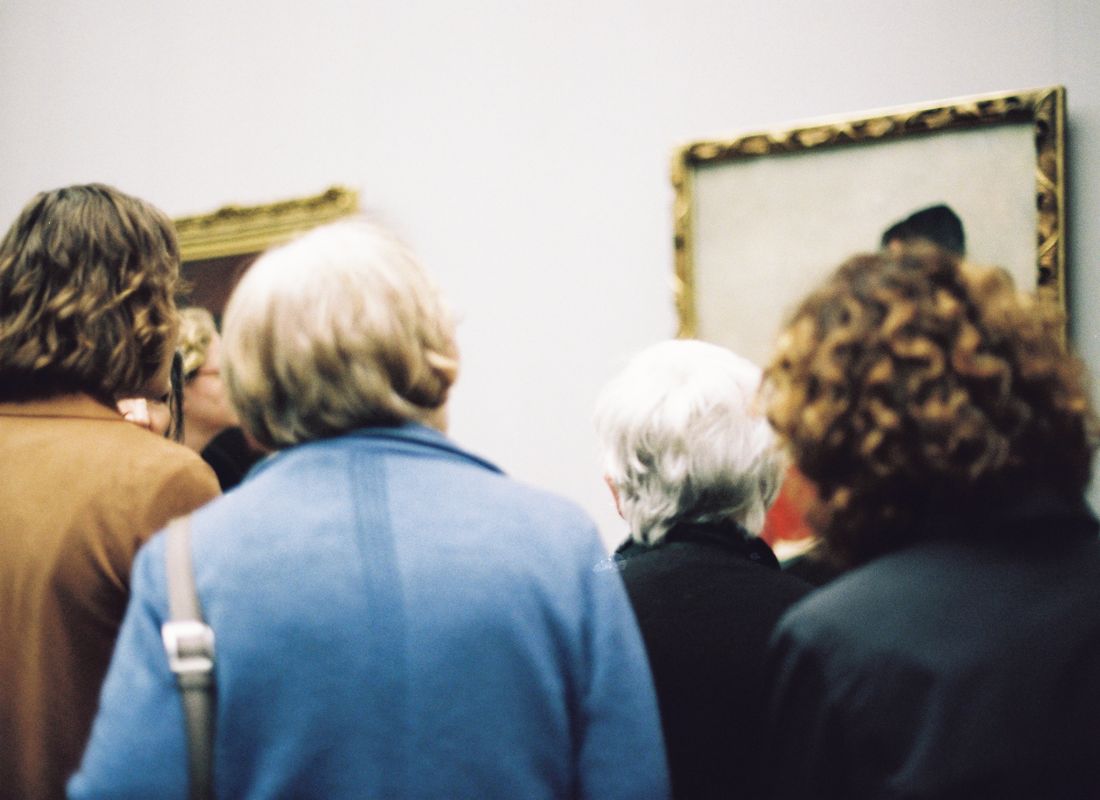
Square footage tells you what the venue can hold. It does not tell you what will actually happen inside it on the night. A gallery with capacity for two hundred people might see ninety show up and spread thin, or it might see two hundred and fifty arrive in the first half hour and pack the entryway. The room does not change between those two nights. The plan for covering it should.
We start every coverage conversation from the guest list, not the floor plan, because the guest list is what a photographer actually has to work with once the doors open. A confirmed headcount tells us whether we are planning around bodies filling the frame or bodies we need to go find. Those are different jobs that call for different crew sizes, different lens choices, and different pacing across the hours booked.
This is also why a walkthrough alone does not settle staffing. A walkthrough shows sightlines, lighting, and choke points. It cannot show density, because density comes from the guest list against that same room, not from the room itself. Treat the two as separate inputs and the coverage plan gets sharper. Collapse them into one and the plan ends up guessing.
What a packed small room needs from coverage
A packed small room is a crowd problem before it is anything else. When guests are shoulder to shoulder, clean sightlines disappear, movement gets slow, and one photographer working alone can only be in one gap in the crowd at a time. A second shooter earns their fee here by covering the angle the first one cannot reach.
In a crowd like this, everything happens close together and fast. Someone opens a conversation near the bar while a small group forms around the artist near the door, and both moments matter but neither waits. One shooter has to choose which to lose. Two shooters split the room instead of splitting attention, one working the density near the entrance while the other stays with whatever conversation is building toward a real moment.
Coverage in a full small room also has to account for how hard it is to move. Weaving through a packed crowd with gear takes longer than it does in an empty one, and a shooter who has to physically push toward a shot will often arrive after it has already passed. Positioning ahead of the crowd, rather than chasing it, matters more here than in any other room condition.
The practical takeaway: if the guest list and the room point toward a full, tight space, plan for a second shooter and shorter, more active positioning windows rather than fixed spots. The crowd will not hold still long enough for a single photographer to cover both the room and the specific people inside it.
What a sparse large room needs from coverage
A sparse large room is a coverage-density problem, not a crowd problem. Fifty guests scattered across a hall built for two hundred will read as an empty party in photos unless the shooting gets tighter and more selective, because wide shots in a half-empty space show the empty space first and the people second.
The instinct to add more shooters to a big room is usually backwards here. A large, sparse turnout does not need more coverage, it needs coverage that frames out the emptiness. That means working closer, choosing angles that group the guests who are present rather than showing how much open floor sits around them, and being selective about which moments get shot at all rather than trying to document the whole footprint evenly across the night.
This is also where a single experienced shooter usually outperforms two working independently. A sparse room rewards a consistent eye that is already deciding, frame by frame, how to make a real but modest turnout look intentional rather than thin. Splitting that judgment across two shooters without close coordination tends to produce a mixed set, some frames tight and flattering, others wide and unflinching about the empty chairs and open aisles.
If the guest list is well below the room's capacity, tell the photographer that up front. The plan should shift toward tighter framing and fewer, better-chosen setups rather than trying to make thin attendance look fuller by shooting more of it across the space.
How the arrival curve changes the shooting plan
How guests arrive matters as much as how many arrive. A guest list that shows up all at once inside a short window needs coverage concentrated at the door and in the first stretch of the event, while a list that trickles in over two or three hours needs coverage spread evenly across the whole booking instead.
A hard start time with an RSVP deadline tends to produce a compressed arrival curve: most guests land within the first thirty to forty five minutes, the room fills fast, and the peak moment for crowd photography happens early. Coverage built around a late, sparse arc will miss that peak entirely if the crew is still setting up or holding back for a fuller room that already came and went by the time they are ready.
An open-house style event or one with no fixed start produces the opposite curve. Guests filter in and out over hours, the room never hits one obvious peak, and the useful photography is less about one big moment and more about a series of smaller ones spread across the booking. That calls for pacing the shooter's attention across the full window rather than concentrating it early and hoping the rest of the night matches it.
Ask whoever is planning the event when the bulk of guests are actually expected, not just when doors open. That single detail changes where the coverage hours get spent far more than the venue's square footage ever will.
What running several things at once does to crew size
The more separate things happening at once, the more crew a guest list needs, regardless of headcount. A remarks program, a mingling reception, and an art install viewed on a loop are three concurrent events sharing one guest list, and one shooter can only be inside one of them at a time.
Think about it in terms of simultaneous storylines rather than room size. A quiet dinner with fifty guests and a single program of remarks is one storyline: the crew can follow it start to finish with one shooter and never miss anything essential. A launch with fifty guests, a live demonstration in one corner, and a separate lounge conversation running the whole night is three storylines competing for the same window, even though the headcount never changed at all.
This is where the guest list and the run of show have to be read together. A tight, single-track program can run on lean coverage even with a large crowd, because there is only ever one place worth being. A loose, multi-track evening needs more crew even with a modest crowd, because the moments worth documenting are happening in parallel and nobody can stand in two places at once.
Before booking crew size, map out how many things will actually be competing for attention during the busiest hour of the night. That number, not the guest count alone, is what tells us whether one shooter is enough.
When a second shooter earns their spot
A second shooter earns their spot when density, arrival speed, or concurrent activity make it physically impossible for one person to cover the moments that matter. It is not a default upgrade for a bigger guest list. It is a specific answer to a specific bottleneck in how the event is going to unfold on the night.
The clearest trigger is a crowd so dense that reaching a moment takes longer than the moment itself lasts. If guests are packed shoulder to shoulder and a photographer has to physically work through the crowd to get a clean angle, that travel time is coverage lost for good. A second shooter positioned on the other side of the room closes that gap instead of leaving it to chance and hoping the crowd thins out later in the night.
A fast, compressed arrival curve is another trigger. When most of a guest list lands within a short window, the door, the entry area, and the first gathering point all need attention at the same time, and one shooter cannot watch all three at once. A second shooter covering the door while the first works the room already forming inside solves a timing problem, not a size problem on its own.
Concurrent programming is the third trigger, covered above. Outside of those three conditions, a second shooter mostly adds redundancy rather than coverage a single experienced shooter could not already deliver alone across the same hours.
When tighter, more selective shooting is the better call
Tighter, more selective shooting is the better call whenever the room outsizes the guest list, whether that is a large hall with modest attendance or a mid-size space with an unexpectedly light turnout. The goal shifts from documenting the whole footprint to making the guests who did show up feel like the actual subject of the night.
Wide, environmental frames work when a room is full, because the environment and the crowd tell the same story. The same wide frame in a half-empty room tells a different story than intended: it shows how much space nobody filled. Selective, closer framing avoids that trap by choosing which clusters of guests to shoot and cropping the room's emptiness out of the picture rather than letting it sit in the background of every shot taken.
Selective shooting also means fewer total setups done well rather than many setups done evenly across the space. A photographer working a sparse room benefits from spending real time with each small group that forms, rather than moving through the whole footprint on a fixed rotation the way they might in a fuller room where every corner has something happening in it already.
If a light turnout looks likely, say so before the event rather than after. It changes the lens choices, the framing habits, and the pacing the crew plans for walking in, and it is a far easier adjustment to make in advance than mid-event.
How to brief a photographer for your guest list
A useful coverage brief gives a photographer three things before the event: the expected headcount, the shape of the arrival curve, and a list of anything happening at the same time as anything else. Those three inputs, more than the venue's dimensions, are what turn a guess into an actual working plan for crew size and hours.
Start with the headcount, even a rough range pulled from RSVPs or ticket sales. Then describe the arrival pattern in plain terms: does everyone land in the first half hour, or does the guest list trickle in across the whole window instead. Finally, list the concurrent pieces: a program of remarks, a demonstration, a separate lounge or bar area, anything that could pull attention in more than one direction during the same stretch of time on the same night.
With those three pieces, a crew size and hours recommendation stops being a guess and starts being a calculation. A dense, fast-arriving, single-track guest list points toward a second shooter working a short, intense window. A sparse, slow-building, single-track list points toward one shooter working selectively across a longer one instead. A multi-track program pushes toward more crew regardless of how dense the room actually is.
Bring those three details to the conversation before booking, not the square footage of the room. The room is fixed. The guest list, the arrival curve, and the run of show are what actually decide the plan for the night.
Frequently asked questions
Does the size of the venue matter at all?
Venue size still matters, but mostly as a ceiling, not as the main input. What decides the plan is how many guests actually attend against that size, how fast they arrive, and how many things compete for attention at once. A large room with a light turnout and a small room packed tight need very different coverage, even if one venue is objectively bigger than the other on paper.
What if we don't know the final headcount until the week of the event?
A firm number is not required. A reasonable range built from RSVPs, ticket sales, or past turnout for a similar gathering is enough to plan crew size and pacing around. What matters more is flagging the uncertainty itself, so the plan can lean toward flexible framing rather than assuming a precise headcount that might shift once the actual night arrives and guests decide whether to come after all.
Is a longer coverage window always better than a bigger crew?
Not always. A longer window helps when guests arrive slowly over hours, since it gives one shooter time to work each group well. It does not help a dense, fast-arriving crowd, where the bottleneck is coverage happening in more than one place at once, not coverage happening for more hours. Match the fix to the actual bottleneck: crowd density calls for more crew, a slow trickle calls for more time.
How does a staggered arrival, like a reception that runs two hours, change staffing?
A staggered, two-hour arrival spreads the same guest list thin over more time, so there is rarely one dense peak to cover. Staffing usually shifts toward one shooter pacing steadily across the whole window instead of concentrating effort early. The exception is if a specific moment, like a toast or a presentation, pulls most guests together at a set point. That moment still needs dedicated attention even inside a slow arrival.
Can one photographer cover a large opening if the crowd stays sparse most of the night?
Often, yes. A large room with a sparse crowd is a framing problem more than a staffing problem, and one experienced shooter working close and selectively usually handles it better than two shooters splitting an already thin turnout between them. Adding a second shooter to a sparse room tends to help only when several separate things are happening in different corners of that same large space at once.
Two openings on the same night doesn't have to mean a scramble.
We plan around clustered opening nights ahead of time, a split schedule, a second shooter, or booking early enough that the calendar stops being the risk.
Explore event coverage →