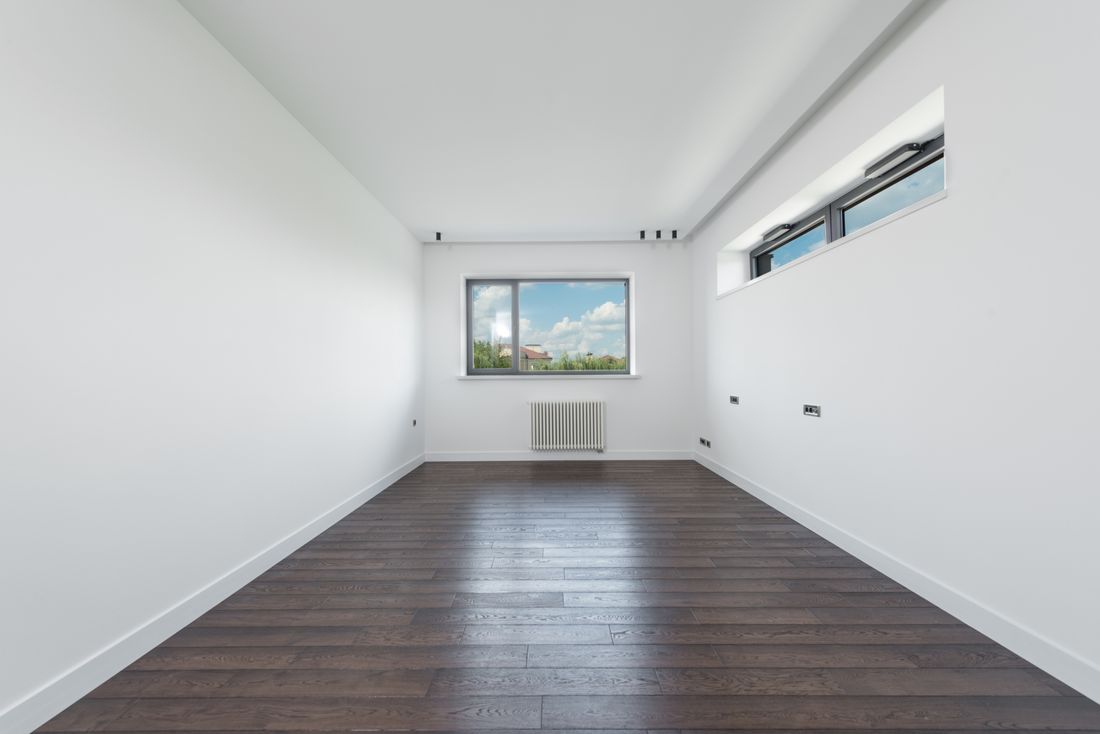
A venue walkthrough is not a courtesy call. It is the only chance to catch, cheaply, everything a shot list and a few reference photos cannot show: where the light will actually be at the event hour, what the walls will do to flash and skin tone, where power and sightlines really are, and where the room's one unrepeatable moment will physically happen. Everything the walkthrough catches gets fixed in five minutes. Everything it misses gets discovered with a room full of people standing in it.
A pre-event venue walkthrough should settle where the light will actually be at the event hour, what the walls and ceiling do to flash and skin tone, where power and cable runs are, where a photographer can stand for the key moments, and who can unlock or approve things once the event is underway.
Where will the light actually be at the hour the event happens?
A walkthrough at 2pm cannot tell you what a 7pm cocktail hour will look like once the sun is down and every light in the room is doing the work. The only way to know what your photographer will actually be working with is to stand in the room at, or near, the actual event hour.
Daylight is generous. It fills a room evenly, softens shadows, and makes almost any wall color look reasonable. None of that carries over once the sun sets. A gallery that looks bright and neutral at midday can turn into a room lit by three warm spotlights and a string of sconces by evening, with the rest of the space falling into shadow. Track lighting aimed at artwork does something different to a face under it than to a painting.
The walkthrough is where this gets caught. Visit close to the actual start time, or ask the venue to turn on the evening lighting scheme early. Note which fixtures sit on dimmers, whether the room mixes warm and cool sources, and whether any area will be lit only by candles or string lights, which read dimmer to a camera than to the eye.
None of this means the room is a problem. It means your photographer walks in knowing where to add light, where to lean on the light already there, and where a flash will help more than it hurts. That decision is cheap to make in advance and expensive once the toast has started.
What will the walls and ceiling do to flash and skin tone?
Wall and ceiling color decide what color the light bounces back as, which means they decide what color a guest's skin looks like in every flash photo taken in that room. A saturated wall a few feet from where people stand can tint skin tones before anyone touches an edit.
Flash photography works by bouncing light off the surfaces around it almost as much as it works by hitting a subject directly. A white or neutral ceiling bounces light back clean, which is part of why professional spaces often default to it. A colored ceiling, exposed brick, dark wood paneling, or a saturated accent wall changes the color of that bounced light, and a camera records the shift even when a person standing in the room does not notice it happening.
This is the kind of thing a shot list cannot tell a photographer, and a phone photo from a site visit usually cannot show accurately either, because a phone camera corrects for color automatically in ways a professional camera and flash setup will not. Standing in the actual room, under the actual lighting, with an eye trained to notice color cast, is what catches it.
Once it is caught, the fix is usually simple: adjust the flash angle, bounce off a different surface, or lean more on ambient light in that corner. None of that requires changing anything about the venue itself. It only requires knowing about the color cast before the event starts, instead of noticing it in the next morning's photos.
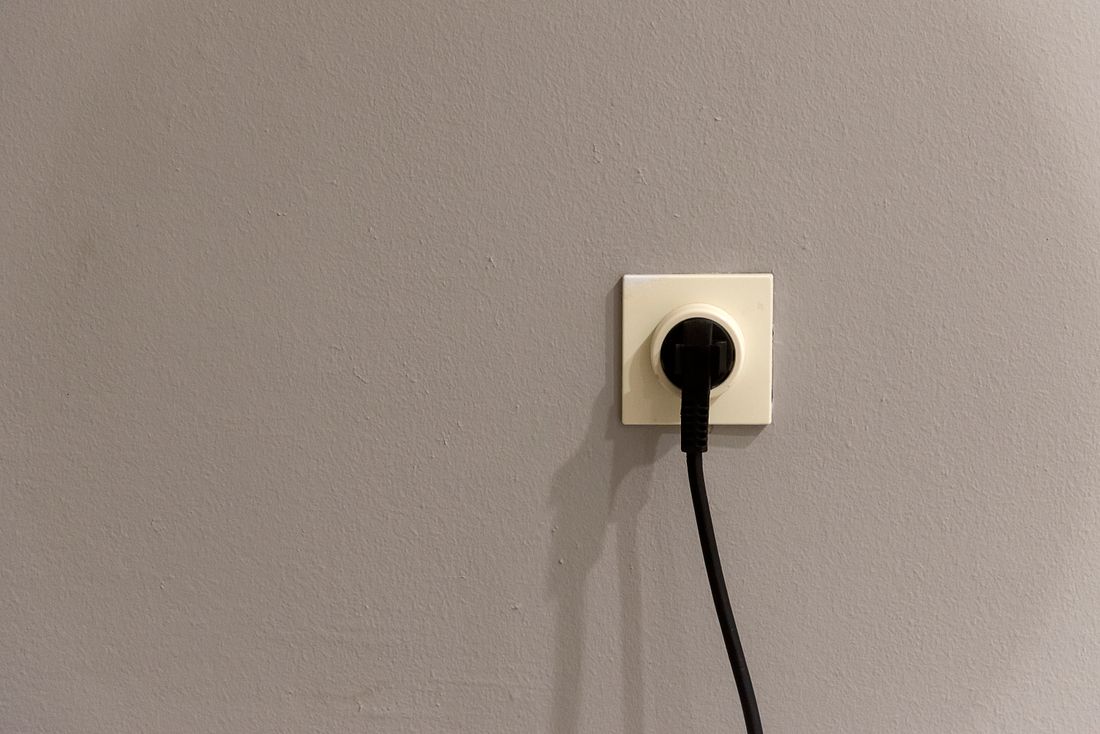
Where is the power, and can you reach it without crossing a doorway?
Every camera flash, off-camera light, and battery charging station needs an outlet, and the walkthrough is where you confirm those outlets exist somewhere you can actually reach without running a cable across a doorway, a bar path, or the spot where guests will be standing in line.
Venues vary here. Some rooms have outlets built into the floor near natural setup positions. Others have exactly two outlets, both behind a bar, both already claimed by a blender and a phone charger. A walkthrough is the moment to count outlets, test which ones actually work, and note their location relative to where a photographer or videographer will realistically be set up for the ceremony, speech, or performance.
Cable runs matter as much as outlet count. A cable taped across a doorway or a walkway is a trip hazard, and many venues have their own rules about where cable can and cannot cross a path of travel. Finding this out during a walkthrough leaves time to bring extension cords of the right length, gaffer tape that matches the floor, or a battery-powered light that removes the need for a cable there entirely.
This also protects the day itself. Nobody wants a photographer improvising a power solution mid-event while a room full of guests watches, or discovering a dead outlet the moment a key light needs to come on for a toast. Confirming power in advance is one of the least glamorous parts of a walkthrough and one of the most likely to cause a visible problem if skipped.
Where can a photographer stand, and where will the crowd bottleneck?
A photographer needs a physical spot to stand during the speech or ceremony that has a clear view of the speaker and does not put them between the speaker and the audience, and the walkthrough is where that spot gets identified and tested before a room full of people makes it impossible to find.
Podiums, head tables, and stages often get positioned differently on the actual event day than during the walkthrough, so this is not about memorizing one exact spot. It is about understanding the room well enough to identify two or three workable positions: one close for detail, one wider for context, and a backup for whichever one gets blocked by a pillar, a floral arrangement, or a guest who will not sit down.
The walkthrough is also where crowd flow becomes visible. Every room has a place where people naturally bottleneck: a single entrance, a narrow hallway to the bar, a doorway that also serves as the only path to the restroom. During a packed event, that bottleneck becomes the hardest place in the room to move through with equipment, and often the exact place someone needs a clear shot from.
Walking the room empty makes both of these obvious in a way a floor plan on paper does not. Standing where the podium will be, looking back at where guests will sit or stand, shows the real sightlines. Walking the guest path shows where the crush will happen. Both are far easier to plan around before the doors open.
Where will the one unrepeatable moment happen, and is it shootable?
Every event has one moment that happens exactly once: a ring exchange, a ribbon cutting, a single toast, a specific handoff on stage. The walkthrough is where you confirm exactly where that moment will physically happen and whether it is shootable from a position your photographer can actually reach at that exact minute.
This matters more than almost anything else on the checklist, because everything else here is recoverable. A missed detail shot, an awkward flash bounce, even a power problem can usually be worked around in the moment. A moment that cannot be repeated, photographed from the wrong angle, or missed because the photographer was still moving into position, cannot.
Ask specifically where the moment will take place, not the general area of the room but the exact spot: which side of the stage, which end of the table, facing which direction. Ask whether anything will stand between the photographer and that spot at that exact time, such as a videographer's tripod, a floral arrangement staged for the ceremony, or a crowd of guests standing to see better.
If the answer is unclear, that is useful information too. It usually means the moment needs to be confirmed with the event planner or the person running the program, not guessed at during the walkthrough. Either way, this is the single highest-value thing a physical site visit settles, because there is no version of the event where this particular moment happens twice.
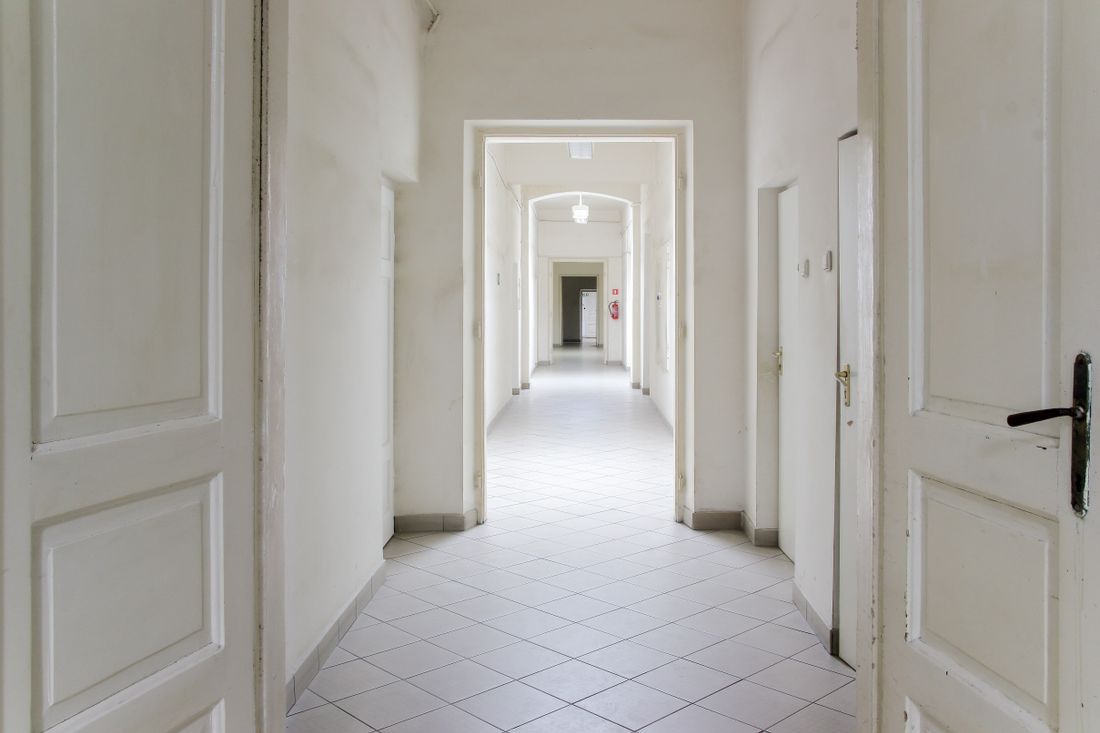
What does the empty room shot capture that nothing else can?
An empty room is a shot you can only get once, before the first guest arrives, and it disappears the moment doors open and never comes back for that specific event. The walkthrough, or the hour just before the event starts, is the only window to capture it.
Empty-room images do real work after the event. A gallery wants a clean shot of the space set up and ready, before wine glasses and coats and a hundred people change how it reads. A venue wants the same thing for its own marketing. A couple wants to see the room the way it looked in the quiet hour before everyone they love walked into it. None of these images can be recreated afterward, because once guests arrive, the room is a different room.
This is worth planning for specifically, not treating as an afterthought squeezed in while waiting for the event to start. Decide in advance whether this shot happens during the walkthrough itself, using available light and a tripod, or in the hour before doors open on the actual day, once the final flowers and place settings are in. The second option usually looks stronger because it shows the room as guests will actually find it, but it only works if everyone involved knows it needs to happen and protects that window of time.
A walkthrough that only checks logistics and skips this conversation leaves a genuinely useful set of images on the table for no reason other than nobody planned for them.
What do loading, freight, and storage on the night actually require?
Getting equipment into the building, and finding somewhere safe to store coats, bags, and cases once it is inside, is a logistics question, not a photography question. The walkthrough is where both get answered, along with who at the venue can actually unlock a door or approve a request once the event is underway.
Loading and freight access varies by building. Some venues have a dedicated freight elevator or loading dock with specific hours. Others expect equipment to come through the same entrance as guests, which changes both the timing and how much gear can reasonably be carried in at once. This is a building-specific detail, not something to assume from experience at a different venue, and it is worth confirming directly with the venue rather than guessing at it.
Storage matters just as much once the gear is inside. A coat check for guests is common. A safe, out-of-the-way spot for camera cases, extra batteries, and a spare light kit during the event is a separate question, and not every venue has an obvious answer for it without being asked directly.
Just as important: who actually has the authority to unlock a room, adjust the house lighting, or approve a last-minute request once the event is running. That person is not always the one who gave the walkthrough. Getting a name and a way to reach them on the night, confirmed during the walkthrough itself, removes one of the more common small delays on event day.
When is a venue walkthrough genuinely unnecessary?
A walkthrough is not always necessary. For a familiar venue your photographer has already shot in recently, or for a small, simply lit room with one obvious setup, a video call plus a few current photos can cover the same ground without anyone needing to travel across the city for an hour.
The honest test is whether the video call can actually answer the questions this checklist raises. A call held while walking the room with a phone camera, panning across the ceiling, pointing out outlets, and standing where the speech will happen, can substitute for a good amount of a physical visit. Still photos sent in advance are weaker on their own: they show one angle, one moment of daylight, and nothing about sightlines or crowd flow.
What a video call and photos generally cannot substitute for is standing in the room during actual event-hour lighting, testing a specific outlet, or confirming a physical sightline while another person stands where the crowd will be. Those require being there. A room that has never hosted this photographer before, has an unusual layout, involves a single unrepeatable moment, or has a lighting scheme that changes after dark is usually worth the physical visit even when a call would technically suffice.
Agree the format with your photographer ahead of time rather than assuming either way. A five-minute call confirming nothing has changed since the last visit is a different thing from a first-time call standing in for the only chance to see a room before the event happens in it.
Frequently asked questions
How long before the event should a venue walkthrough happen?
Enough time to act on what the walkthrough finds, and close enough to the event that the room will not change again before then. A few weeks out is common for venues with a fixed layout. Closer to the date makes more sense if the venue rearranges the room often. Agree the timing with your photographer, since it depends on how far in advance the venue can confirm setup and lighting.
Who should attend the walkthrough?
At minimum, the photographer and someone from the venue who can speak to lighting, power, and access, since a venue rep who cannot answer those questions makes the visit far less useful. Including the event planner or the client helps whenever the unrepeatable moment or crowd flow still depends on decisions being made, because that conversation is easier standing in the actual room than working it out later over email.
What should you bring to a venue walkthrough?
A phone or camera for reference photos, a notepad or notes app for outlet and lighting locations, and a rough sense of the event timeline so you can ask what the room will look like at each stage. Some photographers also bring a small light meter or a spare camera to test how the space actually records light, not just how it looks to the eye standing there.
Can a walkthrough happen too early, before the room is set up?
Yes, in the sense that furniture, staging, and decor placement can still change afterward. That is fine for checking fixed things like outlets, wall color, and structural sightlines, but it means the walkthrough should be treated as a useful first pass, not a final answer. Confirm anything that depends on the final layout again closer to the actual event date, once staging decisions are locked in.
Does every event need a full walkthrough?
No. A familiar venue, a small room with one obvious setup, or a repeat booking with the same photographer often does not need a full physical visit. A short video call plus current photos usually covers the same ground. The events that genuinely benefit from an in-person walkthrough are unfamiliar rooms, unusual layouts, and anything built around a single moment that can only be photographed once, correctly, the first time.
One night, two openings, no dropped coverage.
We plan clustered opening nights before they turn into a scramble, whether that means a split schedule, a second shooter, or an early enough booking that the calendar never becomes the problem.
Explore event coverage →