
The gallery says yes fast. An artist or a director can look at a date, look at a calendar, and confirm a shoot within a day or two. What doesn't move that quickly is the building itself. Most commercial buildings run insurance and access approval through a separate management office, on a separate timeline, and that office has never heard of your shoot until someone tells it. The paperwork layer is where a confirmed date quietly turns into a delayed one.
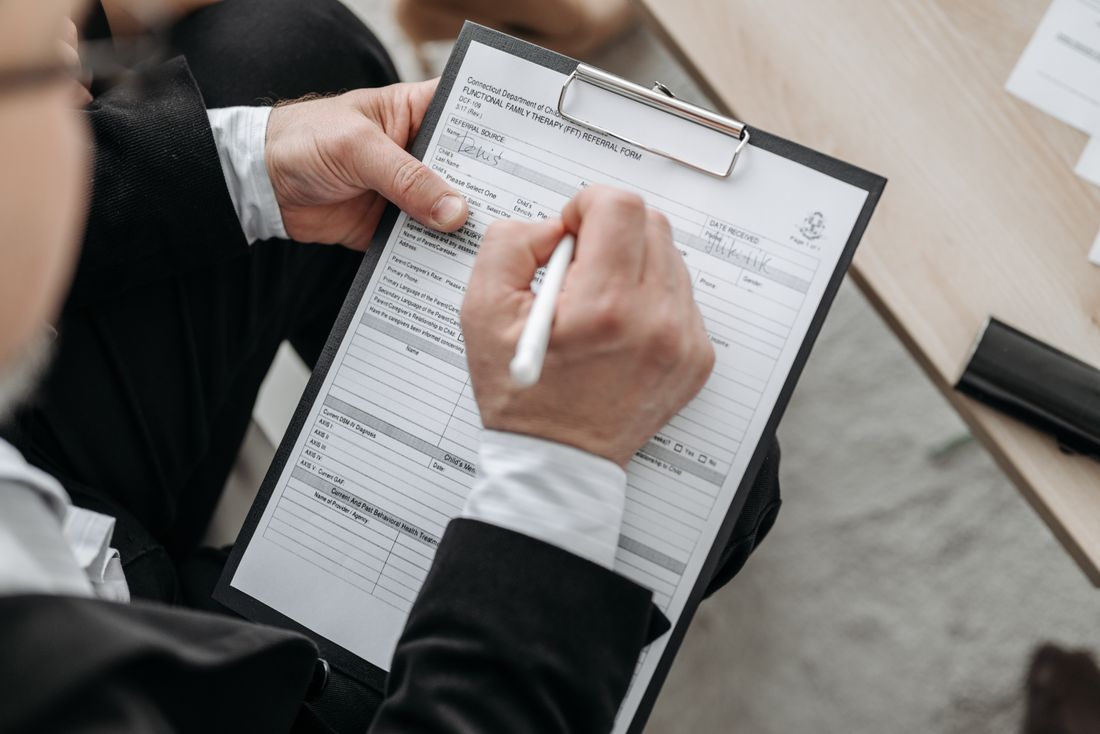
A certificate of insurance, or COI, is proof that a photographer or production company carries liability coverage, issued in a format the building's management office can file before granting access. Most commercial buildings require one, separate from the gallery's own approval, and it needs to start days ahead of the shoot, not the morning of.
What is a COI, and why does a commercial building ask for one?
A certificate of insurance, or COI, is a one-page document from a photographer's or production company's insurer that proves active general liability coverage. Commercial buildings ask for one because they're letting an outside crew, gear, and lighting stands into a shared space they're legally responsible for, and the certificate transfers that risk back to the crew's own policy instead of the building's.
The logic is straightforward once it's spelled out. A gallery is usually a tenant, not the owner of the building it occupies. The building's management office answers to the property owner, and the property owner's insurer typically requires that anyone doing organized work in common areas, loading docks, freight elevators, hallways, has their own coverage on file before they're allowed in. A gallery can grant permission for a shoot inside its own leased space without touching any of this. The building's shared spaces are a different jurisdiction entirely, and that's where the COI requirement actually lives.
Requirements vary by building, and by the building's own insurer, so a specific coverage minimum or a named carrier isn't something a photographer can assume ahead of time. What's consistent is the format: a COI names the building's management company (and often the owner) as an additional insured, lists coverage amounts, and has an effective date range that covers the shoot day with some buffer on either side. The gallery's own management office is the actual source of truth on what a specific building wants, and that's worth confirming directly rather than guessing from a past shoot at a different address.
Who typically needs to be listed as additional insured?
An additional insured is any party a COI extends coverage to beyond the policyholder, usually because they're allowing access to a space they don't want to carry the liability for alone. For a gallery shoot, that's commonly the building's management company and sometimes the property owner, listed by their exact legal name on the certificate.
The building's management office is the party that actually asks for this, and it's also the party that can tell a photographer the exact name and address to list. Getting the legal entity name wrong, using the building's street address instead of the management company's registered name, for instance, is one of the more common reasons a COI gets kicked back for revision. That single rejection can cost several days if it happens close to the shoot date, since a new certificate has to be requested from the insurer, corrected, and resubmitted before access is confirmed.
The gallery itself is sometimes also listed, particularly if the gallery has its own lease terms that call for it, but that's a separate ask from the building's requirement and worth confirming as its own line item. A photographer or production company working regularly in commercial buildings usually keeps a general-purpose COI on file with their insurer and requests updated versions with the correct additional insured names added as each new venue comes up. That's a faster process than starting from scratch every time, but it still isn't instant, and it still depends on knowing the right name to request in the first place.
How far in advance does this paperwork need to start?
COI and building-access paperwork should start as soon as a shoot date is under real discussion, not after it's confirmed. In practice that means giving the building's management office and the insurer roughly a week or more of runway before the shoot, since a certificate can take a few business days to generate correctly and there's often a revision round if a name or address comes back wrong.
The mismatch that trips people up is timing, not difficulty. A gallery or an artist can confirm a shoot date over a single email exchange, which makes the whole booking feel settled well before it actually is. The building's process runs on its own schedule: someone has to request the COI from the insurer, someone at the building has to review it, and if anything is off, that review cycle starts over. None of that moves faster just because the creative side of the booking already feels locked in.
A useful habit is treating the building's paperwork as its own parallel track the moment a shoot date starts to look likely, rather than something to circle back to once everything else is confirmed. Reaching out to the gallery's contact with one direct question, who at the building handles insurance and access, and what do they need, at the same time a date is being discussed keeps the slower process moving in the background instead of starting cold days before a crew is supposed to show up.
What other building-management paperwork commonly comes up?
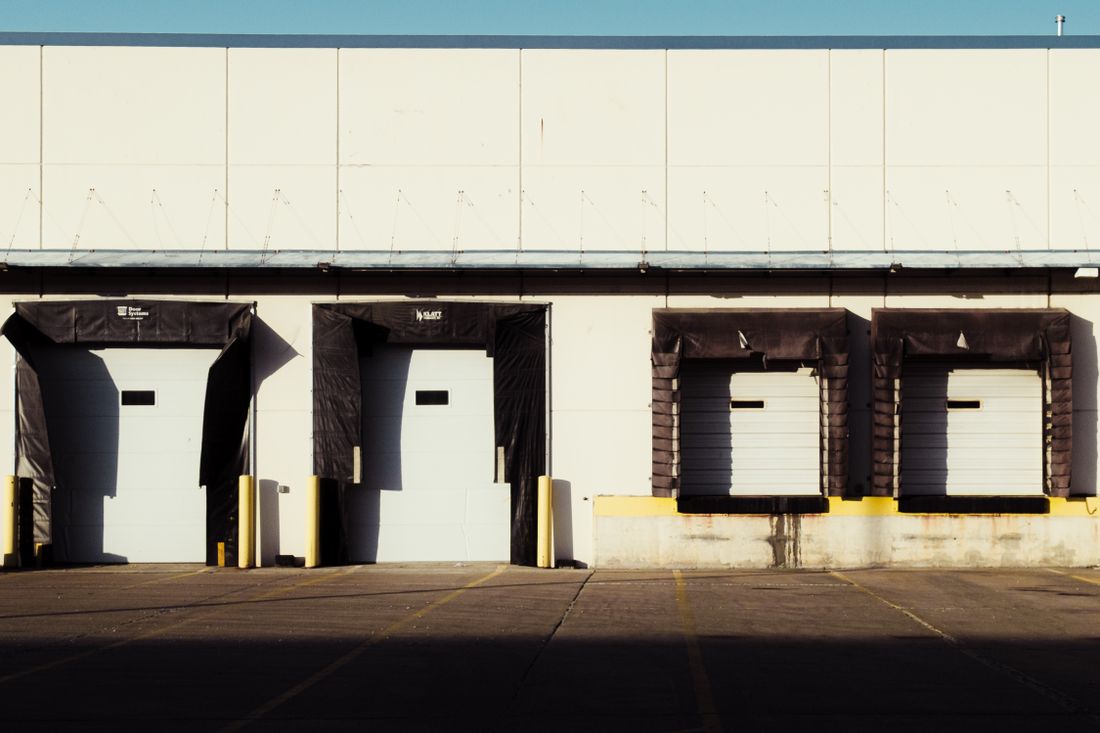
Beyond the COI itself, commercial buildings commonly ask for a freight elevator or loading dock reservation, proof of coverage for lighting stands and any extra crew beyond the photographer, and a separate after-hours access form if the shoot falls outside the building's normal business hours. Each of these is typically its own request, on its own timeline, inside the same management office.
Freight elevator and loading dock reservations matter more than they sound like they should. Many buildings run a single freight elevator for an entire tower, shared across every tenant moving anything larger than a briefcase that day, and a shoot bringing in lighting stands, stands, backdrops, or extra gear cases usually needs to book a window on that elevator in advance rather than assume it'll be free. Skip that step and a crew can find itself waiting in a lobby with cases while a delivery ahead of them clears the dock.
Extra crew and lighting equipment sometimes trigger their own line on the COI, or a separate acknowledgment that stands and rigging will be present, since that changes the liability picture from a single photographer with a camera to a small production footprint. After-hours access is its own form in a lot of buildings, since it usually means coordinating with building security or an on-site engineer who isn't there during standard hours, and that coordination has its own lead time separate from the COI process entirely.
What happens when this paperwork gets skipped or started too late?
The most common outcome is a crew arriving on schedule and being turned away at the front desk, because the building's management office has no record of the shoot and no COI on file to grant access. The gallery's own approval doesn't override the building's separate requirement, and security at the desk generally can't make an exception on the spot.
What that looks like in practice is a full crew, lighting gear, and a confirmed shoot day standing in a lobby while someone tries to reach the building's management office after the fact, which is rarely a fast fix even when it eventually works out. A rush COI request, if the insurer can even turn one around same-day, still needs the building to review and approve it before anyone's let upstairs, and that review doesn't happen instantly just because a crew is already standing there. The realistic outcome of skipping this step is a lost or heavily delayed shoot day, not a minor hiccup that gets smoothed over at the door.
The failure mode isn't usually a photographer forgetting insurance exists. It's the timeline mismatch: the gallery confirms a date quickly, everyone treats that as the booking being locked, and the building's slower parallel process never gets started until it's too late to matter. Building that process in as early as the date itself is what prevents the lobby scenario from happening at all.
What should you ask a gallery or venue contact before confirming a shoot date?
Ask the gallery's contact five things before treating a shoot date as locked: who at the building handles insurance and access, what the COI needs to say and who it needs to name as additional insured, whether a freight elevator or loading dock reservation is required, whether lighting stands or extra crew need to be disclosed separately, and whether the shoot falls inside or outside the building's normal access hours.
These questions are worth asking together, in one message, rather than one at a time as each one comes up mid-process. A gallery contact who has been through this before usually has the building management office's direct contact on hand and can forward it quickly. A gallery that hasn't dealt with this recently may need to ask their own building rep the same questions, which is exactly why starting early matters: that back-and-forth takes time regardless of who's asking.
It's also worth asking plainly whether the building has turned away a shoot before, or has a reputation for a slow review process. That's not a question every gallery contact will have a ready answer for, but when they do, it's useful information for how much lead time to actually build in. None of this is a substitute for the building's own written requirements, which should always be the final word over anything relayed secondhand, but it's a fast way to find out what to expect before the calendar gets tight.
Who is actually responsible for getting the paperwork done?
In most bookings, the photographer or production company is responsible for producing the COI itself, since it comes from their own insurer, while the gallery or venue contact is responsible for telling them what the building specifically requires and who to send it to. Neither side can complete the process alone, which is exactly why it needs to start as a shared task early, not a handoff late.
A photographer showing up with a general-purpose COI that names the wrong entity, or no COI at all, has effectively assumed the building will accept whatever's on hand. A gallery that confirms a shoot date without ever raising the building's requirement has effectively assumed the photographer already knows to ask. Both assumptions are common, and both are what actually causes the lobby scenario described earlier, not any real disagreement about whose job it is.
The cleanest version of this process treats it as two short tasks running in parallel from the moment a date is under discussion: the gallery finds out exactly what its building wants, and the photographer requests a COI naming the right party the moment that information comes back. Neither task takes long on its own. What takes time is the back-and-forth when nobody starts until the shoot is a day or two away, at which point every step that could have overlapped now has to happen in sequence instead.
Does this paperwork layer change for a landmarked or historic building?
The COI and building-access paperwork described here applies to any commercial building a shoot happens in, landmarked or not. A landmark-status building can add its own separate layer, restrictions on lighting stands touching protected surfaces, or additional sign-off from a building's preservation contact, but that's on top of the standard insurance and access process, not instead of it.
It's worth keeping these two layers mentally separate, because they're solved by different people. The insurance and access paperwork runs through the building's general management office and applies uniformly whether the building is fifty years old or five. Landmark-specific constraints, what a tripod can rest on, what can and can't be touched, additional lighting restrictions tied to protected architectural elements, are a separate conversation, usually with whoever at the building or the city handles landmark compliance specifically.
A gallery inside a landmarked building doesn't get to skip the COI process because the building's status feels like the bigger administrative hurdle. If anything, a landmarked building's management office is often more particular about paperwork being complete and submitted early, since they're managing both the standard liability concerns every commercial building has and the added scrutiny that comes with protected status. Treating the insurance paperwork as the baseline requirement, and any landmark-specific rules as an additional layer on top, is the more accurate way to plan for either kind of building.
Frequently asked questions
Does every commercial building require a COI for a photo or video shoot?
Most do, though the exact requirement varies by building and by that building's insurer, so it isn't something to assume without checking. A building's management office is the actual source of truth on whether a COI is required and what it needs to say. Confirming directly with them, rather than assuming the previous venue's requirements carry over, is the reliable way to find out before a shoot date is locked.
Who pays for the certificate of insurance?
The photographer or production company typically already carries general liability insurance as a normal cost of doing business, and the COI itself is usually a request to their existing insurer rather than a new purchase. There's sometimes a small fee from the insurer to issue an updated certificate naming a new additional insured, but it isn't a new policy being bought for each individual shoot.
Can a gallery shoot happen without a COI if the gallery itself already approved it?
Not reliably. The gallery's approval and the building's requirement are two separate processes run by two separate parties, and a gallery generally can't override its own building's management office. A crew that shows up without a COI a building requires risks being turned away at the front desk, regardless of what the gallery itself agreed to, since the building's own management team makes that call, not the gallery.
What's the difference between a freight elevator reservation and a COI?
A COI proves insurance coverage and grants general access approval from the building. A freight elevator or loading dock reservation is a separate, practical booking of shared equipment, since many buildings run one freight elevator across every tenant. A building can require both, and clearing one doesn't automatically clear the other, so each one needs to be asked about and confirmed on its own, not assumed from the other.
How much lead time should a gallery build in for building paperwork?
A week or more of runway before the shoot date is a reasonable general target, since a COI can take a few business days to issue correctly and there's often a revision round if a name or address needs correcting. Starting the conversation with the building the moment a shoot date looks likely, rather than after it's fully confirmed, is what keeps that timeline from becoming a problem.
Got a photo or video project taking shape in NYC?
Tell us what the files need to do, where the day is happening, and what has to go right, and we'll help shape a production plan around it.
Start a project →