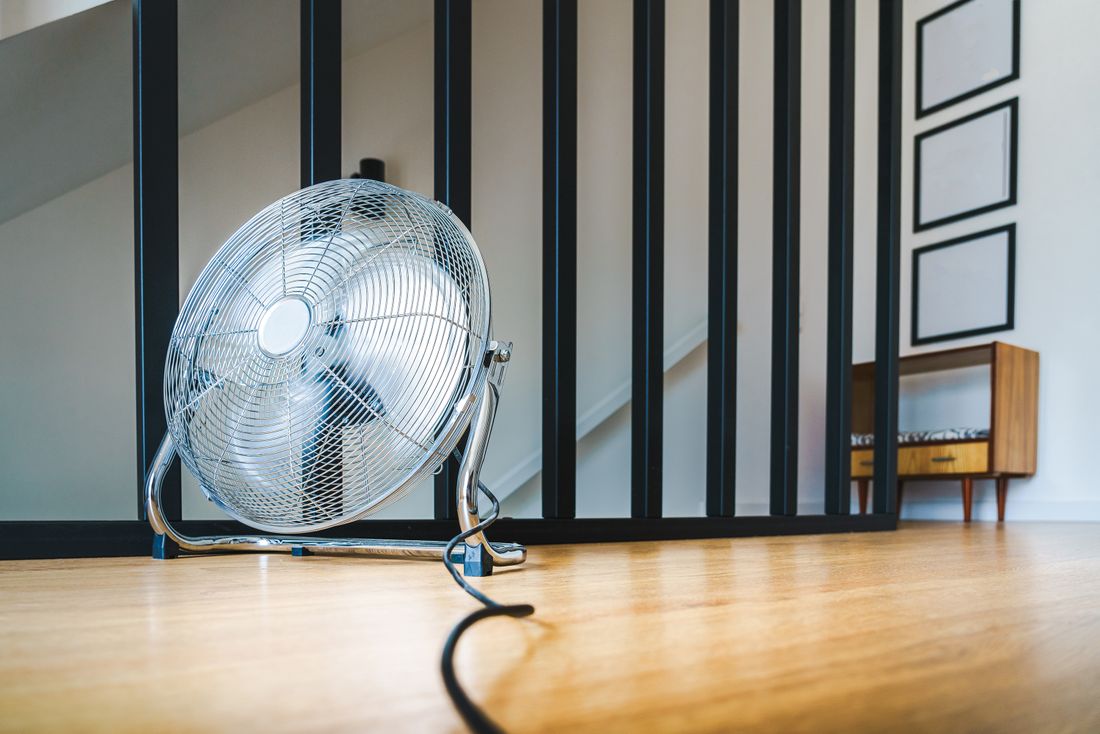
Heat shows up on camera long before anyone in the room says it out loud. A forehead picks up sheen under continuous lighting, a collar stops sitting the way it did at call time, and linen that looked easy in the morning starts creasing in a way that reads as rumpled rather than relaxed. In a New York studio without air conditioning in August, that isn't a comfort issue on the side of the shoot. It's a styling variable with its own timeline, and it changes what gets worn, in what order, and how long any single look can hold before it needs attention.
Style a hot studio around the room's timeline, not just the shot list: pick fabrics with structure over ones that are simply thin, save the crisp button-down and palest pieces for the first looks of the day, build in a hot-studio kit of fans, blotting sheets, and backup pieces, and set a clear point at which the plan is to move the shoot rather than keep fighting the room.
Does a Hot Studio Actually Show Up in the Photos?
Yes. A hot studio shows up in the photos before anyone in the room admits the space is uncomfortable. Sheen appears on skin under continuous lighting, collars stop holding their line, and linen creases in a way that reads as rumpled instead of relaxed. In a New York studio in August, heat is a real styling constraint, not a comfort footnote to mention after the shoot wraps.
Cameras are more honest about heat than a room full of people trying to stay professional. A stylist can feel the temperature climbing and still decide it's manageable, while the lens is already recording a slightly damp hairline, a shirt losing its shape at the shoulders, or a jacket that looked sharp at call time going soft by the third look. None of that reads as warm weather. It reads as unfinished or careless, even when the actual difference is a few degrees and an hour of continuous lighting working on the room.
The practical problem is timing. Heat sheen, fabric wilt, and makeup shift all build gradually, so a room can feel fine at the start of a session and genuinely uncomfortable two hours later, with the wardrobe already showing it before anyone says a word about the temperature. Waiting for someone to comment on the heat means styling is already reacting instead of planning. The sections that follow cover the fabric, order, and kit decisions that keep a studio without air conditioning from writing itself into the finished images.
Which Fabrics Actually Hold Up in a Hot Studio?
Fabrics that hold up in a hot studio are the ones built to move air and hide moisture: mid-weight cotton, cotton-linen blends, and finished jersey with some structure to it. Pure linen looks intentional for the first twenty minutes and then creases in a way that reads as tired rather than textural, so it works best as an accent piece rather than the main look of the day.
The instinct is to reach for the lightest possible fabric, but thin, flimsy weaves often show sweat and static faster than something with a bit more body. A fabric with structure holds its shape against a warm back or a damp collarbone, where an ultra-light weave clings and reveals exactly where the heat is sitting on the body. Natural fiber blends with a small percentage of synthetic for recovery tend to bounce back between takes better than a fabric that's fully natural and fully soft.
Texture matters as much as fiber content. A slightly textured weave hides small creases and shine better than something smooth and flat, because the eye reads texture as intentional rather than as evidence the garment has been sitting on a warm body for an hour. Matte finishes generally photograph calmer in a warm room than anything with sheen, since a shine that would read as polished in a cool, controlled studio starts competing with actual perspiration under continuous lighting. None of this rules garments out entirely. It just changes which pieces earn the first slot of the day and which ones get held for a shorter, later look.
Why Is the Crisp Button-Down Often the Worst Choice in the Heat?
The crisp button-down feels like the safe, professional choice, which is exactly why it fails in a hot studio. Structured cotton with a stiff collar and a fitted back is one of the fastest garments to visibly wilt: the collar softens, the back shows dampness first, and the very crispness that made it look polished at call time becomes the clearest evidence that the room is warm.
A button-down's whole visual promise is precision (a straight collar, a clean line at the shoulders, no visible creasing at the elbows or waist). Once heat and movement start working against that precision, the garment doesn't fail gracefully the way a more relaxed piece does. A slightly rumpled linen shirt can still read as an intentional, easy choice. A slightly wilted button-down reads as a garment that's stopped doing its job, because the entire point of the style was structure, and structure is the first thing heat takes away.
There's also a timing problem specific to this garment. A button-down usually goes on early, since it reads as the dependable, camera-ready option, which means it's also the piece absorbing the most cumulative heat exposure across a long session. By the time the room has warmed up further, the shirt has already been fighting a losing battle for an hour. The safer choice in practice is a shirt with a softer collar construction or a slightly heavier weave that resists collapsing, saved for earlier in the day rather than treated as the fallback look that can go on whenever it's convenient.
What Colors and Prints Hide Heat Stress Best on Camera?
Mid-tones and small, busy prints hide heat stress better than solid pale colors or anything with a flat, light finish. Pale solids show sweat marks and shine almost immediately under continuous lighting, while a mid-tone or a subtle pattern breaks up the surface enough that minor dampness or fabric shift doesn't read as clearly on camera.
White and very light colors are the hardest to manage in a warm room, not because they look bad, but because they show every change in the fabric the moment it happens. A damp patch that would be invisible on a mid-tone olive or a soft rust reads immediately against pale cotton or linen, and once it's visible, it stays visible for every frame after that until wardrobe steps in. Solid black has the opposite problem: it hides moisture well but shows dust, lint, and steamer marks more obviously, and it absorbs heat from continuous lighting faster than lighter tones.
Small prints, subtle textures, and mid-saturation colors sit in the useful middle. They photograph as intentional rather than plain, and their surface variation does real practical work, camouflaging the small, ordinary signs of a warm room without looking like a workaround. This isn't a case for avoiding pale or solid colors entirely. It's a case for sequencing them deliberately, treating the palest and most exposed pieces as looks that get shot early, and saving anything with more forgiving color and pattern for later in a session once the room has had more time to warm up.
What Order Should the Looks Be Shot In When the Room Is Heating Up?
Shoot the hottest-looking, most exposed, or most structured looks first, while the room and everyone in it are still fresh. A pale button-down, a fitted piece, or anything relying on crisp structure should go in front of the schedule, not the middle or the end, because those are the garments and the energy level that degrade fastest once a no-AC studio has had time to warm up.
This is a straightforward resource-management decision once it's named. Early in a call time, the room hasn't accumulated heat from continuous lighting yet, the talent hasn't been standing under hot fixtures for hours, and hair and makeup are at their freshest point of the day. That's the moment to spend on the look with the least margin for error, rather than saving it as a reward for good behavior later in the schedule. A relaxed, forgiving look (heavier texture, a mid-tone color, a piece that's supposed to look a little lived-in) can absorb an extra hour of heat far better than a precise, pale, structured one can.
Building the shot list this way also protects the schedule itself. If a stylist knows the demanding look is first, prep can happen before call time when everyone is calm and the room is at its coolest, instead of scrambling to steam and fit it later while the crew is already warm and the clock is moving. Sequencing by heat vulnerability, not just story logic or lighting setup, is often the single easiest planning decision that keeps a summer studio day from working against itself.
What Belongs in a Stylist's Kit for a Studio With No AC?
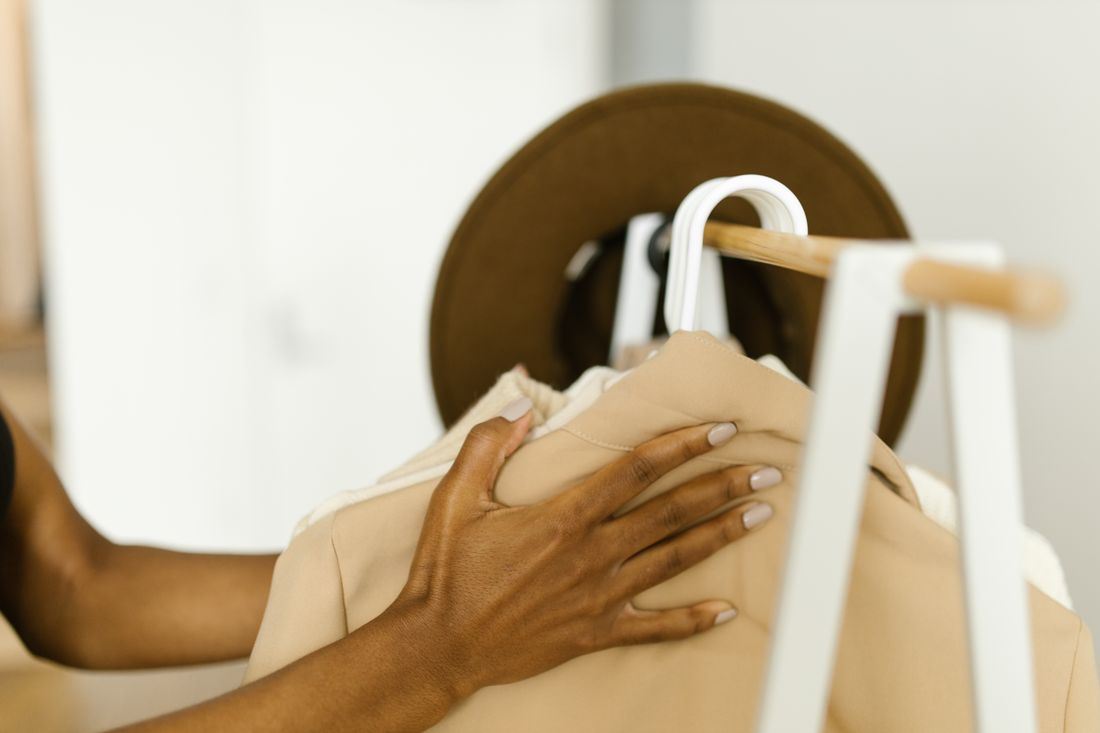
A hot-studio kit adds a short list to the usual styling bag: a portable fan positioned to cool talent between takes without disturbing hair or fabric, blotting sheets for skin, a lint roller that also lifts light sweat marks, backup pieces in more forgiving fabrics, and extra hanging space so garments aren't sitting in a warm pile between changes.
The fan does more work than it sounds like it should. Placed correctly, just out of frame and aimed at the body rather than the face, it keeps talent more comfortable between setups and slows how quickly a garment starts to show heat, without becoming a visible or audible problem once the camera rolls. A second fan aimed at the wardrobe rack itself, rather than a person, helps pieces that are waiting their turn stay drier and less limp before they're needed.
Backup pieces earn their place in a hot-studio kit more than almost any other scenario. A near-identical piece in a slightly heavier or more textured fabric can quietly replace a garment that's started to wilt, without changing the visual story of the shoot. Extra hanging space matters more than it seems: a garment folded over a chair in a warm room creases differently than one hung loose, and that difference shows up on camera later in the day. None of this is about treating the day as an emergency. It's ordinary production courtesy (water, shade, and short breaks) extended to the wardrobe as much as to the people wearing it.
How Do You Tell When to Stop Fighting the Room and Move the Shoot?
Move the shoot, or at least the remaining looks, once the room is visibly changing the images faster than styling can compensate for it (repeated sheen despite blotting, fabric that won't hold its line even fresh out of steam, or a shot list that's taking noticeably longer because everyone keeps stopping to recover). At that point, fighting the room costs more than relocating does.
The decision is easier to make early than late. A studio that's warm but stable, where a fan, a sequencing plan, and a few fabric swaps are keeping pace with the heat, is worth staying and working through. A studio that keeps climbing, where each fix buys less time than the last one did, is a different situation entirely, and recognizing that difference before the shot list is half-finished protects the rest of the day. The available options are moving to a cooler part of the same building, shifting later setups outdoors or into shade if the location allows it, or rescheduling the remaining looks rather than shooting them under conditions that are visibly working against the wardrobe.
None of these options is a failure. A studio without air conditioning in August is a known, ordinary constraint, not a surprise anyone needs to apologize for, and building in a real decision point ahead of time is part of planning the day honestly. The version of this that actually goes wrong isn't the studio getting warm. It's staying in a room that's clearly no longer working because moving felt like admitting the plan needed a change.
What Changes About Touch-Ups and Continuity Once the Room Gets Hot?
Touch-ups happen more often in a hot studio, and continuity notes need to track more than usual: which pieces have already been steamed once, how long ago a look was last refreshed, and whether a repeat appearance later in the day will need the same attention it got the first time. Heat turns touch-ups from an occasional fix into a running maintenance job.
In a cooler room, a look can often be set once and left alone between takes. In a warm studio, small adjustments (resetting a collar, re-steaming a hem, blotting a shine that's crept back) happen on a much shorter cycle, and skipping one round because the shot felt close enough tends to show up clearly once the frame is reviewed later. Keeping a simple running note of what's been touched up and when helps prevent the same fix from being forgotten on a second appearance of the same garment.
Continuity across a long, hot day also means watching for pieces that quietly degrade between their first and second appearance. A jacket that looked fine in an early wide shot might show visibly more creasing by the time it reappears for a closer detail shot later on, even if nothing else about the styling changed. Treating touch-ups as scheduled checkpoints, built into natural pauses between setups rather than squeezed in only when something looks obviously wrong, keeps a hot room from slowly eroding continuity over the course of the day without anyone noticing until the footage is reviewed.
Frequently asked questions
Does every studio shoot with no air conditioning need a portable fan?
A fan is one of the cheapest, most useful items in a hot-studio kit, but the real requirement is a plan for keeping talent and wardrobe cooler between takes, not the specific tool. A fan positioned away from hair and loose fabric, aimed at the body rather than the face, is usually the easiest way to do that, though a shaded rest area or a cooler adjacent room can work as a substitute.
Is linen always a bad choice for a hot studio shoot?
No. Linen breathes well and photographs beautifully for the first stretch of a shoot, which makes it a strong choice for an early look or a single accent piece. The problem is duration and structure: linen creases quickly under heat and movement, so it works best scheduled early in the day rather than relied on as the main fabric across a long, warm session with many looks.
How many backup wardrobe pieces should a stylist bring for a hot studio day?
Enough to cover the pieces most likely to show heat first: pale solids, structured button-downs, and anything fitted close to the body. A near-identical backup in a slightly heavier or more textured fabric lets a stylist swap out a wilting piece without changing the visual story of the shoot, so the priority is covering the vulnerable garments rather than duplicating the entire wardrobe rack piece for piece.
Does a hot studio change the hair and makeup plan too?
Yes, in the same way it changes wardrobe. Heat affects how long a hairstyle or a matte finish holds, so touch-ups tend to happen on a shorter cycle, and products built to resist shine or humidity are worth planning for ahead of time. The wardrobe and beauty teams are usually managing the same underlying problem from two different angles across the same warm working day.
Is it ever fine to just push through a hot studio without adjusting the plan?
Occasionally, if the shoot is short, the room is only mildly warm, or the wardrobe is already forgiving fabric that won't show much change. Outside those conditions, pushing through usually means the room ends up dictating the images instead of the plan doing it. A short sequencing and kit adjustment upfront is generally far less disruptive than fixing wilted wardrobe in post or reshooting later.
Not sure what to wear for your portrait session?
We build the wardrobe plan around your actual work and how you present it, so the clothes support the portrait instead of competing with it.
Explore styling services →