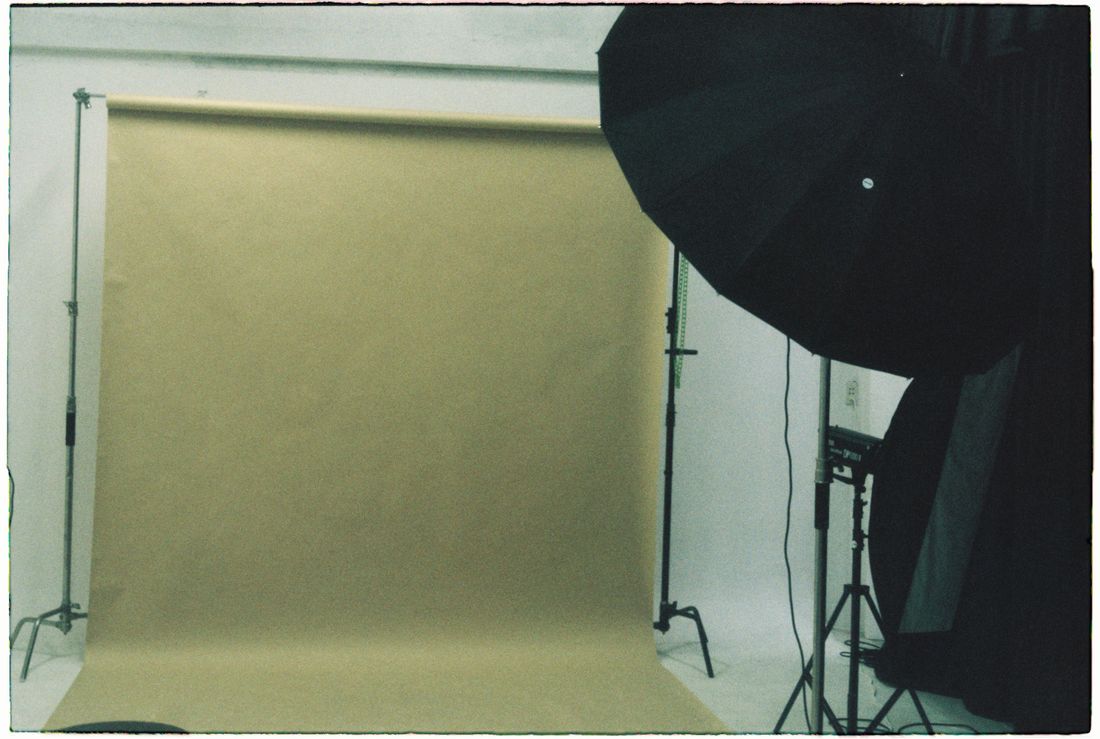
The parts of portrait prep that actually change the outcome rarely get much attention. Most planning energy goes toward rehearsing an expression, mapping out every pose, or trying to look like a more photogenic version of yourself, while the more useful groundwork, deciding what the photo needs to say, having wardrobe options ready before the morning of, showing up rested instead of running on fumes, happens almost by accident. This is a practical look at what to actually do in the days before an artist portrait session, and just as usefully, what to leave alone.
Preparing well for an artist portrait means deciding what the photo needs to communicate, having a couple of wardrobe options ready ahead of time, and showing up rested. It does not mean rehearsing an expression, scripting every pose, or trying to become a different version of yourself for the camera. The over-prepared portrait and the under-prepared one tend to look the same: stiff, generic, and a little bit like nobody.
What actually helps you prepare for an artist portrait session?
The preparation that actually helps an artist portrait session comes down to four things: deciding what the photo needs to communicate, having wardrobe options ready before the morning of, getting real rest the night before, and holding a loose sense of what you want and don't want from the shoot. Everything else is optional.
Deciding what the photo needs to say sounds abstract, but it's the decision that actually organizes everything else, the wardrobe, the setting, even the mood of the session. A portrait meant for a gallery submission wants something different than one meant for a personal website or a press kit, and knowing that before the shoot means the whole session pulls in one direction instead of several.
Wardrobe matters, but not for the reasons most artists assume. The point isn't nailing the perfect outfit, it's not scrambling for one an hour before the call time. Two or three options thought through a few days ahead removes a source of stress that has nothing to do with how the portrait actually turns out.
Rest is the most overlooked variable, and also the simplest to fix. A tired face reads differently on camera: heavier under the eyes, flatter in expression, slower to relax into anything unscripted. None of that shows up on a call sheet, but it shows up in the photos.
The loose sense of what you want, and what you don't, gives the photographer a real starting point instead of a blank page. It doesn't need to be a plan. It needs to be a direction.
What should you decide the portrait needs to communicate before you book it?
Before booking an artist portrait, decide what the photo needs to communicate: a bio page wants ease and approachability, a press kit wants a bit more polish, a gallery submission wants the work itself to read clearly alongside you. That decision, made early, shapes everything from location to wardrobe to how the session gets briefed.
Most artists skip this step because it feels obvious, of course the portrait should communicate who they are. But "who you are" isn't specific enough to plan around. A portrait built for a gallery submission next to your paintings needs to hold its own visually against the work, without competing with it. A portrait meant to sit at the top of a personal website carries a different job: it usually needs to feel more approachable and less formal, since it's often someone's first impression of you before they've seen a single piece.
Press use adds another layer. A photo that runs next to a review or an interview tends to want a slightly more considered register than a bio photo, even if the difference in styling is small. None of this means shooting three different portraits. It means having one honest answer, going in, about which use matters most right now, so the session can be built around that instead of trying to serve every use equally.
A quick test: picture exactly where the photo will live first, then ask what that context needs from the person in frame. The answer usually arrives faster that way than as an open question about identity.
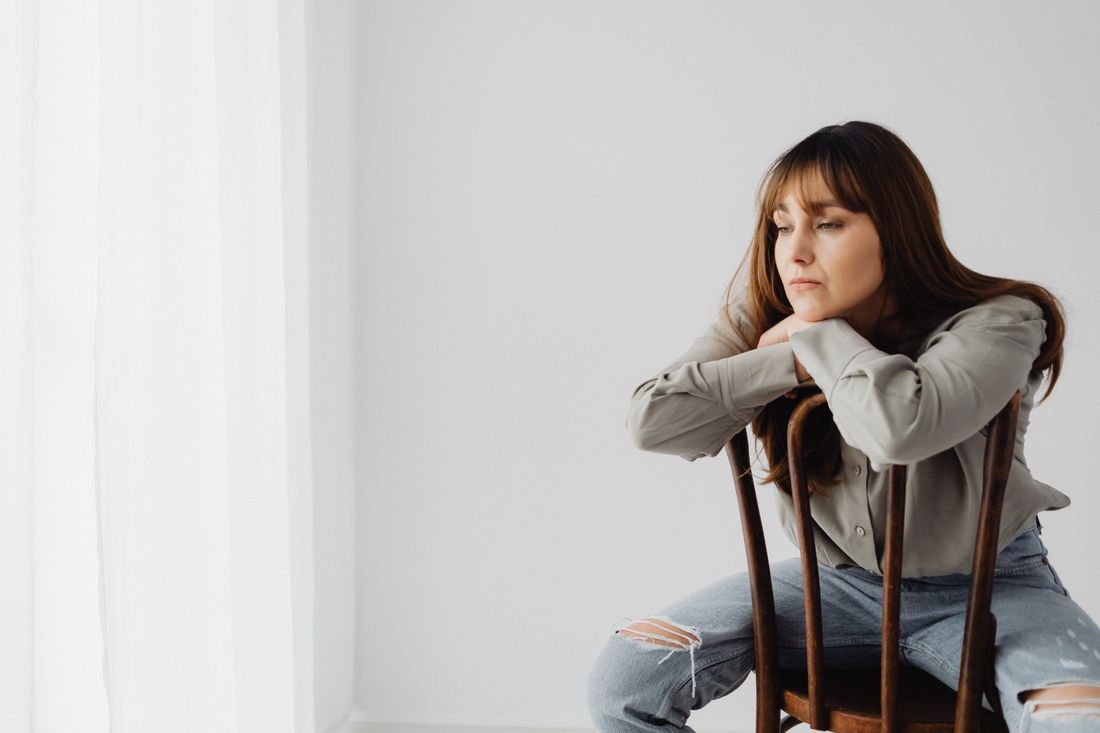
How much wardrobe planning should happen before session day?
Wardrobe planning before an artist portrait should happen a few days ahead, not the morning of, and it doesn't need to go deeper than narrowing down two or three real options. The goal at this stage is removing decision-making from session day, not finalizing a look down to the last detail.
A morning-of scramble through the closet costs more than time. It adds a layer of stress right before a session that's supposed to feel relaxed, and it often ends with whatever's clean and nearby rather than what actually fits the shoot. Setting wardrobe options aside a few days early, even just laying two or three choices across a chair, removes that entire problem before it starts.
The exact colors, textures, and fits worth choosing are a deeper conversation than this guide covers. What matters here is simpler: pick options that already exist in your closet, confirm they're clean and pressed, and stop thinking about it until the day arrives. Trying on outfits repeatedly in the days before a shoot, second-guessing the choice over and over, tends to create more anxiety than it resolves.
One more practical habit: bring the chosen options with you rather than deciding at home and hoping they survive the trip. A shirt that looked right folded in a drawer can look different once it's actually on and under real light, and having a backup on hand costs nothing.
Does sleep and rest before a session actually change the portrait?
Yes. A tired face photographs differently: heavier under the eyes, flatter across the expression, slower to relax into anything unscripted. Getting a real night of sleep before an artist portrait does more for how the photos turn out than almost any other single decision made in the days beforehand.
Fatigue shows up in small, specific ways a camera catches even when a person feels fine. The skin under the eyes reads darker and puffier. Expressions take longer to settle into anything natural, because a tired brain has less patience for the slow process of relaxing in front of a lens. Posture tends to slip too, shoulders rounding forward, which reads as low energy even in someone who isn't actually unhappy to be there.
None of this is about looking flawless. It's about being present enough to get past the first stiff minutes of a session and into something that actually looks like you. A well-rested artist gets there faster, sometimes within the first few frames. An exhausted one can spend the whole session still working through the fog, and it usually shows in the final selects.
The practical version of this is unglamorous: protect the night before, skip the late studio session or the early flight if there's any way around it, and eat something real before arriving rather than running on coffee. None of it guarantees a great portrait on its own, but skipping it makes every other part of the session work harder than it needs to.
Should you walk in with a rough idea of settings or props?
Yes, a loose idea of settings and props helps, as long as it stays loose. Knowing you want a specific corner of the studio, a particular tool, or a piece you're proud of in frame gives the photographer somewhere real to start, and knowing what you'd rather avoid is just as useful.
A wish list doesn't need to be long. One or two things you genuinely want, a specific piece leaning against the wall, the window light in a particular corner, a tool you use every day, give the session a real anchor instead of a generic backdrop. These are usually easier to name than expected, because they're already part of daily life in the studio, not something invented for the camera.
The avoid list matters just as much and gets skipped more often. Maybe there's a corner too cluttered to read well in a photo, a piece that isn't ready to be seen yet, or an angle that's been unflattering in past photos for reasons that have nothing to do with how you actually look. Naming that ahead of time saves everyone from discovering it live.
The important boundary is between a rough direction and a locked plan. A list of two or three real preferences gives a photographer something honest to build from. A shot-by-shot storyboard, worked out down to the exact prop placement and camera angle, tends to produce something stiffer than intended, because it leaves no room for whatever actually happens once the light and the moment line up on the day.
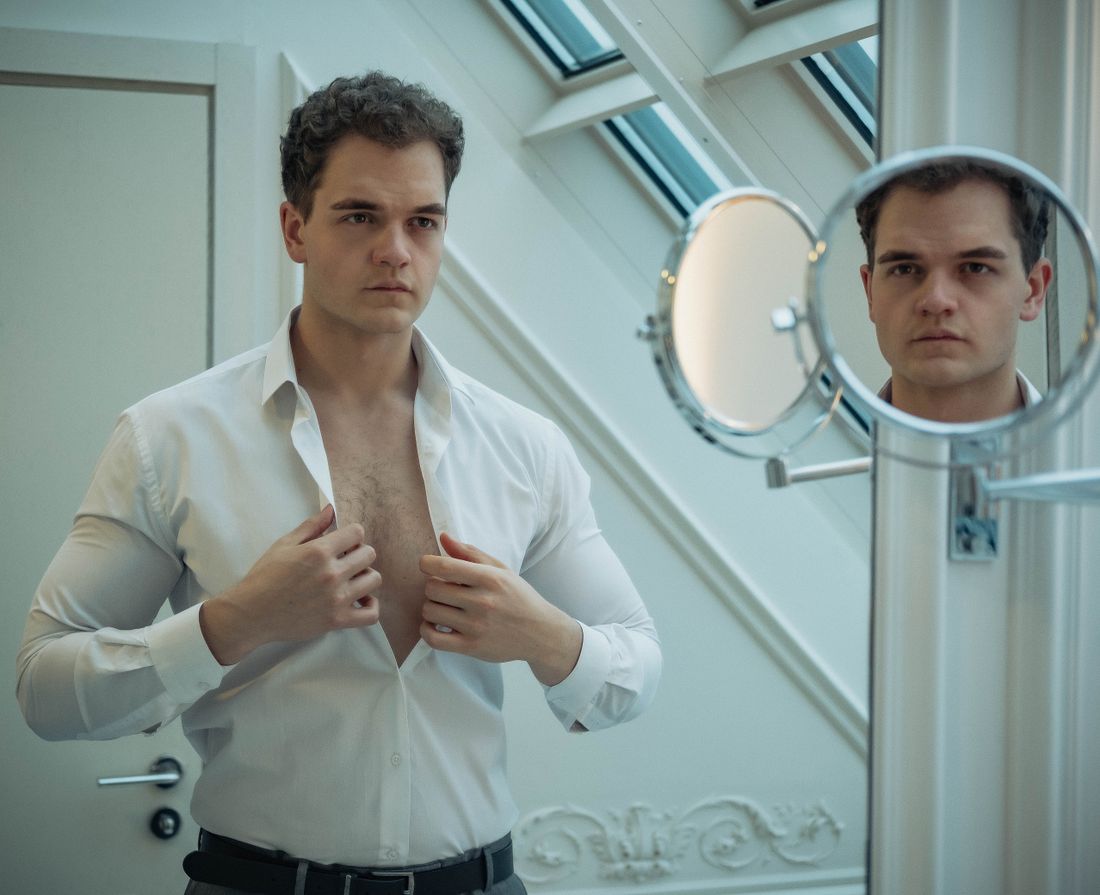
What does over-preparing for a portrait actually look like?
Over-preparing for a portrait usually means rehearsing an expression in the mirror, planning every pose down to the angle of a hand, or trying to walk in as a more photogenic version of yourself. It comes from a good instinct, wanting the photo to turn out well, but it tends to produce the opposite result.
A rehearsed expression reads as rehearsed almost immediately, even to someone who couldn't say exactly why. The muscles hold a shape that isn't quite natural, and it repeats the same way in every frame, which is its own tell. A camera catches the difference between an expression that's happening and one that's performed, even when it looked fine in a mirror the night before.
Scripting every pose creates a different problem. It leaves no room for whatever the light, the setting, or the moment offers on the day, and it turns a photographer's job into matching a plan instead of responding to a real person in a real room. Some of the strongest frames come from a moment nobody planned, a genuine reaction, a pause between poses, a laugh at something unrelated to the shoot.
Trying to "become" a different version of yourself for the camera is the biggest miss of all, because the point of an artist portrait is that it looks like you, not a more polished stand-in. Over-preparing and under-preparing end up closer together than they seem. One arrives with nothing, the other so scripted that nothing real gets a chance to happen. Both leave with a portrait that could belong to anyone.
What should you actually bring to an artist portrait session?
Bring your chosen wardrobe options rather than deciding at home, one real tool or piece of work that's genuinely part of your practice, and enough time so the session doesn't start rushed. That's a short, practical list, and it covers most of what actually matters on the day.
Bringing the actual outfits, not just a mental note of what you planned to wear, matters more than it sounds. Clothes that looked right on a hanger can behave differently under real light, and having a backup on hand means a wardrobe surprise doesn't turn into a session-long problem. This is also a good moment to double check that everything is clean, pressed, and free of anything distracting, a loose thread or a visible stain reads much bigger in a photo than it does in person.
One genuine object from your practice, a brush, a tool, a piece you're currently working on, usually earns its place in frame more than anything chosen specifically for the shoot. It doesn't need to be planned as a prop. It just needs to be real.
Arriving with time to spare matters more than most people expect. Rushing in five minutes before a session starts carries the stress of the commute straight into the first frames, and that tension usually takes a while to shake off. Building in even fifteen extra minutes, to get settled, have some water, stop thinking about traffic, tends to pay off in how relaxed the first real shots look.
What's worth doing in the 24 hours before the session?
In the 24 hours before an artist portrait, confirm the call time and location, lay out the wardrobe options already chosen, and protect the night's sleep. That's the entire list. Everything else, expressions, poses, becoming a different version of yourself, is better left alone until the camera is actually there.
Confirming logistics the day before, address, parking, call time, anything the studio needs from you, removes small stressors that can still throw off the morning if left for the last minute. It's a five-minute task that pays for itself.
Laying out wardrobe the night before, rather than deciding that morning, means one less decision competing for attention on the actual day. The clothes are chosen, clean, and ready to go, and that part of the morning simply doesn't require any thought.
Sleep is worth protecting more than any other habit on this list. A late night before a session tends to show up in the photos in ways that are hard to fully correct afterward: heavier eyes, flatter expressions, a slower path to anything relaxed. Given a choice between one more errand and an earlier bedtime, the bedtime is almost always the better trade.
What doesn't belong in these final hours is rehearsal. Practicing an expression in a mirror or running through poses the night before tends to produce exactly the stiff result good prep is supposed to avoid. The most useful thing to do with the last evening is very little: lock the logistics, rest, and let the session be the first time anything happens in front of the camera.
Frequently asked questions
How far in advance should I start preparing for an artist portrait session?
Start thinking about wardrobe and what the photo needs to communicate about a week out, which gives enough time to pull two or three outfit options without rushing. Beyond that, most useful prep happens in the final 24 hours: confirming logistics, laying out clothes, and getting a full night of sleep. There's little value in planning further ahead than that, since over-preparing tends to work against the portrait as much as under-preparing does.
Is it a mistake to practice expressions before a portrait session?
Yes, generally. A rehearsed expression tends to look rehearsed on camera, even when it looks natural in a mirror, because it holds the same shape in every frame rather than shifting naturally the way a real expression does. The more useful preparation is getting rested and comfortable with what the session is for, then letting the actual expressions happen in the moment instead of arriving with one already decided on.
Should I plan out specific poses before the session?
A short list of one or two things you'd like in frame, a piece of work, a particular corner of the studio, is useful. A detailed, shot-by-shot pose plan usually isn't, because it leaves no room for what the light or the moment actually offers on the day. Loose direction gives a photographer somewhere real to start. A locked plan tends to produce a stiffer, more generic result than either person intended.
Does what I eat or drink before a session actually matter?
It matters more than it sounds like it would. Skipping a real meal before a session tends to show up as low energy or a flatter expression by the later frames, and running purely on coffee can add a jittery edge that reads on camera. Eating something real beforehand and staying hydrated is simple, unglamorous prep, but it holds up better than almost any other single habit on session day.
What's the single most useful thing to do before an artist portrait?
If only one thing gets done, protect the night's sleep beforehand. Fatigue shows up directly in a portrait, heavier under the eyes, a flatter expression, a slower path to anything that looks relaxed, in ways wardrobe or a good plan can't fully offset. Everything else on a prep list matters, but a well-rested, unrehearsed artist tends to photograph better than an exhausted one who planned every detail in advance.
Not sure if you need a refresh or a whole new concept?
We shoot both, and we'll say plainly which one fits your portrait before anything gets booked, not after the invoice.
Explore portrait sessions →