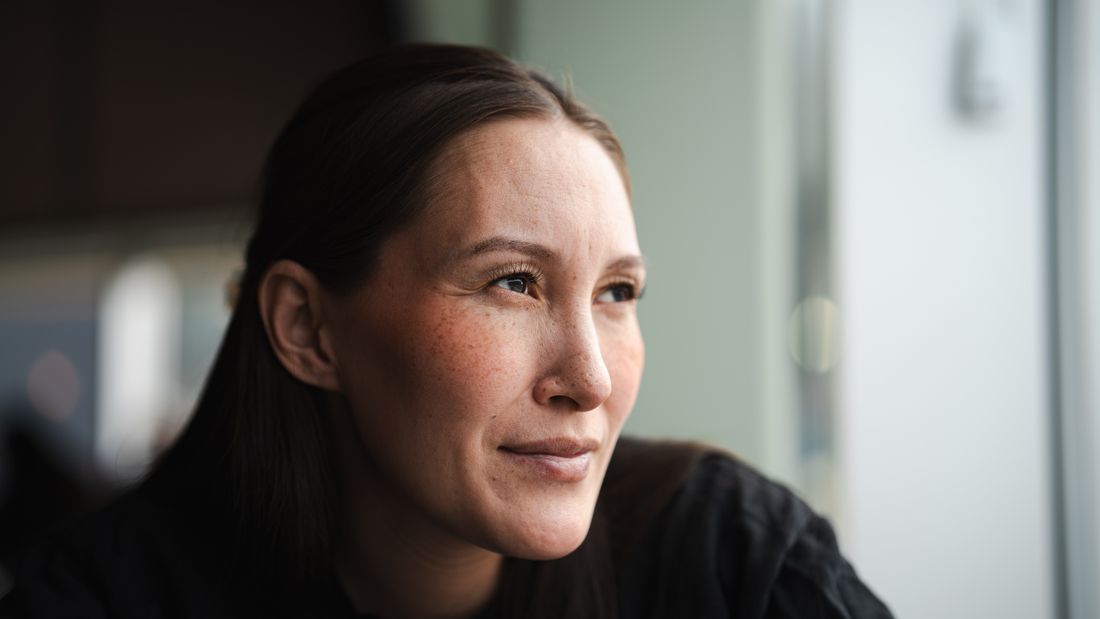
Most people can tell the difference between a portrait that feels true and one that just looks good, even if they can't say exactly why. The good-looking one is usually well lit, well framed, technically correct. The one that feels true usually has something else going on: a real expression instead of a held one, a posture that hasn't been arranged, a moment that wasn't fully anticipated by either person in the room.
That difference isn't luck, and it isn't really about the camera. It comes from a handful of decisions, most of them made before the shutter fires.
The short answer
A portrait feels like the real person when it captures an unperformed moment rather than a held expression, in a setting and with details specific to that person rather than generic to portraiture. That usually takes more time than a rushed session allows, and it takes a photographer more interested in what happens between the posed shots than the posed shots themselves.
None of this requires an unusual concept or an elaborate setup. It requires enough time, a setting that doesn't add pressure, and a few real, specific details instead of a change of outfit and a formal expression.
Performed expressions vs. real ones
Almost everyone has a performed expression, the one that appears automatically the moment a camera points at them. It's not fake exactly, but it's rehearsed, and it tends to look slightly different from how that person actually looks when they're absorbed in something, mid-laugh, or simply not thinking about being photographed.
The gap between those two expressions is where most of the "feels like you" quality lives. A skilled portrait session isn't really about capturing the performed expression well. It's about creating enough space, and enough real conversation or activity, that the performed expression drops and something more honest shows up instead.
This is also why candid-feeling frames often outperform the formally posed ones in the same set, even when the pose is technically flawless. A held expression reads as a held expression to almost anyone looking at it, even if they couldn't explain why. The eye is good at spotting the difference between a moment and a performance, even in a still photo.
Why time matters more than technique
Most people need real time in front of a camera before they stop performing for it. The first several minutes of almost any session look noticeably different from the last several: stiffer posture, more careful expressions, more awareness of the lens. That's normal, and rushing past it usually means walking away with only the performed version.
A session built around 20 to 30 minutes of actual shooting, with breaks to talk in between, tends to produce more honest results than a compressed 10-minute session, even with identical lighting and equipment. The extra time isn't wasted; it's doing the actual work of getting the subject to a place where their real expressions can surface.
A useful way to think about it: the first few minutes are for the camera to become boring. Once someone stops noticing it's there, mid-sentence, mid-laugh, mid-task, the strongest frames start showing up almost on their own. Rushing this stage doesn't save real time, it just trades the honest version of the portrait for the performed one.
Studio, home, or workspace
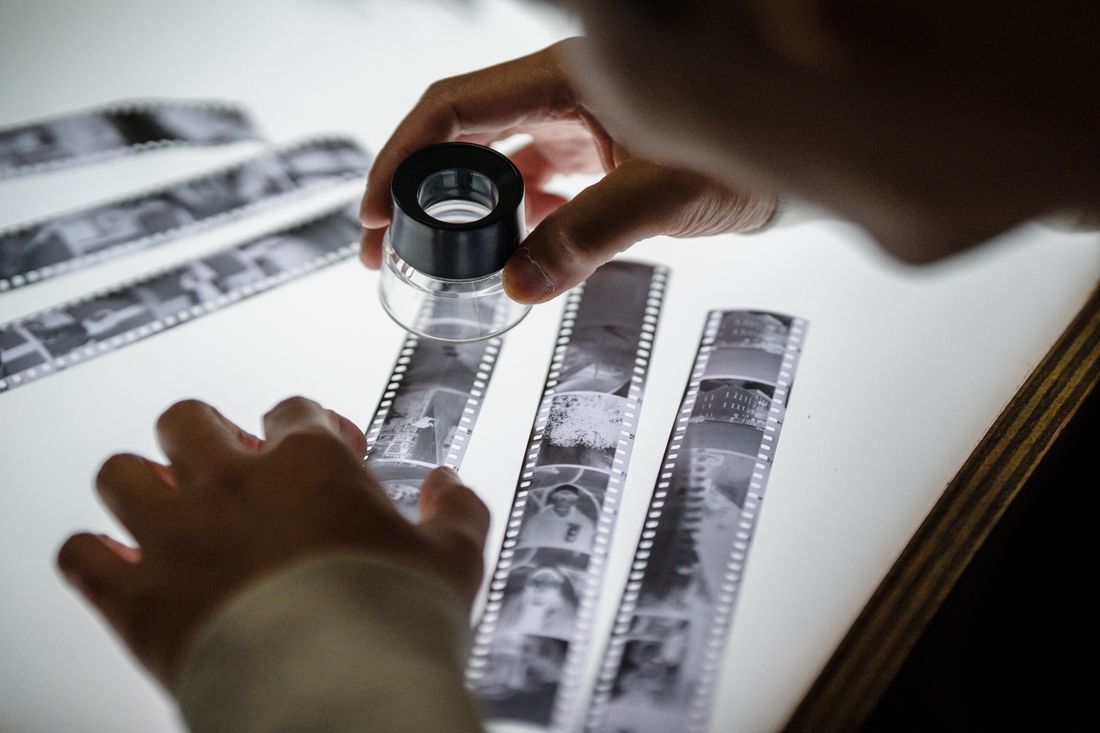
Either a studio or a familiar setting can produce a portrait that feels true, but they get there differently. A studio offers control over light and background, which can help if the subject already feels comfortable in front of a camera. A familiar space, home, studio, workspace, removes one layer of performance almost automatically, because the person isn't also adjusting to an unfamiliar room.
The right choice depends less on which setting photographs better and more on which one helps the subject stop thinking about the camera sooner. For someone who's genuinely at ease in a studio environment, that's the better call. For someone who tenses up under studio lights, their own workspace or home usually gets to an honest expression faster.
Specific details beat generic polish
A portrait that includes something real and specific, an actual tool someone uses, a piece they're mid-way through making, a genuinely worn jacket rather than a new one bought for the shoot, tends to feel more like the person than one built entirely around generic polish. The specific detail gives the image something to be about beyond the fact that a photo was taken.
This doesn't mean cluttering the frame with props. One or two real, relevant details usually do more work than five generic ones. The goal is a portrait that couldn't quite belong to anyone else, not a portrait that follows a template well.
What good direction actually sounds like
Direction that produces performed results tends to sound like instructions: chin down, shoulders back, big smile. Direction that produces honest results tends to sound more like conversation: questions about the work, a genuine reaction to something in the room, a request to just keep doing what they were doing before the camera came out.
The best portrait sessions often include real work happening, an artist actually painting, a chef actually plating, a musician actually playing, with the photographer working around that activity rather than pausing it to stage a formal pose. The formal poses still happen, usually, but they're not the only thing being captured, and they're rarely the strongest frame in the set.
Where editing crosses a line
Light editing, cleaning up a stray hair, adjusting exposure, removing a distracting background element, doesn't threaten how true a portrait feels. Heavy retouching that reshapes features, smooths skin past the point of looking like skin, or otherwise changes how someone actually looks starts working against the entire point of a portrait meant to feel like them.
A useful test: would someone who knows the subject well recognize them instantly from the edited image, not just identify who it technically is, but recognize them the way you'd recognize a friend across a room. If the editing makes that recognition slower or stranger, it's gone further than the portrait needed.
What to bring to your own session
Bring things that are actually part of your regular life or work rather than props chosen for the occasion: a tool you use daily, a piece you're currently working on, clothing you'd genuinely wear on an ordinary day. These small, real details usually contribute more to a portrait feeling like you than a wardrobe change ever will.
It also helps to plan for enough time and to say so upfront. A session booked with room to talk, move around, and settle in before the "real" shots begin tends to produce a stronger, truer set than one booked tightly around a fixed number of poses. The unplanned minutes are often where the best frame comes from.
If a formal, posed shot is required for a specific use, a headshot for a bio page, a listing photo, it's still worth booking extra time around it rather than treating the whole session as that one shot. The formal frame will usually be stronger too, once it's captured alongside a set of more relaxed, honest ones instead of standing alone as the only goal of the day.
Frequently asked questions
Why do some portraits feel more like the real person than others?
Portraits feel true when they capture a real expression and posture instead of a held, performed one. That usually comes from time spent talking and moving before the camera, familiar surroundings, and a photographer paying attention to small, unscripted moments rather than only formal poses.
Should a creative portrait be shot in a studio or somewhere familiar?
Either can work, but a familiar setting, a studio, home, or workspace, often makes it easier to relax and removes one layer of performance. A studio gives more lighting control; a familiar space gives more ease. The right choice depends on which one helps the subject stop thinking about the camera sooner.
How long should a portrait session take?
Long enough to move past the first several minutes of self-consciousness. Most people need at least 20 to 30 minutes of shooting and talking before their expressions stop feeling performed, so a rushed 10-minute session usually produces more posed-looking results than a relaxed hour.
What should I bring to a creative portrait session to help it feel more like me?
Anything that's actually part of your regular life or work: a tool you use, a piece you're working on, clothing you'd genuinely wear rather than something bought for the shoot. Specific, real details usually do more than a change of outfit.
Can editing make a portrait feel less like the real person?
Yes, past a certain point. Light retouching that cleans up distractions is different from heavy smoothing or reshaping that changes how someone actually looks. The safest test is whether someone who knows the subject well would still recognize them immediately.
Get a portrait that actually looks like you.
We shoot creative portraits with enough time and room to get past the performed version, in your space or ours.
Explore portraits →