Opening week for a brand-new gallery space is a different assignment from a show opening at a gallery that already exists, because the room itself hasn't proven anything yet. Before the coverage can say anything about the program, it has to establish that the space is real: the empty room before anyone arrives, the ribbon-cutting and first guests, the founders who built it, and the block it sits on. That same night also has to serve press, the landlord, and future artists who weren't in the room, which means the shot list has to work harder than a standard reception ever does.
Covering a new gallery's opening week means documenting proof before program: the empty room shot before guests arrive, a planned ribbon-cutting sequence, the founders in their space, and the surrounding block, built into one organized asset set that press, the landlord, and future artists can each use from a single night that will not happen again.
What Makes a New Gallery's Opening Week Different From a Show Opening?
A new gallery's opening week isn't a show opening with extra excitement. It's proof of existence. The program hasn't earned an audience yet, so the coverage has to establish the room, the founders, and the block as real, not just document who showed up for one exhibition inside a space everyone already trusts.
A show opening at an established gallery leans on trust that already exists. Everyone already knows the space, so the coverage just documents the night: who came, how the work looked under familiar lights. A new gallery doesn't get that shortcut. Nobody outside the founders has walked through the door before, so the coverage has to answer a more basic question first (is this a real place, run by real people) before it says anything about the program.
That changes the shot list more than the schedule. A standard opening-reception shoot starts when the first guest arrives. A new-gallery launch needs coverage before doors open too: structural shots that prove the room exists independent of any crowd, plus a slower treatment of the people who built it. The exhibition still matters, but treating it as the only subject is the fastest way to under-document a night that won't happen again.
The gallery will reuse this material differently, too. A show-opening gallery mostly reuses photos for that show's marketing. A brand-new space reuses opening-week photos for years, on the About page, in press kits, in pitches to artists who've never set foot inside. That longer shelf life is why the plan has to start differently.
Why Shoot the Empty Space Before Any Guest Walks In?
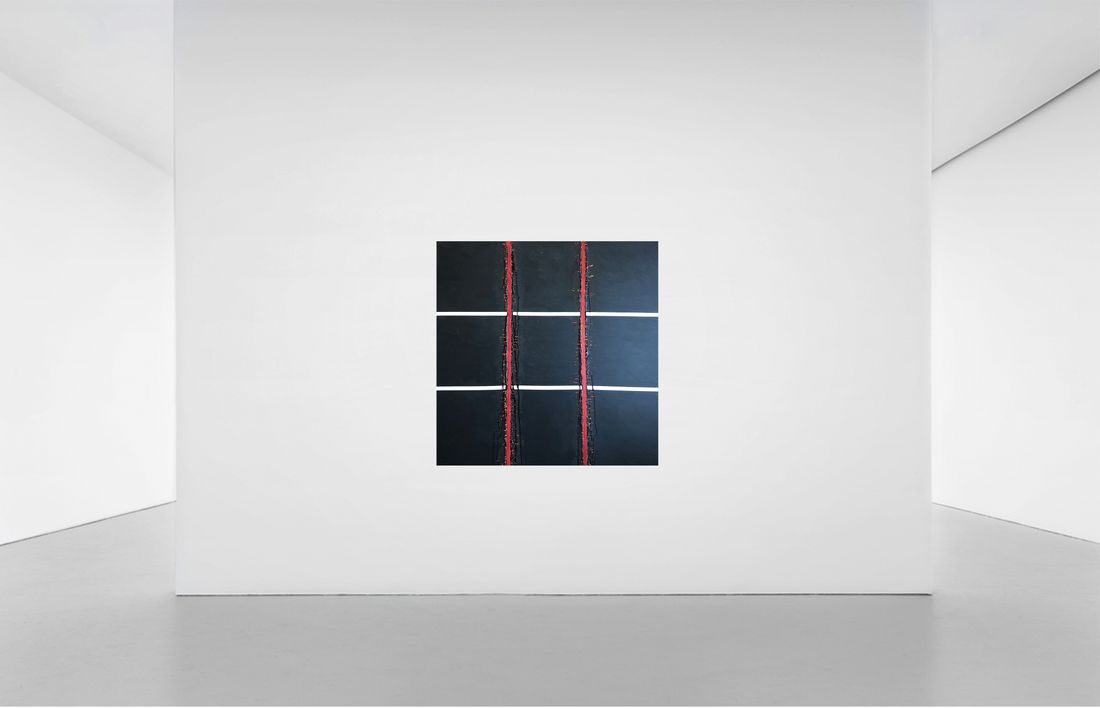
Shooting the empty room before guests arrive proves the gallery exists as a place, not just an event. Once people, drinks, and clutter fill the frame, the architecture and the way light moves through the room become nearly impossible to see clearly again until the next slow afternoon, months away.
An empty gallery photographs differently than most rooms because emptiness is the point. The proportions, ceiling height, and the way afternoon light lands on a bare wall are the actual product a gallery is presenting before any art goes up, and it only reads clearly with nothing else in frame. Wait until guests arrive and the architecture becomes background noise behind bodies and beverage tables.
Practically, this means shooting on a separate pass, not squeezed in before doors open. The morning of, or the day before if install finishes early, gives daylight to shoot the room at more than one time of day, since a west-facing gallery looks different at 10am than at 6pm. A tripod and slower shutter earn their keep. A still room rewards patience more than a fast lens.
The shot list should include a wide establishing frame from the entrance, one from the back of the room toward the door, ceiling and floor detail when relevant, and any sightline that will matter once work is hung. These become the images a gallery reaches for years: a press kit, a landlord case study, a fundraising deck. None of that works if the only record is a phone snapshot from install day.
What Should the Ribbon-Cutting Actually Capture?
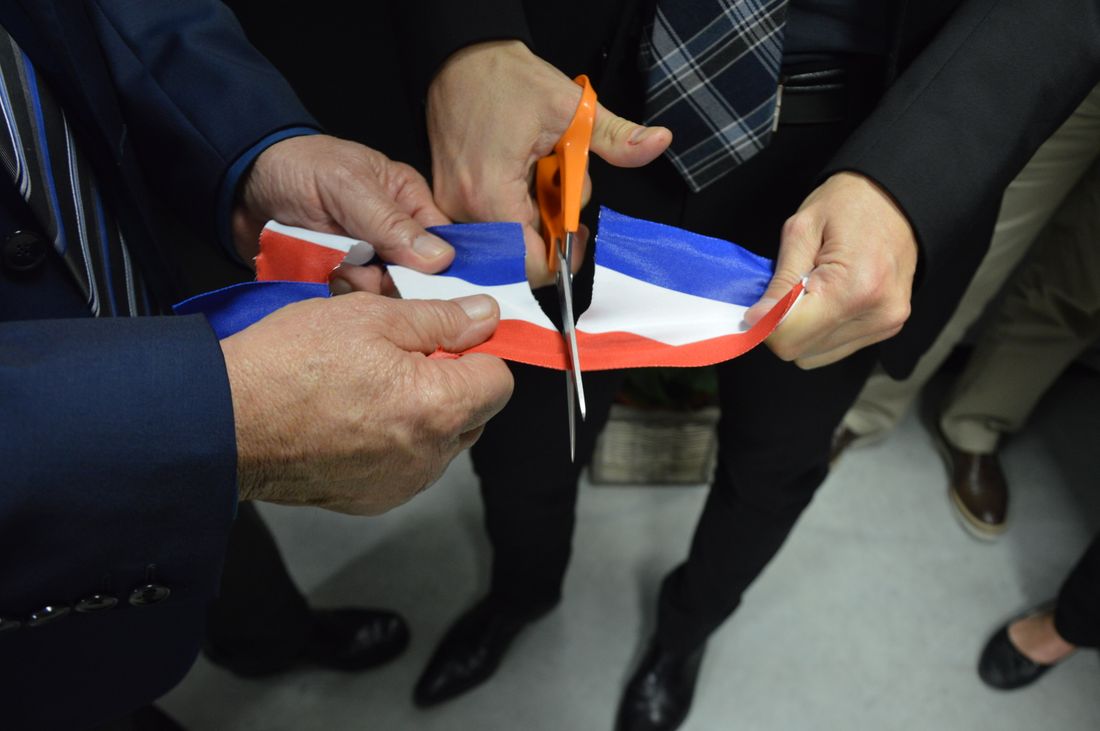
The ribbon-cutting should capture the specific people making the cut, the gesture that marks the moment, and the reaction of whoever's closest, not a wide crowd shot where the ribbon is barely visible. It's a symbolic instant, and the coverage should treat it like one: tight, sequenced, and over in a handful of frames.
Treat it as a short sequence, not a single hero shot. Get positioned beforehand: know who's holding the scissors, who's standing where, and which side has better light, since there's rarely a second take. A missed ribbon-cutting can't be restaged without reading as staged, so the job during setup is confirming logistics with whoever runs the event, not improvising once people are lined up.
The sequence itself is brief but each part earns its own frame. A wide shot including the doorway and signage places the moment in context. A tighter shot on the hands and scissors records the actual gesture. A shot of faces right after the cut, before anyone composes themselves, usually carries more genuine feeling than anything posed afterward.
It's worth a second angle if two photographers are on-site, since one camera can't cover both the founders' expressions and the crowd's reaction at once. With only one shooter, prioritize the founders. Their faces in that exact second are harder to get again, while a crowd reaction can be approximated a few seconds later as people start clapping. That compression is exactly why the moment needs planning, not improvisation.
How Do You Shoot the First Guests Without It Turning Into a Blur?
Shooting the first guests well means slowing down on the first ten or fifteen minutes instead of treating the night as one stream. The earliest arrivals are usually the people who matter most to document clearly (friends of the founders, early supporters, the first stranger off the street) before the room fills and individual faces stop being distinguishable.
The first stretch of a launch differs from the rest of the night in one way: everyone walking through the door is seeing the finished space for the first time, a reaction that won't be as genuine an hour later once word spreads. Standing near the entrance for the first fifteen minutes and photographing arrivals as they take in the space captures something the rest of the night can't repeat.
That's a different priority than a standard packed-room opening, where the crowd is the main subject. Here, the value is in reactions before the room fills: a founder greeting an old friend, someone stopping to look up at the ceiling, a stranger who wandered in not expecting the space to look like this. Those moments only exist once, and read as more honest than anything staged later once people know they're watched.
Once the room fills, the job shifts to broader coverage (the kind any opening reception needs), but that shift should be deliberate, not a gradual drift. Deciding in advance when to move from doorway-focused shooting to room-wide coverage keeps the early window from getting lost to indecision. A rough plan beats improvising, especially on a night this compressed.
How Should You Photograph the Founders Behind a New Gallery?
Photograph the founders as the people who built the room guests are standing in, not as generic headshots pasted onto an About page. The strongest images show them in the space they made (greeting guests, standing near work they chose, caught mid-conversation) rather than posed alone against a blank wall before anyone arrives.
A founder photographed alone against a blank wall says almost nothing about what they did. The photograph that says something shows them in the room they built: greeting a guest at the door, standing near a piece they fought to include, mid-sentence explaining something to whoever's listening. Opening week is the one night the founder and the finished space are guaranteed to share a frame with an audience present.
It still helps to get one deliberate frame early, of the founders together near the entrance or in front of whatever wall reads best. Candid coverage doesn't always deliver a clean group shot on its own, and the gallery will likely want one image that identifies who's behind the space for press and social use. Five minutes for that is worth protecting on a schedule that otherwise moves fast.
Beyond that one frame, the more useful material comes from staying close to the founders throughout the night rather than treating them as one subject among many. Watching who they talk to and how they react when a stranger compliments a piece tells people who they actually are. A founder mid-conversation, slightly out of focus in a wider shot, often communicates more than a formal portrait ever will.
Why Does the Neighborhood Around the Gallery Belong in the Shot List?
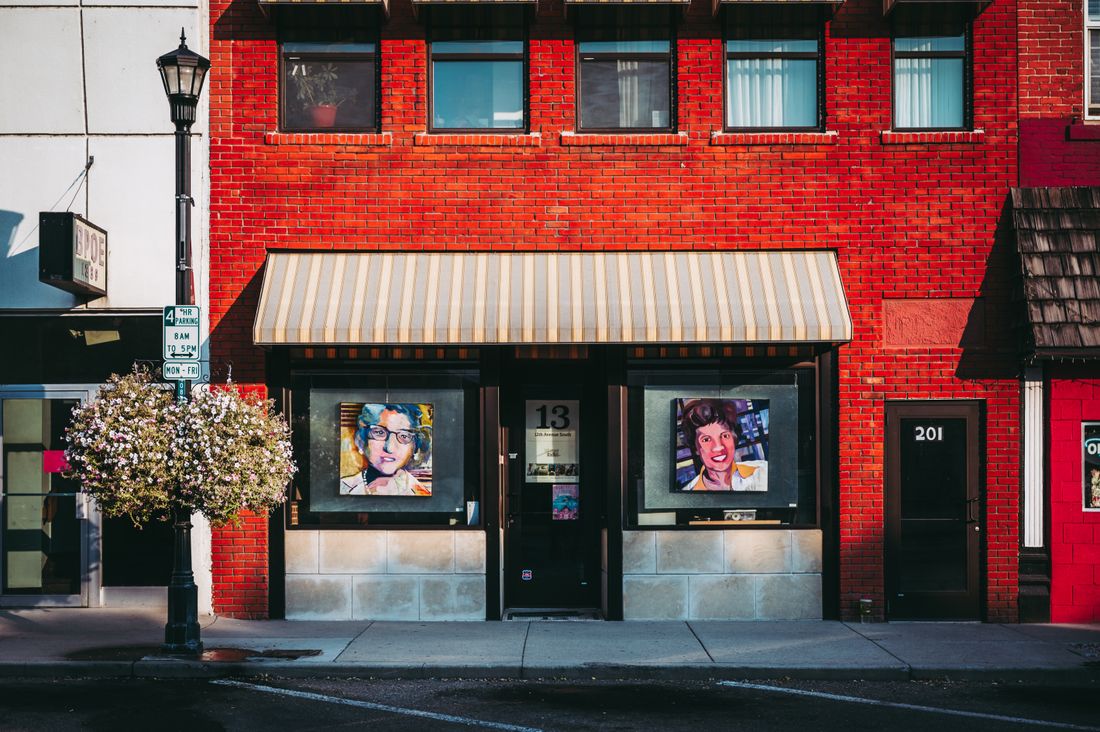
The neighborhood belongs in the shot list because a new gallery's location is part of its identity, especially in its first year, and photos of the block, the storefront, and the street give the gallery a way to explain where it is before anyone has been there in person.
A gallery's address is part of what it is, especially before regulars know where to find it. Photographing the block (the storefront, the signage, the street it sits on) gives the gallery something to hand a journalist or first-time visitor that says exactly where this place is and what it looks like from the sidewalk, which an interior photo alone can't do.
The exterior shot matters most at two times: during the day, showing the storefront clearly enough to recognize while walking past, and after dark if the space has exterior lighting or a sign, since a lit storefront on a quiet block often becomes the single image press coverage uses. A gallery with only interior shots leaves that use case uncovered.
Wider context shots (the block, neighboring storefronts, whatever gives a sense of the area) are worth a few frames too, without turning into a neighborhood survey. The goal isn't to make claims about the area's arts scene or foot traffic; it's to show where the gallery physically sits, in a neighborhood a reader might not otherwise picture. That context ages well: a gallery that later becomes a fixture on its block will want an honest record of day one.
What Do Press, the Landlord, and Future Artists Each Need From the Same Night?
Press needs a small set of clean, usable images: exterior, a founder portrait, and one strong interior shot. The landlord needs proof the space is occupied, finished, and drawing people. Future artists need evidence the gallery can present work well and pull a crowd, three needs met by one night's coverage.
Press, the landlord, and any artist the gallery might approach later are in the room the same night, but each looks for something different, worth shooting with all three in mind. Press wants a small, clean set delivered fast and captioned correctly, since opening-week coverage has a short window before it stops being news.
A landlord's interest is more practical than editorial. Commercial landlords, especially ones who took a chance on an arts tenant in a space that sat empty, want proof the space is finished, occupied, and drawing people, something to point to internally or use in leasing materials. Usually the same exterior and crowd shots satisfy this too.
Future artists are the least obvious audience and easiest to forget while everyone's focused on opening night. An artist deciding whether to trust a new space with their work wants to see it can hang and light a room well and that people show up, proof found in the same installation and crowd images already being shot for other reasons. None of this needs a separate shot list, just knowing that the same images will serve three audiences who never see each other's version.
What Should This Shoot Leave Behind for the Gallery to Reuse for Years?
Opening week should leave a gallery with a small, organized set of images it can reuse for years: an exterior identity shot, a clean interior architecture shot, a founder portrait, and a handful of genuine crowd and reaction images, not hundreds of unsorted event photos nobody has time to sort through later.
The deliverable that gets used later isn't a raw gallery of every frame. It's a short, labeled set: one exterior shot, one or two clean interiors of the empty or lightly filled room, a founder portrait, and a handful of genuine event images. A gallery reaching for a press kit six months from now needs the right image in under a minute, not hundreds of near-duplicates.
Delivery timing matters more here than for a typical event shoot. A same-day or next-day turnaround on a handful of press-ready selects lets the gallery respond while opening week is still a live news cycle, with a fuller edit following for the archive. Waiting two weeks for a polished edit misses the window where press and neighborhood interest are paying attention.
The empty-room shots deserve their own permanent place in that archive, separate from the event folder, because they can't be recreated later. Once the gallery has a program running, the room will always have something on the walls and someone standing in it; the version with nothing in it only exists from this one shoot. That's the argument for treating opening week as a documentation project first and an event second. Everything after this week can be reshot. This can't.
Frequently asked questions
Do we need a professional photographer for a new gallery's opening week, or will guest phone photos cover it?
Guest phone photos capture the party but rarely the space. Phone shots are inconsistent in light and angle, and nobody at the party is thinking about an empty-room architecture shot or a deliberate founder portrait. For a launch a gallery plans to reference for years, in press kits and About pages, a planned shoot covering the empty space, the ribbon-cutting, and the founders is worth the cost that guest photos can't replace.
How far in advance should a new gallery book opening week coverage?
Book as soon as an opening date is firm, ideally several weeks out, since the empty-room shoot needs its own separate time slot before install finishes and guests arrive. Waiting until the week of the event risks losing that quiet-room window entirely, especially if install runs late. Locking the date early also gives time to plan the ribbon-cutting logistics and confirm exactly who's cutting it.
Should we stage a ribbon-cutting if the gallery doesn't have an actual ribbon?
A gesture works fine in place of a literal ribbon, cutting a cord, unveiling signage, or simply opening the doors together with founders standing at the threshold. What matters is having a clear, planned moment rather than hoping something photogenic happens organically. Guests and photographers both benefit from a defined instant to watch for, even if it's a symbolic door-opening rather than an actual ribbon and scissors.
How many images should come out of a gallery's opening week shoot?
There's no fixed number, but a useful working set is smaller than most galleries expect: a handful of exterior and interior architecture shots, one or two founder portraits, and a curated selection of event and reaction images, rather than every frame taken. What matters more than volume is that the set is organized enough for the gallery to find the right image quickly, months or years after the night itself.
Should the empty-space photos happen on opening day or earlier?
Earlier, if install finishes with any lead time, the day before opening, or even the morning of, gives cleaner light and no schedule pressure. Shooting the empty room in the last rushed hour before doors open usually means competing with catering setup, last-minute install fixes, and arriving staff, all of which compromise the very stillness that makes an empty-room shot worth having in the first place.
Got overlapping openings already on the calendar?
We work out the coverage plan well before the night gets close, whether that's two shooters, a tight schedule, or simply booking early enough to avoid the conflict entirely.
Explore event coverage →