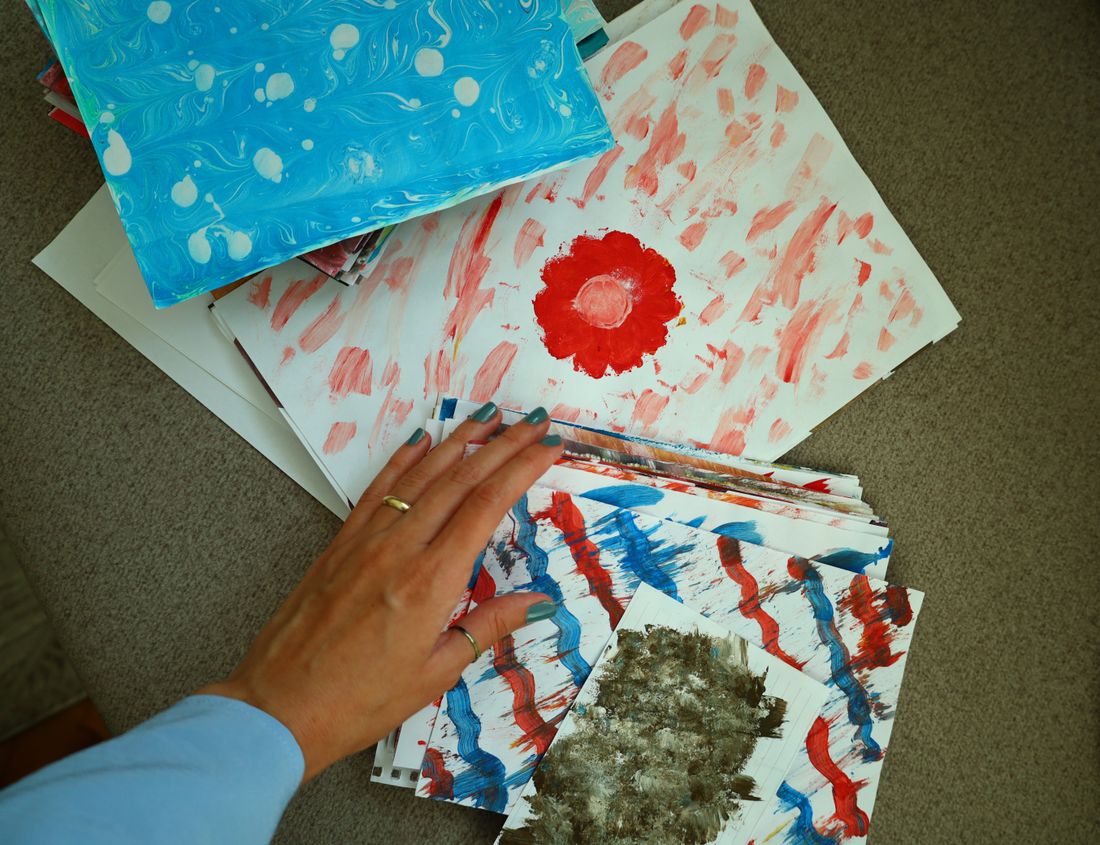
A documentation budget rarely stretches far enough to cover a whole studio at once, so the real skill is not finding more money, it is choosing what gets photographed first. The pieces that matter most for a limited budget are not always the pieces an artist likes best. They are the pieces already leaving the studio: an open call, a gallery conversation, an application with a hard date. This guide lays out a practical order, from what to document first, to what quality is never optional, to what to add once the budget grows, so a small early spend still works years into a growing practice.
Document whatever has a real deadline first: open calls, gallery conversations already underway, or applications due soon. Spend nothing on cutting corners with color accuracy or lighting. A small, evenly documented set beats a large uneven one. Add detail shots, extra angles, and print-ready files later, once the base image already works.
Which Pieces Should You Get Documented First?
Document whatever is actually leaving your studio first: work tied to an open call deadline, a gallery conversation already in progress, or an application with a hard due date. A piece you love that has nowhere to go yet can wait. The order follows what is already in motion, not personal attachment or how finished something feels.
The instinct on a limited budget is usually to start with a favorite, the piece that feels most like the point of the whole studio practice. That instinct works against you. A favorite sitting in the studio with no deadline attached costs you nothing by waiting a month. A piece attached to a closing submission window costs you the opportunity itself if the file is not ready in time. Sort the work by what it needs to do next, not by how much you like looking at it.
In practice this means keeping a short running list: what is applied for, what is promised to a gallery, what has a portal closing this quarter. That list is the budget order. Everything else, including strong new work with no immediate destination, moves to a later pass. This is not a judgment on the work. It is a judgment on timing, and timing is the only thing a limited budget actually forces you to manage. Once the pieces already in motion are covered, the next question is how large a set to document at all, since a small, well-chosen group of files does more for an emerging artist than a large uneven one.
Why a Small, Excellent Set Beats a Large, Mediocre One
A tightly documented set of ten pieces will do more work for you than thirty inconsistent files, because reviewers, curators, and jurors judge the weakest image in a set as much as the strongest one. A small set with even color, even lighting, and clean crops reads as a coherent body of work. A large set with mixed quality reads as unfinished, regardless of how good the actual paintings are.
This shows up most clearly in open calls and portfolio reviews, where a viewer moves through images quickly and forms an impression from the pattern, not from any single frame. One weak photo in an otherwise strong set draws attention to itself. It reads as a piece the artist did not care enough about to finish, even when the actual reason was simply running out of budget partway through. The file becomes evidence against the work, not neutral information about it.
The practical move is to protect quality across a shorter list rather than stretch a fixed budget across every piece in the studio. If the numbers only allow for eight pieces done properly, eight done properly is the better outcome than twenty done thinly. This holds even when the twenty include work that is objectively stronger than some of the eight, because a set is judged as a set. Once the set size is set, the next decision is where quality of capture sits in that budget, and the honest answer is that it is not really optional at all.
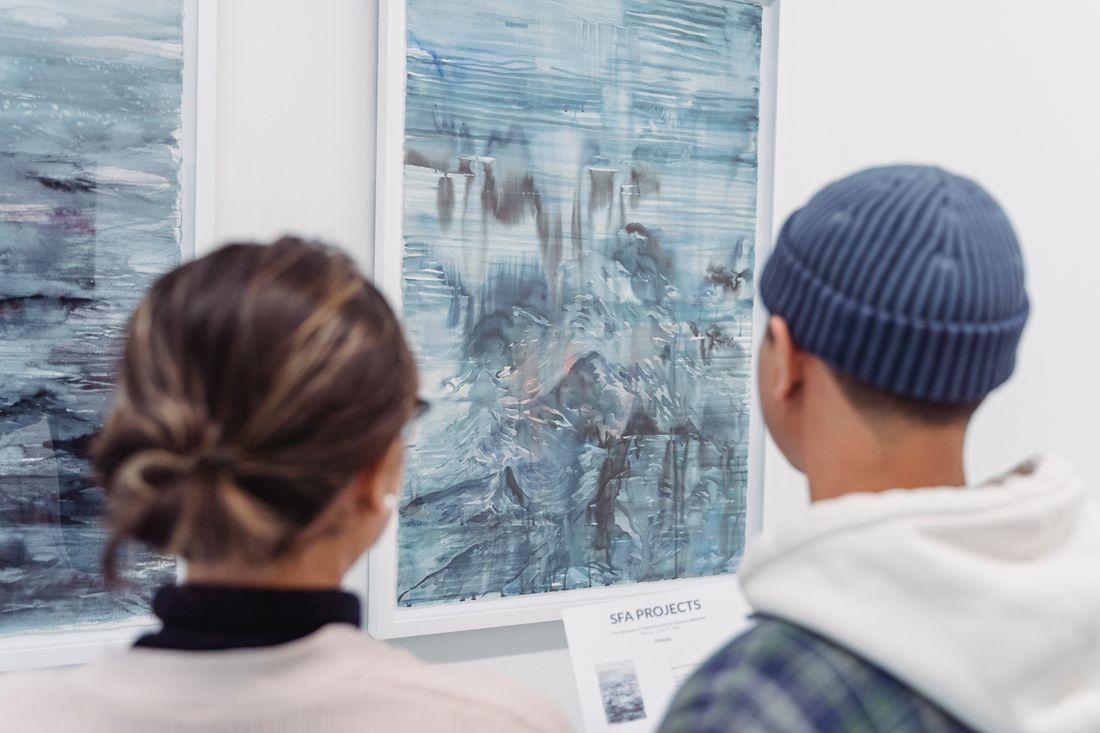
What to Spend Nothing On: Quality of Capture Comes First
Nothing. Accurate color, even lighting, and a sharp, square, glare-free frame are not an upgrade tier to add later. They are the baseline that makes a documentation file usable at all, for a submission, a website, or a print. A budget that skips this to afford more pieces or more extras is solving the wrong problem.
This is where the earlier pieces of this guide connect: a small set only works as a strategy if every file in it clears this bar. A tightly chosen set of pieces shot under uneven light, with color that shifts warm in one frame and cool in the next, undoes the advantage of keeping the set small in the first place. The set still reads as inconsistent, just with fewer examples of it.
In practice, this is the line between a photo that shows the work and a photo that is the work, as far as any reviewer who has never stood in front of the actual piece is concerned. A juror reading an open call, a gallery scanning a submission, or a collector browsing a website only ever sees the file. If the color is wrong or the light is uneven, that becomes what the work looks like to them, permanently, in that context. Everything else in this guide, staging, extras, file handling, assumes this baseline is already covered. Once it is, there is a real, useful next question: what is worth adding once the base shot is right.
What to Add Once the Base Shot Is Right
Once every piece has one accurate, well-lit, properly cropped image, the next layer to add is detail shots, extra angles, and installation views, roughly in that order of usefulness. These are additions on top of a solid foundation, not substitutes for one, and they earn their place only after the base file already works.
Detail shots matter most for anything with texture, surface variation, or handwork a single overall image flattens out: brushwork, a collaged edge, a glaze, a seam. A close, well-lit detail next to the full view tells a viewer something the full view cannot. Extra angles matter most for dimensional or sculptural work, where a single front-on shot leaves real information about the piece missing. Installation views, the work shown in a room rather than isolated, matter most once there is an actual room to show: a show, a fair booth, a studio hang worth documenting as a scene.
Print-ready files sit in this same second layer. A web-sized image is enough for most applications and a portfolio page, but a file meant for a catalog, a large print, or a submission that specifically requests high resolution needs a different deliverable entirely. This is worth settling before the shoot, not after, since asking for a print-ready file after the fact is a separate conversation from asking for it up front. That conversation, and exactly what to ask for, is covered in detail elsewhere; the budgeting point here is simpler: these additions come after the base shot, never before it.
When Is a Phone Photo Actually Enough?
A phone photo is genuinely enough for a studio archive, a social post, or an informal record of where a piece is in progress. It stops being enough the moment the file needs to represent the work to someone who will never see the piece in person and is making a decision based on what they see: a juror, a gallery, a printer.
The gap is not really about the camera. A modern phone captures plenty of resolution for most uses. The gap is color accuracy and even light, which a phone in a normal studio or apartment rarely gets right without real effort: mixed light sources, a slight color cast, a shadow falling across one corner. None of that is visible to the eye in the room. All of it becomes visible in the file, especially next to other artists' properly documented work in the same open call or the same portfolio review.
This is where a phone photo costs an actual opportunity rather than just looking a little rough. An application that would have advanced on the strength of the work can stall on the strength of the photo, and there is rarely any way to know which one happened after the fact. The safer read is practical rather than absolute: use phone photos freely for anything that stays inside the studio, and reserve a real documentation pass for anything about to leave it and be judged on sight by someone who has never seen the piece.
How to Stage Documentation Across a Year Instead of One Panic
Spread documentation across the year on a rough rhythm, tied to when new work is actually finished, rather than waiting for one deadline to force a single large session. A studio practice that produces work steadily benefits from documenting it steadily. The alternative, one panicked session before a big deadline, usually costs more and covers the work less evenly.
A simple version of this is a standing checkpoint: every few finished pieces, or every season, whichever comes first, is a natural point to schedule a short session rather than letting the backlog grow. This keeps each session small and affordable, and it means a submission deadline never has to trigger an emergency shoot of everything at once, since most of the recent work is already covered.
This rhythm also protects against a quieter cost: work that changes or gets damaged, sold, or reworked before it was ever properly documented at all. A piece photographed only in a phone snapshot from the day it left the studio has no real record if a print is needed two years later, or if a collector asks for a high-resolution file after the fact. Staging documentation across the year is not only a budgeting tactic, it is what keeps the archive itself complete as the body of work grows, instead of leaving gaps that only become visible when someone actually needs the file that is not there.
Which Deadlines Should Jump the Queue?
A hard external deadline, most often an open call, should jump ahead of everything else on the documentation list, including work that is objectively more important to the studio practice. Open calls come with fixed submission windows and specific file requirements, and missing either one closes the door entirely, regardless of budget.
What makes open calls different from most other reasons to document work is the combination of a hard date and a stated technical requirement. A gallery conversation can usually flex by a week. An open call portal closes when it closes, and most publish exact resolution, format, and sometimes color specifications the file has to meet before it can even be submitted. A close-but-not-quite file does not get a grace period.
This is specific enough that it deserves its own full answer rather than a general rule here: what an open call actually requires, how far in advance to plan for it, and how it differs from an informal gallery request are worth reading in detail before the next deadline is close enough to cause a scramble. The budgeting principle for this guide stays the same regardless: when a real external deadline exists, it reorders everything else on the list, and the pieces without one wait, even the ones the artist personally cares about more. A useful habit is checking submission specs the day a call opens, not the week it closes, since that is when a tight budget still has room to plan a session around the requirement instead of scrambling to meet it at the last minute.
What to Ask For So the Files Still Work as the Budget Grows
Ask for full-resolution master files, not only the compressed images you plan to use right now. A small early budget often only covers a handful of pieces, but the files from that first session should still be usable years later, for a bigger submission, a print, or a catalog, without needing to redo the shoot from scratch.
This matters because an early-career budget and a later-career budget are documenting the same growing archive, not two separate projects. A file delivered as a small web-ready JPEG only serves today's use case. A full master file, kept and organized even if it is not needed immediately, serves whatever use case shows up two years from now, which is rarely predictable in advance. Ask what file types are included before booking, not after, since this is usually a simple question with a clear answer rather than a negotiation.
The other thing worth asking for early is consistent naming and organization, tied to the piece it documents, so files stay findable as the archive grows past what a single folder can hold clearly. A well-organized set of ten files this year becomes the foundation of a well-organized set of a hundred files in a few years. A disorganized set of ten just becomes a bigger disorganized mess. The budget question and the archive question are really the same question, asked at two different points in the same growing practice.
Frequently asked questions
Should I document my favorite piece first if the budget is tight?
Not automatically. A favorite piece with no deadline attached can wait, since it costs nothing by waiting a month or two. Pieces tied to an open call, a gallery conversation already underway, or an application deadline should come first, because missing that specific window costs an actual opportunity, not just a delay. Sort the studio by what each piece needs to do next, not by personal attachment, and come back to favorites once everything already in motion is covered.
Is it better to document fewer pieces well or more pieces cheaply?
Fewer pieces documented well, in almost every case that matters for review. Reviewers judge a whole set by its weakest image, so a large set with uneven color or lighting reads as unfinished even when several individual pieces are genuinely strong. A small, evenly lit, color-accurate set reads as a coherent, deliberate body of work instead. Protect quality across a shorter list rather than stretching a fixed budget thin across everything currently sitting in the studio.
Can I skip professional documentation and use phone photos instead?
For a private studio archive or a casual social post, yes, a phone photo is genuinely enough. For anything a stranger will judge without ever seeing the piece in person, such as an open call or a formal gallery submission, a phone photo risks costing the opportunity itself. The gap is usually color accuracy and even lighting, not raw resolution, and it becomes visible the moment the file sits next to another artist's properly documented work.
How often should I budget for a documentation session?
Tie sessions to output rather than a fixed calendar: schedule a short session every few finished pieces, or roughly once a season, whichever comes first for the studio's actual pace. This keeps each session small and affordable, and it means a submission deadline rarely has to trigger an emergency shoot of everything at once, since most of the recent work is already covered by the time a real deadline shows up on the calendar.
What files should I ask for even on a small first budget?
Ask for full-resolution master files, not only the compressed images needed for right now. An early, limited budget often only covers a handful of pieces, but those files should still hold up years later for a bigger submission, a print run, or a catalog, without redoing the shoot. Confirm what file types are included before booking, and keep everything named and organized by piece as the archive keeps growing past its first few files.
Build a paper trail your insurer can't argue with.
We shoot artwork documentation the way an appraiser or adjuster actually reads it, full views, true color, condition notes, and files that stay tied to the right piece.
Explore artwork documentation →