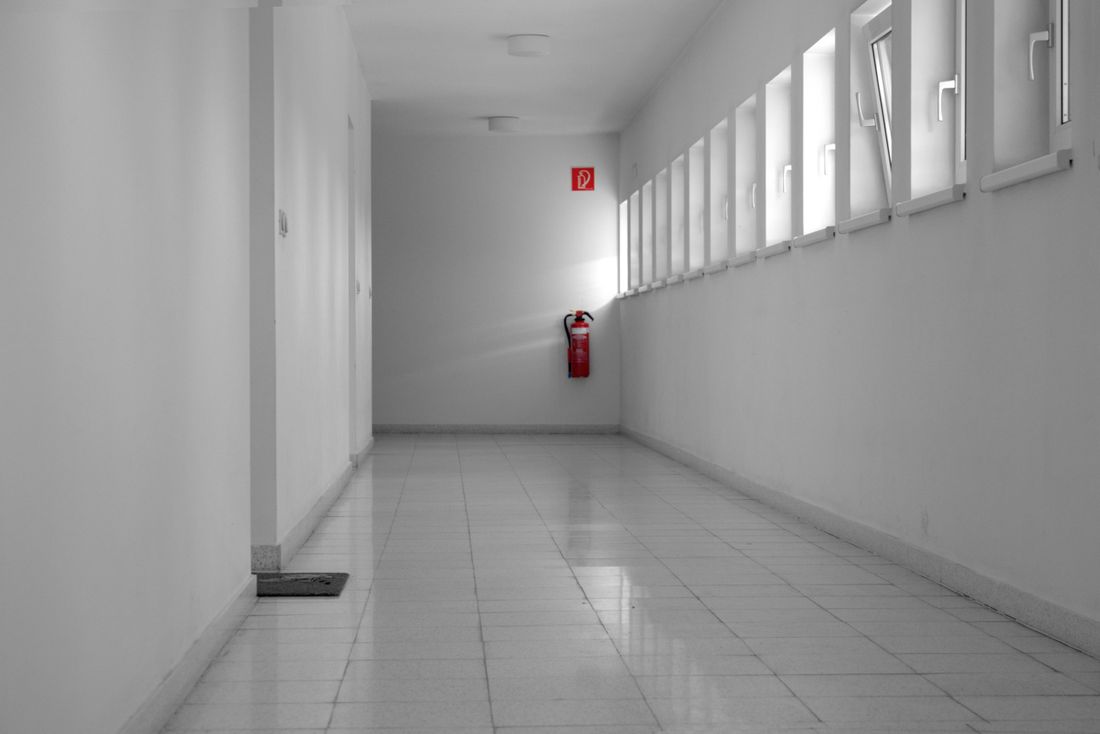
A landmarked building has its own rulebook, and a private studio answers only to the artist inside it. A shared or co-op studio building runs on a different set of constraints entirely, ones that have nothing to do with the artwork and everything to do with who else is sharing the freight elevator, the electrical panel, and the hallway walls. Knowing which rules apply to which kind of building is what keeps a documentation shoot on schedule.
Booking a documentation shoot in a shared studio building means confirming four things before setting a date: who actually grants access, whether a certificate of insurance is required, how far ahead the freight elevator needs booking, and whether neighbors in the bay need a heads-up. Plan for two to three weeks of lead time to clear all four.
Who Actually Grants Access in a Shared Studio Building?
In a shared or co-op studio building, access usually runs through one of three parties: a building manager who handles daily operations, a co-op board that governs shared decisions, or a member committee inside an artist collective. Sometimes none of them holds clear authority over outside visitors, and that gap becomes the shoot's first real problem, well before we ever discuss the artwork itself.
A private, single-tenant studio has one decision-maker: the artist. A shared building adds a layer that has nothing to do with the artwork and everything to do with how the building runs. A landlord-managed building usually has a building manager who books the freight elevator, issues visitor passes, and already knows what a certificate of insurance needs to say. A co-op or artist-owned building often routes the same request through a board that meets monthly, so an approval that would take a phone call in a rental building can take several weeks in a co-op.
The trickiest version is the informal shared building, common among artist collectives that lease a full floor and divide it among members. There's often no single person authorized to approve outside visitors, no consistent freight elevator schedule, and no standing certificate of insurance requirement because the building has never been asked for one before. Ask the artist directly who they'd actually call to get us in. If the honest answer is uncertain, treat that as a real scheduling risk, not a formality, and start the access conversation earlier than a typical shoot would need.
What Does a Certificate of Insurance Involve, and How Long Does It Take?
A certificate of insurance, or COI, is a one-page document from our insurer confirming we carry liability coverage, usually naming the building or the artist as an additional insured. In a shared studio building, it protects the other tenants as much as it protects the artwork. Issuing one typically takes a few business days once we have the building's exact requirements in hand.
That last part is the actual bottleneck in a shared building. A doorman building or a commercial landlord usually has a standard COI request they hand over immediately, with set coverage limits and specific wording for the additional insured line. A co-op or artist-run building often doesn't, because photography visitors aren't a routine event there. Someone has to ask the board or the building manager what they actually require, and that answer can take longer to produce than the certificate itself once the requirement is known.
The paperwork stack a gallery or building typically needs, including what usually counts as additional insured and how coverage limits get set, is its own subject and deserves a full answer rather than a partial one here. What matters for a shared building specifically is timing: ask about COI requirements in the same conversation where we ask about freight elevator access, not after a date is already booked. None of this is legal or insurance advice, and requirements vary by building and by carrier, so confirm specifics directly with the building and with our own insurer before relying on them.
Why Are Freight Elevator Booking Windows the Real Constraint?
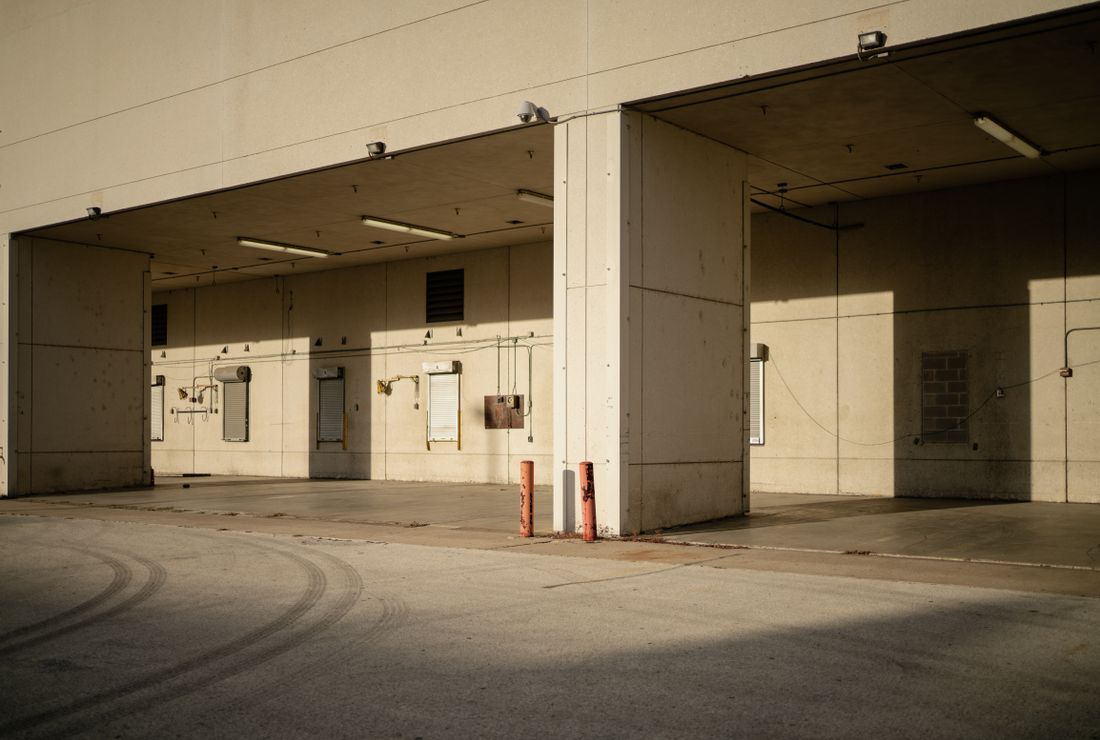
Freight elevator access in a shared building is usually scheduled in fixed blocks, booked through a building manager or a shared calendar that every tenant on the floor draws from. A documentation shoot's actual footprint often gets set by that block, not by how long the artwork itself takes to photograph.
Some buildings run the freight elevator on a first-come, first-served signup sheet posted near the loading dock. Others require a written request submitted days ahead, reviewed by a super or a property manager who is juggling deliveries, move-ins, and contractor work on the same elevator. A block that seemed generous on paper can shrink fast once move-in trucks, furniture deliveries, or another tenant's contractor take priority that morning. Booking early doesn't guarantee the elevator stays free. It just gets us into the queue before the queue fills up.
The practical move is to book the freight elevator before finalizing the shoot's start time, not after. Ask how far in advance requests are accepted, whether the block is exclusive or shared with other tenants that day, and what happens if a delivery runs long and eats into the window. A tight elevator block changes everything downstream: how much gear travels up in one trip, how many pieces get shot before a mid-day reset, and whether load-out has to happen before the block closes rather than whenever the shoot naturally wraps.
What Can Shared Electrical Actually Support During a Documentation Shoot?
Shared studio buildings often run older or shared electrical circuits, which means a full lighting setup can trip a breaker that another tenant's kiln, tools, or equipment also depends on. A documentation setup usually needs to know circuit capacity in advance, not discover it after the first breaker trips mid-session.
Continuous LED lighting draws far less than older strobe or tungsten setups, which matters in a building where the electrical panel predates most of its current tenants. Before the shoot, it's worth asking a simple question: is this studio bay on its own circuit, or does it share one with the space next door? A shared circuit doesn't rule out a proper lighting setup, but it changes how many fixtures run at once and whether an extension cord needs to reach a different outlet entirely to spread the load.
The building manager or a longtime studio member usually knows where the breaker panel is and which circuits feed which bays, even when that information isn't written down anywhere. Getting that answer before the shoot, rather than after a breaker trips and drops a neighbor's project along with our lights, is a small conversation that avoids a genuinely bad afternoon. It's worth asking every time the building is shared rather than assumed.
Older buildings sometimes route several bays through one shared meter, so a breaker trip doesn't just cut power to our lights, it can stop a neighbor's tools mid-task. Knowing that in advance changes how a lighting plan gets built, favoring fewer, efficient fixtures over a setup the panel can't carry.
What About Neighbors in Shared or Semi-Open Studio Bays?
Many shared buildings use open or lightly partitioned bays rather than fully enclosed rooms, so a documentation shoot photographing one artist's work often has another artist's work sitting in the background or at the edge of the frame. That raises a consent question before the shutter ever clicks, separate from anything about the artwork being documented.
The artist booking the shoot usually isn't the only person whose work is visible from their own bay. A neighbor's unfinished piece, a shelf of someone else's materials, or an open studio door down the hall can end up in a wide shot without anyone intending it. The simplest practice is asking the booking artist to give their neighbors a heads-up before the shoot date, the same way anyone would mention having visitors over to a shared space, and to flag which angles need to stay tight to avoid including someone else's unfinished work.
When a wider shot genuinely needs the context of the shared space, cropping and framing choices during the shoot can keep a neighbor's identifiable work out of frame without losing the sense of the room. If a neighbor's piece has to appear because the geometry of the bay leaves no other angle, that's worth a direct conversation with that neighbor before the visit, not an assumption that shared space means shared permission. It's a small courtesy that keeps the building's community easy to work with the next time.
What Changes When the Freight Elevator Is on the Far Side of the Floor?
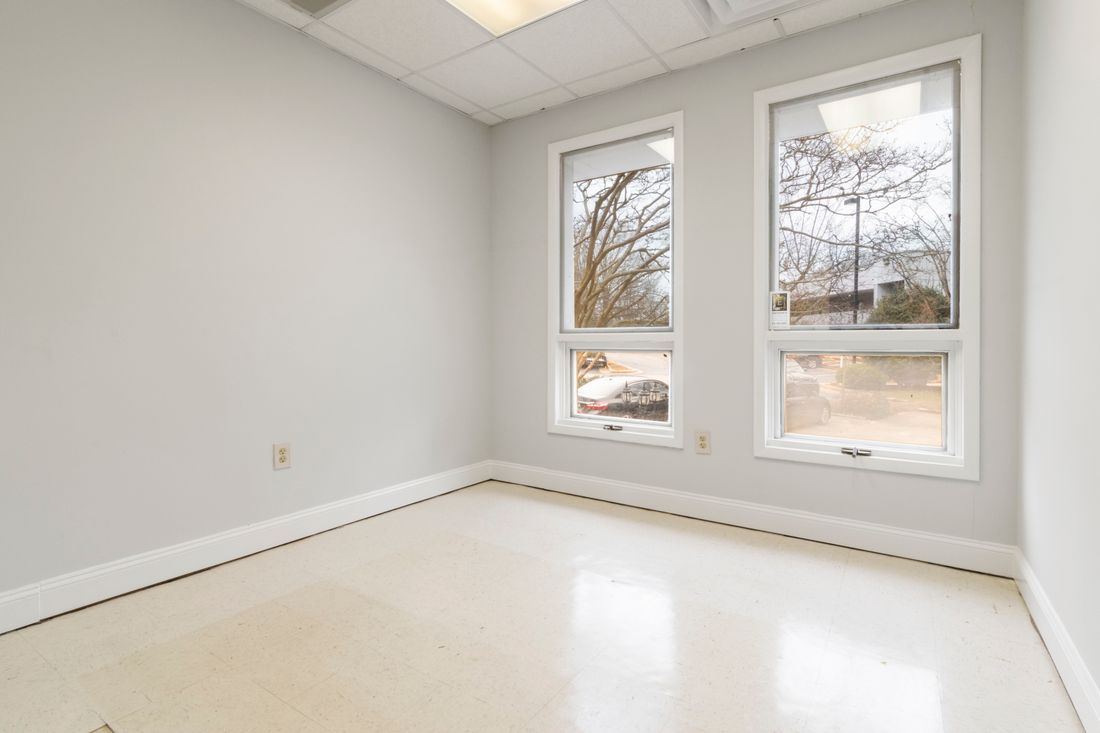
When the freight elevator sits far from the actual studio bay, load-in becomes its own logistics problem, adding hallway distance, corners, and doorway widths as real variables before a single frame gets shot. A studio two doors from the elevator and one at the far end of a long floor are not the same booking, even in the same building.
A long hallway route usually means more trips with a cart, more doors to prop open, and more chances for gear to sit unattended in a public hallway between trips. Narrow doorways or a sharp turn partway down the hall can rule out rolling certain cases entirely, turning a five-minute load-in into a slower hand-carry relay. None of this shows up on a floor plan unless someone has actually walked the route with a cart.
Asking the artist to describe the walk from the freight elevator to their door, including any stairs, ramps, or narrow turns, is worth doing before the shoot date rather than on arrival. Building that distance into the schedule as its own block, separate from setup and shooting time, keeps a long hallway from quietly eating into the freight elevator window discussed earlier. A shoot that budgets for load-in as its own step rarely runs late because of it.
A photo of the route, sent ahead by the artist, usually answers more questions than a verbal description does. It shows door widths, elevator lobby clutter, and whether the hallway doubles as storage for other tenants on a given week, all details that change how much time load-in actually needs.
How Is a Shared Studio Building Different From a Landmarked or Private Studio?
A landmarked building's restrictions come from historic preservation rules and building oversight, which govern things like exterior alterations and protected interior features, a separate subject with its own approval chain. A private, single-tenant studio's rules come from the artist alone, since there's no one else in the space to coordinate around. A shared studio building's rules come from other tenants sharing the same freight elevator, electrical panel, and hallway walls.
These layers can overlap. A shared studio building can also be a landmarked structure, which means both sets of rules apply at once: the building's tenant-sharing logistics and the landmark's preservation requirements. But the two problems are genuinely different, and confusing them leads to asking the wrong person the wrong question. A building manager can approve freight elevator access and electrical questions. They usually can't speak to what a landmark designation restricts about the space itself, and a preservation-focused approval doesn't address who else is sharing the elevator that morning.
The useful move is treating shared-building logistics and landmark restrictions as two separate checklists, even when they apply to the same address. What preparing inside a single studio actually involves, before a documentation visit, is its own separate question too, and one worth answering on its own terms rather than folding into either of these building-level layers.
Asking the artist whether their building carries a landmark designation, separate from asking about access and elevator scheduling, keeps the two checklists from getting tangled. A building manager answering one set of questions doesn't always know the other applies, so it's on us to ask both.
What Is the Honest Lead Time to Ask for a Shared Building Shoot?
A documentation shoot in a shared studio building usually needs two to three weeks of lead time once every layer above is accounted for: confirming who actually grants access, requesting the COI paperwork, booking the freight elevator, and giving neighbors a heads-up. A single-tenant studio can often be booked in days. A shared building rarely can, and treating it like a simple booking is where dates start slipping.
The reason isn't any single step. It's that each layer depends on a different person responding on their own timeline: a co-op board that meets monthly, a building manager juggling other tenants' requests, an insurer that needs the building's exact wording before issuing a certificate. Any one of those alone might take a day or two. Stacked together, and often discovered one at a time instead of all at once, they add up to real weeks rather than a quick phone call.
The fix is asking about all of it in the same first conversation with the artist, rather than discovering each requirement as it blocks the next step. Who do we call to get in. Does the building need a COI, and from whom. How far ahead does the freight elevator need booking. Are there neighbors worth a heads-up. Asking all four questions before setting a date, instead of one at a time as each becomes a problem, is what actually protects the schedule.
Frequently asked questions
Do we need a certificate of insurance for every shared studio building?
Not always, but it's common enough to ask about by default. Doorman buildings and commercial landlords usually require one as a standard condition of entry. Informal artist-run buildings sometimes skip it entirely, especially if outside visitors are rare. The safest approach is asking the artist to check with their building manager or board before the shoot date, since assuming either answer can cost real time if it turns out to be wrong.
How far in advance should we book the freight elevator?
As early as the building allows, ideally in the same conversation where access and paperwork get confirmed. Some buildings accept requests only a few days out, while others take bookings weeks ahead and fill up around deliveries and move-ins. Asking the building manager directly how far in advance requests open, rather than guessing, is the only reliable way to know the real window for a specific address.
What happens if the building has no formal access process at all?
This is common in informal artist-run buildings, and it usually means more of the coordination falls on the artist directly. Ask them who they'd personally call to let us in, whether the freight elevator needs any advance notice at all, and whether neighbors should know a visitor is coming. Treat the lack of a formal process as a reason to build in extra lead time, not as a sign the shoot will be simpler.
Can another artist's work end up in the background of documentation photos?
It can, especially in open or lightly partitioned studio bays where several artists share one floor. The practice worth following is asking the booking artist to give neighbors a heads-up before the shoot and to flag any angles that would pull in someone else's unfinished work. Framing and cropping choices during the shoot can usually keep a neighbor's work out of frame without losing the sense of the space.
Does a shared studio building need the same paperwork as a landmarked building?
No, they're different layers that happen to sometimes overlap. A shared building's requirements come from tenants coordinating shared resources like the freight elevator and electrical panel. A landmarked building's requirements come from historic preservation rules about the structure itself. A building can be both, which means both sets of requirements apply at once, but they come from different authorities and usually get confirmed with two different people.
Build a paper trail your insurer can't argue with.
We shoot artwork documentation the way an appraiser or adjuster actually reads it, full views, true color, condition notes, and files that stay tied to the right piece.
Explore artwork documentation →