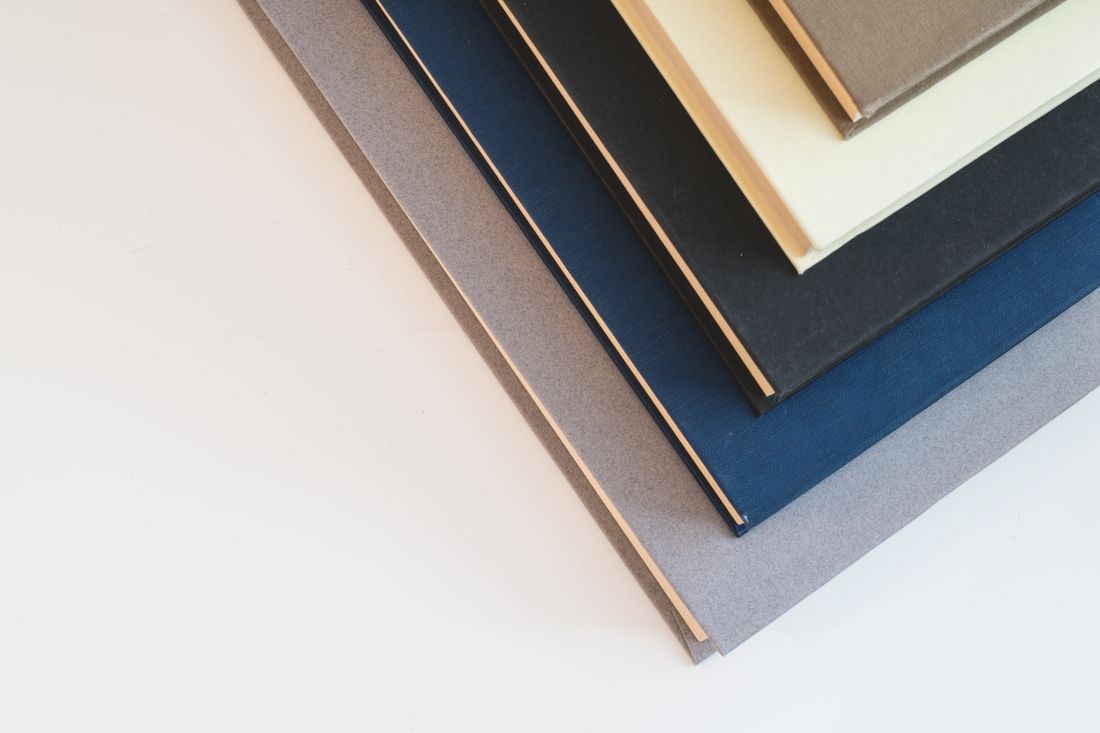
A book or catalog launch runs on the same rough clock as a gallery opening, but the weight sits somewhere different. The reception matters, but the actual reason everyone is standing in the room doesn't move, doesn't gesture, and doesn't do anything for the camera on its own. The book is the guest of honor, and it doesn't speak. That changes the shot list: a quiet still-life pass on the object itself, a signing line that turns out to be the one dependable book-plus-person frame, reading coverage without a stage, and a ten-minute window nobody schedules at all.
A book or catalog launch needs its object treated like a subject, not a prop: a still-life pass on the book before doors open, the signing line as the one reliable frame of book and person together, reading coverage without a stage, and the unscheduled ten minutes when the object photographs best of the whole night.
How is a book or catalog launch different from a typical gallery opening to shoot?
A book or catalog launch differs from a typical gallery opening because the room's real subject is a fixed, silent object rather than art spread across walls or an artist circulating a crowd. The book can't turn toward the camera or fill a frame through motion, so the coverage has to build interest around it on purpose.
A standard gallery opening gives a camera several moving parts to work with: guests drifting past paintings, small clusters forming and breaking up, an artist getting pulled into one conversation after another. Attention spreads naturally across the room, and a photographer can follow whatever is most alive at a given moment. A launch collapses a good portion of that visual interest onto one table, one stack, one object that mostly just sits there for the length of the evening.
That doesn't make a launch harder to shoot, just different in what has to be planned rather than found. Our related post on covering a panel discussion versus a solo artist talk gets into a related problem: format changes what a room gives a camera. A launch adds one more variable neither of those formats has, an object that has to carry part of the emotional weight of the night without ever doing anything itself.
The practical fix is treating the book as its own subject, with its own dedicated pass, rather than folding it into general reception coverage and hoping a few decent frames turn up along the way.
What does the still-life pass before doors need to cover?
The still-life pass before doors needs to cover the book on its own: the cover straight-on, a stack shot showing quantity and weight, the object at a natural angle, and two or three interior spreads chosen in advance rather than opened at random once the room fills up.
Doing this before guests arrive isn't a preference, it's close to a requirement. Once the space fills up, the same table that held a clean stack of books now has a wine glass on it, a program, someone's tote bag, and three people standing in front of the light. The still-life pass is the only window where the object can be arranged, lit properly, and photographed without negotiating around a crowd or a moving elbow.
This pass also produces the images a publisher and an artist will actually reuse later: a straight cover shot for a catalog page, a spread shot for a press release, a stack shot for social media announcing the launch. None of those need people in them, and all of them read better without the visual noise of a reception happening in the background, glasses and elbows included.
Ten to fifteen minutes, done early, before any of the rest of the evening's coverage even starts, is usually enough time to get all of it done properly, with room to redo a frame that isn't quite right the first time.

Why do the cover, the spreads, the stack, and a detail shot all need separate frames?
The cover, the open spreads, the stack, and a close detail shot need separate frames because each one gets used for something different later, and none substitutes for another. A cover shot sells the object, a spread shows what's inside, a stack shows scale, and a detail shot gives a texture or printing choice room to be seen.
Skipping any one of these usually shows up later as a gap rather than a redundancy. A publisher asking for a clean cover image can't repurpose a stack shot, and a gallery wanting to post about the object itself can't lean on an interior spread that reads as generic without context. Each frame has a specific job, and treating the still-life pass as one shot instead of a small, deliberate set is the easiest way to end up short.
The detail shot is the one most often skipped, and it's often the most useful. A close, careful frame on the binding, the paper stock, an embossed title, or a particular printing choice gives the object a sense of craft that a full-cover shot can't communicate on its own. It's a small addition to the pass, usually under a minute of extra time, for a frame that ends up doing real work in a press kit or a follow-up post.
None of this needs elaborate lighting or a full studio setup. It needs a clean surface, a few extra minutes before the room fills, and a short list decided on ahead of time.
Why is the signing line the most reliable frame of the book and a person together?
The signing line is the most reliable frame of the book and a person together because it's the one predictable moment where the object and a person are both stationary, both facing roughly the same direction, and both staying in place long enough to actually photograph.
Most of the evening doesn't offer this combination. Someone holding the book for a photo feels staged the moment it's asked for directly, and a candid shot of a guest simply browsing a copy rarely shows the object clearly enough to read as intentional. The signing line solves both problems without needing to be arranged: the artist is seated, the book is open on the table in front of them, and each person in line briefly becomes part of the same, repeatable frame.
This is also where variation actually happens without extra direction. Different guests, different expressions, different angles of the same basic setup, all without asking anyone to pose. A wider frame that includes a few people waiting their turn tells a different story than a tight one on just the signing itself, and both are worth getting across the length of the line rather than committing to only one distance.
If a launch has any kind of signing element at all, this is worth treating as a planned segment of coverage, not something to catch only if there's a free moment between other shots.
How do you cover a reading or talk when there's no stage?
Covering a reading or talk without a stage means finding a fixed vantage point early and working the angles available from it, rather than looking for a raised platform that simply isn't part of the setup. Most gallery readings happen at floor level, among the same chairs the audience is using.
The lack of elevation changes what's actually available as a frame. A tight shot on the reader's face works from almost any angle in the room. A wider shot that shows the audience's attention, heads turned toward one point, requires getting low or finding a side angle early, before the room fills in around whatever spot offers that view. Waiting until the talk starts to find this angle usually means settling for whatever's left over once every chair is taken.
Our post on filming an artist talk without killing the room's energy covers a closely related problem: getting useful coverage of a speaker without disrupting the thing that makes the room worth being in. A reading without a stage adds one more constraint, since there's no raised position to retreat to if the floor-level angles aren't working.
Arriving before the talk starts to scout that one useful angle, rather than during it, is usually the difference between a set of usable frames and a set of frames taken from wherever there happened to be room to stand.
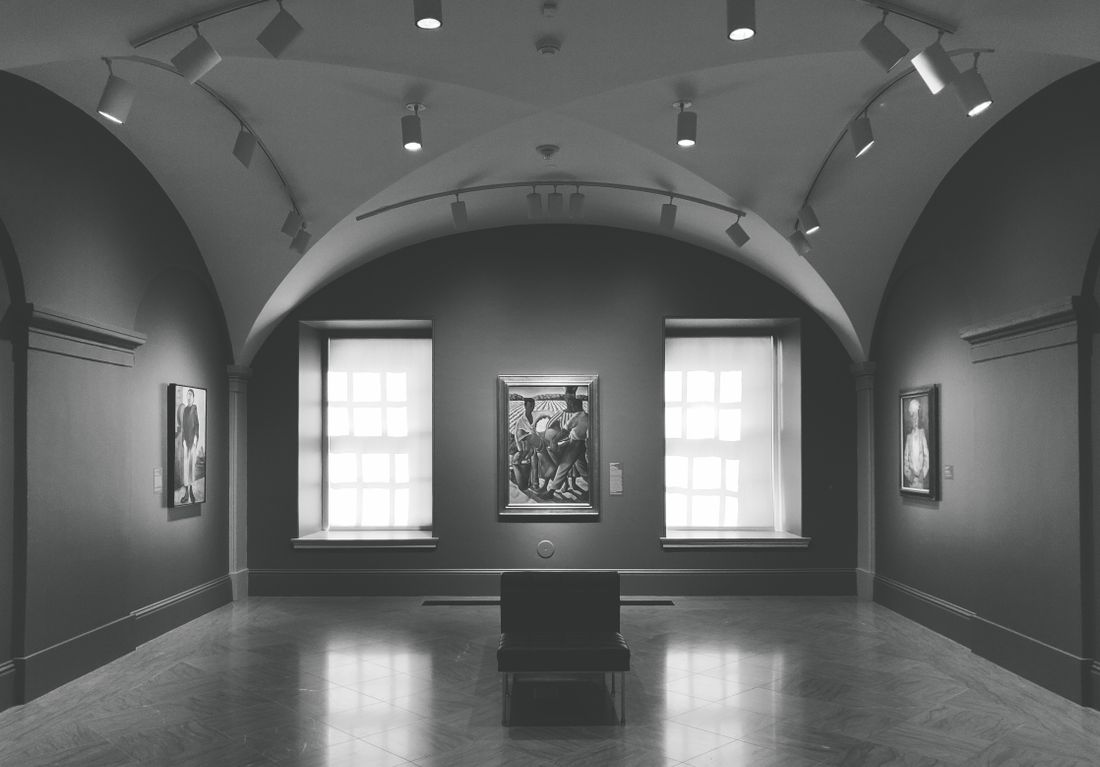
Why do the ten quiet minutes nobody schedules matter more than the reception itself?
The ten quiet minutes nobody schedules, usually right before doors open or right after the crowd thins, matter more than the reception because that's when the object actually photographs at its best. During the reception, the book competes with hands, drinks, and moving bodies for the same table space.
This window isn't something a gallery typically plans for, because nobody thinks of it as part of the event. It's the gap between setup finishing and guests arriving, or the stretch after the last few people have said their goodbyes and staff are starting to clear glasses. Nothing is scheduled in that window, which is exactly what makes it useful: the table is clean, the light hasn't been disrupted by a crowd standing in front of it, and there's no reason to rush a frame.
The still-life pass covered earlier often lives in this exact window, but it's worth treating as its own thing rather than folding entirely into that earlier step. A second quiet stretch at the end of the night can produce a different set of usable frames: a slightly disheveled stack with a few copies missing, signed copies set aside, the kind of evidence that a launch actually happened and people actually bought the book.
Knowing this window exists, and asking the gallery not to tear the table down the moment the last guest leaves, is a small ask that protects a real part of the coverage.
What will the publisher and the artist actually reuse from this coverage?
The publisher and the artist will mostly reuse the still-life images: the clean cover shot, a spread or two, and the stack shot, since those work outside the context of the actual event. A reception photo, however lively, usually reads as "this happened" rather than something that promotes the book.
This is worth knowing before the shoot, not after, because it changes where the time and attention go. A publisher building a catalog page or a press mention needs a cover image and maybe an interior spread, not a candid of the room. An artist posting about the launch afterward usually wants the stack shot and a signing line photo more than a wide reception frame, since those two communicate that the object is real and that people showed up for it.
Event photos still matter, and a launch without any reception coverage would feel thin and impersonal. But knowing that the still-life set is the material with the longest shelf life changes the priority order on the day: get that set clean and complete early, and treat the rest of the evening's coverage as valuable but secondary to it.
A launch that skips the still-life pass entirely can still produce a nice set of event photos, but it usually leaves the publisher and the artist without the one thing they actually needed most from the whole day.
How do you build a shot list for an event where the object is the guest of honor?
Building a shot list for an event where the object is the guest of honor starts by giving the book its own dedicated segment of time and coverage, separate from the reception, the reading, and the signing, rather than treating it as one more thing to fit in when there's a spare moment.
That plan is short: a still-life pass before doors, a signing line treated as a real segment rather than a single grab shot, reading coverage scouted from a fixed angle in advance, and a second quiet pass at the end of the night if the schedule allows it. Four distinct moments, each with a different job, instead of one general instruction to "get some shots of the book."
This is also the point where it's worth deciding, ahead of time, whether the shot list needs photo coverage, video, or both. Our post on one photographer or photo and video for a creative event walks through that decision for events generally, and a launch is a reasonable case for keeping it simple: the object doesn't move, so the case for video is weaker here than it is for a reading or a signing line, where motion and sound actually carry something.
Sharing this shot list with the gallery ahead of time, including the request to leave the table intact during the quiet windows, is a small step that protects the images everyone actually needs from the day.
Frequently asked questions
Do we need to photograph the book itself, or is covering the event enough?
The book itself needs its own coverage. Event photos show that a launch happened, but a publisher or artist reusing the material afterward almost always needs a clean cover shot, an interior spread, and a stack shot that don't include the reception at all. Skipping the still-life pass and relying only on event photos usually means the most reusable images from the whole night never get taken.
Should the still-life pass happen before or after guests arrive?
Before, whenever the schedule allows it. Once the room fills, the same table gets a wine glass, a program, and people standing in front of the light, making a clean still-life shot much harder to get. Ten to fifteen minutes before doors, while the table is still set and the space is quiet, is usually enough time to get the full set without anyone in the frame or in the way.
What if the artist or author doesn't want a formal signing line photographed?
That's fine, and worth knowing before the event rather than during it. The alternative is treating individual moments of the artist signing or chatting with guests near the table as a looser, less formal version of the same frame, catching the book and a person together without staging a line. It's less predictable than a formal line, but it still gets the combination that's otherwise hard to find.
How is covering a book launch different from covering a solo artist talk?
A solo artist talk centers on a person speaking, so the coverage follows their expressions, gestures, and the audience's reaction to them. A book launch adds a second subject that can't do any of that: the object itself, sitting still on a table for most of the evening. The talk-coverage skills still apply if there's a reading, but the launch needs an entire extra pass built around the book that a talk alone doesn't require.
What if the gallery doesn't have a clean surface or quiet space for a still-life setup?
A small folding table, a plain cloth, and a corner of the room away from the bar setup is usually enough. The still-life pass doesn't need a dedicated studio corner, just a flat surface and a few minutes of even light before the crowd arrives. Asking the gallery in advance to keep one table clear during setup solves most of this problem before it becomes one.
One night, two openings, no dropped coverage.
We plan clustered opening nights before they turn into a scramble, whether that means a split schedule, a second shooter, or an early enough booking that the calendar never becomes the problem.
Explore event coverage →