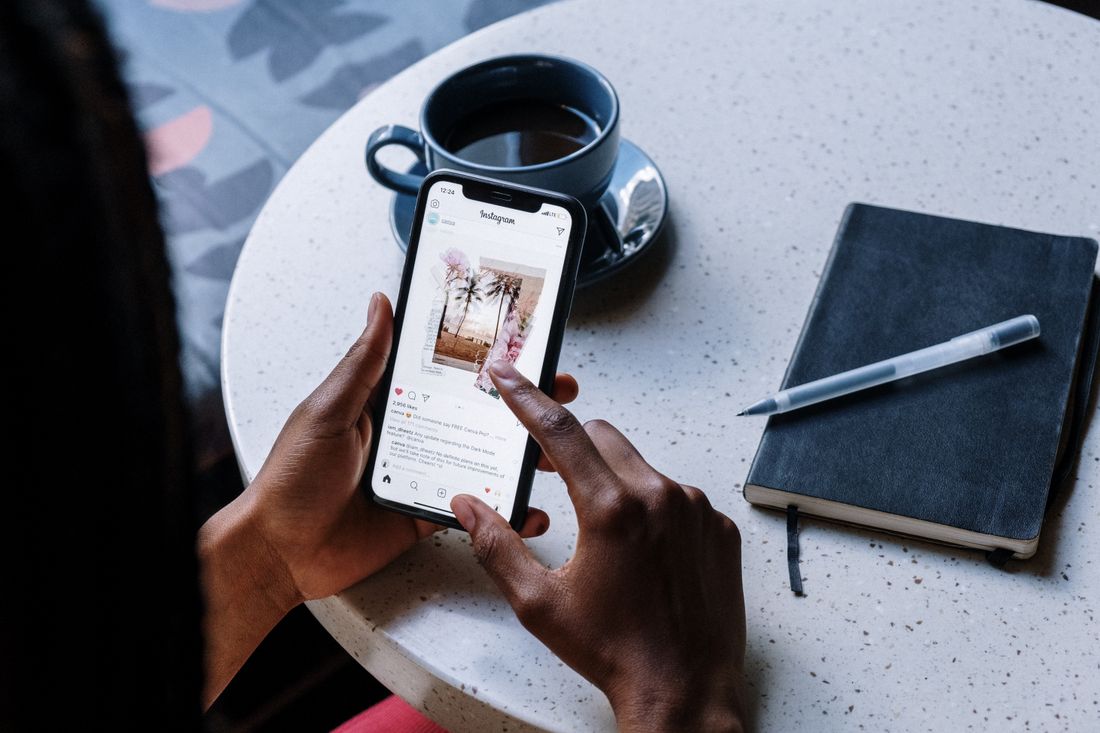
The gallery posts the piece. Ninety seconds later the artist posts the same piece, same crop, same caption, and the two accounts briefly become one slightly confusing account. Everybody meant well. The result is that following both now feels redundant, which is the opposite of what either of them wanted.
An artist's account and a gallery's account serve different promises: one follows a person's practice over time, the other follows a program of exhibitions and represented artists. Posting identical content collapses that distinction, gives followers a reason to unfollow one, and wastes the different material each account is uniquely able to publish.
The Two Accounts Make Different Promises
A gallery account is a program. Someone follows it to know what is on, who is being shown, what opens next month, and what the gallery's taste is. The implicit promise is curation. You will be told what is worth your attention within this program, and the account will still make sense to you when the current show comes down.
An artist account is a practice. Someone follows it because they are interested in this specific person's work over time, how it develops, what the studio looks like, what a piece looked like three weeks before it was finished. The implicit promise is continuity and access to one body of work.
Those promises are genuinely different, and followers use the difference. Plenty of people follow a gallery and not its artists, or one artist and not the gallery representing them. When both accounts post the same thing, they are answering the same question twice and leaving their actual questions unanswered.
This also explains why the two accounts grow differently. A gallery account grows in bursts around shows and fairs and holds a steady base between them; an artist account grows more slowly and more durably, because people are following a person rather than a schedule. Judging one by the other's pattern usually leads to the wrong conclusion about whether either is working.
What the Gallery Can Post That the Artist Can't
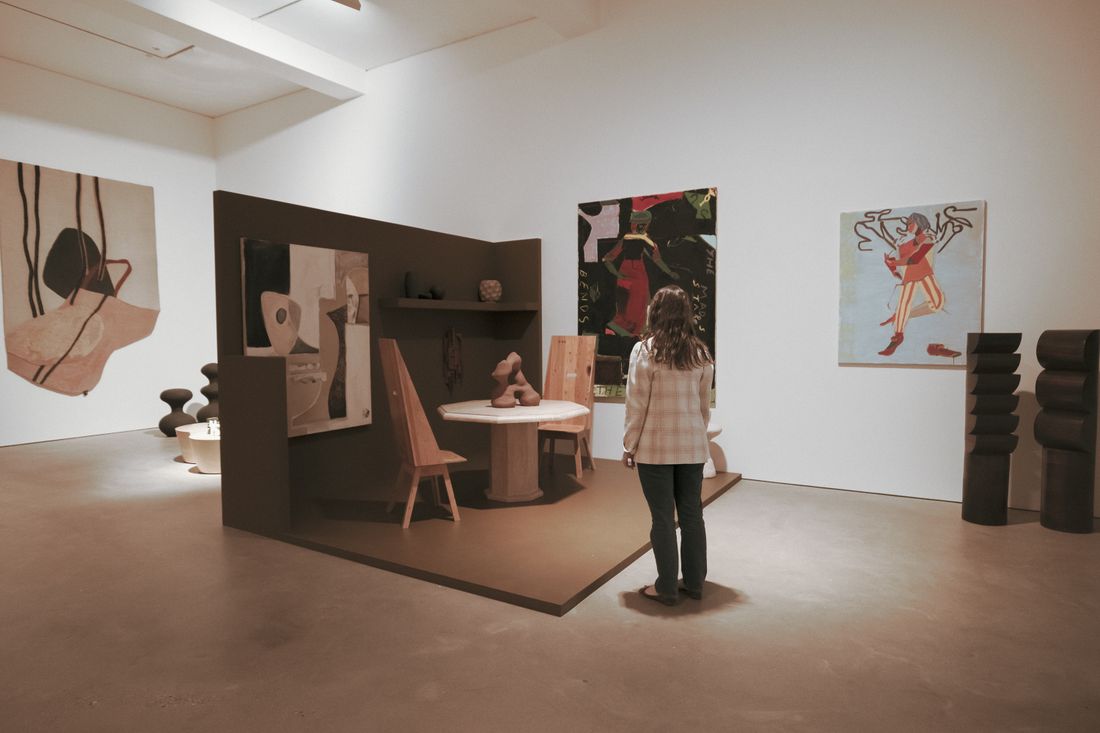
The gallery owns the room. Installation views, the relationship between two pieces on a wall, the way a show reads as a whole, the opening crowd, the space between works. None of that belongs to any single artist, and most of it is invisible from the studio.
It also owns the program's continuity. A gallery can post about how this show relates to the last one, which artists have been shown together over the years, what a booth at a fair looked like. That context is the thing that makes a gallery a gallery rather than a rotating set of unrelated announcements.
And it owns the practical information: dates, hours, closing weekend, a viewing appointment, a fair booth number. That is unglamorous but it is a real service, and it is content the artist genuinely should not be responsible for publishing.
What the Artist Can Post That the Gallery Can't
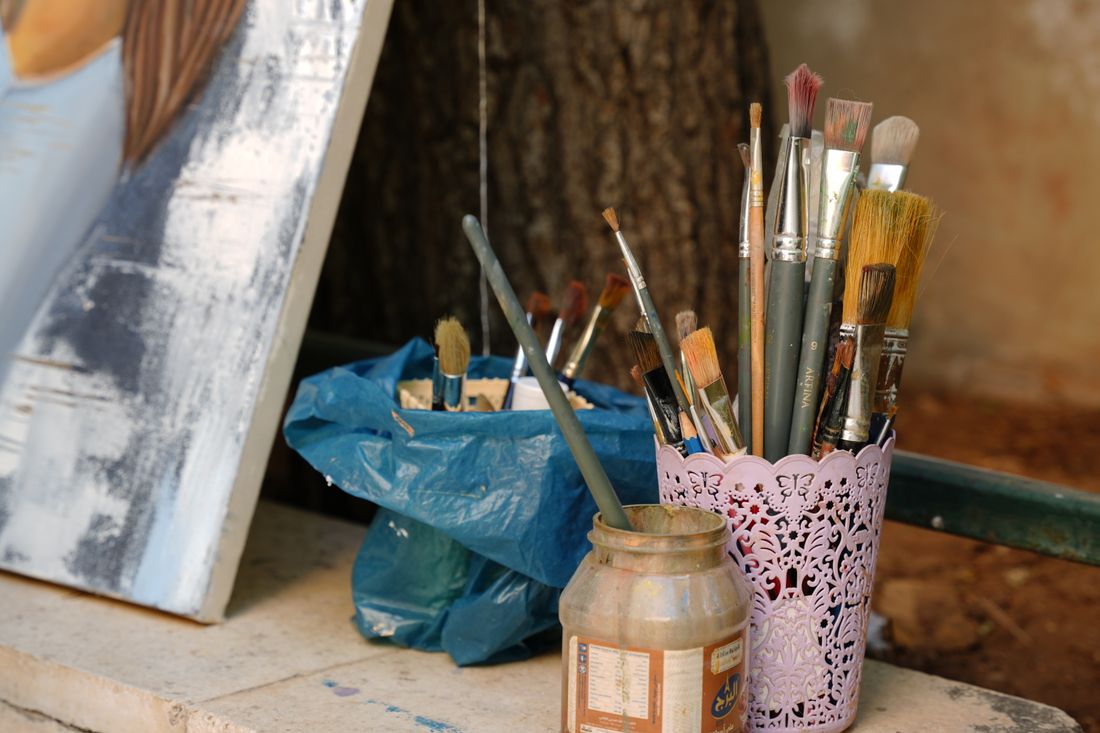
The artist owns everything before the work arrived at the gallery. The unfinished state, the discarded version, the material problem, the wall of the studio where six pieces are drying, the thing that took four attempts. A gallery posting that material is narrating from outside; the artist is simply describing their week.
The artist also owns the reasoning. Why this scale, why this color came back after two years, what the title is actually referring to. When a gallery attempts that, it reads as interpretation, which is a legitimate but different register. From the artist it reads as first-hand, and it is the single most engaging thing an artist account publishes.
And the artist owns their own continuity across galleries and years. The work does not start when a gallery takes it on or stop when a show closes, and an artist's account is the only place where the whole arc is visible. That is the reason people follow it, and it is exactly what gets lost when the account becomes a mirror of an exhibition schedule.
There is one more thing that belongs only to the artist, which is doubt. Not performed vulnerability, but the ordinary fact of a piece not working, a decision being reversed, a direction abandoned. A gallery cannot publish that about work it is selling. An artist can, and when it is done plainly rather than dramatically it is often the most credible thing on the account.
The Overlap That Is Genuinely Fine
None of this means the two accounts should never touch the same event. An opening should appear on both, and both should be tagging and crediting each other constantly. The overlap is not the problem; identical posts are.
The workable version is the same event told from two positions. The gallery posts the installed room and the opening; the artist posts standing next to their own work, or the detail of one piece, or a note about what they were thinking when they made the one on the left. Same night, two genuinely different posts, and following both now makes sense.
Reposting to stories is a good release valve here. An artist sharing the gallery's installation shot to their story acknowledges the show without spending a feed slot duplicating it, and it sends people to the gallery's account rather than replacing it. That pattern costs nothing and does most of the work.
Someone Has to Actually Coordinate This
The duplication usually comes from good intentions and no conversation. The gallery sends the artist a folder of images and says post whenever you like; the artist, reasonably, posts the best one, which is the one the gallery also considered the best one. Nobody did anything wrong.
The fix is a short conversation before a show opens, not a policy. Which images are the gallery's to lead with, which are the artist's, who is posting the opening announcement first, and whether there is any material (an unfinished shot, a studio image) that only the artist has and should hold back for their own account.
Ten minutes of that, once per show, prevents almost all of it. It also tends to surface something useful: quite often the artist has strong material the gallery never saw, and the gallery has installation images the artist did not know existed.
It also helps to agree what happens when a piece sells or a work is placed. A gallery usually wants to mark that, an artist often does not want their own feed to read as a sales log, and the two positions are easy to reconcile once they have been said out loud. Left unspoken, it becomes the second most common source of friction after duplicate posts.
Where a gallery represents many artists, a short written note covering all of this once (rather than a fresh conversation per show) saves everyone time. It does not need to be a policy document. A page describing what the gallery will post, what it would rather artists led on, and how it credits and tags is enough, and most artists are relieved to receive one.
What This Means for What You Shoot
If the two accounts need different material, the shoot has to produce different material, and that is a planning decision rather than an editing one. A documentation session that only produces clean full views leaves both accounts with the same images and no way to differentiate.
In practice that means adding two categories deliberately. Process and studio material, which belongs to the artist, and space and installation material, which belongs to the gallery. Both are quick to capture when someone is already there with a camera and impossible to invent afterward.
It also means thinking about formats. A gallery leans on wide, horizontal installation views and clean vertical single-work shots; an artist leans on close detail, vertical process clips, and frames with hands or scale in them. Shooting both formats deliberately is what stops one account from being stuck cropping the other's images.
The practical version of this is a single shoot that deliberately produces three buckets rather than one: clean work images, room and installation images, and studio or process images. That is not three sessions; it is one session with a shot list that has been thought about for ten minutes beforehand, and it is the difference between two accounts having material and both of them reaching for the same four files.
Vertical formats deserve their own line on that list. Most of what both accounts publish now is consumed vertically, and a set shot entirely horizontally means somebody is cropping into images that were composed for a different shape. Asking for a few deliberate verticals during the shoot costs nothing and removes a recurring, low-grade compromise from every post that follows.
Different Accounts, Different Rhythms
The two accounts also want different posting rhythms, which is worth saying because a lot of artists feel they should be matching their gallery's frequency. A gallery's rhythm is set by its exhibition calendar and is naturally steady. An artist's rhythm is set by the work, which is uneven by nature.
An artist account that goes quiet during a long build and then posts substantially when a body of work resolves is behaving honestly, and audiences read it that way. An artist account that posts three times a week to keep pace with a gallery usually ends up publishing filler, which does more damage to a practice's credibility than a quiet month ever does.
The one exception is a show. In the weeks around an opening, matching the gallery's cadence makes sense because there is genuinely something happening. Outside that window, the honest rhythm is the sustainable one, and it is also the one that produces better posts.
It is worth adding that going quiet is not the same as disappearing. An artist who posts rarely but replies, shares, and stays visibly present in other people's comments reads as an active participant. An artist who posts on schedule and engages with nothing reads as a broadcast, which is a strange thing for a person's account to be when the gallery's account is already doing exactly that job better.
A Simple Test Before Posting
Before publishing anything about a show, the useful question is whether the other account could have posted this exact thing. If it could, and probably will, it is worth finding the version only you can post.
For a gallery that usually means widening out, showing the room, the relationship between works, the program. For an artist it usually means moving closer or moving backward in time, a detail, a process shot, a sentence about what the piece was before it was this.
The distinction is not precious. It is the difference between two accounts that are both worth following and one account published twice, and audiences resolve that difference by unfollowing whichever one they encountered second.
Frequently asked questions
Should an artist repost their gallery's exhibition photos?
Sharing to stories is a good pattern. It acknowledges the show, sends people toward the gallery's account, and costs no feed slot. Posting the identical image and caption to the feed is where it becomes duplication. The stronger move is the same event from the artist's position: standing with the work, a detail of one piece, or a note about what they were thinking when they made it.
What content belongs to the gallery rather than the artist?
Anything that belongs to the room or the program: installation views, how works relate across a wall, opening-night atmosphere, fair booths, and the practical information about dates, hours, closing weekend, and viewing appointments. Those are things no single artist can post from the studio, and they are what makes a gallery account read as a program rather than a feed of announcements.
What should an artist post that a gallery can't?
Everything before the work reached the gallery (unfinished states, discarded versions, material problems, the studio wall) plus the reasoning behind decisions. When a gallery explains why a piece is the scale it is, it reads as interpretation. From the artist it reads as first-hand, and it is usually the most engaging thing an artist account publishes.
How do a gallery and artist avoid posting the same thing?
A short conversation before the show opens, not a policy. Agree which images the gallery leads with, which belong to the artist, who announces the opening first, and whether the artist is holding back studio or process material for their own account. Ten minutes per show prevents almost all duplication and usually surfaces material neither side knew the other had.
Should an artist post as often as their gallery does?
No. A gallery's rhythm follows an exhibition calendar and is naturally steady; an artist's rhythm follows the work, which is uneven. Going quiet during a long build and posting substantially when a body of work resolves reads as honest. Matching a gallery's frequency usually produces filler, which damages a practice's credibility more than a quiet month does.
Two accounts, two sets of material.
Our monthly media work covers the room and the studio in the same month, so a gallery and its artists are not fighting over the same four images.
Explore monthly media →