A one-off artist interview is a nice piece of content. A series is a different thing entirely, because a series makes a promise a single video never has to keep: that there will be another one. That promise is what gets a hesitant artist to say yes, gives a follower a reason to come back next month instead of scrolling past, and turns a gallery's content plan into a production instead of a monthly scramble for an idea. None of that comes from any single episode being clever. It comes from the format surviving past episode one.
An artist interview series works when it's built to survive, not to impress once. That means a format constraint narrow enough to repeat, a shooting setup portable enough for someone else's studio, several subjects batched into one production day, and a cadence honest about what ships. The series, not any single episode, is what's worth planning around.
What Makes a Series Format Narrow Enough to Repeat?
A repeatable interview format needs one fixed constraint that stays the same every episode, one question, one work discussed per sitting, or a fixed runtime, so nobody has to reinvent the shape from scratch each month. The constraint isn't a limitation on the idea. It's what makes the idea survive past the first episode.
An open-ended "sit down and talk about your practice" format sounds more flexible, but flexibility is exactly what makes a series exhausting to sustain. Every episode becomes its own small negotiation: how long should this run, what should we actually ask, does this artist need a different approach than the last one. A narrow constraint removes that negotiation. "One question, five minutes, one piece in front of the camera" is a format anyone on the team can plan for without a meeting.
The constraint also does something for the artist being interviewed. Knowing in advance that the format is one question and a few minutes, not an open-ended conversation, lowers the bar to saying yes considerably. Most artists aren't reluctant to talk about their work. They're reluctant to commit to an unknown amount of time and an unknown line of questioning.
Picking the constraint is worth treating as a real decision, not an afterthought. It should be narrow enough to plan a shoot day around without any surprises, and specific enough that a viewer notices it repeating, since that repetition is part of what makes the series feel like a series instead of a loose collection of interview clips posted under the same tag.
How Do You Build a Shooting Setup That Travels?
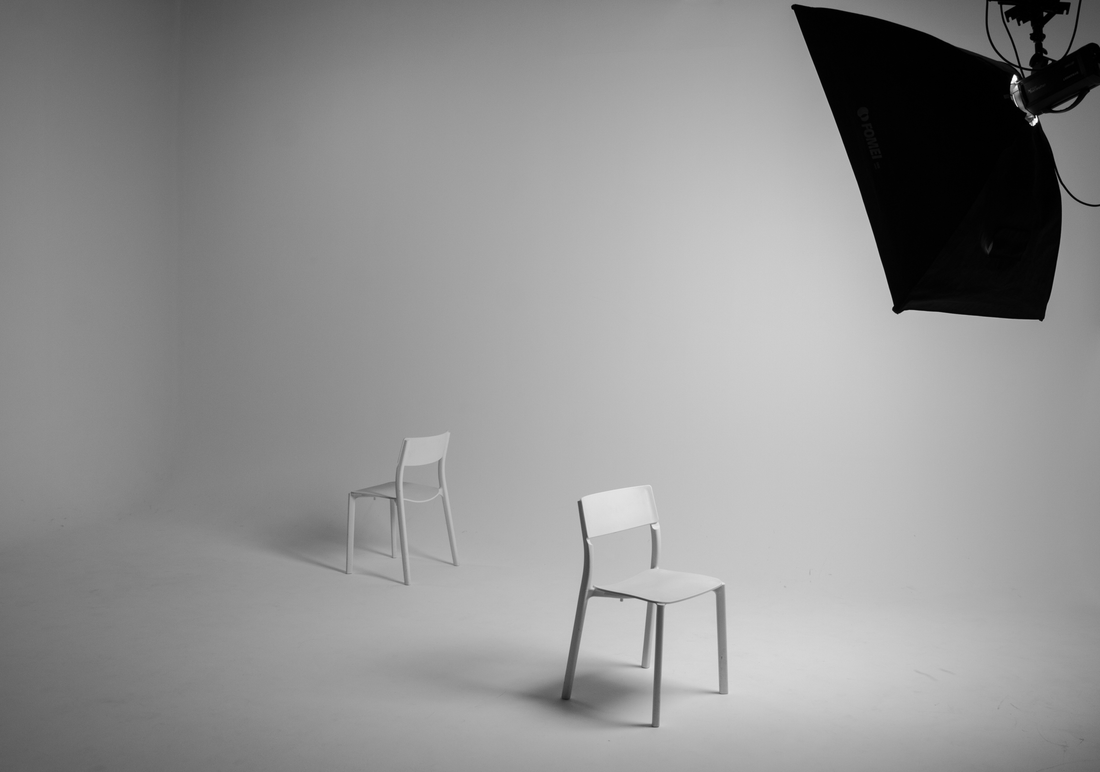
A reproducible setup means one camera position, one lighting approach, and one audio plan that can be rebuilt in a different studio in under fifteen minutes, without redesigning the shot from scratch each time. If setting up takes an hour of problem-solving in every new space, the series will quietly stop happening the first time the schedule gets tight.
The gap between a one-off shoot and a series is mostly a gap in how much thinking happens once versus how much happens every single time. A one-off shoot can afford to spend an hour adjusting to a specific room. A series can't, because that hour repeats every episode, and it's the first thing that gets cut when a production day is already running long.
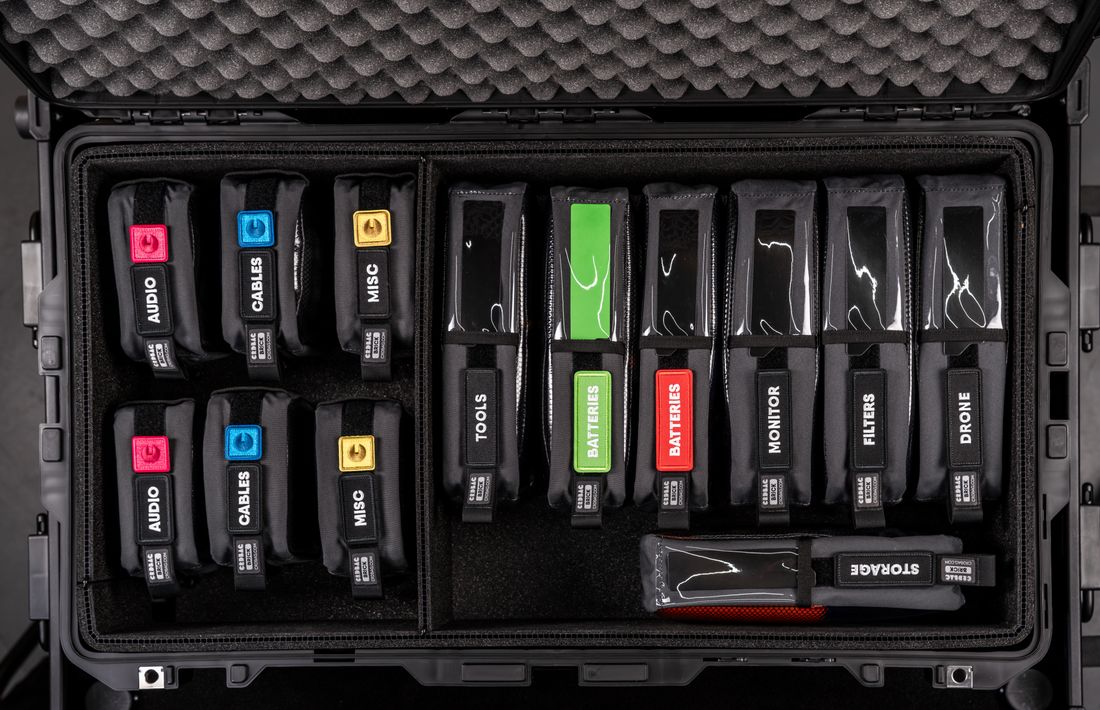
Building the setup around a small kit that works in most rooms, a single light or two, a compact audio rig, one or two lens choices, matters more than building around the best possible gear for any single space. A slightly less dramatic lighting setup that sets up the same way in a converted warehouse and a cramped studio apartment beats a beautiful custom rig that has to be reinvented for each location.
Worth deciding in advance: what happens when a studio genuinely can't support the standard setup, a tiny space, bad natural light, no outlet in the right spot. Having one or two fallback variations planned ahead of time keeps a difficult location from turning into an on-the-spot redesign.
Why Batch Several Subjects Into One Production Day?
Batching means scheduling several artists back-to-back in one location, or across one tight window of days, so the setup gets built once and used many times instead of rebuilt for every episode. It's the difference between a month of episodes from one working day and a new shoot scheduled for every single release.
The math is straightforward once it's laid out. A single interview shoot, door to door, tends to cost most of a half day once travel, setup, and teardown are counted, even if the actual conversation only runs a few minutes. Four interviews shot the same way on four separate days cost close to four half-days. Four interviews batched into one studio session, or four studio visits scheduled across a tight two-day window, cost a fraction of that, because the setup cost gets paid once.
Batching does ask more of scheduling. Getting several artists to commit to the same day, or a tight window of consecutive days, takes more coordination than booking one person whenever they're free. That coordination cost is worth paying, because it's a fixed, plannable cost, unlike the recurring cost of rebuilding a shoot from nothing every single month.
Batching also produces a natural buffer. A month with four episodes banked from one production day survives a busy stretch that would otherwise mean skipping a release entirely. The series doesn't live or die by whatever's happening on the exact week an episode is due.
Why Does Monthly That Ships Beat Weekly That Dies?
A cadence only works if it survives contact with a normal production schedule, and a monthly release that actually ships every month builds more trust than a weekly plan that quietly stops by episode four. The honest cadence is the one the team can actually sustain once the initial enthusiasm for a new format wears off.
Weekly sounds more ambitious when a series first launches, and it often is, for exactly as long as the first burst of energy lasts. The trouble is that a weekly cadence assumes every week looks like the week the plan got made in: enough time, enough available artists, no competing production deadline. Real months don't look like that. The first missed week usually becomes two, and a series that misses its own stated cadence starts reading as abandoned even if it eventually comes back.
A monthly cadence, built around a batched production day rather than weekly scrambling, has slack built into it. If four episodes get banked in one day, there's room for a slow month without anyone noticing a gap. That slack is the actual reason monthly survives where weekly often doesn't, not because monthly is inherently more disciplined, but because it's built with room for a normal month to happen.
The test worth applying before committing to any cadence: could this still ship on the busiest realistic month of the year, not the best one. If the honest answer is no, the cadence is too ambitious for what it's promising, and a slower, kept promise beats a faster, broken one.
What Makes an Episode Instantly Recognizable as the Series?
A series needs a consistent opening, a repeated frame or setup, and a matching title card so a viewer recognizes it as the same series within the first few seconds, before they've read a single word of context. That recognizability is what turns a scattered set of interview clips into something a follower can actually follow.
This is a lower bar than most people expect. It doesn't require a polished intro sequence or a custom animation. A consistent opening line delivered the same way each time, the same chair and background reused across episodes, or a simple title card with the same layout and typeface, is usually enough to register as a pattern. What matters is repetition, not production value.
The recognizability layer also does real work for a follower who only sees one or two episodes scattered months apart. A visual pattern they've seen before, even briefly, reads as "this is part of something ongoing" rather than a random clip that happened to appear in their feed. That signal is part of what earns the second watch, not just the first.
It's worth deciding the recognizable elements before the first episode ships, not after a few episodes have already gone out inconsistently. Retrofitting a consistent look onto episodes that already exist is possible, but it's meaningfully harder than deciding once, up front, what stays the same every time.
What Do You Do When an Episode's Subject Is Quiet on Camera?
A quiet subject usually needs a shorter answer window and more room around their words, not a harder push for more material. Cutting a thoughtful, sparse answer down to its strongest fifteen seconds and letting the silence around it breathe almost always works better than padding a quiet interview out to match a longer episode's length.
Not every artist talks the same way on camera, and treating that as a problem to fix in the room usually backfires. Pushing a naturally quiet subject for more, filling the pause with a follow-up question meant to draw out a longer answer, tends to produce a stiffer, more self-conscious response than the shorter, more genuine one that came before it.
The fixed format constraint actually helps here. If the format is already built around one question and a short runtime, a quiet subject's episode doesn't need to be padded to match a longer one, because the format never promised a fixed length of talking, only a fixed structure. A thirty-second answer inside a consistent frame reads as intentional, not thin.
Editing choices carry more of the weight on a quiet episode than usual. A pause held a beat longer than instinct suggests, a cutaway to the work being discussed instead of a forced reaction shot, and a caption that adds context without putting words in the artist's mouth all help a quiet episode land as its own honest entry, not a weaker version of a chattier one.
How Do Cut-Downs and the Long Version Work Together?
The full interview lives on the site as the complete episode, while shorter cut-downs, usually one clear moment or answer each, feed social on their own separate schedule. The two aren't competing formats. The cut-downs are what get discovered, and the full version is what rewards someone who wants more once they've found it.
Treating the long version as the primary artifact and the cut-downs as derivatives, rather than the other way around, changes how an episode gets edited. A full sit-down interview can hold a slower pace and a more complete thought, because it isn't trying to hook a scrolling audience in the first two seconds. That's the cut-down's job, and it's a different editing problem entirely, one that starts from the strongest ten seconds rather than the most complete answer.
A single strong episode usually produces several usable cut-downs, not just one. A memorable line, a moment of genuine reaction, a piece of the work shown up close while the artist talks about it, each of those can stand on its own as a short clip without needing the full context of the episode around it.
Spacing the cut-downs out over the weeks after an episode posts, rather than releasing them all at once alongside the full version, gets more mileage from a single production day. The full episode announces itself once. The cut-downs can keep bringing people back to it for weeks afterward.
How Do You End a Season Without It Looking Like Abandonment?
Ending a season on purpose means announcing a stopping point in the final episode itself, not letting the series just quietly stop appearing. A named end, "that's the season," with an honest note about whether or when it returns, reads as a decision. An unannounced gap reads as a series that gave up.
Every ongoing series eventually needs a real pause, for a busy season, a change in who's available to interview, or simply because the current run has run its course. That's not a failure of the format. What actually damages a series is the silence around a pause, since a follower who's been watching has no way to tell the difference between "we're planning the next season" and "we stopped" unless someone says which one it is.
A short closing note doesn't need to promise a specific return date if that date genuinely isn't known yet. "We're taking a break to plan season two" is honest and sufficient. What isn't sufficient is nothing, an episode that quietly turns out to be the last one with no acknowledgment that it was.
Planning the exit before the season starts, not scrambling to explain a gap after the fact, is worth doing at the same time the format and cadence get decided. A series that knows how it ends, even loosely, tends to make better decisions about pacing and scope throughout, because nobody's trying to stretch a tired format past the point it's still working.
Frequently asked questions
How many episodes make something a real series instead of just a few interviews?
There's no fixed number, but a recognizable pattern across at least three or four episodes, the same format, cadence, and visual elements repeating, is usually what separates a real series from a handful of one-off interviews posted close together under the same tag. Consistency across episodes matters more than the total count when it comes to whether a follower actually reads it as an ongoing thing worth checking back on.
Should every episode of an interview series be the same length?
Roughly the same length works well, since it's part of what makes the format recognizable from one episode to the next, but a fixed length shouldn't be treated as a hard rule that forces padding or trims content that doesn't fit the target. A consistent runtime target, with some honest flex on either side, keeps the format legible without punishing a naturally shorter or longer conversation than usual.
What if an artist says yes to one episode but not a full series commitment?
That's normal, and it's fine to book episode by episode rather than requiring artists to commit to a whole run in advance. The series' consistency comes from the format and cadence staying the same, not from every artist agreeing to appear more than once. Most artists only ever need to commit to one sitting, which is exactly why the narrow, low-effort format constraint matters as much as it does.
Is it worth reshooting an episode that came out weaker than the others?
Rarely. A slightly weaker episode inside a consistent, ongoing format usually reads fine to a viewer, since not every conversation lands equally well and most audiences understand that going in. Reshooting adds real cost and time to a format that depends on staying sustainable month after month, and that time is usually better spent building the next episode instead of polishing one that already shipped.
Does a series need its own dedicated name and branding to work?
A name helps, mainly because it gives the recurring format something to be called, searched for, and linked back to later, but it doesn't need a full branding package to function well. A consistent title card and a simple, memorable name are usually enough on their own. The recognizability comes more from the repeated visual pattern showing up the same way every time than from a polished logo.
Not every month has an opening, but the feed still needs to run.
We plan content for the ordinary weeks as carefully as the big nights, mixing archive work with what's actually going on in the gallery.
Explore monthly media →