Step 01
A short call
How many works, what’s glazed, and who the files are going to — an insurer, an appraiser, an advisor. You get one clear number before anything is booked.
01Art documentation for insurance
Insurance-grade photographic documentation for collectors, galleries, and advisors in New York — the per-work record that schedules, appraisals, and claims are built on. We come to the work, wherever it hangs.
Look up art documentation for insurance and you’ll mostly find appraisers. That’s the other half of the job. An appraisal assigns value — and underneath every appraisal sits a photographic record showing exactly what each work is and what condition it was in on a known date. We build that record.
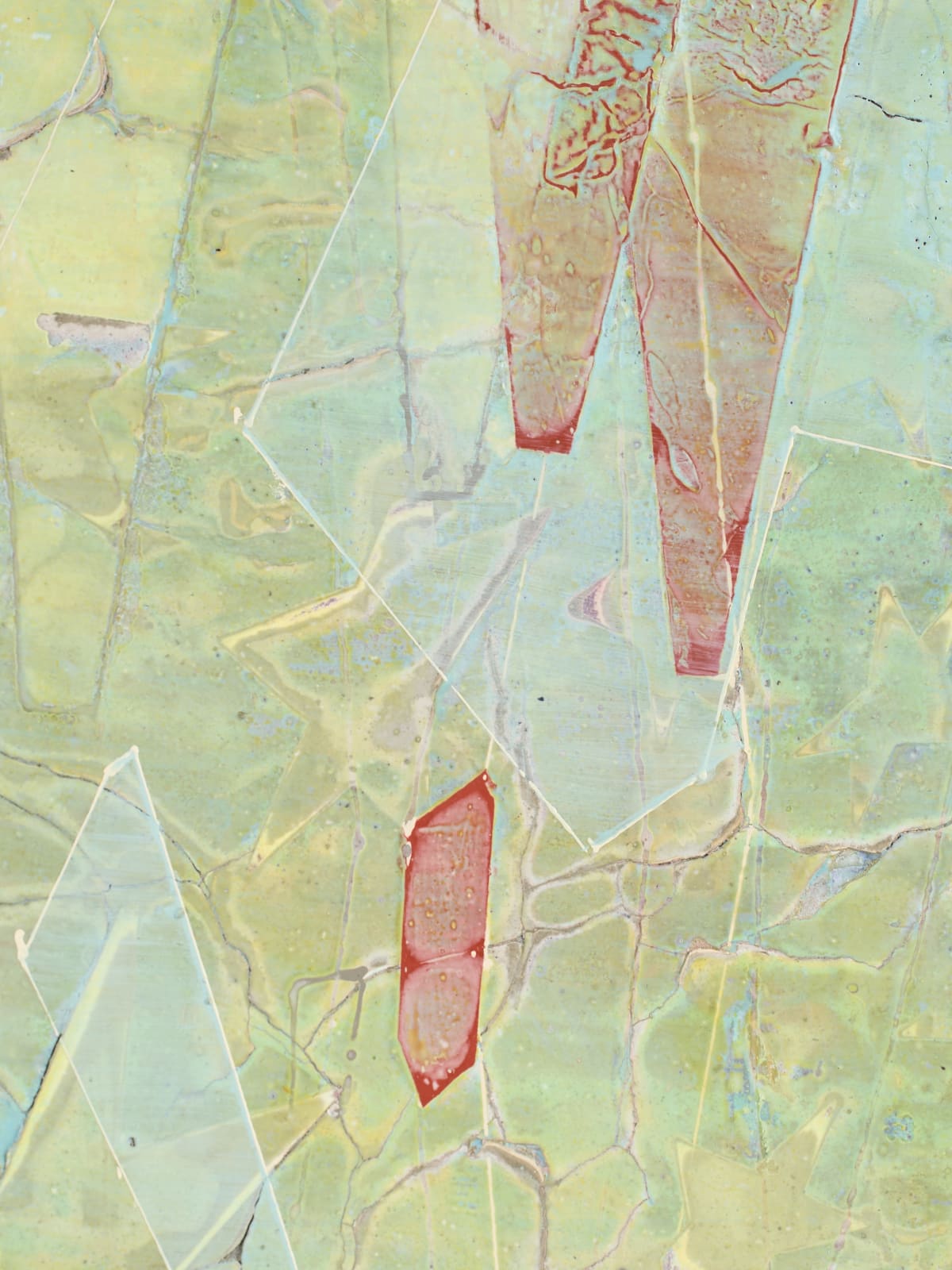
Every work gets a color-accurate hero shot under consistent lighting, so a set photographed in March matches a set photographed in June. Detail views make the surface legible — impasto, edges, signatures, the things a condition question turns on. Files arrive organized and named per work, with dimensions on record, so an insurer, appraiser, or collection manager can match each image to a schedule line without a single follow-up email.
For what “insurance-grade” actually asks of a photograph — and why there’s no official certification behind the phrase — we wrote the long version.
Much of this work reaches us through the professionals around a collection. If you’re coordinating on a client’s behalf, we slot in as the photography layer — you keep the valuation, the paperwork, and the relationship, and we deliver files named and organized your way.
See pricing →02Worth saying plainly
We don’t value art, and we don’t advise on coverage. We produce the visual evidence that valuation and coverage decisions rest on. A credentialed appraiser assigns the number, your broker or carrier decides what the policy asks for, and both of them work from the photographs.
In practice that split works in your favor. When the appraiser and the photographer are separate parties, each half of the file stands on its own — and if you already have an appraiser, we’re used to delivering exactly what theirs asks for.
03What it costs
Documentation uses the same three tiers as all our artwork photography. Essential, $50 per piece — one color-accurate hero shot. Standard, $85 — hero plus two hi-res detail shots, the tier most insurance records use. Gallery, $150 — hero, two details, and a short video clip.
Weighing whether documentation earns its cost? Here’s the math for a collection — what the record costs as a fraction of what it insures, with the appraisal thresholds insurers actually use. Collection outside the city? We make house calls in Fairfield County, Westchester, and the Hamptons.
Insuring a collection that belongs to an institution rather than an individual? See the notes for museums, corporate collections, universities, and arts nonprofits. The same rates apply, with a few institution-specific questions answered up front.
04The work
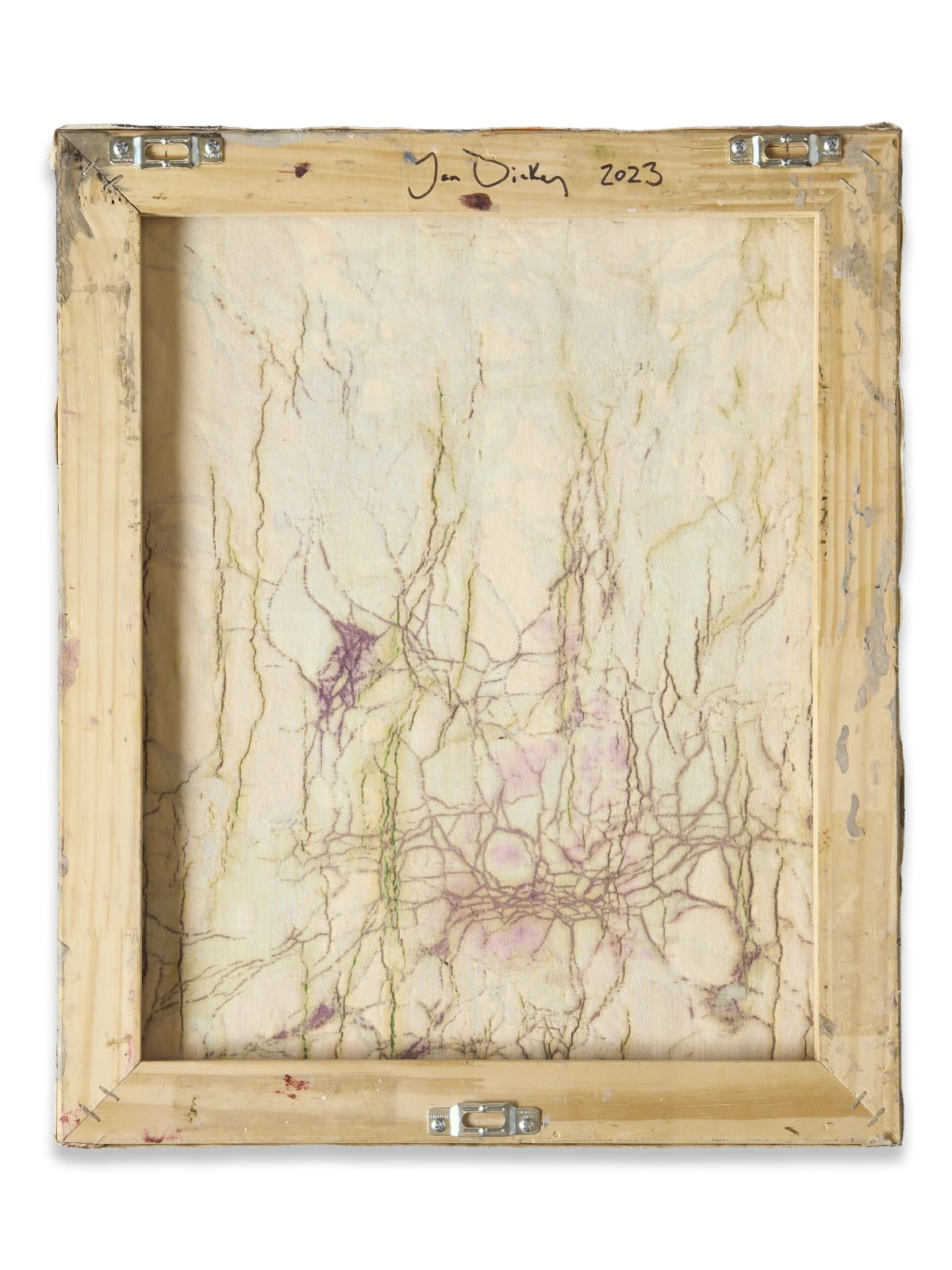
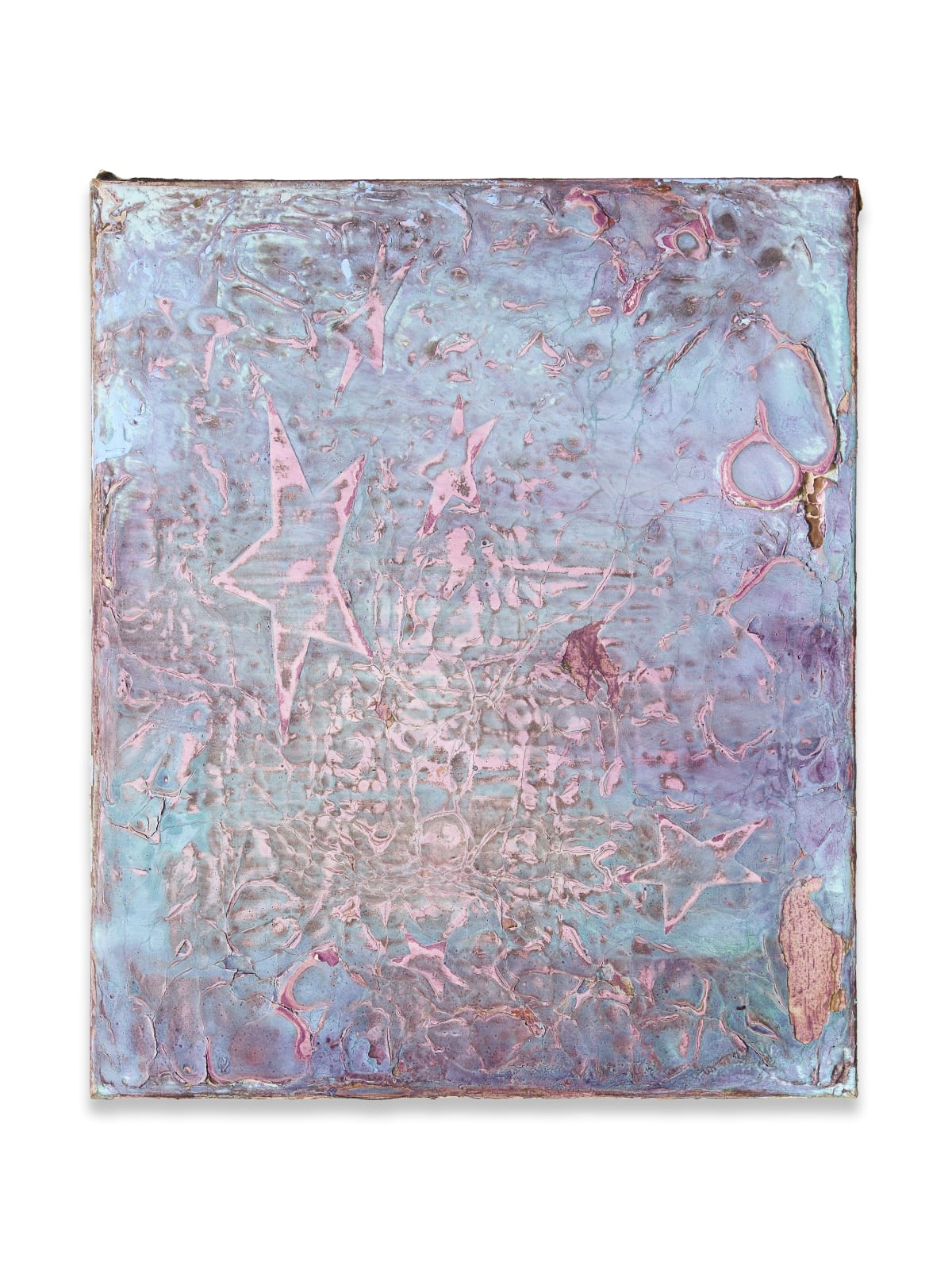
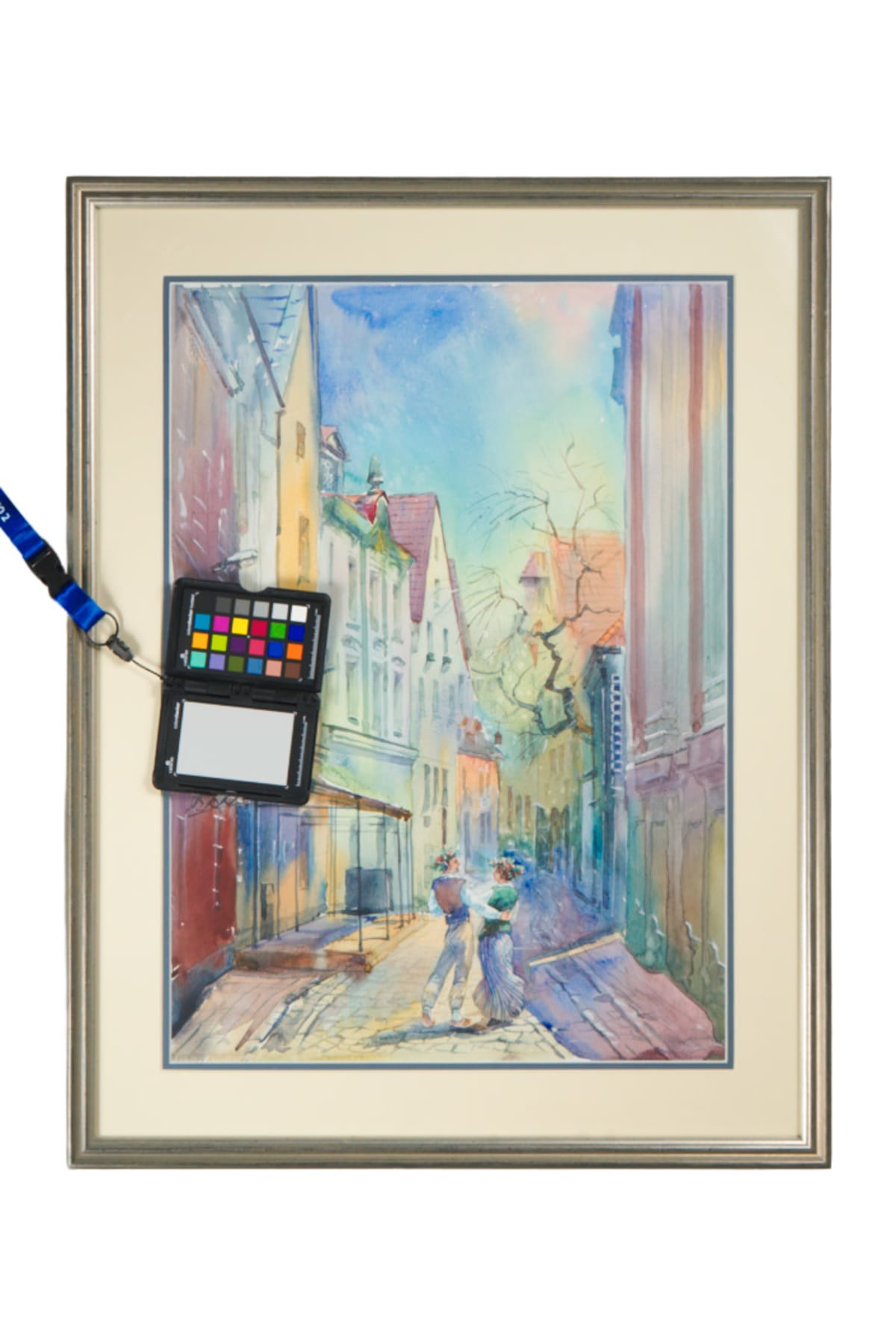
Oil, works on paper, glazed pieces, miniatures — documented under consistent light for schedules, appraisals, and archives. All shot by us.





Step 01
How many works, what’s glazed, and who the files are going to — an insurer, an appraiser, an advisor. You get one clear number before anything is booked.
Step 02
We photograph where the work lives — a gallery, a storage space, a home. Consistent lighting across the set, hero and detail passes per piece, the polarized rig on anything behind glass.
Step 03
Organized, named files with dimensions on record, delivered digitally within ten business days — ready to send to your insurer or appraiser, and to keep in your own archive.
Booking through a museum, university, or corporate collection? Vendor paperwork — a W-9 and a certificate of insurance — usually comes before any contract, and it’s a separate step from shoot-day access paperwork. Here’s how that step works.
A rough count, a few phone photos, and who the files are for. We’ll reply like humans with one clear number and a date.