A client asks for a number on a space nobody on the team has walked through yet, and the honest answer is that a quote built from a floor plan and two phone photos is a guess wearing a dollar sign. A site visit gets added to the booking process before pricing because it resolves what a description can't, ceiling height and light, power and access, where a crew can physically stand, load-in and elevator timing, and how many rooms are actually in play. None of that is visible on paper, and all of it changes the number. The step adds a little time upfront so the quote that follows actually holds.
An unscoped venue gets a site visit before a quote because a floor plan and a couple of photos can't show what actually changes the price, ceiling height and light, power and access, where a crew can stand, load-in and elevator timing, and how many rooms are really in play. The visit resolves those in person so the number that follows reflects the real room, not a guess about it.
Why Does an Unscoped Venue Get a Site Visit Before a Quote?
A number built from a floor plan and two phone photos is a guess wearing a dollar sign. That's why an unscoped venue gets a site visit before it gets a quote, one that confirms the light, the power, the room for a crew, and the load-in before a figure gets written down.
A floor plan is a diagram of where the walls are. It was drawn for architects, contractors, or event planners, and it was never built to answer a photography or video question. It doesn't say where the light comes from at four in the afternoon, whether the ceiling swallows a bounce or throws it back, or whether the outlet nearest the stage actually works. Two phone photos taken by a coordinator on a quick pass through the space carry the same gap. They show one angle, at one moment, under whatever light happened to be on that day.
Pricing a shoot means pricing a crew size, a gear list, and a number of hours. Every one of those depends on the physical space in a way a description alone can't settle. A quote built without seeing the room isn't a careful estimate stretched thin, it's a number assigned to a space nobody on the team has actually stood inside yet.
The site visit closes that gap before the number gets committed to. What it resolves, and why each piece changes the price, is the rest of this piece.
What Can't a Floor Plan or a Couple of Photos Actually Show?
A floor plan and a handful of photos show shape and layout, not the working conditions inside the room. They can't show how light moves through the space across a day, how sound behaves, or how a body of people fills the floor once furniture and guests are in it.
A dimensioned drawing is genuinely useful for knowing where the walls sit and how far one side of a room is from the other. It says nothing about what those walls are made of, how high the ceiling actually runs, or where the windows face. A photo taken on a phone, usually by someone who isn't a photographer and isn't thinking about light, captures a single fixed moment. It doesn't show what the same corner looks like at the hour the shoot will actually happen, and it rarely shows the parts of a room that end up mattering most, the ceiling, the corners, the doorways.
None of this is a knock on whoever sent the plan or the photos over. A venue coordinator or an event planner is doing their job well by sending what they have. The gap isn't that the materials are bad, it's that they were made to answer a different question than the one a shoot needs answered.
That gap is exactly what a site visit fills, and it's why the areas below, height and light, power, floor space, access, and room count, each get checked in person rather than assumed from paper.
Why Do Ceiling Height and Light Change the Plan?
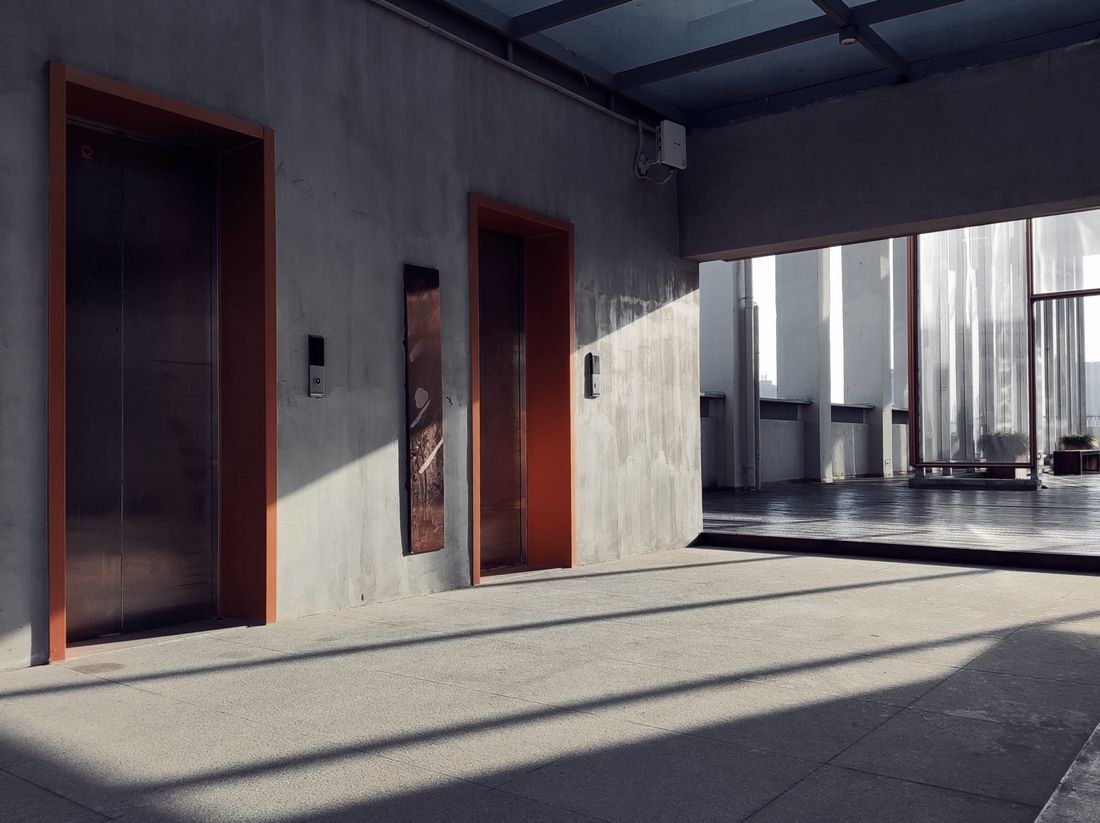
Ceiling height and the direction of natural light change what gear gets used and how long setup takes, which is exactly what a quote is pricing. A low ceiling limits where a light can be bounced or hung. A room that leans on one bright window changes everything about exposure once the sun moves.
A high, open ceiling gives a crew room to bounce light softly off a surface well above the frame, which usually means fewer fixtures and a faster setup. A low drop ceiling removes that option entirely, and the crew has to build soft light a different way, often with more equipment and more time to place it. Neither approach is better on its own, but they cost differently in hours and gear, and that difference only shows up once someone has stood under the actual ceiling.
Light does the same thing from a different angle. A room with one wall of tall windows facing west behaves completely differently at ten in the morning than it does at four in the afternoon, and a quote written without knowing which way those windows face is really pricing an average of every possible lighting condition rather than the one that will actually be there.
Seeing the ceiling and the light in person is the only way to know which setup the room actually calls for, and that setup is a direct input into the hours and gear a quote has to account for.
Why Do Power and Access Change the Number?
Power and access decide how much gear a crew can safely bring to bear and how long it takes to get it into position, and both of those are direct cost inputs. A room with limited outlets or a single narrow entrance changes the plan in ways a floor plan rarely marks clearly.
Lighting a room properly sometimes means running more than a lamp or two can pull from one outlet, and a space with power only along one wall limits where that lighting can actually go, whatever the floor plan suggested was possible. A site visit is where someone checks which outlets are live, where they sit relative to the areas that need to be lit, and whether cables can run safely without crossing a doorway or a path guests will walk.
Access works the same way from the outside in. A venue with a wide loading door at ground level lets a crew bring in cases quickly. A venue reached through a narrow side entrance, a service corridor, or a flight of stairs turns the same amount of gear into a much longer carry, and that time has to be priced somewhere.
Both of these are the kind of detail that reads as a footnote on paper and turns into real minutes, or real limitations, once a crew is actually standing in the room with cases to move.
Why Does Where a Crew Can Physically Stand Change the Price?
Where a crew can actually stand and move determines how many people a job needs and how the coverage gets built, which is a direct driver of the price. A tight room might only hold one photographer comfortably. A larger, open one might call for a second angle to cover the space properly.
A room's usable floor space isn't the same as its square footage on a plan. Furniture, columns, low beams, and fixed seating all eat into the area a crew can actually work from, and none of that is obvious from a dimensioned drawing. A site visit is where someone walks the room and identifies the spots that will genuinely work for a camera position once the space is filled with people, versus the spots that look fine empty on paper but become a dead end once a crowd gathers.
That matters for staffing. A single photographer can cover a small, simple room well. A larger room, one with two natural focal points, or one where the crowd is expected to spread out, often needs a second person to get full coverage without constant repositioning. Deciding that staffing level from a floor plan means guessing at how the room will actually be used.
Confirming crew positions in person is what lets a quote reflect the actual headcount a job needs, rather than a headcount assumed from a drawing that says nothing about sightlines.
Why Do Load-In and Elevator Timing Change the Number?
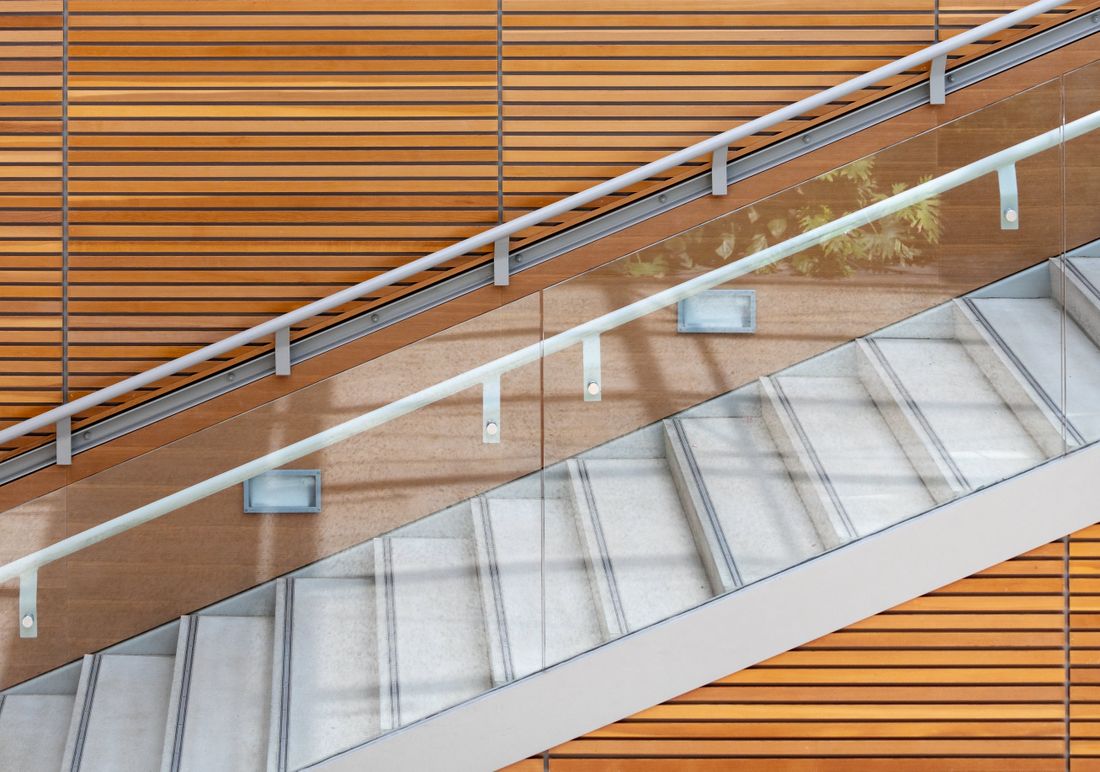
Load-in and elevator timing set how much of a shoot day gets spent moving gear instead of shooting, and that time has to be priced like any other hour on site. A building with a slow service elevator or a strict loading window can quietly turn a short shoot into a much longer one.
A venue on a ground floor with a door that opens straight onto the shooting space adds almost no time to a day. A venue on an upper floor of a building with one shared freight elevator, especially one other tenants also rely on, can turn a fifteen-minute carry into an hour of waiting and multiple trips. Neither of those is visible on a floor plan, and a quick phone call rarely surfaces it either, since most people don't think to mention an elevator until it's already slowing them down.
Some buildings also set a specific loading window, a security check-in, or a freight-only entrance that has to be used regardless of how the rest of the space is arranged. Those rules exist for reasons that have nothing to do with a shoot, but they still shape how the day has to be scheduled around them.
A site visit is where these building-specific realities get confirmed directly, rather than assumed to be as simple as they'd be in a building without them, and that confirmation is what keeps the quoted hours honest.
Why Does the Actual Number of Rooms in Play Need Confirming?
How many rooms are genuinely part of the shoot changes the scope of the job, and that number is often softer than it sounds on a call. A client might describe one event space, when the day actually involves a lobby, a reception room, and a separate area set aside for remarks.
Venues rarely present as a single clean room. A description like the main hall often turns out to include an adjoining space used for check-in, a smaller room set aside for a private moment, or a courtyard that becomes part of the day once the weather cooperates. Each of those is a separate area that needs to be walked, lit differently, and accounted for in the schedule and the quote, even when nobody set out to make the shoot multi-room.
This isn't usually anyone trying to undersell the job or leave anything out on purpose. A client describing their own event from memory, or a coordinator describing a venue they don't personally run day to day, is working from a mental map that leaves out spaces that don't feel like part of the main event but end up mattering once the day actually happens.
A site visit is where the actual footprint of the day gets confirmed, room by room, so the quote reflects the shoot that will really happen rather than the simplified version described over the phone, and nobody discovers an extra room mid-shoot.
What Does This Mean for the Client's Timeline?
Adding a site visit means building it into the booking timeline as its own step, not an optional extra squeezed in later. For an unscoped venue, the visit needs to happen before a firm number goes out, which means scheduling it early enough that it doesn't push the whole booking back.
In practice, this is a short visit, not a production. It's a walkthrough focused on the handful of things that actually change a quote, ceiling and light, power, floor space, access, and room count, and it usually takes far less time than the questions it settles. The part that takes planning is coordinating access to a venue that isn't ours, which can mean working around another event, a property manager's hours, or a booking calendar the client doesn't fully control either.
Because of that, the honest move is naming the step early rather than treating it as a delay discovered midway through booking. A client who hears about the site visit as part of the process from the first conversation can plan around it. A client who hears about it only after asking why the quote is taking a while experiences the exact same step as friction instead of care.
The site visit adds a step, but it replaces a worse alternative, a number that has to be revised once the room turns out to be different than described. Settling that upfront is what lets the quote that follows actually hold.
Frequently asked questions
Does every venue need a site visit before a quote?
Only venues that haven't already been scoped in some reliable way. A space we've shot in before, or one with a current, detailed floor plan and recent photos from someone who knows what to check, can sometimes be quoted without a fresh visit. An unfamiliar venue with only a verbal description or a couple of quick phone photos usually needs the walkthrough first, since that's exactly the situation where a written quote would otherwise be a guess.
What if the venue is far away or the booking is a rush?
Distance and a tight timeline are both real constraints, and they get weighed honestly rather than skipped past. A far venue might mean the visit happens on the earliest available date instead of immediately. A genuine rush sometimes means a provisional range goes out first, clearly labeled as an estimate, with the firm number following once the visit happens, rather than a fixed quote built on a guess about a room nobody has seen.
Who actually does the site visit, and is it billed separately?
The site visit is usually handled as part of the booking process itself, not billed to the client as a separate line item on top of the quote. It's a short, focused walkthrough of the space, done ahead of the shoot day, aimed at settling the handful of things that change the price, not at rehearsing the shoot itself or covering ground the shoot day will cover anyway.
Can the quote be given as a range before the visit happens?
Yes, when a client needs an early sense of scale for a budget conversation. A range built from the description given so far can work as a placeholder, as long as it's clearly labeled as provisional rather than final. The firm number still waits for the visit, since a range wide enough to stay honest about a room nobody has seen yet isn't precise enough to actually book against.
What if the client already has a detailed floor plan and photos?
Good materials genuinely help and can shorten what the visit needs to cover on the day. A dimensioned plan and clear, recent photos answer some of the questions a visit would otherwise resolve, which is real progress. They still won't show current light at the shoot hour, whether the outlets actually work, or how the room feels once someone has walked it, so the visit still happens.
Planning photo or video in NYC?
Tell us what the files need to do, where the work is happening, and what the day has to protect. We will help shape a practical production plan around it.
Start a project →