
This isn't about manufacturing urgency you don't have. A gallery without an opening this month doesn't need to pretend one is happening, and followers can usually tell the difference between real content and a placeholder post anyway. What a slow month gives you instead is time, the kind you don't get during install week or the 48 hours after an opening, when everything is reactive and nothing gets a second pass.
The rest of this guide runs through what to actually post when there's no event to hang it on, what to skip, and how to use a quiet stretch to get ahead so the next busy month doesn't turn into a backlog.
What actually counts as content when there's no opening
Most gallery social plans get built around events without anyone deciding it that way. Something happens, there's footage, it gets posted. The trouble shows up the month nothing is scheduled: no opening, nothing new on the wall, the calendar quiet for weeks at a stretch. If the whole plan was post what happened this week, August or a slow patch in deep winter leaves nothing to post.
That doesn't mean the gallery has nothing worth sharing. It means the definition of content has to widen past live events. The archive counts. Work sitting in storage counts. A single three-day install generates hundreds of frames and usually gets represented online by six posts, tops. The other frames didn't stop being good. They just never had a reason to go out.
This is closer to how most galleries already work behind the scenes than it looks from outside. Folders get culled for a handful of strong shots after every shoot, and dozens more sit untouched. In practice, treating that surplus as real inventory means each of the following counts as something worth posting:
- Archive images that never made it into the feed
- A single work told properly, not as part of a group shot
- Prep work, and what's coming next season
- The people who actually work there
- An honest revisit of a past show
Open the archive nobody has seen in years
Before shooting anything new, look backward first. Most galleries already have years of this sitting in old folders, unseen by anyone who follows the account today:
- Install shots
- Detail shots
- Studio-visit footage
- Past opening photos that never got posted
Sort by what's genuinely unused, not by what's easiest to find. A shoot from four openings ago might hold detail shots of a painting that's since sold, wall texture nobody ever zoomed into, or a quiet gap between guests that says more about the room than the crowd shot did at the time. None of it expires. A detail shot from February works fine in September.
This is also the fastest option on this list, which matters when a slow month coincides with everyone being stretched thin elsewhere. Pulling a few unused frames from an old shoot takes less time than planning and shooting something new, and it still gives followers something real, not filler, to look at. A gallery that's run several shows a year for a while is usually sitting on more usable material than it realizes. The work was already done. It just never got a second look.
Tell one piece properly instead of running a carousel
A show recap works because it moves fast, the room, the crowd, several works in sequence. A slow month is the better moment for the opposite move: one piece, several angles, real depth.
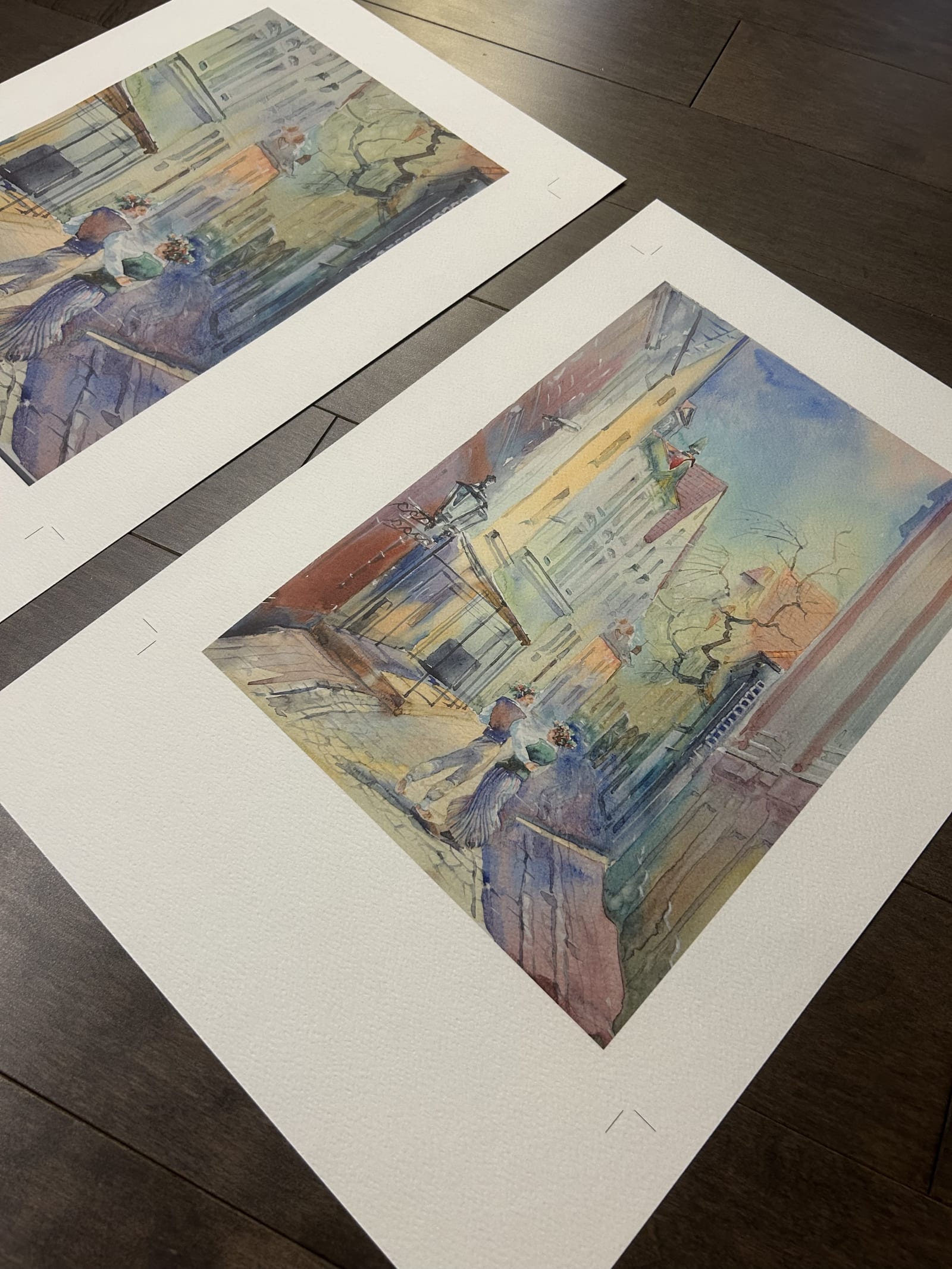
Pick a single work and give it the kind of attention a busy week never allows. A full detail pass. A caption about material or process instead of just naming the artist and title. A short clip that pans across the surface instead of one static frame. This works especially well for a piece that's been in the space a while and never got its own post, or one that's about to be deinstalled and deserves a proper send-off before it leaves.
Choosing the piece is easier than it sounds. Look for something overlooked in past posts, a work that showed up once in a wide install shot and never again. Depth reads as care online in a way volume doesn't. A single-work post that clearly took time to make usually holds attention longer than another wide shot of a gallery wall everyone has already scrolled past.
Show the people who work there, and what's coming this fall
Every gallery does real work between openings: hanging, crating, lighting tests, wall patching, the slow business of getting a space ready for the next show. Most of it never gets photographed, because nobody's thinking about content while they're on a ladder. A phone photo of a partially hung wall or someone testing a light against a blank surface shows the labor a finished install shot never can.
Staff content works the same way when it's honest rather than staged: someone actually doing their job, packing a shipment, answering emails at a desk covered in condition reports. It puts a person behind the account, and a slow month, with less pressure to hit a specific promotional beat, is a low-stakes time to try it.
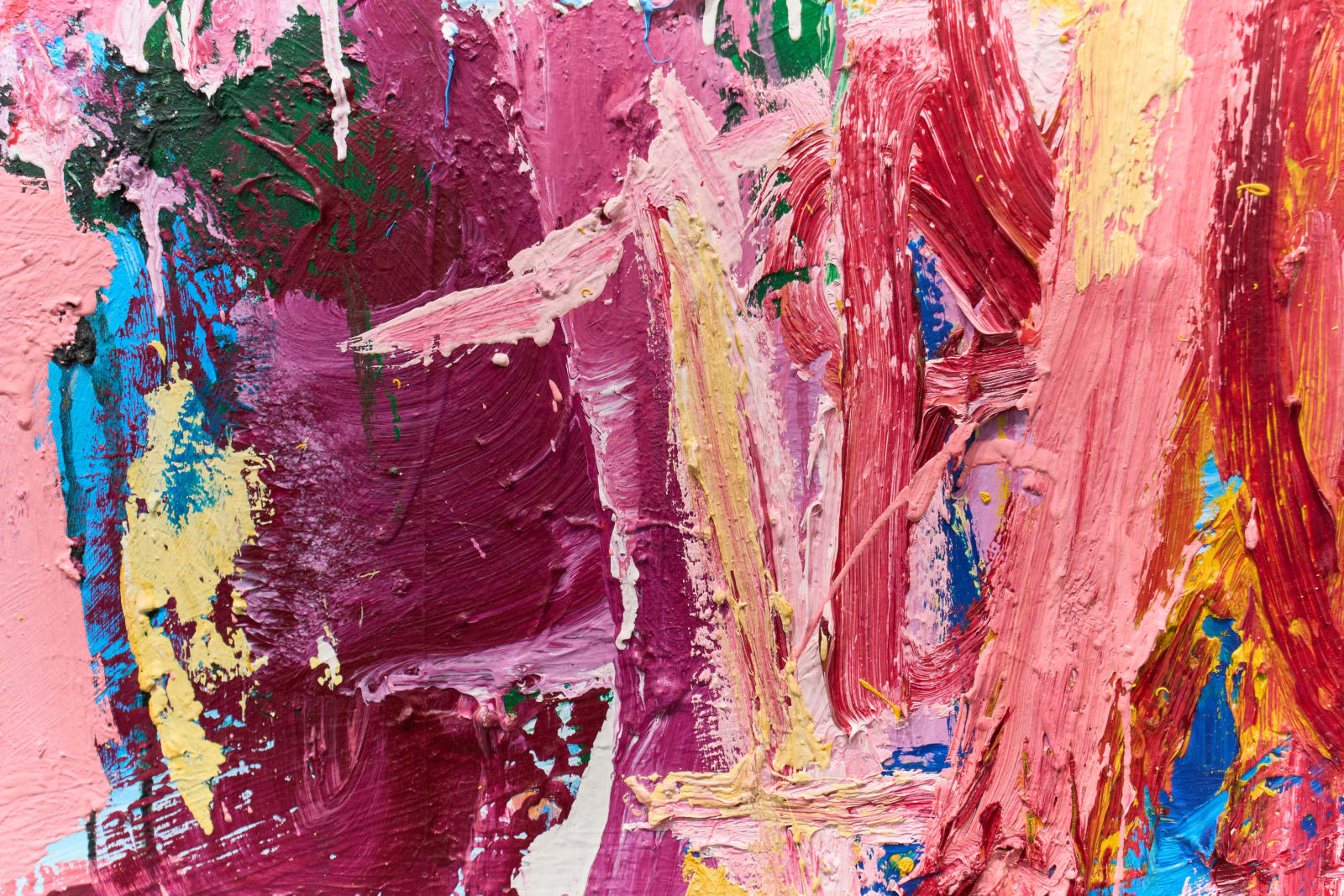
If an artist the gallery represents is open to it, ask them to share process too, a hand mixing paint, a detail of a canvas mid-progress, a studio shelf. Not every artist wants a camera around, and that's worth respecting fully. But some do, and there's no opening-week deadline pressuring the ask right now.
None of this needs to wait for a reason. What's actually being prepared for the fall season, work coming off the wall, work going up, a next show taking shape, is itself the story.
A from-the-archive post, done honestly
A dedicated archive post is different from quietly recycling an old photo. It names what it is. A caption that reads from a past show, with the month named, and revisiting gives old material a real reason to reappear instead of pretending to be new. Most followers don't mind seeing something from six months ago if the post is honest about the timing. What reads badly is old content dressed up like it just happened.
This format also does something useful for anyone who started following after that show closed. A piece from a past exhibition can be new to a real share of the current audience, even though it isn't new to the gallery. Revisiting isn't a compromise. It's a second look at work that only got seen once.
One thing worth skipping entirely: apologizing for the quiet. A caption that opens with sorry we've been away draws attention to the gap instead of filling it, and it turns whatever archive content follows into a consolation prize instead of something worth posting on its own terms. Nobody needs the apology. They need something worth looking at, and that's usually already sitting in a folder somewhere.
Use the quiet month to shoot what the busy months need
There's a case for shooting during a slow month that has nothing to do with filling the feed this week. The weeks a show is up are exactly when nobody has time to make new content, and the weeks between shows are exactly when that time exists. A slow month is the right window to bank material for the stretch that won't have any.
A studio reels day works well for this. We come in for under two hours with ten short concepts already written, one or two people on camera, and leave with ten edited, captioned reels ready to post over the following weeks. The day runs $1,500, with the first three bookings this fall at $1,100 while we build out the portfolio for this offer, enough content banked to carry a gallery through the next run of shows without anyone scrambling for footage mid-install.
The same logic applies to documentation. A quiet month is a genuine opportunity to work through a documentation backlog, older pieces that were never properly shot, work coming out of storage for the first time in years. Booking ten to nineteen pieces in one session brings the per-piece rate down ten percent, and twenty or more moves to a custom quote. It's the kind of project that's easy to keep putting off during a busy month and easy to actually finish during a slow one.
None of this requires treating a quiet month as a problem to manage. The gap on the calendar isn't a gap in the archive, or in the work waiting to be documented. It's usually the first time in a while that anyone's had the time to deal with either.
Give the quiet month something to say.
We help galleries build content out of the ordinary weeks too, pulling from the archive, planning ahead, and keeping the feed honest between openings.
Explore monthly media →