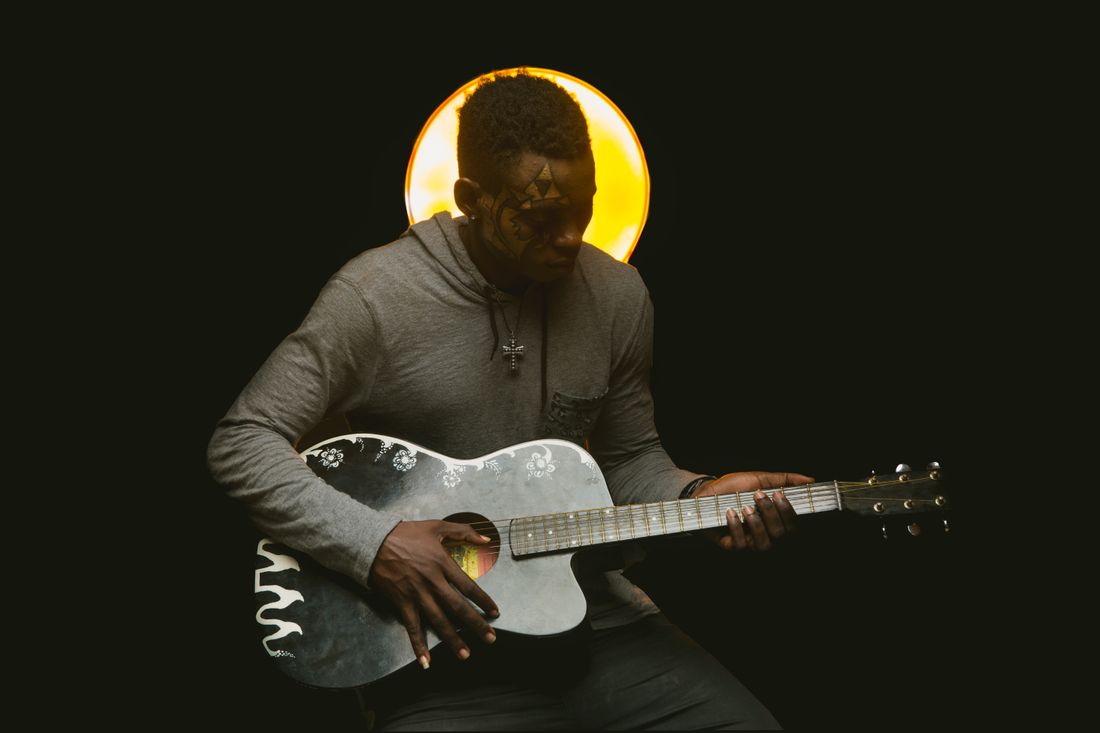
A venue booking a single show wants one strong poster image for one specific date. A talent or booking agency representing that same performer wants something else entirely: a file that still looks right in a pitch deck, a festival lineup grid, and a press page long after this particular booking is forgotten.
A talent agency needs a performer portrait built for repeated reuse across pitches, lineup grids, and press kits over a year or more, not a single poster image tied to one show. That means simpler backgrounds, longer usage rights, multiple crops, and an expression that reads as consistently as the performer's actual persona, not a one-off mood tied to a venue's specific event.
What is the actual difference between a venue's need and an agency's need?
A venue commissioning or requesting a performer photo is usually solving a one-time problem: it needs a poster or listing image for a specific date, in a specific format, for a specific room. Once that show passes, the image has mostly done its job. A booking agency representing the performer is solving a different, longer problem: it needs a photo that keeps working across every pitch it sends out for the next year or more, to venues and festivals it hasn't contacted yet.
That difference in time horizon changes almost everything about how the photo should be shot. A venue's poster image can lean into a specific mood, a specific color treatment, even a specific prop that matches this one event's branding. An agency's pitch photo can't do that, because the same image has to sit inside dozens of different pitch decks, lineup pages, and press releases built by other people who have no reason to match the agency's original creative concept.
Agencies that understand this ask for a plainer, more durable portrait up front, even when a specific venue or festival later asks for something more stylized for one particular booking. The agency's own file stays simple and reusable. The stylized version becomes a one-off addition to the library, not a replacement for the working portrait every future pitch depends on, and the agency never has to scramble for a plain fallback once the stylized version stops matching the story a new pitch needs to tell.
Why does a pitch deck need a simpler photo than a poster?
A poster is designed once, by one designer, around one image. A pitch deck gets built over and over, by different bookers, festival programmers, and marketing staff who are dropping the same portrait into a slide template they didn't design and can't heavily edit. A busy background, heavy color grading, or an unusual crop that works beautifully on a poster often looks awkward or clashes once it's placed next to a generic template's text boxes and logos.
A simpler photo, plain or softly lit background, natural color, a fairly standard crop, survives that process because it doesn't fight with whatever layout it lands in. It reads clearly at thumbnail size in a lineup grid alongside a dozen other acts, and it still looks intentional blown up to fill a slide.
This isn't a call for a boring photo. A performer's actual presence, their energy, their persona, still needs to come through in the expression and the framing. The simplicity is about what's around the performer, not about the performer themselves. Keeping the background and treatment plain gives every future booker a blank canvas to build their own materials around, instead of inheriting a creative decision made for a different show entirely.
Agencies that skip this step and only ever commission stylized, one-off images often find their pitch decks looking visually inconsistent, since every act's photo carries a different mood from a different past shoot.
How long does an agency actually expect to use one portrait?
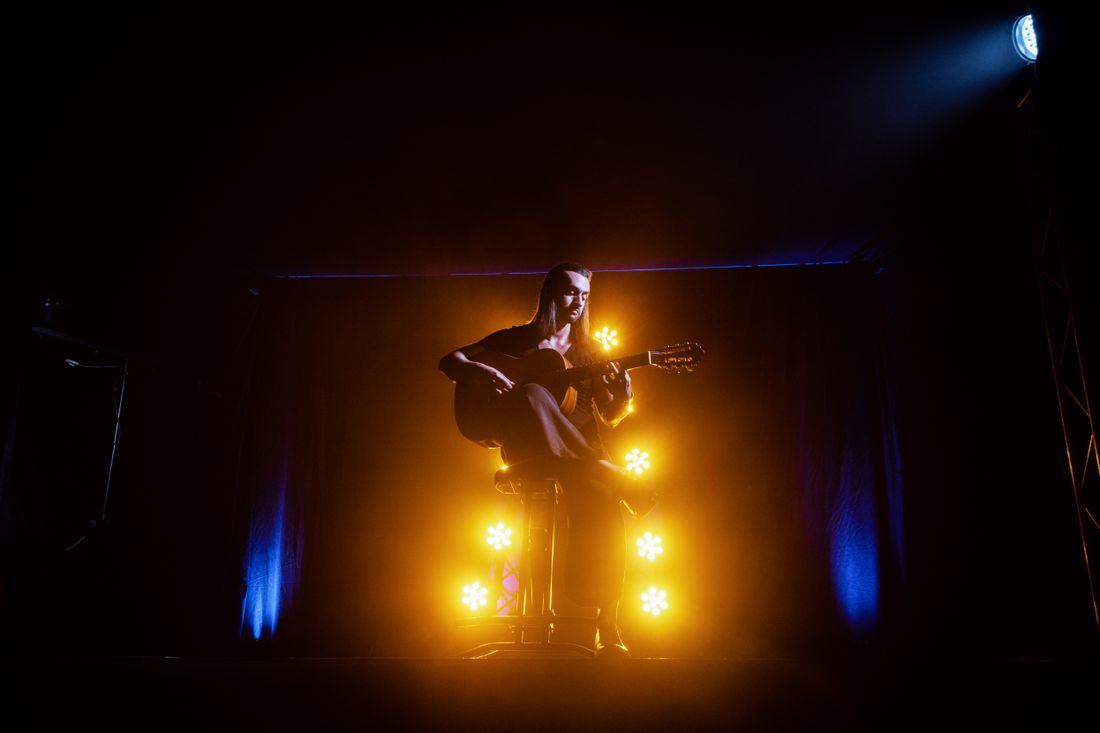
Most agencies plan to use a commissioned portrait for a year or more, sometimes considerably longer if the performer's look doesn't change much and the photo keeps testing well in pitches. This is a much longer usage window than a venue typically expects from a single event photo, and it changes what counts as a good investment.
A venue can justify a highly specific, trend-forward image because it only needs to work for a few weeks around one show. An agency generally can't, because a heavily trend-driven look, a specific color grade popular this season, an unusual crop style currently in fashion, tends to date visibly within a year, right around the point the agency was hoping to get more use out of it.
This pushes agencies toward portraits with a more neutral, less trend-anchored treatment: natural skin tones, simple lighting, a background that isn't tied to a particular design moment. The performer's actual persona carries the photo instead of a stylistic choice that will look dated by the time the next booking cycle starts.
It also means the commissioning conversation should include an honest question about how long the agency expects to run this specific portrait before it needs a refresh, since that answer shapes how conservative the styling and treatment should be from the start. A rough answer at the outset is still more useful than no answer at all, since it gives the photographer a concrete target to plan the shoot around.
What usage rights does an agency need that a venue doesn't?
A venue typically needs rights to use a photo for one event, on its own marketing channels, for a defined window around the show date. An agency needs something broader: the right to place the same portrait into pitch decks sent to venues and festivals it hasn't approached yet, into press kits distributed to outlets the agency doesn't control, and onto its own roster page where the photo might sit for years.
This is a licensing conversation worth having explicitly before the shoot, not after a specific venue asks whether they can also use the photo on their own site. An agency that assumes broad usage without confirming it in writing can end up unable to use its own commissioned portrait the way it actually needs to, or worse, can end up in an awkward conversation with a photographer or the performer's own team later.
The practical fix is straightforward: agree on usage terms that match how the photo will actually travel, agency marketing, third-party pitch decks, press distribution, roster pages, before the shoot happens, rather than negotiating retroactively every time a new use case comes up. Performers and agencies that treat this as a one-time conversation up front avoid repeating it every time a new opportunity requires the photo to appear somewhere new.
None of this needs to be complicated. It just needs to be decided on purpose instead of assumed by default.
Does a performer need different crops for different agency uses?
Yes, and this is one of the most practical differences between a venue's needs and an agency's. A venue usually needs one crop for one poster size. An agency needs the same portrait to work as a square lineup tile, a vertical press page image, and a wide banner crop for a festival website, often all from the same original session.
The easiest way to solve this is to shoot with extra space around the performer rather than a tight, final crop decided on set. A photo composed with room on all sides can be cropped square for a grid, tall for a press page, or wide for a banner without losing the performer's face or awkwardly cutting off part of the frame. A photo shot tight to a specific final crop usually can't be reused this way at all.
This is a small technical decision at the time of the shoot that has an outsized effect on how useful the final files are a year later. Agencies that specify "deliver with extra room for multiple crops" as part of the brief save themselves from re-shooting or awkwardly stretching a tightly cropped image when a new use case comes up.
It's worth asking for this explicitly, since a photographer focused on delivering one beautiful final image won't necessarily think to leave room for a use case that hasn't come up yet.
How should the performer's expression differ from a venue's poster shot?
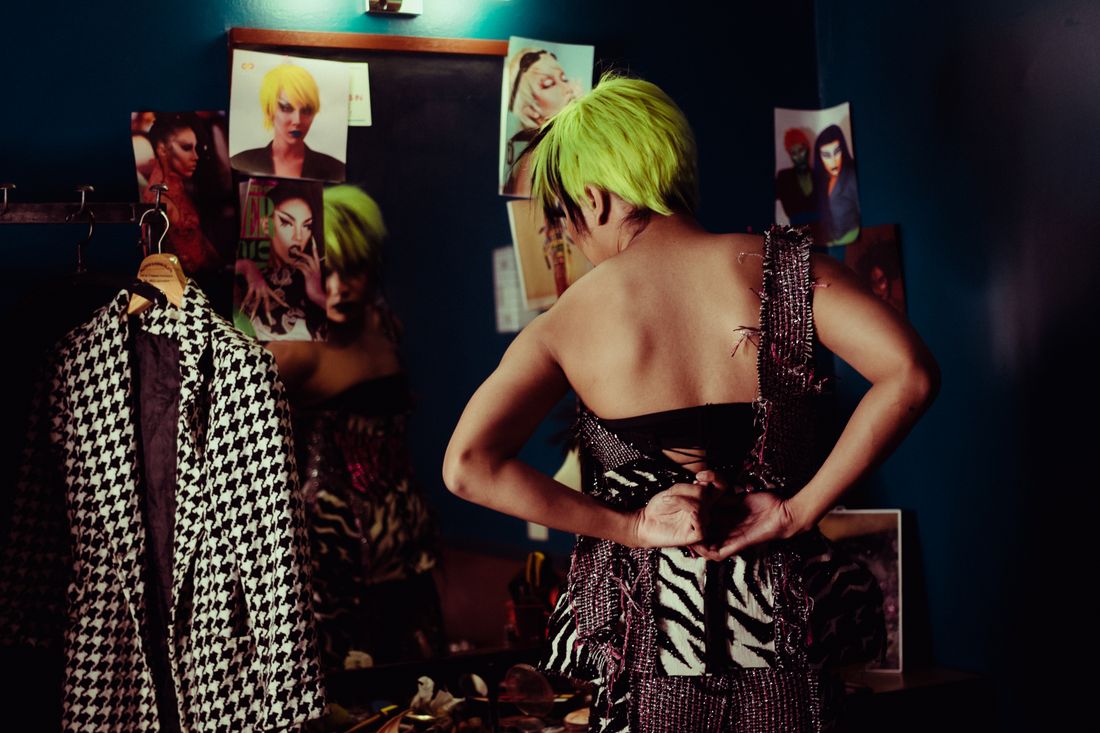
A venue's poster shot can lean into a specific mood built around one show, dramatic lighting, an intense expression, something that matches that event's particular energy. An agency's working portrait needs an expression that represents the performer consistently, since it's the image bookers and press will see repeatedly, often before they've seen the performer live at all.
This usually means something a little more neutral than a venue's specific poster mood, confident, present, recognizably the performer's actual persona, without leaning so hard into one emotional register that it feels mismatched next to a different kind of show. A performer known for high-energy sets doesn't need to look like they're mid-performance in every agency photo, and a performer known for a quieter, more intimate style doesn't need a somber expression that undersells how engaging they are live.
The goal is a photo a booker can look at and get an accurate read on who this performer is, before ever seeing them on stage. That's a different job than making one specific show look exciting, and it's worth naming explicitly in the brief so the shoot doesn't default to whatever mood feels most dramatic in the moment.
Agencies that get this right end up with a portrait that still feels accurate to the performer months or years later, rather than one that reads as tied to a single event that's long since passed.
What should an agency avoid when commissioning a performer portrait?
The most common mistake is reusing a great venue-commissioned photo as the agency's main portrait simply because it already exists and looks strong. It might be a genuinely excellent photo, but if it was built around one show's specific branding, lighting concept, or prop, it carries that show's fingerprint into every future pitch, which reads oddly once the association with that particular event has faded.
A second mistake is treating the portrait shoot as a one-time task instead of planning for its full usage life. Skipping the usage rights conversation, skipping the request for extra room around the crop, skipping an honest conversation about how long this photo needs to keep working, all of these save a few minutes at the time of the shoot and cost considerably more time later when the agency discovers the photo can't do what it needs to.
A third mistake is over-indexing on trend. A portrait styled around whatever visual treatment is popular this season photographs well immediately and dates quickly, which is a bad trade for a file meant to last a year or more. Agencies get better long-term value from a portrait that leans on the performer's actual persona rather than a current aesthetic trend.
The fix across all three is the same: commission the agency portrait as its own deliberate project, with its own brief built around reuse, rather than inheriting whatever photo happened to exist from the most recent booking.
How should an agency brief a performer portrait shoot?
A useful agency brief starts by naming the actual use cases the photo needs to serve: pitch decks, lineup grids, press kits, the agency's own roster page, and any recurring format the agency already knows it submits to often. Naming these up front shapes every other decision in the brief.
From there, the brief should specify a plain or simply lit background, a request for extra room around the performer so the image can be cropped multiple ways later, and a clear note on the expression and mood the agency wants: consistent with the performer's actual persona rather than tied to any one show or event.
Usage rights should be settled before the shoot, not after a specific opportunity requires them, covering pitch materials, third-party press distribution, and the agency's own marketing. This is a short conversation when it happens early and a much longer one when it happens after the fact.
Finally, the brief should include a rough sense of how long the agency expects this specific portrait to stay in rotation, since that answer determines how conservative the styling and treatment should be. A photo meant to last through many booking cycles should avoid anything tied too tightly to a passing trend.
Agencies that brief the shoot this way end up with a working asset that keeps paying off long after any single booking that prompted the conversation, instead of a beautiful photo that only really works for the show it was built around.
Frequently asked questions
Can a venue's poster photo double as an agency's main portrait?
It can in a pinch, but it usually isn't the best long-term choice. A poster photo is often built around one show's specific mood, lighting, or branding, which can feel oddly tied to that event once it's reused in pitches for entirely different venues months later. A separate, plainer portrait built for repeated reuse across many different bookings tends to hold up noticeably better over time.
How often should a talent agency refresh a performer's main portrait?
There's no fixed schedule, but most agencies get a year or more out of a well-planned portrait before it needs an update. The bigger trigger than time alone is usually a visible change in the performer's look, or a portrait that was styled too closely to a trend that has since faded, making the photo feel noticeably dated in pitches sooner than the agency expected.
Why does an agency need extra room around the performer in the crop?
Because the same photo usually needs to become a square lineup tile, a vertical press image, and a wide banner crop, often from one original session. A tightly cropped final image can only serve one of those formats well, while a photo shot with extra space on all sides can be reframed multiple ways without losing the performer's face or feeling awkwardly and visibly cut off at the edge.
Should usage rights be discussed before or after the photo shoot?
Before, ideally as part of the initial brief written for the shoot. Agreeing up front on how the photo can be used, pitch decks, press distribution, third-party marketing, roster pages, avoids an awkward renegotiation later when a new opportunity requires the photo to appear somewhere nobody planned for back when the original shoot was first discussed, booked, and scheduled with the photographer and the performer.
Does a performer's portrait need to match their on-stage energy?
It should represent their actual persona accurately, but it doesn't need to replicate a specific on-stage moment or mood tied to one show. A high-energy performer doesn't need to look mid-performance in every agency photo, and a quieter performer doesn't need a somber expression. The goal is an accurate, consistent read on who the performer actually is, not a snapshot of one particular show's temporary mood.
Let's find out which one you actually need.
We shoot both refresh sessions and full new concepts, and we'll tell you honestly which one your portrait needs before we book anything, not after.
Explore portrait sessions →