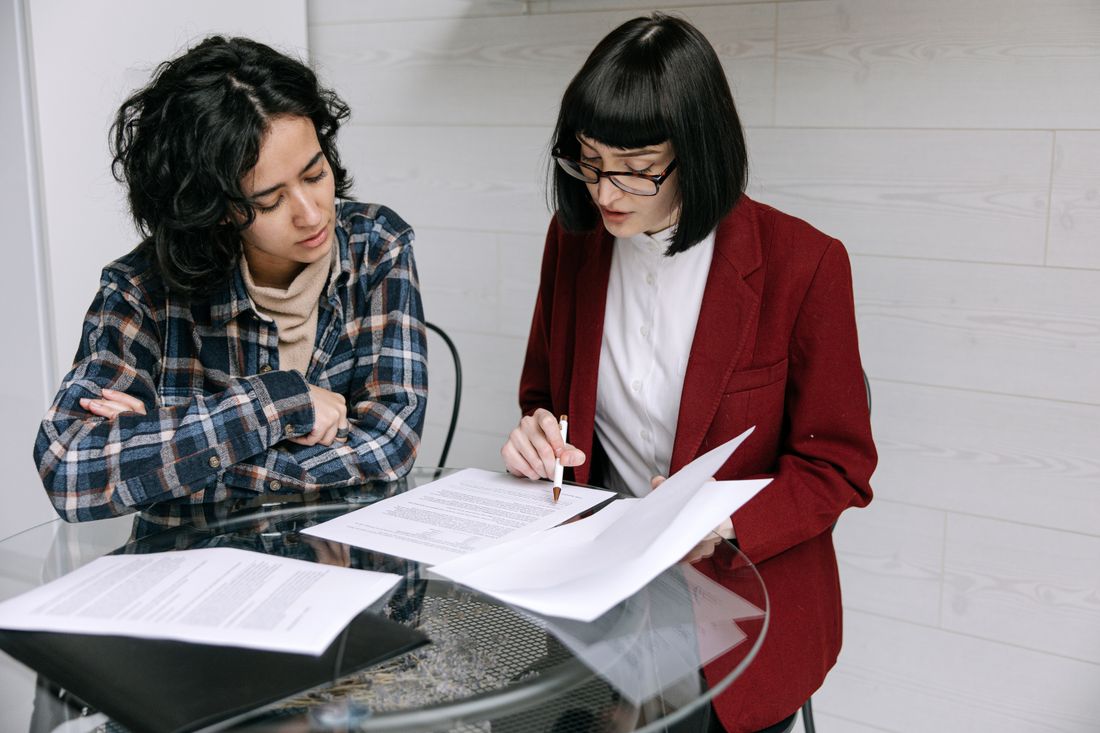
A brand or licensing partner doing due diligence before an artist collaboration launches runs its own approval chain, separate from whatever the artist or the gallery already signed off on. That chain rarely gets mentioned when the portrait session gets booked, and it can quietly become the reason a finished image sits unused for weeks after everyone else already called it done. Knowing what a licensing partner actually checks, before the portrait ever gets taken, changes when that review happens and how much it costs the timeline.
A licensing partner typically reviews four things before an artist portrait goes public: whether the usage rights actually cover the way they intend to use it, how the image represents their product or brand alongside the artist, whether likeness and release paperwork is in order, and whether the delivered files match their own channel specifications. This approval chain runs independently of the artist's or the gallery's own sign-off, and naming it before the session, not after delivery, is what keeps a finished portrait from stalling at the exact moment it was supposed to launch.
Why Does a Brand or Licensing Partner Have Its Own Separate Approval Chain?
A brand or licensing partner has its own approval chain because their exposure is different from the artist's or the gallery's. The artist is putting their likeness and reputation into the image. The gallery is putting its program and roster into it. The brand is putting a commercial product, and often a legal usage agreement, into the same frame, and that carries its own separate set of risks worth checking before launch.
This third chain is easy to miss because it rarely gets raised at booking. The artist knows their own approval process. The gallery knows its own program needs. The brand's legal or marketing review, by contrast, often only becomes visible once the finished image reaches someone whose job is specifically to catch problems before a public launch, and by then the portrait itself is already finished.
None of this means the brand's process is slower or more difficult than it needs to be. A licensing partner's due diligence exists because their name, their product, and often their own legal exposure are attached to the same image the artist and gallery already approved, and that is a genuinely different kind of review than either of the other two chains was built to catch.
Knowing this chain exists before the session even gets scheduled is the single most useful thing anyone involved can do, because it turns a possible late-stage surprise into an ordinary, expected step in the process.
What Does a Brand Need to Know About Usage Rights Before Using a Portrait?
A brand or licensing partner needs a clear, specific answer to exactly where and how long they can use an artist's portrait, not a general sense that the image is available. Usage rights language written for one purpose, a gallery's own program, does not automatically extend to a brand's advertising, packaging, or retail use.
This is where the most common stall happens. A portrait shot with a usage agreement covering the artist's website and press kit does not automatically cover a brand running the same image on product packaging or paid social advertising. These are legally and practically different uses, and a brand's legal or marketing review typically catches this gap before launch, even when nobody upstream flagged it as a concern.
The fix is not complicated, but it has to happen early. Naming the brand's intended use, advertising, packaging, in-store display, social, at the same time the portrait gets booked, rather than after the image is finished, lets everyone confirm the usage agreement actually covers that specific use before a single frame gets shot.
Confirming this in writing before the session, even briefly, spares an artist and a gallery the awkward position of a finished portrait sitting in limbo while new usage terms get renegotiated after the fact. It also spares the brand a real headache, since a launch date built around an image that turns out to need new paperwork tends to slip in ways nobody planned for.
How Does the Portrait Need to Represent the Brand Alongside the Artist?
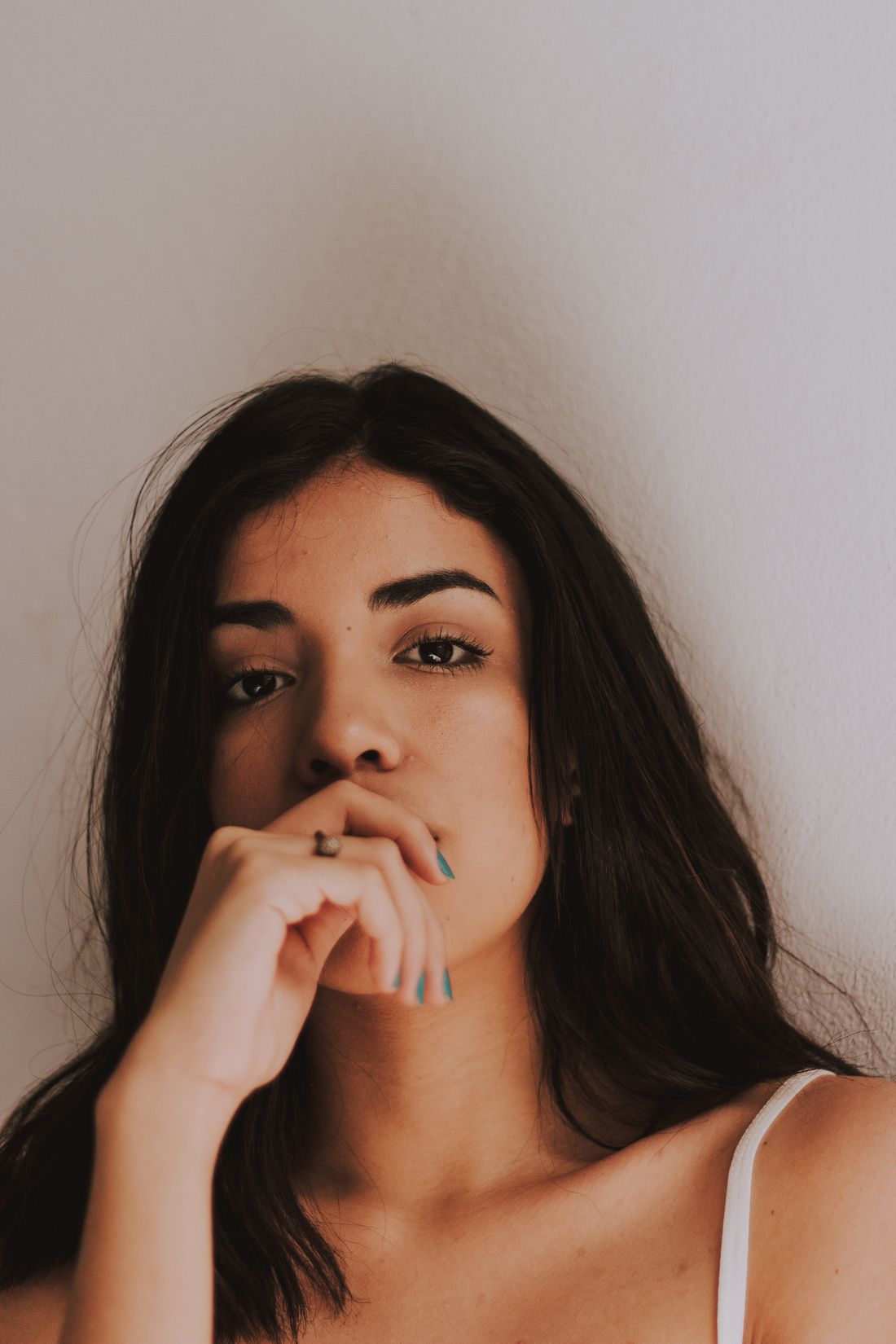
A brand reviewing a portrait for a collaboration checks how the image represents their product or identity next to the artist, not just how the artist looks. This is a genuinely different question from the one an artist or gallery usually asks, and it can lead a brand to flag an otherwise excellent portrait for reasons that have nothing to do with the artist's likeness at all.
An artist evaluating their own portrait is usually asking whether it looks like them, whether the expression feels honest, whether it fits their personal brand. A gallery is usually asking whether it fits the roster's visual consistency. A licensing partner is asking something closer to whether the product or their own brand identity reads clearly and favorably in the same frame, at the resolution and crop their own channels will actually use.
This difference in what each party is even looking for is exactly why naming the brand's specific representation needs before the shoot, product visibility, framing that works for their layout, color accuracy for their materials, avoids a frustrating second round of review after the fact.
A short conversation about what the brand's marketing team will actually be judging the image against saves everyone from discovering the gap only after the portrait is already finished and everyone else has already signed off. Sharing a rough layout mockup ahead of the shoot, even a simple one, tends to surface these needs faster than describing them out loud.
What Likeness and Release Paperwork Does a Brand Typically Require?
A brand or licensing partner typically wants its own likeness release on file, confirming the artist has agreed to the specific commercial use the brand intends, separate from any general model release the photographer already collected for the shoot itself. This is often the single most overlooked step in the whole approval chain.
A standard photography release usually covers the photographer's and the client's right to use the images for the purposes named at booking. A brand's own commercial use, especially advertising or product association, often needs its own explicit release naming that specific use, because the original release may not have contemplated a third party's commercial application when it was signed.
This paperwork gap tends to surface late, usually when the brand's own legal team does a final check before a launch date and asks a question nobody upstream anticipated. Confirming early whether the brand needs its own separate release, and getting that signed alongside the standard release rather than after the fact, keeps a finished portrait from stalling on a paperwork technicality nobody meant to create.
This is routine, not adversarial. Most artists are glad to sign a clear release once the specific use is spelled out plainly, and most delays here come from timing, not resistance. Asking the brand directly whether they carry their own standard release template is usually the fastest way to settle the question before the shoot date arrives.
What Resolution and Format Does a Brand's Channels Actually Need?
A brand's own channels, packaging, advertising, retail displays, social media, usually have specific resolution, crop, and file format requirements that differ from what an artist or gallery typically needs for a website or press kit. Confirming these specs before delivery avoids a second round of file requests after the portrait is already considered finished.
An artist's website or personal press kit is usually well served by a standard web-resolution JPEG. A brand's packaging or a large-format retail display often needs a high-resolution file in a completely different aspect ratio, sometimes with room around the subject for text or product overlay that a tightly cropped artist portrait simply does not have.
This is a technical detail, not a creative one, but it has real consequences if it surfaces after the shoot. A portrait framed tightly and beautifully for a website can be unusable for a packaging layout that needs open space on one side, and reshooting for a format gap discovered late is far more expensive than asking about it during the original shot planning.
Naming the brand's actual delivery specs, dimensions, format, color profile, at the same time the shoot gets planned lets the photographer build room into the composition from the start, rather than trying to retrofit a finished image into a format it was never framed for. A quick checklist covering aspect ratio, minimum resolution, and file type, gathered before the shoot rather than after, usually resolves this in a few minutes.
How Does the Brand's Approval Chain Actually Differ From the Artist's or the Gallery's?
The brand's approval chain differs from the artist's or the gallery's mainly in what each party is protecting. The artist is protecting their likeness and reputation. The gallery is protecting its program and roster consistency. The brand is protecting a commercial usage agreement and its own product or identity, and each of those concerns produces a genuinely different review, even when everyone is looking at the exact same photograph.
This means a portrait can clear the artist's approval and the gallery's approval cleanly and still stall at the brand's review, not because anything is wrong with the image, but because the brand is checking for something the other two chains were never built to catch. That is not a failure anywhere upstream. It is simply a different set of questions, applied at a different stage.
Recognizing that these three chains exist separately, and that each one runs on its own criteria, is what keeps a delay from feeling like a personal rejection of the work. A brand asking for a different crop or a fresh release is not questioning the artist's portrait. It is applying its own standard process to a collaboration it has its own separate stake in.
Once that distinction is clear to everyone involved, the brand's review reads as ordinary due diligence instead of an unexpected obstacle appearing after the fact. The artist and the gallery both benefit from understanding this distinction too, since it means a brand's request rarely reflects on the quality of the portrait itself.
When Should the Brand's Review Actually Get Looped Into the Process?
The brand's review should get looped in at the same time the shoot is being planned, not after the portrait is delivered. Waiting until a finished image reaches the brand's legal or marketing team for the first time is the single most common reason this approval chain causes a delay that feels avoidable in hindsight.
In practice, this means including the brand's specific requirements, usage scope, representation needs, release language, file specs, in the same planning conversation as the artist's and gallery's own requirements, rather than treating the brand as a downstream approver who only sees the image once everyone else has already signed off.
A brand's marketing or legal contact usually has all of this information readily available and is glad to share it early, because a delayed launch is not in their interest either. The friction almost always comes from nobody asking early enough, not from the brand being unreasonable once asked. Marketing teams tend to have this checklist already written down somewhere, and sharing it costs them almost nothing.
Building this into the standard planning conversation, alongside the artist's approval and the gallery's program needs, turns a chain that could stall a launch into one more ordinary item on the same production checklist. A single planning call with everyone present, the artist, the gallery if one is involved, and a brand contact, tends to surface every requirement faster than three separate conversations happening at different times.
What Does a Smooth Three-Chain Approval Actually Look Like in Practice?
A smooth approval across all three chains, artist, gallery, and brand, looks like each party's specific requirements being named before the shoot, rather than discovered after it. The portrait gets planned with enough room, both technically and legally, to satisfy all three reviews without a second round of requests.
In practice, this means a short planning conversation that covers the artist's usual approval process, the gallery's program needs if one is involved, and the brand's usage scope, representation needs, release paperwork, and file specs, all at once, before the shoot date is even confirmed. None of these conversations need to be long. They need to happen early.
The portraits that move fastest from finished image to public launch are usually the ones where nobody discovered a new requirement after the fact. The photographer built the composition with the brand's format needs in mind from the start. The release paperwork already covered the brand's specific use. The usage agreement already matched what the brand intended to do with the image.
None of this requires anything unusual. It requires treating the brand's review as a third, equally real approval chain from the beginning, the same way the artist's and the gallery's chains already get treated as a matter of course. A launch date set with all three chains already satisfied rarely moves, which is ultimately the whole point of doing this work early rather than scrambling to fix it later.
Frequently asked questions
Does a brand's usage agreement automatically cover advertising and packaging use?
Not automatically. A usage agreement written for one purpose, a gallery's website or press kit, does not necessarily extend to a brand's advertising, packaging, or retail use. These are different applications, and a brand's legal or marketing review typically checks this specifically before launch. Naming the brand's exact intended use when the portrait is booked, rather than after it is finished, is the simplest way to confirm the agreement actually covers it.
Does an artist need to sign a separate release for a brand's commercial use?
Often, yes. A standard photography release usually covers the purposes named at booking, but a brand's own commercial use, especially advertising or product association, may need its own explicit release naming that specific use. This paperwork gap tends to surface late unless it gets confirmed and signed early, alongside the standard release, rather than discovered during a brand's final legal check before launch. Asking the brand for its own template early is usually the fastest fix.
Why would a brand ask for a different file format than what the artist already received?
A brand's own channels, packaging, advertising, large-format displays, often need different resolution, crop, and file specs than a website-ready image. A portrait framed tightly for a website can be unusable for a packaging layout that needs open space for text or product overlay. Confirming the brand's actual delivery specs before the shoot avoids a second round of file requests after delivery, and lets the photographer build that room into the original composition.
Can a portrait pass the artist's and gallery's approval and still stall at the brand's review?
Yes, and this is not a sign anything is wrong with the image. Each party is protecting something different: the artist's likeness, the gallery's program, the brand's commercial usage and product representation. A portrait can satisfy the first two chains cleanly and still need a different crop, release, or usage clarification to satisfy the brand's separate review, since the brand is checking for something the other two were never built to catch.
When should a brand's requirements actually get discussed in the process?
As early as possible, ideally during the same planning conversation that covers the artist's approval process and any gallery program needs, not after the portrait is already delivered. A brand's usage scope, representation needs, release paperwork, and file specs are usually easy to get in advance, and asking early is what prevents a finished image from stalling right before launch, when everyone else has already moved on.
Not sure if you need a refresh or a whole new concept?
We shoot both, and we'll say plainly which one fits your portrait before anything gets booked, not after the invoice.
Explore portrait sessions →