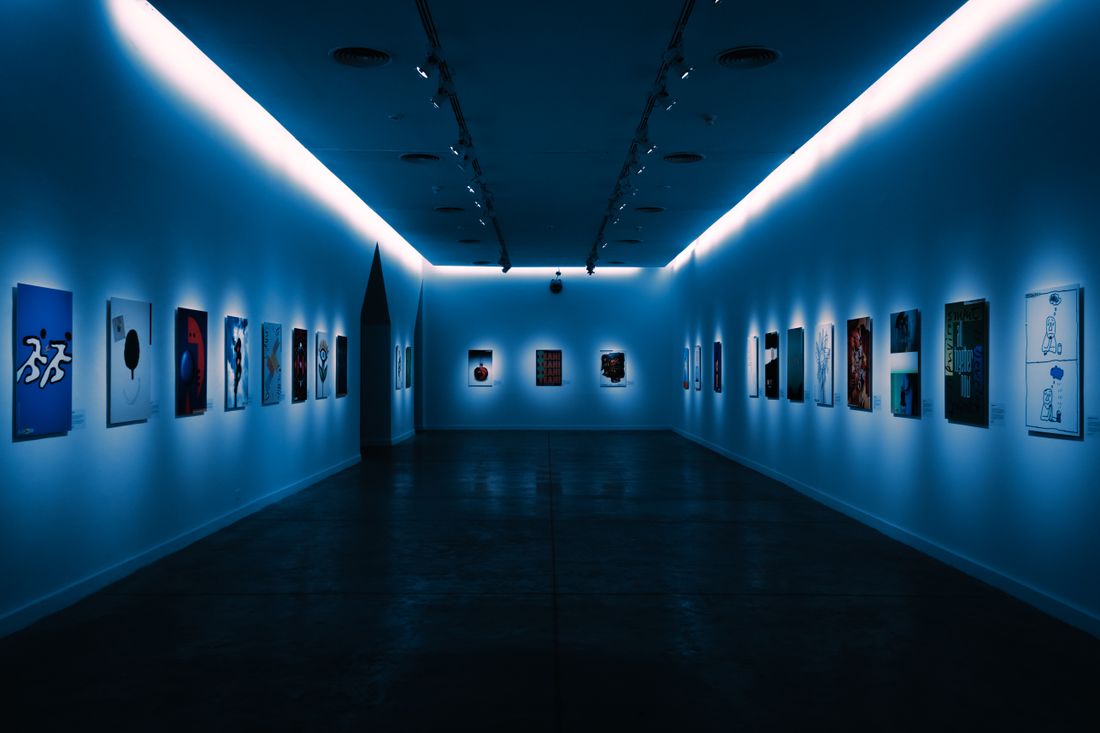
The exhibitor books one day of coverage and assumes it covers one event. It usually covers two. The VIP or preview first hour and the public hours that follow can happen in the exact same booth, on the exact same day, and still produce almost nothing in common. One room is quiet enough to hear a conversation. The other is loud enough to lose the booth entirely in the crowd around it.
A single fair day usually splits into two different shoots inside one booking: a quiet VIP or preview first hour with a small crowd and real access to the work, and the louder public hours that follow with a much bigger crowd and almost no clean sightlines. Deciding the split before the day, rather than reacting to it once the doors open, is what keeps both halves usable.
What Makes the VIP First Hour Different From Public Hours?
The VIP or preview first hour and the public hours that follow are close to two different events inside the same booth. The first hour usually holds a few dozen collectors moving slowly through a mostly open floor. Public hours bring a much larger crowd, faster pacing, and almost no open sightlines to the work itself.
The difference is not just headcount. It is what the room allows a camera to see. In the first hour, the space between a visitor and a piece of work is usually clear enough to shoot through. A conversation at the booth can be framed without three strangers walking into it. The booth itself, the layout, the hang, the lighting, is still legible as a designed space rather than a backdrop behind a crowd.
Public hours change all of that at once. The floor fills in, sightlines close, and the booth stops reading as a considered space and starts reading as one busy stall among many. That is not a worse room. It is a different kind of proof, and it usually matters just as much to the exhibitor, only for a different reason.
Treating the two windows as one continuous shoot tends to produce coverage that fits neither purpose well. Planning them as two distinct shot lists, built around what each room actually offers, is what makes a single day of coverage do the work of two.
What Can Only Be Photographed in the First Hour?
The first hour is usually the only window where the work can be photographed clean, where a real collector conversation can be framed without a crowd behind it, and where the booth still reads as a designed space rather than a backdrop. Once public hours start, none of those three are reliably available again.
A clean shot of the work matters more than it sounds. Once the floor fills, getting an uncrowded frame of a specific piece becomes a matter of luck rather than planning, and a booth that spent months on a hang deserves at least a few images where that hang is actually visible. The first hour is the reliable window for that, not a bonus if time allows.
The collector conversation is the other piece that rarely survives the transition. A preview crowd tends to move slowly and engage seriously, which produces the kind of unhurried exchange that reads as a real moment rather than a staged one. Public hours move too fast for that same conversation to happen the same way, even with the same person standing at the same piece.
Booth design is the third. A wide shot that shows the layout, the spacing, the intentional choices behind where pieces sit, only works when there is enough open floor to see it. That shot exists for maybe sixty minutes on a good fair day, and it is worth protecting deliberately rather than assuming it will happen on its own.
What Can Only Be Photographed Once Public Hours Start?
Public hours are the only window that can show scale, real crowd energy, and proof that the booth actually drew attention once the fair opened to everyone. A quiet first hour cannot produce any of those three, no matter how well it is shot.
Scale is the most literal of the three. A booth photographed to a nearly empty room, even a beautifully composed one, does not communicate that the fair itself was busy. A wider shot once the floor fills in, showing depth of crowd without losing the booth in it, is the only honest way to document that the day had real turnout.
Crowd energy is related but not identical. It is less about headcount and more about visible engagement: people actually stopped, actually looking, actually clustered around a piece rather than walking past it. That reads as proof the work held attention in a room full of competing booths, which is a different and often more persuasive claim than a clean product shot can make on its own.
The third is simpler still: proof the booth drew a crowd at all. For an exhibitor deciding whether to return to the same fair next year, or pitching it to someone else who was not there, a frame that shows genuine public interest tends to do more convincing than a beautifully lit but empty room ever will. That frame only exists once the doors actually open.
How Should the Split Be Decided Before the Day?
The split should get decided against what the images need to prove, not against the clock. An exhibitor who mainly wants sales-facing material leans toward the first hour. One who wants to prove public reach for next year's pitch leans toward public hours. Most bookings actually need some of both.
The useful exercise ahead of the day is naming, in plain terms, what the photos are actually going to be used for afterward. A follow-up email to a collector who visited the booth wants the quiet, uncrowded material. A recap for a partner, sponsor, or next year's application wants the busier, proof-of-turnout material. Naming both uses in advance is what keeps the day from defaulting to whichever hour happens to be easiest to shoot.
Once the uses are named, the fair's own schedule usually settles the rest. Most fairs publish preview and public hours well ahead of the event, which means the split can be planned against a known timeline rather than guessed at once the exhibitor is already on the floor. A rough allocation, worked out beforehand, removes a decision that otherwise has to get made on the fly, mid-conversation, with a photographer waiting for direction.
The approach that tends to backfire is deciding nothing in advance and hoping the day sorts itself out. It usually does not. Without a plan, coverage tends to drift toward whichever hour is happening when the photographer happens to have a free moment, rather than the hour that actually mattered most for the exhibitor's goals.
What Do You Sacrifice if Coverage Only Covers Part of the Day?
Covering only part of the day means giving up whichever half was not chosen entirely, not partially. There is no efficient way to get a little of both from a short window, because the two rooms genuinely do not overlap in what they offer a camera.
Choosing only the first hour means giving up any real proof of turnout. The exhibitor walks away with clean, sales-ready material and real collector moments, but nothing that shows the fair was actually busy once it opened. For a booth mainly focused on relationship-building with the people who were already going to attend a preview, that trade can make complete sense.
Choosing only public hours means giving up the clean shot of the work and the unhurried conversation. What remains is proof of scale and interest, useful for a recap or a pitch to a sponsor, but weaker for a direct follow-up to a specific collector who wants to see the piece they were looking at, not a crowd around it.
The honest move, when the budget only covers part of a day, is picking the half that matches what the exhibitor actually needs the photos to do, rather than defaulting to whichever hour feels more traditional to document. A short, deliberately chosen window, aimed squarely at the priority that actually matters, usually serves the exhibitor better than a longer one split evenly and thinly across both rooms.
How Do the Two Halves Get Used Differently Afterward?
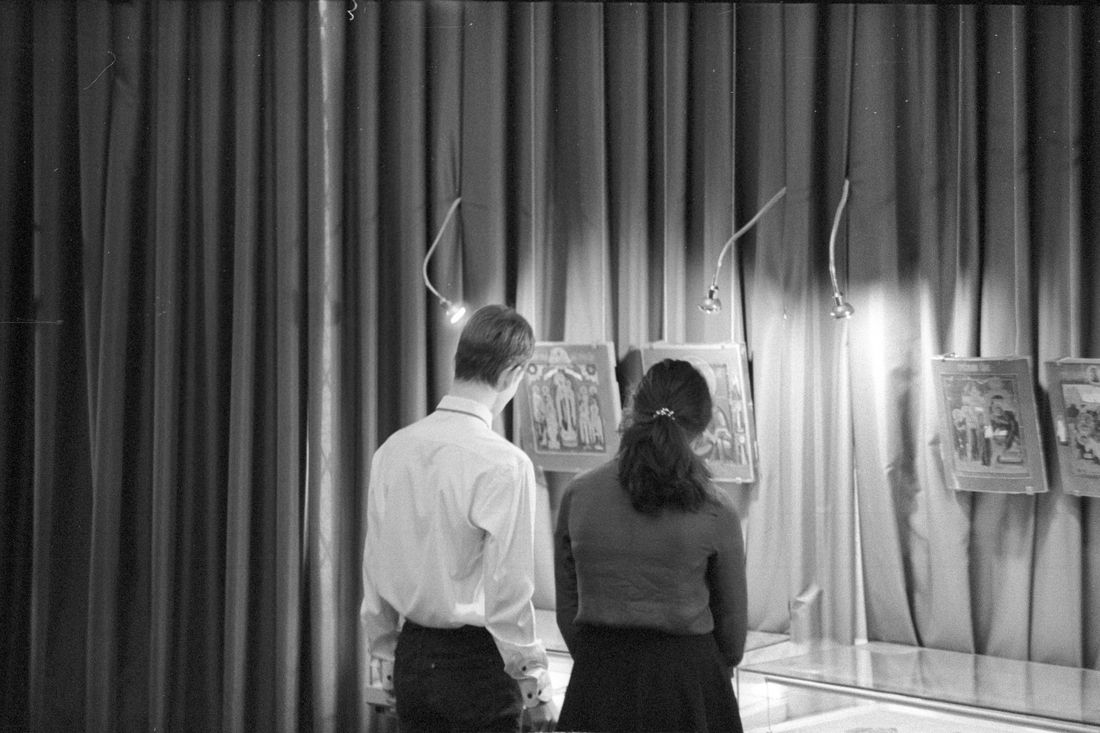
First-hour material tends to get used one image at a time, in follow-ups, portfolios, and direct outreach to specific people. Public-hours material tends to get used as a set, in recaps, social posts, and pitches meant to show that the fair itself was worth attending.
A collector who spent ten minutes at a booth during the preview is a natural audience for a single, well-chosen frame from that hour, sent afterward as a quiet, personal follow-up. That kind of use rewards a clean, specific image over a busy one, since the point is reminding one person of one moment, not demonstrating overall reach.
Public-hours material serves a broader audience with a different need. A short recap sequence, showing the booth full of visible interest, works well for an exhibitor's own channels or for a report back to whoever funded the booth. That use rewards volume and visible energy over any single perfect frame, since the point there is proving the day worked, not commemorating one specific exchange.
Knowing this in advance changes how the shoot gets planned, not just how the images get sorted afterward. A photographer briefed on both intended uses can prioritize a few clean, specific frames early and a wider, denser sequence later, rather than shooting the whole day exactly the same way throughout and hoping the split somehow sorts itself out later, in the edit.
What Should an Exhibitor Brief a Photographer Before One Fair Day?
An exhibitor should brief a photographer with the fair's actual preview and public hours, which of the two rooms matters more, and what the images need to do afterward. That short brief is usually enough to plan a realistic shot list against a single day's real constraints.
The fair's schedule is the starting point, since preview length varies a lot between fairs, from a genuinely quiet hour to a longer window that still gets fairly busy. Sharing the actual published schedule, rather than a general sense of when things happen, lets the photographer plan time around real transitions instead of guessing at them on the floor.
Priority is the second piece. If one half of the day clearly matters more, saying so plainly changes how a single photographer allocates a limited number of hours. A photographer told nothing beyond a general instruction to cover the fair will usually spread attention evenly across the day, which is rarely the most useful outcome when one half was always going to matter more to the exhibitor's actual goals.
The intended use is the third. A booth planning a personal follow-up email to specific collectors needs different material than a booth building a recap for next year's sponsor pitch. Naming that use upfront, even briefly, is what lets a single day of coverage serve its actual purpose instead of producing a generic set of booth photos that fit no specific plan particularly well.
What Happens When a Fair Has No Formal VIP Hour?
Not every fair runs a formal preview or VIP hour. When one is not scheduled, the same two-room logic still applies, measured against the day's actual quiet and busy stretches instead of a published preview window.
Most fair days still have a natural early lull, even without an official preview designation. Early arrivals, setup stragglers, and a floor that has not yet filled create a version of the same quiet window, just without the label. That stretch can be treated the same way a formal preview hour would be, as the moment to get the clean work shots and the unhurried conversation before the crowd builds.
The later, busier stretch of the day still functions the same way public hours would on a fair with a formal split, once the floor genuinely fills and stays full. That is still the window to capture scale and visible interest, even without an official public-hours label attached to it.
The practical move for a fair with no formal schedule is asking the exhibitor, or checking with fair organizers directly, when the floor is realistically expected to be quietest and busiest. That informal read is usually accurate enough to plan a day around, and it keeps the same two-shot-list thinking useful even outside fairs that formally separate access into tiers.
The exhibitor's own memory of previous years at the same fair is often the most reliable source here. If they can name roughly when the room felt calm last time and roughly when it filled in, that memory alone is usually enough to plan the split.
Frequently asked questions
How long is a typical VIP or preview hour at an art fair?
It varies by fair, sometimes closer to sixty minutes, sometimes closer to a few hours before the floor opens to the general public. Checking the specific fair's published schedule ahead of the shoot day is more reliable than assuming a standard length, since the difference changes how much time there actually is to get clean work shots and unhurried collector conversations before the crowd builds and the room stops feeling quiet.
Can one photographer cover both the first hour and public hours well?
Usually yes, as long as the split is planned in advance rather than decided on the fly. One photographer working from a clear priority list, built around what each half of the day needs to produce, can usually cover both windows within a single booking. Without that plan, coverage tends to drift toward whichever hour happens to be easiest in the moment, and the day's real priorities go unmet.
Which hour should get priority if the booking can only cover part of the day?
It depends on what the images need to do afterward. A booth focused on following up with collectors who attended the preview should prioritize the first hour. A booth that needs to prove turnout for a sponsor or a future application should prioritize public hours. Naming that use before the day, in plain terms, is the clearest way to decide instead of guessing on the floor.
Do public-hours photos need to hide how crowded the fair actually was?
No. A crowded room, framed so the booth is still visible inside it, is usually the point of shooting public hours at all. Hiding the crowd defeats the purpose of that half of the coverage, since visible turnout and genuine interest are exactly what public-hours material is meant to prove to someone who was not there and is deciding whether the fair was worth attending.
What if the fair has no official VIP or preview hour at all?
The same two-room thinking still applies, measured against the day's natural quiet and busy stretches instead of a published schedule. Most fair days still have an early lull before the floor fills, even without a labeled preview. Asking the exhibitor or fair organizers when the room is realistically expected to be quietest is usually enough to plan around, even without a formal preview designation on the schedule.
One night, two openings, no dropped coverage.
We plan clustered opening nights before they turn into a scramble, whether that means a split schedule, a second shooter, or an early enough booking that the calendar never becomes the problem.
Explore event coverage →