A reel that documents a class and a reel that sells the next one are cut from different footage, even when they come from the same room on the same afternoon. Documentation shows what happened. A seat-filling reel has to make someone who wasn't there want to be there next time, and that is a different editorial job with a different shot list behind it. Treating the two as one deliverable is the most common way a good workshop ends up with social content that nobody who wasn't already coming actually responds to.
A reel that fills seats is built from anticipation, arrival, and the specific unteachable moment inside a class, not from a wide record of the whole session. Documentation footage answers what happened. A seat-filling reel has to answer what it would feel like to be there, aimed at someone scrolling who has never set foot in the room. The two can come from one booking, but only if the shot list plans for both from the start.
What's the Difference Between a Reel That Documents a Workshop and One That Sells the Next Seat?
A documentation reel and a seat-filling reel are built from different footage, aimed at different viewers, even when they're cut from the same afternoon. Documentation is a record for people who already registered or already run the program. A seat-filling reel is written for someone who has never been in the room and needs a reason to imagine themselves there next time.
The record is inward-facing. It shows the instructor demonstrating a technique, the full arc of a demonstration, a wide shot of the table so a gallery or studio can prove the class ran and ran well. That footage is genuinely useful, for a recap email, a program archive, a grant report. It is just built to answer a different question than a scroll-stopping clip needs to answer.
A reel meant to sell the next seat is outward-facing. It has to work for someone with zero context, in the first two seconds, before they know what the workshop even teaches. That means leading with a feeling rather than an explanation: the specific texture of hands working, the sound of a room settling in, the moment right before something clicks. A viewer scrolling past does not stop for a wide shot of a table. They stop for a close, specific, human moment that makes the room look like somewhere they want to be.
Neither version is the better one. They answer different questions for different audiences, and a shoot plan that only accounts for one of them usually produces a reel that half-works for both jobs instead of fully working for either.
Why Does a Documentation Reel Fall Flat When It's Repurposed as an Ad for the Next Class?
A documentation reel repurposed as promotion usually falls flat because it opens with context instead of a hook, and a viewer scrolling with no context skips past context in under a second. The clip was built to confirm something for people already invested, not to earn attention from people who are not.
The tell is almost always the first three seconds. A documentation-first cut tends to open wide, an establishing shot of the room, a name card, an instructor introducing the topic, because that sequence makes sense to someone who already knows what they signed up for. A cold viewer has no such patience. They need the most specific, most human frame first, and everything explanatory pushed later or cut entirely.
The second tell is pacing. Documentation edits often let a full demonstration play out because the completeness is the point, proof that the technique was taught properly start to finish. A promotional cut has no use for completeness. It needs the single most visually alive four or five seconds of that same demonstration, repeated in rhythm with two or three other moments, so the whole clip reads as energy rather than instruction.
None of this means the documentation footage was shot wrong. It means it was shot for a different job, and asking it to do double duty after the fact usually produces a clip that neither audience finds compelling, informative enough for nobody and exciting enough for nobody.
What Footage Does a Seat-Filling Reel Actually Need That a Documentation Shoot Doesn't Capture?
A seat-filling reel needs anticipation, arrival, and one unteachable moment, three things a straightforward documentation shot list rarely prioritizes because they happen at the edges of the class rather than inside the lesson plan itself. These are the frames that make a stranger want to be in the room.
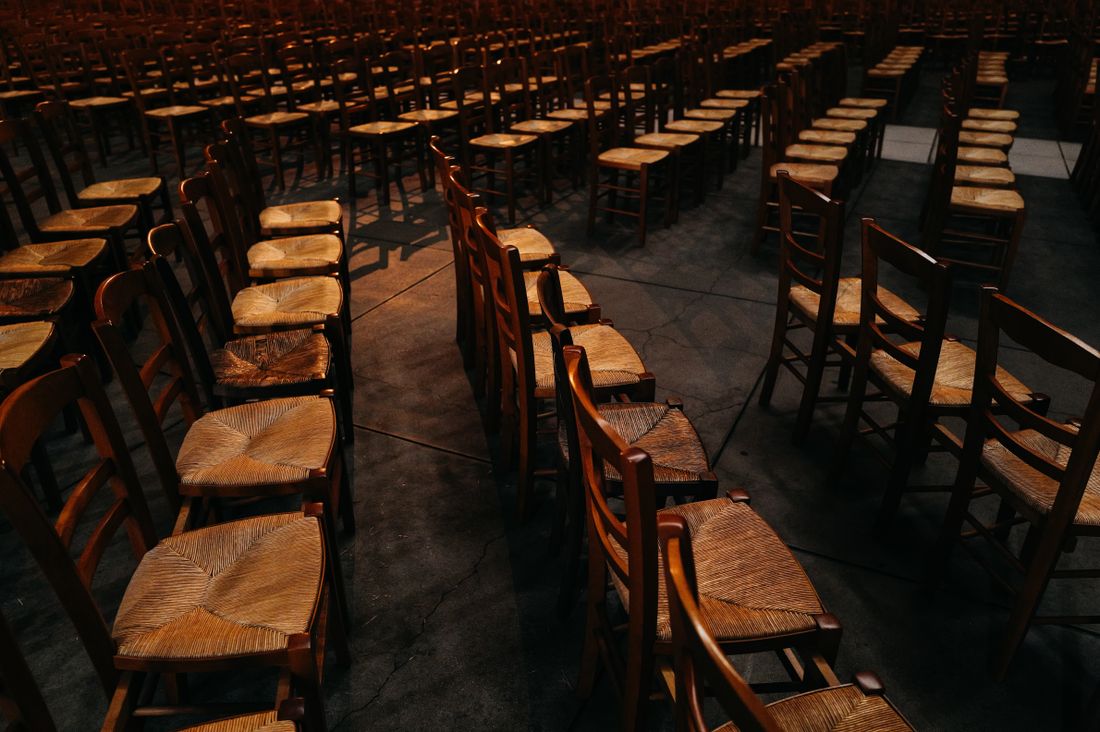
Anticipation is the setup before anyone sits down, materials being arranged, chairs filling in, the particular hush right before an instructor starts talking. It is quiet, and it is exactly what tells a viewer this is a real event with a real start time, not a stock photo of a craft. Arrival is the second piece, people walking in, greeting each other, finding a seat, because it signals belonging before a single word of instruction has been spoken.
The third piece is harder to plan for and matters the most: one specific, unteachable moment, a genuine laugh, a look of concentration, the instant something clicks for one particular person. That moment cannot be scripted or staged convincingly, which is exactly why it reads as real when it's caught. A documentation shot list, focused on proving the curriculum was delivered, tends to miss it entirely because it is busy covering the technique instead of watching the room.
None of this replaces the instructional footage. It sits alongside it, shot in the gaps a documentation-only plan usually skips past, which is why the difference has to be named before the booking rather than discovered while editing.
How Should a Promotional Reel Get Briefed Differently Than Event Documentation?
A promotional reel needs a brief built around feeling and pacing, while an event documentation brief is built around coverage and completeness, and naming which one governs the day changes what a shooter prioritizes in the room. Both can happen at the same booking, but only one can be the priority in any given minute, and a shooter who doesn't know which one that is will default to whichever instinct feels safer.
A documentation brief typically lists what must be covered: the instructor's demonstration from a usable angle, close-ups of finished or in-progress work, wide shots that establish the space, enough continuity that the class can be understood by someone who watches it later without having attended. It reads more like a checklist than a mood board, because completeness is the deliverable, not any single frame within it.
A promotional brief reads differently. It names a feeling first, warm, energetic, communal, focused, then names two or three moments worth chasing rather than covering: the room filling in, a specific interaction, a close reaction shot. It gives a shooter permission to miss coverage in favor of catching something alive, which is the opposite instinct a documentation brief asks for, and one that feels uncomfortable without explicit permission.
Naming which mode governs which stretch of the day, often the first fifteen minutes for arrival and anticipation, and short bursts throughout for reaction moments, keeps a single booking from asking one shooter to do two incompatible jobs at once with no guidance about which one wins when they conflict.
Which Moments Inside a Workshop or Ticketed Event Actually Make Someone Want to Book the Next One?
The moments that make a stranger want to book the next event tend to be small and specific: a genuine reaction, the room filling in before it starts, a close shot of hands doing something skilled. Big, wide, polished shots of a finished space rarely do the same work, because they read as advertising rather than as evidence of a real room.
Specificity is what separates a reel that converts from one that gets scrolled past. A wide, tidy shot of an empty, styled room looks like every other workshop ad. A close shot of one particular person's hands mid-technique, or the exact moment a group leans in together, looks like it could only have come from this one afternoon. That specificity is what tells a viewer the event is real and currently happening somewhere they could join.
Arrival footage does more work than most people expect from it. Watching other people choose to show up, park, walk in, find a seat, is a quiet but powerful social signal: other people already decided this was worth their evening. It answers the unspoken question a hesitant viewer is actually asking, which is not what will I learn but will this be worth leaving the house for.
None of this requires a large crew or an elaborate setup. It requires knowing, before the day starts, which handful of ordinary moments are the ones actually worth chasing, and giving a shooter the freedom to chase them instead of only covering the lesson plan.
How Many Reels Should Come Out of One Booking, and How Should They Be Paced?
One booking can usually support a small handful of distinct reels rather than a single highlight, because arrival, anticipation, and individual reaction moments are different enough from each other to stand alone. Cutting them separately, and releasing them across the weeks leading up to the next event, does more for enrollment than one longer combined reel released once.
A single combined reel tends to get watched once and then forgotten, because it front-loads everything into one moment instead of giving the algorithm, and the audience, repeated reasons to see the room again. A handful of shorter, distinct clips gives a program several separate chances to reach someone who missed the first one, each with its own specific hook rather than a shared, diluted one.
Pacing matters as much as the cut itself. A clip built around anticipation and arrival works well early, several weeks before the next date, when the goal is simply reminding people the program exists. A clip built around one vivid reaction moment works better closer to the date, when the goal shifts from awareness to urgency. Spacing them out, instead of posting a full set at once, keeps the program visible in a feed over time rather than in one short burst that fades by the following week.
None of this requires shooting more than what a single well-planned booking already covers. It only requires editing with release timing in mind from the start, instead of deciding how many reels to make after the footage is already in.
What Does a Shoot Day Look Like When It Needs to Cover Both Documentation and Promotion?
A shoot day that needs both documentation and promotional footage usually splits into a few short, clearly labeled windows rather than one continuous coverage plan, so a shooter always knows which mode they're in. Arrival and setup get a dedicated window for promotional moments, the core instruction gets a documentation window, and reaction moments get chased in short bursts throughout.
The arrival window, typically the first ten to fifteen minutes before a class or talk begins, is almost entirely promotional: people walking in, chairs filling, materials being arranged, the room's energy building. Very little instructional value happens here, which is exactly why it is safe to spend fully on mood and anticipation rather than splitting attention.
Once instruction starts, the priority flips toward documentation, clean coverage of the demonstration, usable continuity, the shots a program needs to prove the class delivered what it promised. This is not the moment to go chasing a reaction shot across the room and miss the technique being shown, because documentation has a real, practical use if the promotional reel never gets made at all.
Throughout the session, short, opportunistic bursts, thirty seconds here, a minute there, catch the specific reaction moments a promotional cut needs, without abandoning documentation coverage for long. Naming these windows before the day starts, rather than deciding in the moment, is what lets one booking serve two different final deliverables without either one falling short.
How Do You Know If a Seat-Filling Reel Actually Worked?
A seat-filling reel is working if it moves people toward the next registration, not simply if it gets watched, so the useful signal to track is whether views, saves, or shares around a reel's release window line up with an uptick in interest for the next date. Vanity numbers alone don't answer the question the reel was made to answer.
Views and completion rate are still worth watching, because a clip nobody finishes never gets the chance to convert anyone. But a reel with strong views and no connection to registrations is telling a program something useful too: the footage was engaging without being specific enough to move someone from curious to committed. That is usually a sign the clip leaned too far toward general mood and not far enough toward a concrete reason to book.
Comments and shares from people asking when the next date is, or tagging a friend, are a stronger signal than raw view count, because they show someone moved from watching to actively considering attending. A program that keeps a light, informal log of that kind of response over several reels starts to see which specific moments, a particular technique, a particular kind of reaction, tend to produce it.
None of this requires a dashboard or a formal reporting process. It mostly requires treating each reel as a small, specific test of what makes a stranger want to be in that room next time, and letting the pattern across a few reels guide what gets shot and cut next.
Frequently asked questions
Can one booking really produce both a documentation reel and a reel that sells the next event?
Yes, but only if the shoot day is planned for both from the start rather than left to whichever instinct a shooter defaults to in the moment. Arrival and anticipation moments get their own short window, core instruction gets a documentation-focused window, and reaction moments get chased in brief bursts throughout. Trying to cover both without naming which mode governs which stretch of the day usually produces footage that serves neither job especially well.
Why does footage from a workshop recap video not work when it's cut into a promotional reel later?
Recap footage is built to confirm what happened for people already invested in the program, so it tends to open with context and let demonstrations play out in full rather than opening on a hook. A cold viewer scrolling past has no patience for either choice. A promotional cut needs the most specific, most human frame first and a much faster pace, which recap footage usually was not shot with in mind.
What's the most important moment to capture for a reel meant to fill seats at the next event?
One genuine, unteachable reaction moment, a real laugh, a look of concentration, the instant something clicks for one specific person, tends to matter more than any wide, polished shot of the room. That specificity is what signals to a stranger scrolling past that the event is real and currently happening, rather than a staged advertisement for a program that could have been filmed anywhere, at any time, with anyone in the room.
Should a program release one long highlight reel or several shorter clips from the same event?
Several shorter, distinct clips paced across the weeks before the next date usually do more for enrollment than one combined reel released once. A single long reel gets watched once and forgotten, while separate clips give a program repeated chances to reach someone who missed the first one, each built around its own specific hook rather than one shared, diluted one spread across too many moments at once.
How can a program tell whether a seat-filling reel is actually working?
The clearest signal is whether interest in the next registration ticks up around a reel's release window, not raw view count alone. Comments or shares asking when the next date is, or tagging a friend, show someone moving from watching to considering attending, which is a stronger indicator than views on their own of whether the reel is doing the job it was cut to do.
Want reels without stopping to stage a single shot?
We shoot around your real working day and pull the moments that are already interesting, then edit them into reels that stand on their own.
Explore social reels →