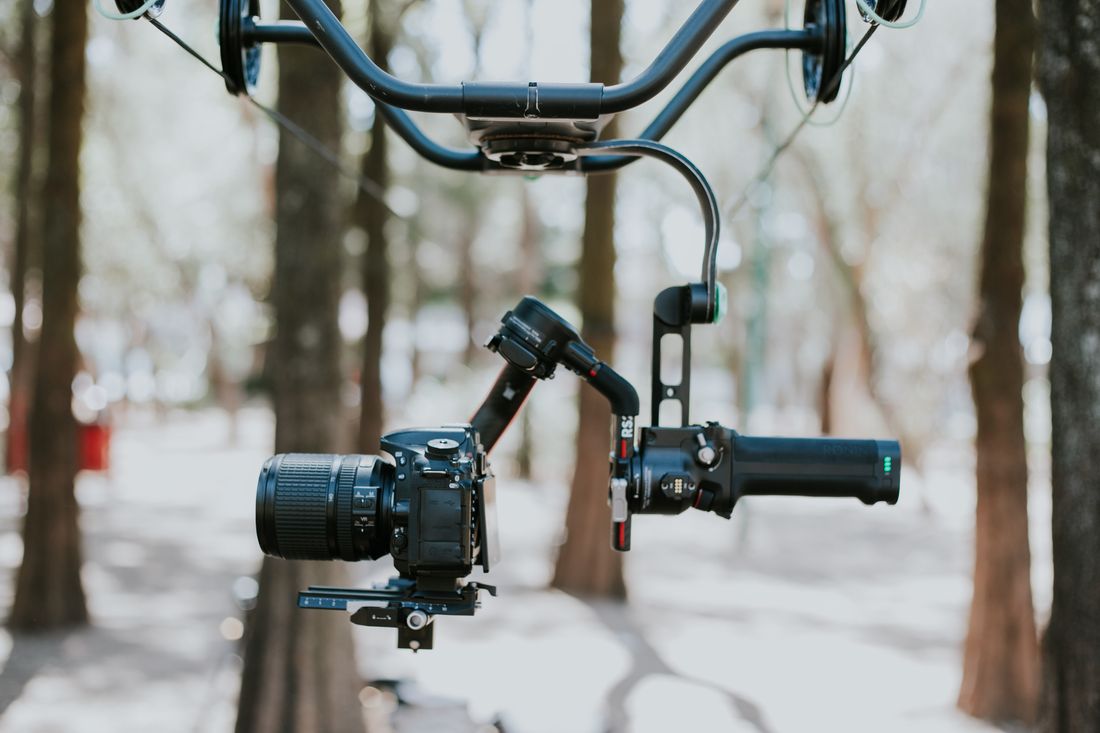
Booking a single reel without a monthly plan sounds like it should be complicated, since most of what gets written about reels assumes an ongoing content rhythm. It isn't. A one-off reel shoot is a smaller, simpler booking than people expect: fewer decisions, one location, one date, and one deliverable. What it needs from you is short and specific, what the shoot day actually covers is narrower than a batch day, and the whole arc from inquiry to delivered file usually wraps in a couple of weeks.
A one-off reel shoot needs one confirmed location, a clear sense of what the reel is for, one point of contact who can approve wardrobe, and a single date. The shoot itself usually runs 45 minutes to two hours, and the whole booking, from inquiry to delivered file, wraps in one to three weeks with no ongoing commitment.
What Does a One-Off Reel Shoot Actually Require From You?
A one-off reel needs four things before we book it: one confirmed location, a clear sense of what the reel is for, one point of contact who can approve wardrobe and timing, and a single date on the calendar. Nothing else. No monthly commitment, no content calendar, no retainer paperwork.
Compare that to what a lot of people assume walking in. Some think a single reel needs a full creative brief, a shot list reviewed by three people, or a signed content strategy before anyone shows up with a camera. It doesn't. A one-off booking is a single transaction: we talk through the idea, agree on a date and a location, and show up. The planning stays proportional to the deliverable. One reel gets one conversation, not a project plan.
What we actually ask for ahead of time is simple. We want to know where we're shooting (your space, a rented spot, or outdoors), what the reel needs to communicate in roughly 15 to 60 seconds, and who on your end makes the call on wardrobe, props, or last-minute changes. That last part matters more than people expect. A one-off shoot with two decision-makers giving different notes on set burns time we don't have on a single, contained day.
Everything else (captions, posting schedule, whether this becomes a series) is a conversation for after the reel exists, not before we book the shoot.
What Does a Single, Standalone Reel Shoot Day Actually Cover?
A single reel shoot day covers one deliverable: one reel, one primary location, and typically one to three setups within that location to give the edit options. It does not cover a batch of reels, a full library of content, or multiple locations across the city. That's a different, bigger booking.
In practice, a one-off shoot day is short. Most single-reel sessions run somewhere between 45 minutes and two hours on set, depending on how many angles the concept needs and how much wardrobe or setup changes it requires. We're not filling a full production day with call sheets and craft services. We're capturing enough footage for one strong, finished piece, then wrapping without stretching into a second call time.
That contained scope is the point. A one-off client isn't paying for a full day of coverage or a stockpile of extra footage "just in case." The shoot is built around the single concept discussed ahead of time, so everything on set (location, wardrobe, light, timing) gets planned around that one outcome instead of stretched thin trying to cover several ideas at once.
If the goal shifts mid-shoot to "let's also grab something else while we're here," that's a fair ask, but it changes the booking. A contained one-off day has a contained scope, and that's what keeps it affordable and fast to schedule in the first place.
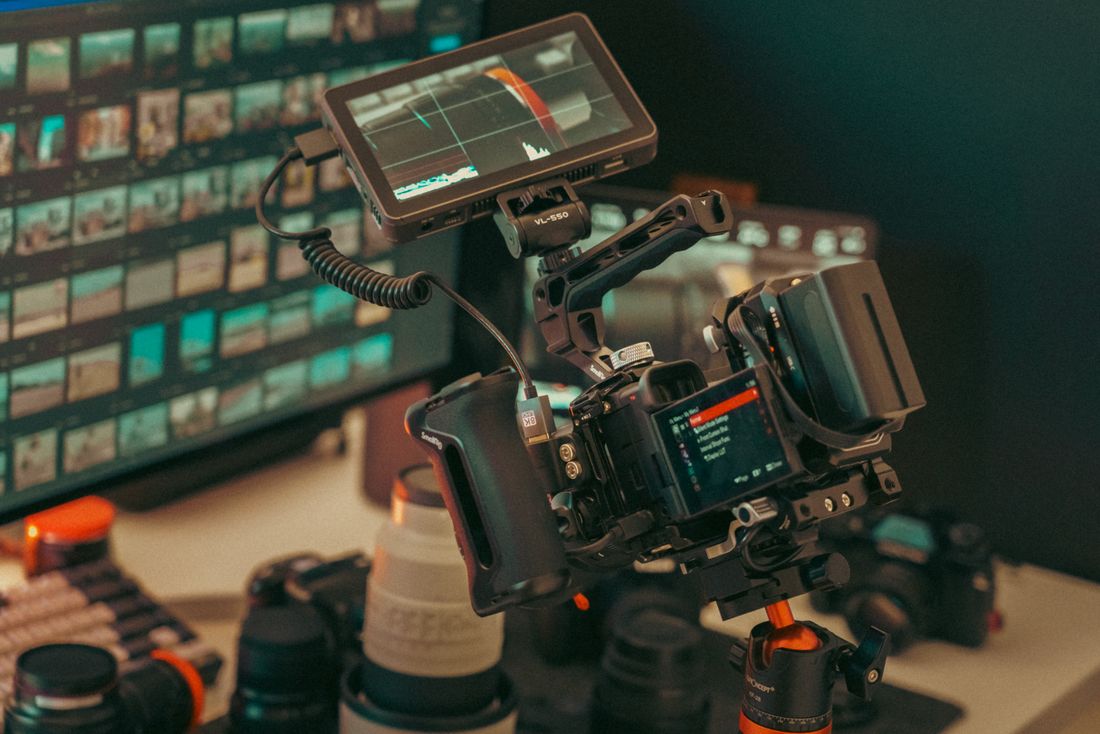
What Does The Shoot-Day Timeline Actually Look Like?
A one-off reel shoot day runs in four blocks: a short arrival and setup window, a wardrobe or scene check, the actual filming (usually the shortest part), and a quick wrap where we confirm we have what we need before packing out. Most single-reel days move from arrival to wrap in under two hours.
Arrival and setup usually takes 15 to 20 minutes (checking the light in the space, picking the exact spot within the location, and getting gear positioned). If wardrobe or props are involved, we walk through those next before rolling anything real. This is also when we confirm the concept out loud one more time, so nobody's guessing what we're filming once the camera starts.
The actual filming block is short by design. A 15-to-60-second reel doesn't need hours of footage. It needs a handful of clean, intentional takes shot with the edit already in mind. We'll usually run each planned shot two or three times to give the edit room to choose the best take, then move to the next setup.
Wrap is quick: a fast review of what we captured, a check that nothing critical was missed, and gear packed out. There's no lingering half-day of "just in case" coverage after the plan is done. Once we have the shots the concept called for, the day is over, not stretched into chasing one more idea that comes up on set.
What's Structurally Different About Booking One Reel vs a Monthly Retainer Spot?
A one-off booking is a single transaction: one quote, one date, one invoice, no ongoing calendar hold. A retainer spot is a recurring slot on our schedule with a standing monthly rhythm attached to it. The difference isn't about value. It's about how much administrative structure sits underneath the booking.
Booking a one-off is fast on both ends. We send a quote for the single shoot, you approve it, we pick a date, and that's the whole commitment. There's no ongoing conversation about next month's content, no recurring invoice, and nothing to cancel or pause later. The relationship is scoped to that one reel and closes out when we deliver it.
A retainer spot works differently because it's not one booking, it's a standing arrangement: a set date (or rotating dates) held on our calendar every month, a recurring invoice, and an ongoing planning conversation about what gets made across the whole month, not just one shoot. That structure is genuinely useful for an ongoing content rhythm, but it's a different kind of commitment than approving one shoot.
Neither format is the "correct" one, they're built for different situations. A one-off simply carries none of the recurring scaffolding, which is exactly why it's the easier, faster path to book when all you need is a single reel for now, booked once and closed out cleanly on delivery.
What Do You Need Ready On Location For The Shoot To Run Smoothly?
On the day, we need a confirmed space with usable light, enough room to move around the subject, any wardrobe or props already chosen (not decided on set), and a quiet enough environment to capture clean audio if the reel uses it. Everything else (colors, exact framing) is ours to handle.
Light is the one variable that changes the most between locations. A bright window, an open storefront, or a room with even overhead light all work. What doesn't work is deciding on the spot that the space is too dark and needs to be swapped. If there's any doubt about a location, it's worth mentioning before the shoot date, not discovering it once we've arrived and set up.
Wardrobe and props are the second most common thing that eats into shoot time. One outfit, chosen ahead of time, keeps a one-off shoot moving. Multiple options laid out for an on-the-spot decision are fine too, but that decision should happen in the first few minutes, not partway through filming once we've already started building the shot around a look.
Noise is the one people forget. A reel with talking or voiceover needs a space where HVAC, street noise, or a nearby conversation won't bleed into the audio. If the location has a naturally loud moment (deliveries, a shift change, a loud espresso machine), flagging it ahead of time lets us plan the shoot around it instead of discovering it mid-take.
What Does Turnaround Look Like For A One-Off Reel?
Turnaround on a one-off reel typically runs one to two weeks from shoot day to final delivery, covering a first cut, one round of revisions, and delivery in the vertical, platform-ready format you need. There's no monthly editing queue to wait behind. A one-off gets its own dedicated slot in the edit schedule.
The first cut usually comes back within the first week. That draft reflects the concept discussed before the shoot, cut to length, with music or captions if that was part of the plan. From there, one round of notes is standard, trim a section, swap a clip, adjust pacing, before we lock the final version. That single revision round is usually enough for something this size. A 30-second reel doesn't need three rounds of notes to get right.
Delivery is a straightforward file drop: the finished reel exported vertical, sized for whichever platform it's headed to, plus the raw footage if you want it archived. There's no ongoing content calendar attached, no scheduled posting on our end, and no recurring check-in. The file is yours the moment it's delivered.
Rush turnaround is possible when the date is tight, but it's worth flagging early. A one-off reel booked with normal lead time moves through editing calmly; one booked the week before a launch usually still gets there, just with less room for a second round of notes. Delivery formats are set ahead of time too. Vertical as the standard, with a square or horizontal crop available on request.
What Doesn't Fit Inside A Single Reel Shoot Day?
A single reel day doesn't fit multiple unrelated concepts, several full wardrobe changes across different locations, or chasing natural light across a whole afternoon for different scenes. Those all belong to a bigger booking (most often a batch day built to produce several reels at once, which runs on different math entirely).
The limiting factor isn't effort, it's logistics. Each additional location adds travel time and a new lighting setup. Each additional concept adds its own wardrobe, blocking, and shot list. A one-off booking is priced and scheduled around a single, focused deliverable, so stacking three or four separate ideas into that same window either runs long, rushes the footage, or both.
This is also where a one-off and a batch day genuinely diverge as bookings, not just in scale. A batch day is planned from the start as a longer session built to produce a stack of reels efficiently in one sitting (different call time, different prep, different price). A one-off is scoped tighter on purpose, which keeps it simple, but that simplicity is also its boundary.
If more than one reel is on the table, it's worth saying so before the date is booked. Reworking a one-off into a longer day mid-shoot is possible but rarely clean. Better to plan for the scope you actually need from the start, before crew and timing are locked to a shorter call.
How Do You Actually Book A One-Off Reel Shoot, Start To Finish?
Booking a one-off reel is a five-step sequence: a short inquiry describing the idea, a quote and date confirmation, a quick pre-shoot check-in on location and wardrobe, the shoot itself, and delivery after one edit round. Most of that happens over email or a short call. No meetings required.
It starts with a plain description of what you need: what the reel is for, roughly how long it should run, and where it might be shot. We turn that into a fixed quote and a proposed date. Once that's approved, the date is locked and the planning conversation moves to specifics (location, wardrobe, and the concrete shots we're aiming for). There's no lengthy proposal deck involved. Just a clear scope and a number attached to it.
A short check-in before the shoot date confirms the details are still accurate: the location hasn't changed, wardrobe is sorted, and anyone who needs to approve the concept has seen it. This step is brief on purpose. It exists to catch last-minute surprises, not to reopen the whole plan.
After the shoot, editing runs on the timeline described earlier, and delivery closes the booking out. There's no ongoing paperwork, no auto-renewing invoice, and nothing that continues past the delivered file unless you choose to book something else later. The whole arc, inquiry to delivery, usually wraps inside two to three weeks. That short arc is one of the clearest advantages of a one-off over a longer engagement. Fewer steps means fewer places for the process to stall.
Frequently asked questions
Do we need a full day booked for one reel?
No. Most single-reel shoots run between 45 minutes and two hours on location, covering arrival, a quick wardrobe or scene check, filming, and wrap. A full day is really only needed when several reels or a longer piece are being shot together. For one contained deliverable, the shoot itself is short. The planning conversation beforehand is what makes that short window work smoothly, without wasted time figuring things out once the crew has already arrived.
Can a one-off reel be combined with another shoot type, like headshots, on the same day?
Sometimes, yes, if both are discussed and quoted together ahead of time. Combining a reel with headshots or product photos in the same session can work well since the crew and location are already set up. The key is naming both deliverables during booking, not adding a second one mid-shoot. Once the day is planned around one deliverable, adding another on the spot usually means rushing one of them.
What if we don't have a script or concept yet when we reach out?
That's normal. Most one-off bookings start with a rough idea, not a finished script. A short conversation about what the reel needs to communicate and who's watching it is usually enough to shape a workable concept before the shoot date. We don't need a shot-by-shot script in hand, just clarity on the goal. The concept gets sharpened together before filming, not delivered as homework upfront.
Do we need a special location, or can we shoot at our own space?
Your own space works in most cases. A one-off reel is usually built around whatever location is actually available, not a rented studio. What matters more than the location itself is usable light and enough room to move the camera and subject around. If your space is genuinely tight or dark, we'll flag that during the initial conversation, but most homes, offices, and storefronts are workable as-is.
What happens if we want more reels after booking a one-off?
Booking a one-off doesn't lock you into anything. If more reels come up later, you can book another one-off the same way, or move to a monthly arrangement if a recurring rhythm makes more sense for what you're planning. Neither path requires unwinding the first booking. It's already closed out on delivery. The decision about what comes next is entirely separate from the one-off itself.
A normal studio day has more footage in it than you'd think.
We spend the day finding what's actually worth filming and cut it into reels that hold up without needing a caption to explain them.
Explore social reels →