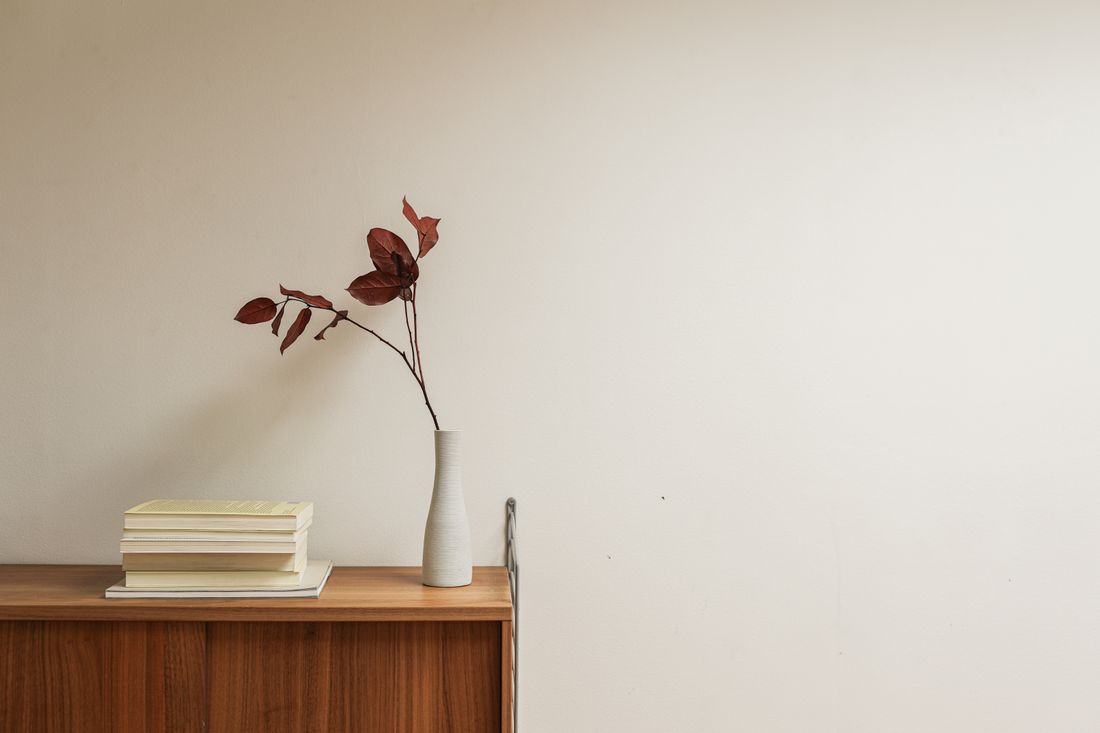
Wardrobe styling and prop and set styling both get filed under the same word, "styling," and that shared label is doing more work than it should. Wardrobe styling works on the person in the frame. Prop and set styling works on everything around them: the surfaces, the objects, the table a shot is arranged on, and what gets cleared out of a shelf before the camera rolls. Most shoots need one of these roles clearly, sometimes both, and almost never neither. The confusion isn't about which job matters more. It's about which one a client actually booked, and whether anyone was ever assigned to own the half of the frame that isn't wardrobe at all.
Wardrobe styling works on the person: fit, color, texture, and continuity across looks. Prop and set styling works on everything else in frame: surfaces, objects, furniture, and what gets removed from a space. Confusing the two, or leaving one unassigned, is why quotes miss scope and backgrounds end up unstyled by default.
What's the real difference between wardrobe styling and prop and set styling?
Wardrobe styling works on the person in frame: fit, color against the background, texture, and continuity of what someone wears from one look to the next. Prop and set styling works on everything else the camera sees: surfaces, objects, furniture, what a table or shelf holds, and what gets removed from a space before the shutter clicks. Both get called "styling," and that shared name is most of the confusion.
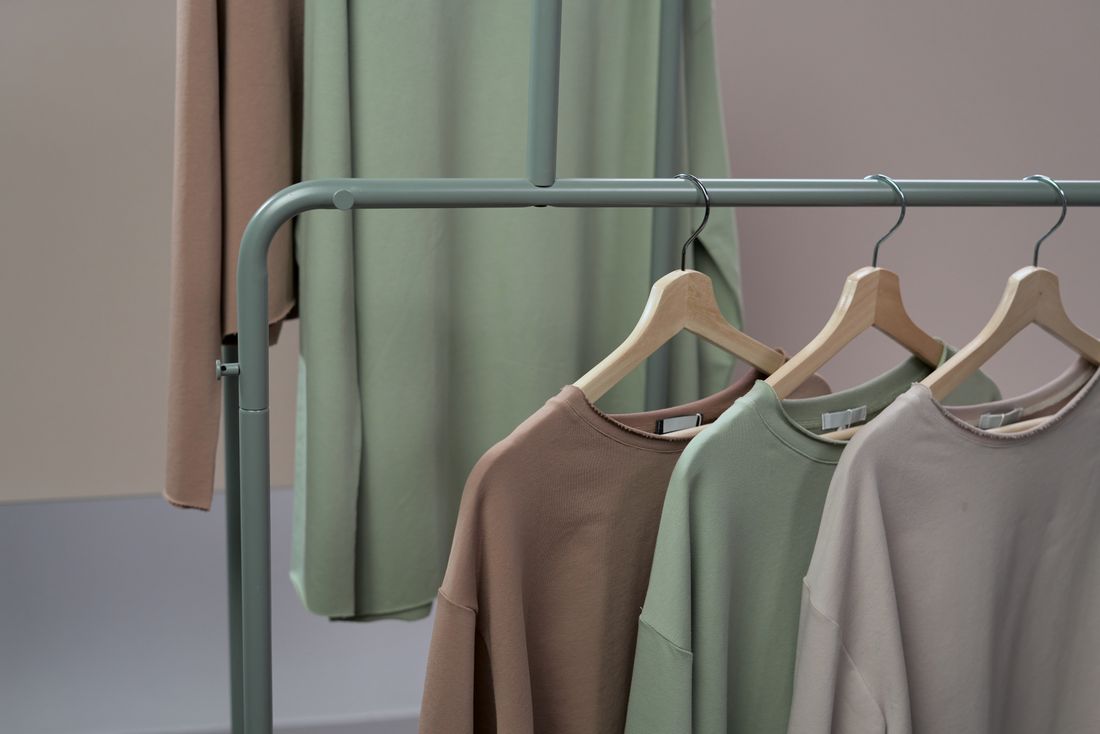
The two jobs draw on different skills and different sourcing networks. A wardrobe stylist thinks in terms of a body: measurements, silhouette, how a garment moves, how a color reads next to skin tone. A prop and set stylist thinks in terms of a space: scale, negative space, how an object sits relative to the light, whether a surface needs texture or needs to disappear entirely. One is dressing a person. The other is dressing a room.
On a small shoot, one person sometimes covers both roles, sourcing an outfit in the morning and arranging a coffee table in the afternoon. That's a scheduling choice, not proof the two jobs are secretly one job. Naming the split matters even on a one-person shoot, because it's the only reliable way to check that both jobs actually got done, instead of one quietly absorbing the other.
Wardrobe styling vs. prop and set styling, side by side
The fastest way to see the split is to put the two roles next to each other. Neither one is more important than the other. They answer different questions, draw on different sourcing networks, and go wrong in different ways when nobody is assigned to own them.
| Wardrobe styling | Prop and set styling | |
|---|---|---|
| Works on | The person in frame: fit, color, texture, continuity across looks | Everything else in frame: surfaces, objects, furniture, what gets removed |
| Sources from | Showrooms, rental houses, sample sales, a subject's own closet | Prop houses, vintage and antique shops, hardware stores, a client's own collection |
| Main constraint | Size and fit to one body | Scale, weight, fragility, transport and insurance |
| Needed alone when | Background is plain and controlled, like a bare studio wall | No person is in frame, like a still life or a flat lay |
| Can one person cover both | Yes on a small shoot. Splitting the roles as scope grows protects both jobs from getting the rushed, secondary treatment neither one deserves. | |
A shoot with a plain background usually only needs the left column. A still life or flat lay only needs the right one. Anything where a person and a considered environment share the frame needs both, named separately in the quote so neither one gets assumed by default.
What does prop and set styling actually cover in the frame?
Prop and set styling covers every object and surface in frame that nobody is wearing: furniture placement, tabletop objects, wall treatments, floor surfaces, and background elements. It also covers subtraction, pulling out anything that doesn't belong, from stray cables to a mismatched chair, so the space reads as intentional instead of incidental.
On a built set, this work often starts from close to nothing: raw studio floor, backdrop paper, an empty table. The prop and set stylist chooses every object that fills that space on purpose. A ceramic bowl instead of a plastic one. A stack of books with spines that don't fight the palette. A rug that anchors the frame instead of competing with it. Nothing arrives by accident.
On a real location, the job usually runs the other direction. A working room already has furniture, art, cords, and a dozen small objects nobody chose for the camera. The prop and set stylist edits that existing room down, removing what pulls the eye and adding only what the space is genuinely missing. Fabric that reads neutral in the room can pick up glare under studio light, and a surface with visible texture can go flat once it's photographed. Reading a room for the camera, not just for how it feels standing in it, is the core of the job.
Where does the confusion between the two roles show up in quotes and briefs?
The confusion shows up as a single line item on a quote, "styling," that quietly assumes only one of the two jobs. A client asks for "a stylist" without specifying which kind, a brief describes a "look and feel" without naming who sources the objects in the background, and everyone discovers the gap on set, when it's too late to fix cheaply.
Most of the time this isn't anyone being careless. "Styling" is genuinely one word covering two different disciplines, so a client who has only ever booked a wardrobe stylist assumes that's what the word means everywhere. A photographer's quote might list "styling" as a single fee without breaking out whether it covers the person, the space, or both. Nobody lied. The word just did more work than it should have.
The fix is naming both roles by name in the quote and the brief, even when the answer is that one of them isn't needed this time. "Wardrobe styling: yes. Set styling: not required, location is clean" closes the gap before it becomes an on-set scramble, before someone has to solve an unstyled table in the ten minutes before the first frame.
When does a shoot need wardrobe styling, set styling, or both?
A shoot needs wardrobe styling alone when the background is simple and controlled, like a portrait against a plain wall or backdrop paper. It needs set styling alone when there's no person in frame, like a still life or a flat lay. It needs both when a person and an environment share the frame and each one has to read as deliberate.
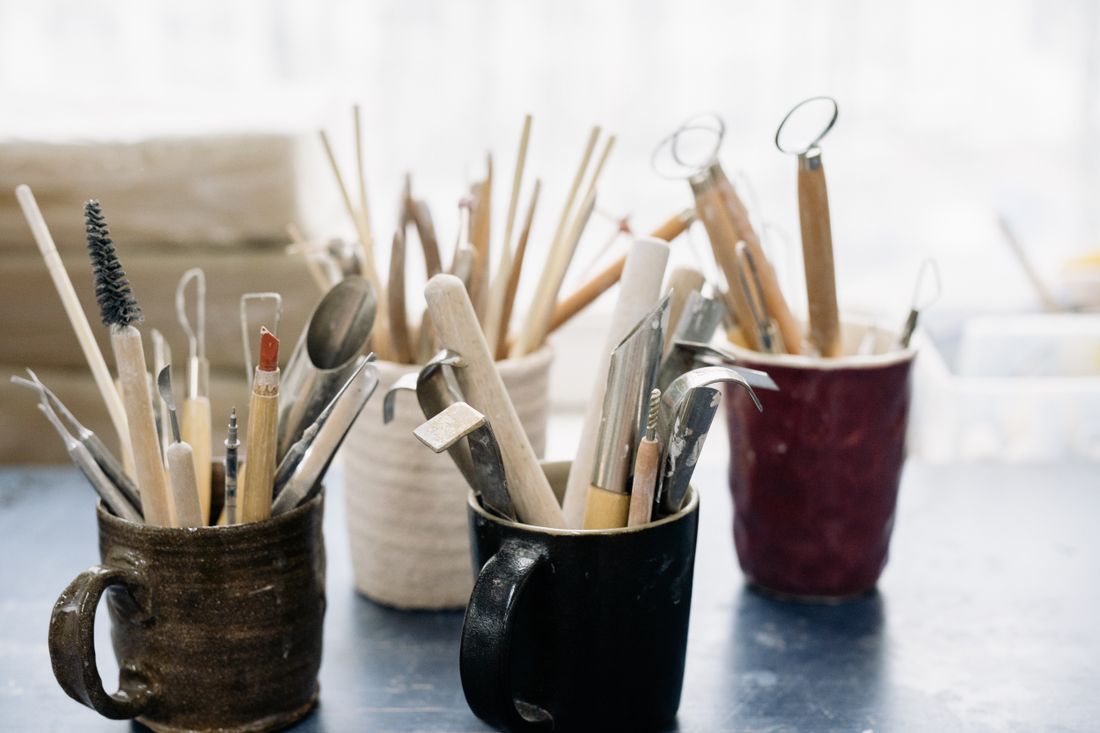
An artist portrait shot against a bare studio wall is usually a wardrobe-only job, since the background isn't doing narrative work and the person's fit, color, and texture carry the frame on their own. Flip that same shoot into an artist's studio, surrounded by tools and works in progress, and set styling becomes necessary even if nobody planned for it, because now the environment is telling half the story.
Product photography and flat lays sit at the other end: no person, no wardrobe stylist needed, but every object in frame was chosen and placed by someone. The shoots that need both are usually the ones combining a subject with a considered environment: an editorial spread, a lifestyle campaign, a studio-visit story. The honest question to ask before booking is simple: is the background doing enough work in this frame that it needs its own decision-maker, separate from whoever is dressing the person?
How does sourcing a prop differ from sourcing a garment?
Sourcing a garment starts with a body: size, proportion, how the fabric moves, and whether it needs alterations before call time. Sourcing a prop starts with a space: scale relative to the frame, how it survives transport, and whether it needs insurance or special handling. The two searches use different networks and different logistics almost entirely.
A wardrobe stylist typically pulls from designer showrooms, sample sales, rental houses, or a subject's own closet, and every option has to fit a specific person by a specific date, with a return window and a condition report attached. Size is the constraint that shapes the whole search: a beautiful piece that doesn't fit the subject is simply off the table.
A prop and set stylist pulls from prop houses, vintage and antique shops, hardware stores, flea markets, and sometimes a client's own collection, and size matters less than scale, weight, and fragility. A ceramic vase or a piece of furniture doesn't need to fit anyone, but it does need to survive being carried up a flight of stairs, and a genuinely valuable or fragile object raises real questions about insurance and handling that a rented dress usually doesn't. Conflating the two sourcing networks is one of the fastest ways to book the wrong specialist for the job in front of them.
How do you write a brief that books the right stylist?
A brief that books the right person names both roles explicitly, even when one of them isn't needed. It states what's already in the space versus what needs sourcing, who can move or remove existing objects, and whether wardrobe is coming from the subject's own closet or needs to be pulled and fitted in advance.
The simplest fix is a short line for each role instead of one word covering both: "Wardrobe styling: yes, sourced looks for two people." "Set styling: not required, the location is a clean studio wall." That single sentence eliminates the most common failure mode, where "styling" gets quoted once and everyone assumes it means the same thing.
Beyond naming the roles, a useful brief answers a few concrete questions before anyone shows up: what's already in the room, who owns the decision to move or remove it, and whether any objects need sourcing in advance. None of this requires a formal document. A few honest sentences in an email, written before the day gets booked, usually does the job. What it prevents is the quieter failure: a wardrobe stylist arriving prepared for a person and finding an unstyled room waiting behind them, with nobody assigned to fix it.
Frequently asked questions
Can one stylist handle both wardrobe and prop and set styling on the same shoot?
On a small shoot, yes, and it's common. The tradeoff is time and attention, not skill: one person sourcing an outfit and dressing a table is doing two different jobs in sequence, not one combined job. On a larger or more complex shoot, splitting the roles usually protects both the wardrobe and the space from getting the rushed, secondary treatment neither one deserves once a single person is stretched across both.
Does prop and set styling usually cost more than wardrobe styling?
It depends entirely on the scope, not the category. A shoot needing one or two curated objects on a clean table costs far less than one requiring a fully built set with rented furniture and multiple sourced props. Wardrobe follows the same logic: one outfit pulled from a closet costs little, while several sourced, fitted looks for multiple people add up quickly. Compare the actual scope, not the labels attached to it.
How far in advance should set styling get planned?
Earlier than most people expect, especially for a fully built set or a location with real logistics involved. Sourcing specific props, arranging rentals, and scheduling a location walkthrough all take lead time, similar to pulling and fitting wardrobe for a shoot. For a simple, mostly-existing space that only needs light editing and a bit of subtraction, a same-week planning conversation is usually enough to cover it.
Wardrobe should point back to the work, not away from it.
We plan styling for artist portraits the same way we plan the rest of the shoot, around who you are and what you make, not around looking photographed.
Explore styling services →