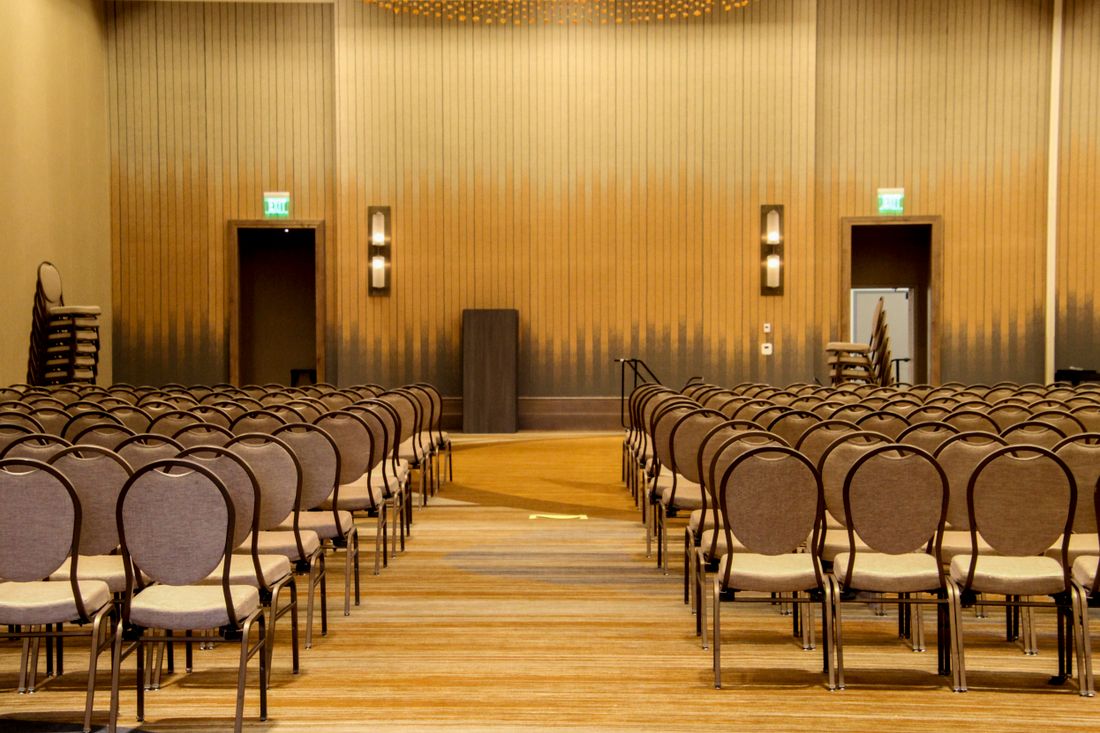
Five days into a fair, every gallery's feed starts to look like the same aisle photographed on a loop: white walls, even lighting, a crowd walking past in roughly the same light at roughly the same hour. That sameness is not a sign anyone is posting badly. It is what a designed, repeated environment produces when hundreds of exhibitors document it at once. What actually separates one gallery's week from another has almost nothing to do with the booth photo itself, and almost everything to do with the rhythm around it: what gets posted on which day, what stays on Stories instead of the feed, and what the caption says that the identical-looking photo next door cannot say on its own.
A posting rhythm during fair week means deciding, before the fair opens, what each day's post is for, splitting quick in-the-moment content onto Stories and considered posts onto the feed, and rotating a small set of specific subjects instead of reposting the same wide booth shot daily, so a gallery's account still reads as intentional on day five, when the floor itself has made every booth look nearly the same.
Why Every Gallery's Fair Week Feed Starts to Look the Same
Fair week feeds converge because every exhibitor is photographing the same booth walls, the same aisle carpet, and the same collector-preview crowd, at roughly the same hour, from roughly the same angle. Scroll through five galleries' accounts on the same fair afternoon and the images blur into one continuous convention hall.
None of this is a failure of taste on any single gallery's part. A fair floor is a designed, repeated environment on purpose, built so every booth reads clean and consistent to a walking collector. That consistency is exactly what makes the photography hard to differentiate: white walls, even lighting, a grid of aisles, and hundreds of people making nearly the same documentary choice at nearly the same moment. The sameness is structural, not a sign that a gallery is posting lazily, and fighting it head-on by trying to make the booth look different from every other booth usually reads as forced rather than distinctive.
What actually separates one feed from another during fair week is rarely the booth photo itself. It is everything wrapped around it: which moment got chosen, what the caption says about it, and whether the sequence across the week tells a story a follower can follow, rather than five unconnected snapshots of the same aisle. A gallery that accepts the visual sameness as the starting condition, instead of fighting it, spends its energy on the parts that actually move the needle: selection, sequencing, and words.
What a Posting Rhythm Actually Means During Fair Week
A posting rhythm is a planned sequence of what gets posted on which day of the fair, rather than whatever photo comes off the camera first. It treats the week as one continuous story with a beginning, a middle, and a close, instead of five separate days each competing to summarize the whole fair on its own.
Without a rhythm, most galleries default to the same pattern by accident: a strong opening-night post, then a gap, then a scramble on the last day to post something before the fair closes. The middle days, which are often when the calmer, more interesting work actually happens, go undocumented because nobody planned for them specifically. A rhythm fixes that by assigning each day a job in advance: arrival and setup, opening night energy, a quieter midweek moment, a specific work or conversation, and a close that looks back on the week.
Building the rhythm does not require more shooting. It usually requires less, aimed more precisely. Deciding ahead of time that Wednesday's post is about one piece in detail, not a wide booth shot, keeps the day's photography focused instead of reactive, rather than leaving the choice to whoever happens to be standing near the booth with a phone out. By the time the fair closes, the feed reads as a week someone paid attention to, not five days of the same wide shot in a slightly different light, and that difference is visible to a follower even if they could never quite explain why.
Why One Considered Post a Day Beats Several Rushed Ones
One well-chosen post a day, picked deliberately from the day's images, tends to hold a follower's attention longer than several rushed posts of the same booth from slightly different angles. Volume does not compensate for repetition. A feed that posts less often but chooses more carefully reads as intentional instead of anxious.
Fair week creates real pressure to post constantly, because everyone else on the floor is doing it and the instinct is to keep pace. That pressure produces a familiar pattern: a photo goes up mid-afternoon because something needs to go up, not because that particular frame said anything the previous post hadn't already said. A follower scrolling past three near-identical booth shots in one day is more likely to scroll faster past the fourth, whether or not the fourth is technically the better photo.
The alternative is choosing one image or one short clip per day that earns its place, and letting the rest of the day's coverage sit in reserve for later use, such as a wrap-up carousel or a follow-up post once the fair has closed. That reserve is not wasted; it becomes the material for the close-out posts and, in many cases, for the gallery's own archive of the season. A slower, more selective rhythm during the week protects both the feed's quality and the material left over for after, and it costs less effort on the floor than shooting and posting reactively all day does.
What Belongs on Stories vs. the Main Feed During Fair Week
Stories and the main feed serve different jobs during fair week: stories can absorb the volume and repetition that a feed cannot, carrying the quick, disposable, in-the-moment content, while the feed holds the smaller number of posts meant to represent the week after it is over.
Treating both channels the same is one of the more common reasons a fair-week feed starts to feel repetitive. Five near-identical booth shots posted to Stories throughout a single day cost almost nothing, since Stories disappear and are expected to be casual and frequent. The same five shots posted to the main feed stack up permanently on the grid, where they read as repetition rather than presence. Splitting the two by purpose, not by convenience, keeps the feed itself from absorbing the fair's natural volume.
In practice, that split can be simple: anything captured to show "we're here, this is happening right now" goes to Stories, and anything meant to represent the week later, in a recap, in a portfolio update, or in a future post referencing the fair, goes to the feed only after it has been chosen deliberately. A gallery that keeps that distinction clear through the week ends up with a feed that still looks considered on day five, even though the volume of raw material behind it was just as high as everyone else's, and the Stories archive still gives a curious follower the fuller, messier version if they go looking for it.
Why the Booth Photo Can't Carry the Whole Week on Its Own
A wide booth photo shows that a gallery is present at the fair, but it cannot carry an entire week of posts by itself, because it repeats the same information every time it appears: here is the booth, here are the walls, here is the work hung in a row. A week of only that image, reshot daily, reads as attendance, not coverage.
What tends to hold attention instead is a smaller, more specific set of subjects rotated across the week: a single work shown closer than the wide shot allows, a detail of installation or lighting most visitors would walk past, a quieter moment between fair hours, or the walk to and from the hall that frames the week as something lived through rather than only attended. None of these require a different production setup than the booth shot does. They require choosing a different subject before pointing the camera.
The booth photo still has a place, usually early in the week to establish presence and again near the close to bookend it. Between those two points, the more specific images are what keep the feed from flattening into a single repeated frame. A gallery does not need five completely different visual ideas for five days; two or three rotated with some variation is enough to break the sameness the fair floor otherwise produces on its own, and picking those two or three in advance is easier than inventing something new under pressure each morning.
Why Captions Do More Work Than the Photo During Fair Week
When the images across a fair floor genuinely look alike, the caption becomes the part of the post most able to say something specific. A caption naming the actual work, the actual conversation, or the actual reason a moment mattered gives a repeatable image a reason to be posted that day and not another.
The easiest caption to default to during a busy week is the generic one: a booth number, a fair name, a general note that the show is going well. That caption could run under almost any gallery's booth photo at almost any fair, which means it does none of the work of making the post feel like it came from this specific gallery, in this specific room, this particular year. A caption that names the piece being shown, or describes what a visitor actually said in front of it, cannot be swapped onto a competitor's identical-looking photo.
This does not mean every caption needs to be long. A short, specific line does more than a long, vague one. The habit worth building during fair week is simply asking, before posting, whether the caption could be copied onto someone else's nearly identical photo without anyone noticing. If it could, the caption has not yet done its job, regardless of how good the image itself is, and a minute spent naming the actual work or the actual conversation usually fixes it.
Why the Posting Plan Has to Exist Before the Fair Opens
A posting rhythm only works if it is decided before the fair opens, because there is no time on the floor to plan a week while also staffing a booth, managing collectors, and keeping up with the pace of the event itself. Once the week starts, there is only time to execute a plan or improvise one badly.
A workable plan does not need to be elaborate. It can be as simple as a short list mapping each day of the fair to a rough idea: opening night gets the arrival and energy post, a midweek day gets a single-work close-up, the day of a scheduled conversation or walkthrough gets that moment, and the final day gets a look back across the week. Deciding this in advance means the person on the floor with a camera already knows what they are looking for each day, instead of defaulting to another wide booth shot because nothing better presented itself.
The plan also needs an owner, someone responsible for actually posting on schedule rather than assuming it will happen between other tasks. Fair week is busy enough that even a good plan drifts without someone accountable for it day to day. A short, pre-agreed rhythm with a named owner tends to survive contact with a chaotic week far better than a general intention to "post more this year" does, because the owner has something concrete to check against instead of a vague sense that the account is falling behind.
What Happens to the Week's Images After the Fair Closes
The images captured during fair week keep working after the booth comes down, if they are organized well enough to find again. A week's worth of coverage becomes a recap post, material for a later newsletter, or a reference point the gallery can return to when planning next year's presentation, but only if it is sorted while the week is still fresh.
The common failure is not a lack of material. Most galleries leave a fair with far more images than they ever posted, because the daily rhythm was intentionally selective. The failure is letting that surplus sit unsorted in a camera roll or a shared folder, where it becomes too much to sift through by the time anyone has a reason to look. A short sorting pass immediately after the fair, while the context is still remembered, turns that surplus into something usable instead of something abandoned.
A simple recap post in the days after the fair closes, built from the images that did not make the daily cut, gives the week a proper ending on the feed and gives the gallery a second use for material it already paid to capture. Treating the post-fair sort as part of the week's plan, not an afterthought, is what keeps a good week of documentation from quietly disappearing into a folder nobody opens again, months after anyone still remembers which image came from which day.
Frequently asked questions
Why do all the galleries at a fair end up posting the same kind of photo?
The fair floor itself is designed to be consistent: white booth walls, even lighting, a repeated aisle grid, and hundreds of exhibitors photographing that same environment within the same few hours. The sameness comes from the room, not from any single gallery's choices. What actually varies between feeds is the specific moment chosen, the caption written around it, and whether the week's posts add up to a sequence instead of repeated snapshots of one aisle.
How many times a day should a gallery post during a fair?
There is no fixed number, but one carefully chosen feed post a day tends to hold attention better than several rushed ones of the same booth. Stories can absorb higher volume since they are casual and temporary by nature. The main feed benefits from restraint: fewer posts, each picked because it says something the earlier ones in the week had not already said, rather than repeating the same wide booth angle.
What should go on Stories instead of the main feed during a fair?
Anything meant to say "we're here, this is happening right now" fits Stories, since that content is expected to be frequent and disposable. Anything meant to represent the week afterward, such as a considered shot of a single work or a moment worth revisiting later, belongs on the feed instead, chosen deliberately rather than posted the moment it is captured on the floor of the fair.
Does a gallery need a different photo every day of a fair to avoid repetition?
Not entirely different, just varied in subject. Rotating between a handful of ideas, such as a close look at one work, a quieter moment away from the booth, or a specific conversation, breaks up the sameness without requiring a new visual concept daily. The wide booth shot still has a place early and late in the week; the days between it benefit from a narrower, more specific subject.
What happens to all the fair-week images that never get posted during the week?
They become the material for a recap post once the fair closes, along with future reference for planning or newsletters, but only if someone sorts through them while the week is still remembered. Left unsorted in a folder, that surplus tends to go unused. A short sort immediately after the fair turns leftover coverage into a proper close for the week instead of material nobody ever revisits again.
Not every month has an opening, but the feed still needs to run.
We plan content for the ordinary weeks as carefully as the big nights, mixing archive work with what's actually going on in the gallery.
Explore monthly media →