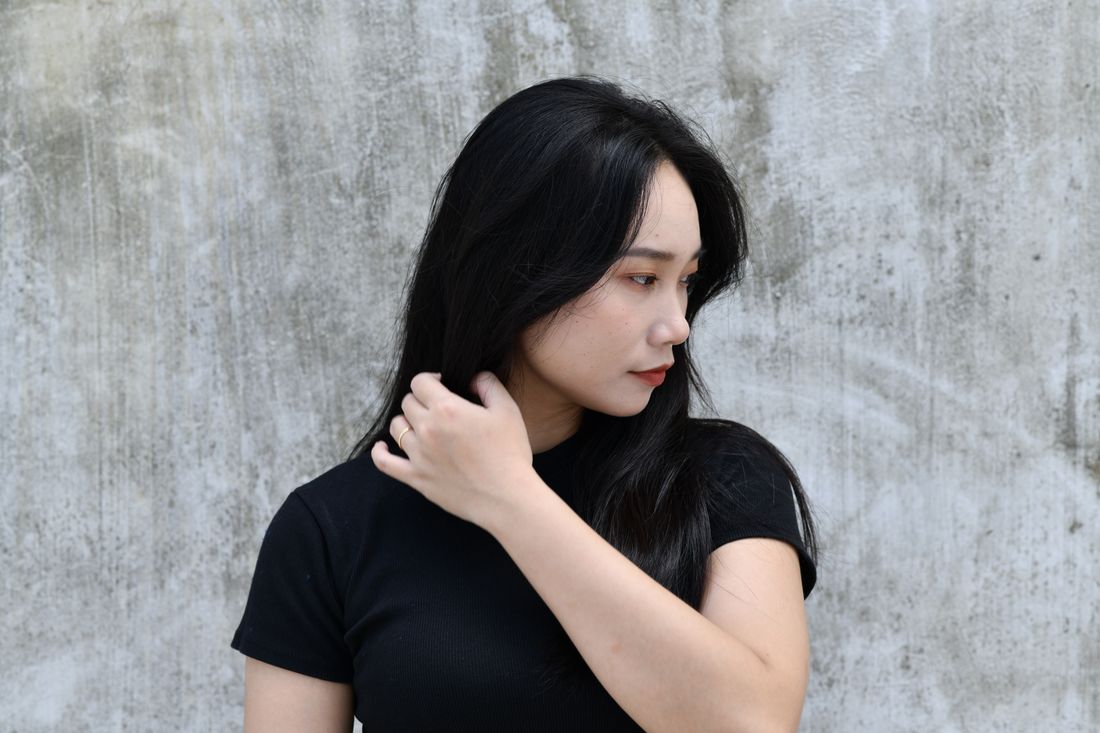
The application portrait had one job: convince a jury the artist was worth funding. The announcement portrait has a longer, quieter job that starts the moment the jury says yes. It has to sit inside a press release, anchor a funder's grantee page, and survive a year of interview requests, usually on a two-week turnaround set by someone else's comms calendar. Almost nobody plans for that shift until the funder's email arrives asking for a vertical crop they don't have.
A fellowship announcement needs its own portrait, not a reused application photo, because the audience, the format requirements, and the timeline all change the moment the win is public. The funder or presenting institution usually has final say on register and specs, even when the artist initiates the shoot, and the honest goal is a portrait plain and current enough to still work in a press kit a year from now.
What Changes When a Portrait Follows a Fellowship Win
A fellowship win turns a portrait into an institutional asset overnight. The application portrait only had to persuade a jury the artist was worth funding. The announcement portrait has to work inside a press release, a funder's grantee page, and a year of press requests, usually on a timeline the funder sets, not the artist.
That shift changes what the photo has to do. A jury glances at an application portrait for a few seconds before moving on to the work itself, so the image only needs to read as credible and current. A funder's communications office will run the same photo across a press release, a website, a printed program, and sometimes a local news request, so it has to hold up at every one of those sizes.
The brief changes with it. An application portrait answers one question for one small audience on one afternoon. An announcement portrait answers a dozen smaller questions at once, vertical or horizontal, plain background or on location, black and white or color, for an audience that includes people who have never heard of the artist before that morning.
None of this makes the announcement portrait harder to shoot. It makes it a different assignment with a different client in mind, even when the same artist is standing in front of the camera. Planning for that difference on the first phone call is what keeps the shoot from feeling rushed two weeks later.
Who Actually Commissions the Announcement Portrait
The announcement portrait can be commissioned by the artist, the funder, or the presenting institution, and each one wants something different from it. An artist wants a portrait that still feels like them next year. A funder wants a portrait that photographs well next to their own name and logo. That difference decides the register before the shoot even starts.
When the artist commissions it directly, the brief usually favors personality. They know their own studio, their own current body of work, and what they want a portrait to say about where their practice is headed, which leaves more room for a setting that reflects that.
When a funder or presenting institution commissions it, the brief tightens. Their comms team is thinking about how the image sits on a grantee page next to twenty other portraits from twenty other years, which usually means a plainer background, a more neutral pose, and less room for a personal setting that could date the photo or clash with next year's cohort.
Knowing who is actually paying for the shoot, and who signs off on the final files, is the first practical question worth asking. It decides how much creative latitude exists, how many crops need to be delivered, and whose preference wins when the artist and the institution disagree about a background or an outfit.
That question is worth asking on the very first call, before any conversation about location or wardrobe happens, because the answer changes both.
Why the Application Portrait Usually Can't Be Reused
An application portrait was built for a jury reviewing files quietly, not for a press release with the artist's name in the headline. Reusing it for the announcement usually fails on register, framing, or file specs, even when the photo itself still looks good on its own.
Register is the first mismatch. An application photo often leans a little more personal or informal, since it only had to read well to a small panel already primed to be sympathetic. An announcement photo needs a steadier, more neutral register, because strangers who know nothing about the artist yet will see it first.
Framing is the second mismatch. Application portraits are frequently cropped tight for a small file-review window and shot in whatever orientation suited that platform. A press release, a grantee page, and a printed program each want their own crop, and a photo built around one narrow use rarely stretches to fit all three cleanly.
File specs are the third mismatch. Jury platforms often want a modest file size and a single fixed crop. A comms team wants full-resolution originals they can crop themselves, in more than one orientation, which an application-stage delivery usually never included in the first place.
None of these problems mean the application portrait was wrong for its purpose. It means it was built for a different purpose, and asking it to do the announcement's job is where good photos end up looking slightly off in a place they were never framed for.
What a Funder's Comms Team Asks for Late
A funder's comms team usually asks for a vertical crop, a plain-background version, and a caption or credit line only after the portrait is already delivered, because those needs surface once the press release is actually being laid out, not during the shoot's planning stage.
The vertical crop request is the most common. A landscape hero photo that looks right on a website often does not fit a vertical social graphic or a printed program page, and a funder's designer will come back asking for headroom that was not built into the original composition.
The plain-background version follows close behind. Even a portrait shot on location, in a studio or a favorite corner of the artist's space, sometimes needs a simpler backup version for a directory page or a wire photo request where a busy background competes with twenty other headshots on the same grid.
The caption and credit line request rounds it out. A comms team needs the artist's name spelled correctly, the photographer credited by name, and a plain sentence describing the photo, none of which is hard to supply, but all of which is easy to forget until someone is already laying out the page and asking for it.
Delivering a vertical option, a plainer alternate frame, and a short caption note alongside the main files, without being asked, is what keeps a two-week turnaround from becoming a three-email back-and-forth after the fact.
Working Inside a Two-Week Announcement Timeline
A fellowship announcement usually runs on a comms calendar the funder set weeks earlier, which leaves the portrait a short, fixed window, often close to two weeks, to be scheduled, shot, edited, and delivered before the public date arrives, with little room to push it back.
That timeline is honest to work inside once everyone agrees on what it can hold. It is enough time for one clean session in a location the artist already has access to, a modest wardrobe conversation over the phone, and a same-week edit turnaround on a small, focused set of final frames.
It is usually not enough time for scouting a new location, a wardrobe fitting, or a large shot list built around multiple outfits and settings. Compressing those choices into a single phone call before the shoot, rather than improvising them on location, is what keeps the day itself simple.
The honest move is naming the constraint out loud early rather than quietly trying to deliver an application-level shoot in a fraction of the time. A shorter, well-run session beats a rushed version of a bigger one, and a funder's comms team almost always prefers punctual over elaborate.
Two weeks is tight, but it is workable, as long as the location, wardrobe, and delivery format get decided before the camera comes out rather than during the session itself. Deciding those three things on the first call is what makes the rest of the week move smoothly.
Wardrobe and Setting Choices That Survive a Year of Reuse
An announcement portrait gets reused far longer than the announcement itself, often for a full year of interview requests, panel invitations, and follow-up press, so wardrobe and setting choices should hold up outside the news cycle that first published them.
Wardrobe that survives reuse tends to be simple and current rather than trend-driven. Plain, well-fitting pieces in colors the artist actually wears photograph as timeless, while an outfit tied to a specific season or a passing style choice can quietly date the portrait faster than the artist's actual work changes.
Setting works the same way. A studio corner, a plain wall, or a quiet outdoor spot the artist can return to reads as neutral a year later. A heavily styled or trend-forward backdrop can make an otherwise strong portrait feel tied to the exact week it was taken, even when nothing else about it has changed.
The test worth applying to both choices is simple: would this outfit and this setting still look like the artist, and still look current, at next year's fellowship cohort announcement. If the answer is yes, it usually survives the reuse a funder's comms team will ask of it.
A useful shortcut is picking wardrobe and a setting the artist would still be comfortable seeing on a funder's homepage a year from now, since that is usually where the photo ends up living longest, well after the original announcement has scrolled past everyone's feed and the news cycle has moved on.
What Changes When the Announcement Is Embargoed
An embargoed announcement means the portrait has to be finished, approved, and sitting ready to publish before anyone is allowed to say out loud why it was taken, which changes scheduling and confidentiality far more than it changes the shoot itself.
Scheduling gets stricter under an embargo. The shoot, the edit, and the delivery all need to land comfortably before the embargo lifts, with margin built in for a funder's approval round, since there is no flexibility to push the timeline once the public date is locked by someone else's press plan.
Confidentiality matters more too. A location scout, an assistant, or even a social caption drafted too early can leak the news before the funder is ready, so the safest approach treats the shoot itself as ordinary and keeps any mention of the fellowship out of scheduling emails, invoices, or casual conversation until the embargo lifts.
The artist may not even be free to say why the portrait is being taken that week, which can make the session feel oddly quiet compared to a normal celebratory shoot. Naming that upfront, so nobody expects a party atmosphere on set, keeps the day calm and focused on the work.
A short internal checklist helps more than a formal contract does here. Confirm the embargo date with the funder in writing, confirm who outside the shoot needs to know, and hold the final files until the moment the funder actually says they can go out.
What to Send Alongside the Final Files
The final delivery for an announcement portrait should include more than the hero image, since a comms team will need a small set of ready-to-use variations rather than one photo they have to reprocess themselves under deadline once the embargo lifts.
A useful delivery set includes the primary landscape or vertical selects, a plainer alternate frame for directory or wire use, and full-resolution originals rather than only web-sized exports, so the funder's designer is not stuck stretching a small file across a printed program.
A short written note helps as much as the files do. The artist's name spelled correctly, the photographer credit, and a one-line description of the setting give a comms team everything they need to write a caption without a follow-up email during an already tight week.
This matters most in the first hour after an embargo lifts, when a funder's social team, their web editor, and a local reporter can all be asking for the same file at once, and one well-organized delivery answers all three requests without anyone waiting on a reply.
Sending this as one organized package, rather than a folder link with no explanation, is a small step that saves the funder real time. It is also the detail an institution remembers the next time they need a portrait on short notice.
None of this requires elaborate production. It just means treating the delivery itself as part of the assignment, not an afterthought tacked onto the end of the shoot once the invoice has already gone out the door.
Frequently asked questions
Can I just reuse my fellowship application portrait for the announcement?
Usually not cleanly. The application portrait was built for a jury reviewing files quietly, often with a tighter crop and a smaller file size than a press release needs. The announcement calls for a steadier register, more than one crop, and full-resolution originals, so a fresh session, even a short one, almost always serves a funder's comms team better than reusing the application file as it was originally delivered.
Who usually has final say over the announcement portrait?
It depends on who commissioned it. When the artist books the shoot directly, they usually keep more say over setting and wardrobe. When a funder or presenting institution commissions it, their comms team typically has final approval on register and specs, since the image has to sit consistently next to other grantees' portraits from other years on the same grantee page, long after this cycle's announcement fades.
What specs does a funder's comms team usually need beyond the main photo?
Most ask for a vertical crop for social and printed layouts, a plainer alternate frame for directory or wire use, and a short caption with the artist's name and photographer credit. These requests tend to surface after delivery, once the press release is actually being laid out, so including them upfront in the first delivery saves a round of follow-up emails during a tight week.
How much can honestly get done on a two-week announcement timeline?
Enough for one clean session in a location the artist already has, a short wardrobe conversation by phone, and a focused, same-week edit. It is not enough time for scouting a new location or planning multiple outfits and settings. Naming that limit early, on the first call rather than on set, keeps the whole shoot simple instead of rushed, and keeps the funder's deadline realistic from the start.
What should I keep quiet about if the fellowship announcement is embargoed?
Treat the shoot as ordinary until the embargo lifts. Keep any mention of the fellowship out of scheduling emails, invoices, or casual conversation with a location or assistant, and build in margin for the funder's approval round before the embargo date so there is no last-minute scramble to finish everything on time before the news goes public and everyone starts asking questions about it all at once.
Let's find out which one you actually need.
We shoot both refresh sessions and full new concepts, and we'll tell you honestly which one your portrait needs before we book anything, not after.
Explore portrait sessions →