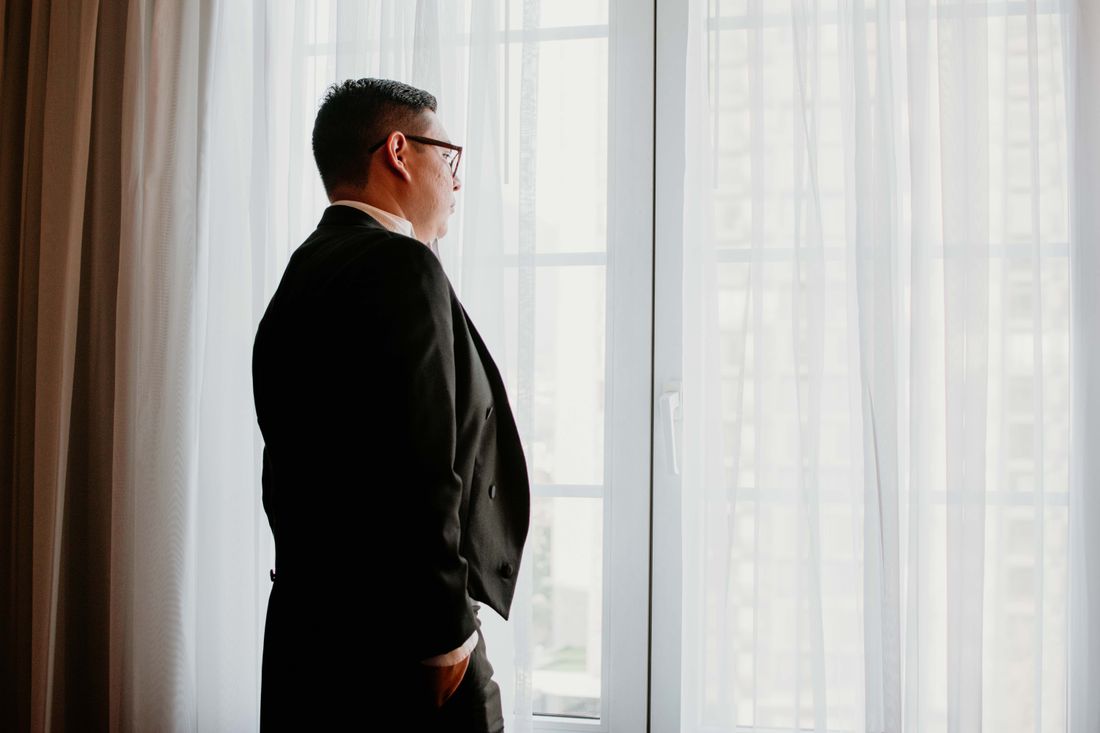
Some artists come through New York for a single day: a talk in the afternoon, a flight out that evening, and one hour somewhere in between that has to produce a usable portrait. There's no studio visit beforehand, no test shoot, no second try if the light is wrong. The whole session lives inside a gap between two other commitments, and it has to work on the first pass. We plan these sessions differently from a normal booking, not by doing less, but by deciding early exactly which parts of the usual process are optional and which ones aren't.
A one-hour portrait session for a visiting artist cuts location scouting, wardrobe planning, and warm-up time, but keeps deliberate light, clear direction, and a real expression. The session works by moving decisions that normally happen in person to a phone call or email before the artist lands, so the hour itself is spent shooting, not deciding.
What Does A One-Hour Portrait Session With A Visiting Artist Actually Look Like?
A one-hour session compresses everything into a single continuous block: a few minutes of arrival and orientation, active shooting, and a clean handoff back to the artist's schedule. There's no separate consultation, no half-day buffer, and no return visit. Every minute serves the portrait directly, which changes what gets planned in advance and what gets handled on the spot.
The window usually sits between two fixed commitments that neither of us controls: a gallery talk that starts at two, a flight that boards at six, a car already booked for five. The portrait has to fit the gap that's left, not the other way around. In practice that means the session starts the moment the artist walks in and ends with enough margin for them to get to the next thing without rushing, which is closer to forty-five working minutes once travel and settling time are subtracted from the hour on paper.
What makes this workable is that a portrait session doesn't actually need much clock time to produce a strong result. Most of a normal session's length goes to things that happen before or around the actual shooting: choosing a location, changing outfits, warming the subject up. Strip those out and the shooting itself, the part that produces the image, rarely takes more than fifteen or twenty minutes even in a relaxed booking. The one-hour session isn't a rushed version of a normal shoot. It's a normal shoot with the surrounding time removed.
What Happens To Location Scouting When There's No Time To Scout?
Location scouting gets replaced with a short list of reliable defaults chosen before the artist arrives, based on where the session actually falls: near the venue, near the hotel, or near the airport. Nobody walks a new block looking for good light on the day. The location is decided ahead of time from familiar options, not discovered in the moment.
This works because a photographer who shoots regularly in a city already knows a working set of dependable spots: a hotel room with strong window light, a quiet corner near most major gallery and museum entrances, a stretch of sidewalk with consistent afternoon shade. None of these need scouting because they've already been used and tested. The choice on the day is just picking whichever option sits closest to wherever the artist already has to be.
What this cuts is the custom location, the one chosen specifically for this artist's work or story, which usually takes a site visit and a few email exchanges to lock down properly. That kind of location is genuinely worth the time when there's time to give it. When there isn't, a known location with good light does more for the final image than a distinctive location with unpredictable light and a schedule at risk. The tradeoff favors reliability over specificity, and for a portrait that has to come back usable no matter what, reliability wins every time.
What Happens To Wardrobe And Styling Without A Fitting?
Wardrobe planning shrinks to a short text exchange before the trip: wear what already feels like a normal working day, bring one backup layer if there's room in the bag, and skip anything that needs ironing on arrival. There's no fitting, no rack of options, and no on-site styling adjustment beyond a quick check for wrinkles or a stray collar.
This isn't a workaround so much as a recognition that most portraits don't actually need a styled wardrobe to succeed. An artist photographed in the clothes they traveled in, chosen by them because those clothes felt right to wear that day, usually reads as more accurate than an artist dressed for a shoot. The honesty of the outfit tends to matter more to the final image than the polish of it.
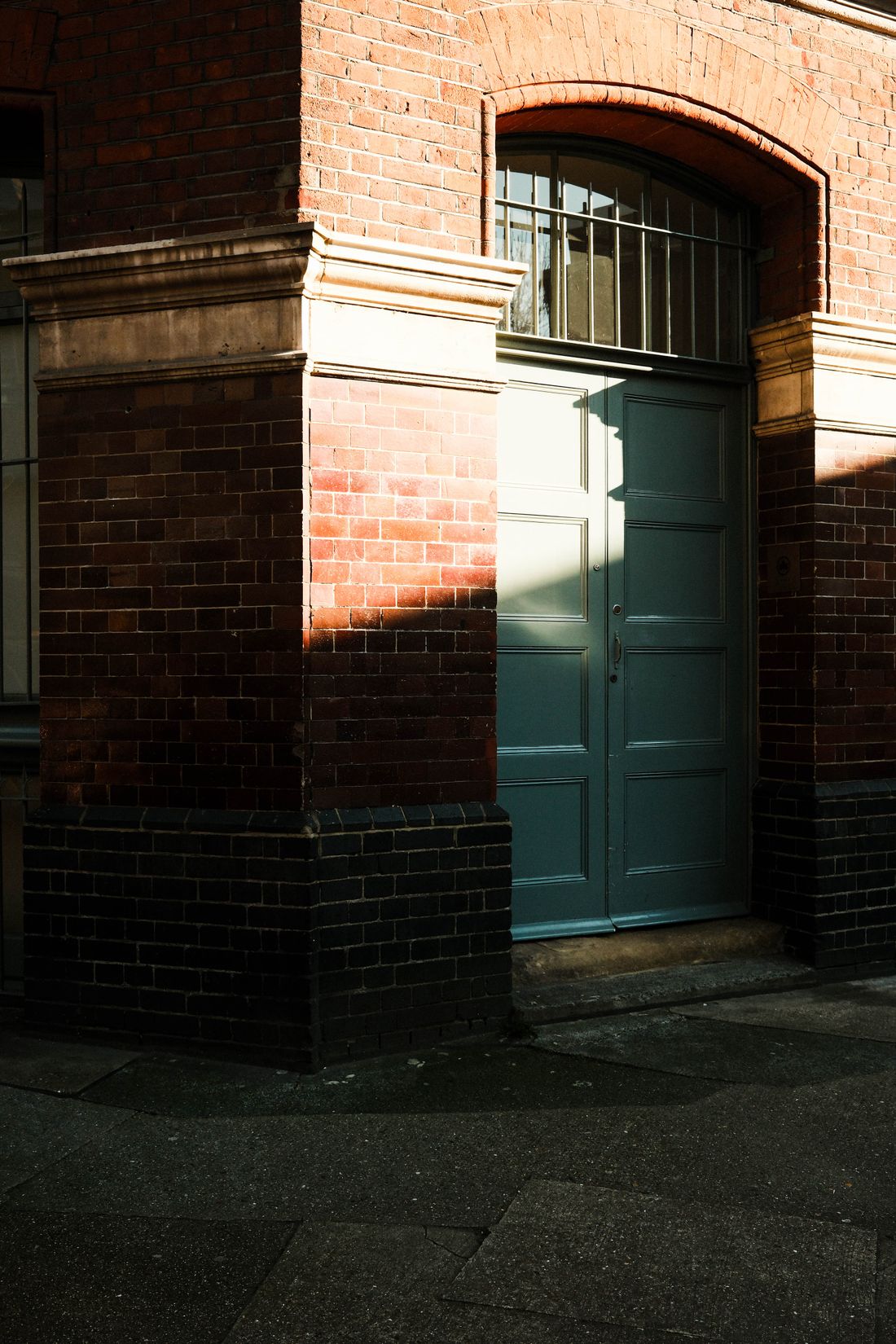
What genuinely gets lost is control over color and pattern against a specific background, the kind of coordination a stylist would normally handle by seeing both the outfit and the location together in advance. Without that, a location gets chosen partly around whatever the artist is already wearing rather than the reverse. A patterned shirt might rule out a location with a busy brick wall behind it; a dark jacket might push the choice toward a lighter backdrop. That small adjustment, deciding the background around the clothes instead of the clothes around the background, is usually enough to keep the two from working against each other on camera.
What Still Has To Happen No Matter How Short The Session Is?
Three things don't get compressed: deliberate light, clear direction, and enough frames to catch a real expression. These aren't extras that get trimmed under time pressure. They're the actual portrait. Everything else in a normal session exists to support these three, so cutting the support has to leave them fully intact, not thinner versions of themselves.
Deliberate light means choosing where the artist stands relative to a window, doorway, or open sky rather than shooting wherever they happen to be standing when the hour starts. This takes seconds to set up once a location is already chosen, but skipping it produces flat, forgettable images regardless of how much time was saved elsewhere. Clear direction means giving specific, small instructions rather than a vague cue to relax and be natural: turn slightly toward the light, drop the shoulders, look past the camera instead of into it. Specific direction works faster than open-ended direction, which matters more, not less, when the clock is short.
Enough frames means resisting the instinct to shoot fewer photos because there's less time. The opposite is usually true: a compressed session benefits from shooting continuously through small shifts in expression rather than pausing between setups, since there's no time to review and reshoot later. A real expression, something that isn't a held smile or a blank default face, tends to show up a few seconds into a sequence, after the artist has stopped thinking about the camera. Shortening the session cannot mean stopping before that moment arrives.
How Does A Location Get Chosen When There's No Time To Decide In Advance?
The location gets chosen from a short pre-approved list matched to wherever the artist already has to be that day, not discovered fresh. If the talk is at a gallery in Chelsea, the options are already narrowed to two or three known spots within a few blocks of it, decided before the artist's flight ever lands.
This decision actually gets made in two stages, both before the hour starts. The first happens when the trip is booked: knowing roughly where the artist will be lets a photographer shortlist locations near that address well ahead of time. The second happens the morning of, once the day's exact schedule is confirmed, when the shortlist narrows to one primary choice and one backup in case of weather or a locked door. By the time the artist arrives, there's no decision left to make on-site, only a walk to a spot that's already been chosen.
The backup matters more than it sounds like it should. A single point of failure, one location with no alternative, turns a normal problem (a construction crew showing up, a door that's locked today) into a schedule crisis with no time to recover from it. A hotel lobby works as a backup for an outdoor spot; a covered entryway works as a backup for open sky. Neither needs new scouting once the day arrives, because both were chosen and confirmed as part of the same planning pass that picked the primary location.
How Does A Fast Session Avoid Looking Rushed In The Final Images?
A fast session avoids looking rushed by controlling pace rather than speed: the shooting itself moves briskly, but the direction stays calm and unhurried in tone, so the artist never feels the clock the way the schedule actually feels it. A tense photographer produces a tense subject, and a tense subject is what actually reads as rushed in a final image, not the length of the session.
The visible signs of a rushed portrait aren't subtle: a stiff posture, eyes that look like they're waiting for permission to relax, a smile that started before it was asked for and never resets. None of those come from having less time on the clock. They come from the artist sensing pressure and holding their body accordingly. Keeping direction calm, unhurried in delivery even while the actual pace of shooting stays efficient, is what keeps that tension out of the frame.
Part of this is simply not narrating the time constraint out loud during the shoot. Reminding an artist mid-session that there are only a few minutes left does not make the process faster. It makes the artist self-conscious, which produces exactly the stiffness a fast session is trying to avoid. The countdown belongs entirely in the photographer's head, tracked quietly, while the artist experiences the session as a normal, unhurried few minutes of attention rather than a race against a boarding pass.
What Needs To Happen Before The Artist Even Lands?
Nearly all of the planning happens remotely, days ahead of the trip: confirming the exact address and time of the fixed commitment, agreeing on a location and backup, and settling wardrobe by text rather than in person. By the time the artist steps off the plane, every decision that could be made without them physically present has already been made.
This remote prep is what makes the in-person hour possible at all. A session that tried to make these same decisions live, discussing locations, checking the artist's outfit, agreeing on a look, all inside the same sixty minutes meant for shooting, would burn through most of the window before a single frame got taken. Moving that conversation earlier doesn't shrink the work. It just moves it to a point where there's actual time to think it through properly, over a few short messages instead of a rushed conversation on a sidewalk.
A short pre-trip exchange usually covers four things: where the fixed commitment is and when, what the artist is likely to be wearing, whether outdoor or indoor light is the safer bet given the season and time of day, and a backup plan if the schedule shifts by twenty or thirty minutes, which travel days do constantly. None of this requires a call. A few text messages over the preceding week are enough, and they do more to protect the session than anything that could happen once the hour itself begins.
What Does The Artist Actually Get After A Session This Short?
The artist gets the same deliverable as a longer session: a small, edited set of finished portraits, not a longer list of raw options that still need sorting. A compressed shoot produces fewer total frames than a leisurely one, but the frames that matter, the ones with real expression and clean light, are still there, because those were never the part that got cut.
Turnaround usually moves faster too, partly because there's simply less to sort through. A session built around continuous shooting toward a handful of strong moments, rather than many setups each producing a wide spread of options, leaves an editor with a narrower, more decisive set to work from. That tends to shorten the time between the shoot and delivery, which matters to someone who booked the session because their schedule was already tight everywhere else.
What the artist doesn't get is a large variety of looks: different outfits, different backgrounds, different compositions to choose between later. A one-hour session realistically produces one strong setup, worked thoroughly, rather than three thin ones. For most of what a visiting artist actually needs a portrait for, an announcement, a bio update, a press request, one strong image does the job completely. The tradeoff is depth of variety for reliability of outcome, and for a session with this little room for error, reliability is the right thing to optimize for.
Frequently asked questions
How much advance notice do you need to book a one-hour session like this?
A few days is usually enough, though sooner gives more room to lock in a location near the artist's actual commitment. The planning itself is quick: confirming an address, picking a primary and backup spot, and a short text exchange about wardrobe. What matters more than lead time is having the artist's fixed schedule (the talk, the flight, the car service) confirmed before the location gets chosen, since that schedule decides everything else.
Can the session happen outdoors if there's no time to check the weather in advance?
Yes, as long as an indoor backup is chosen at the same time as the outdoor primary, well before travel day. Weather gets checked the morning of, once the forecast is close enough to be reliable, and the final call gets made then. Having both options pre-scouted means a rain call doesn't cost planning time. It just means walking to the second spot instead of the first, with no scramble involved.
What should an artist wear if there's no time to plan an outfit before flying in?
Whatever already feels like a normal working day is usually the right call. Clothes chosen because they felt right that morning tend to read as more accurate than an outfit assembled specifically for a shoot. One backup layer helps if there's room to pack it, mainly so the location can be matched to whatever color or pattern the artist actually shows up wearing that day.
How long does the actual shooting take once setup and travel time are subtracted?
Usually fifteen to twenty minutes of continuous shooting once the artist has settled in, out of the hour on paper. The rest goes to arrival, a short walk to the chosen spot, and enough margin at the end for the artist to get to their next commitment without rushing. The active shooting time isn't much shorter than a relaxed session's; the surrounding time is what gets removed.
Is it possible to get finished images to the artist before they leave the city?
Not usually the full finished set, since real editing takes longer than the window allows, but a same-day preview of a few strong frames is realistic if it matters for a talk or announcement happening that evening. The finished, edited portraits typically follow within the normal turnaround window after the trip, once there's time to edit them properly rather than rushing the selection under pressure.
Let's find out which one you actually need.
We shoot both refresh sessions and full new concepts, and we'll tell you honestly which one your portrait needs before we book anything, not after.
Explore portrait sessions →