An anniversary film has one job a standard brand film doesn't: it has to look backward and forward inside the same few minutes. Most anniversary films default to a highlight reel with a founding year stamped over it, which flattens years of real work into a nostalgia loop that says less than it should. The version that actually earns the milestone treats the anniversary as the organizing idea, not the excuse, and builds around a more specific question. What does this place look like now, because of what came before it?
A milestone anniversary film for a studio or gallery should combine three things a standard brand film usually skips: real archive material from the years being marked, present-day voices from people connected to the place now, and a visible thread tying the two together. Without that continuity, the film reads as a highlight reel instead of a milestone.
Why an Anniversary Film Works Differently Than a Standard Brand Film
A standard brand film sells the present tense: what it's like to work with this studio or gallery right now. An anniversary film carries a second job on top of that, proving the place has been doing this work consistently over time, which is a different kind of trust argument than a single current showcase can make.
That second job changes the brief before a single frame gets planned. A brand film can open on today's space, today's work, and stay there for its full runtime. An anniversary film has to hold two timeframes without letting either one collapse into the other. Lean too hard into the past and it plays like a retrospective for people who already know the story. Lean too hard into the present and the anniversary becomes a throwaway line in the opening titles, doing none of the work it's there for.
We treat this as a structural decision, not a tone decision. The film needs a reason the past and present belong in the same piece, beyond "it's been a while." That reason is usually some form of continuity: an approach to the work, a relationship with artists or clients, a physical space that's changed but kept something recognizable. Once that throughline exists, archive material and current footage stop competing for runtime and start explaining each other instead, which is the difference between a milestone film and a longer highlight reel with a number on it.
What Archive Material Actually Belongs in the Film
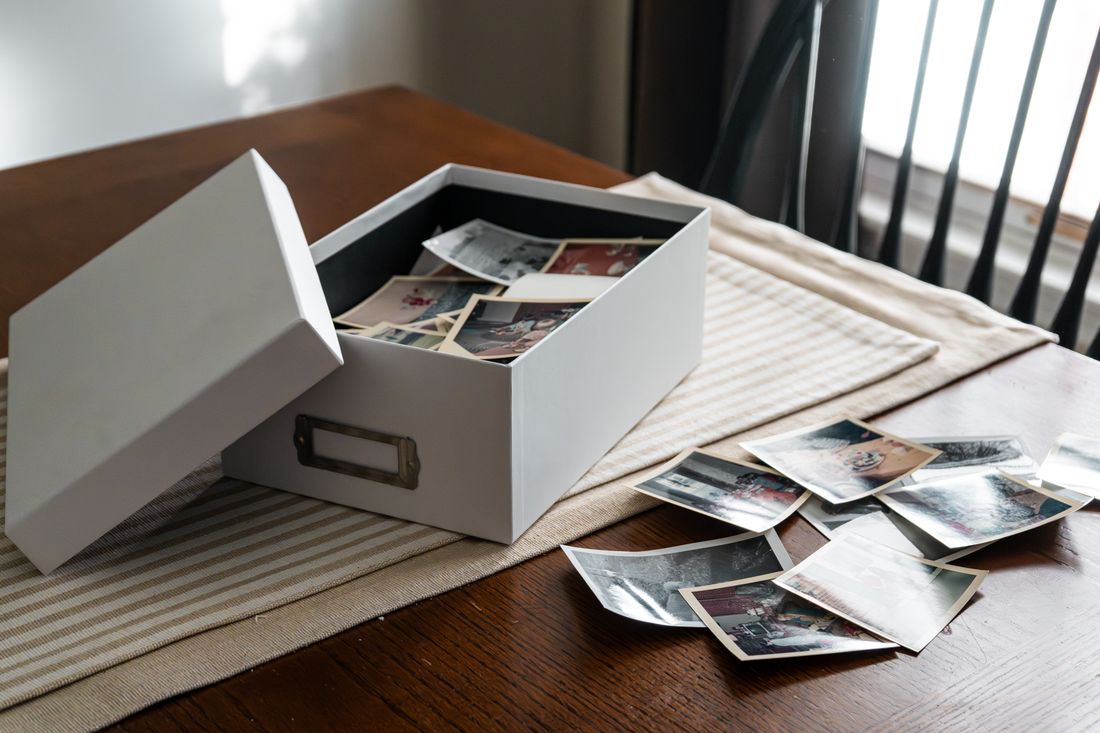
The archive material worth using is whatever shows change or consistency clearly: install shots from different years, early event photos, press clippings, or footage of the space itself before and after a renovation. A handful of well-chosen artifacts does more work than a complete inventory of everything that's ever been kept in a drawer.
Quantity is not the goal here. Studios and galleries often assume an anniversary film needs to represent every year evenly, which produces a rushed slideshow instead of a film. It's more useful to pick a smaller set of images or clips that each carry a specific piece of the story, and let the edit breathe around them rather than cramming in one more photo to cover a gap.
Condition matters more than people expect going in. Old prints, slides, and low-resolution scans often need real attention before they're usable on screen at any size larger than a phone. Some material will need to be rescanned or digitized properly before it holds up next to current footage, and that step is worth budgeting time for early rather than discovering it during the edit. Mismatched quality between old and new material is one of the fastest ways an anniversary film starts to look like two different projects stitched together instead of one continuous story.
A staff photo taken on a phone reads differently on screen than a press photo shot by a professional, and both can sit honestly in the same film as long as the edit doesn't try to disguise the difference.
Whose Voice Should Carry the Film
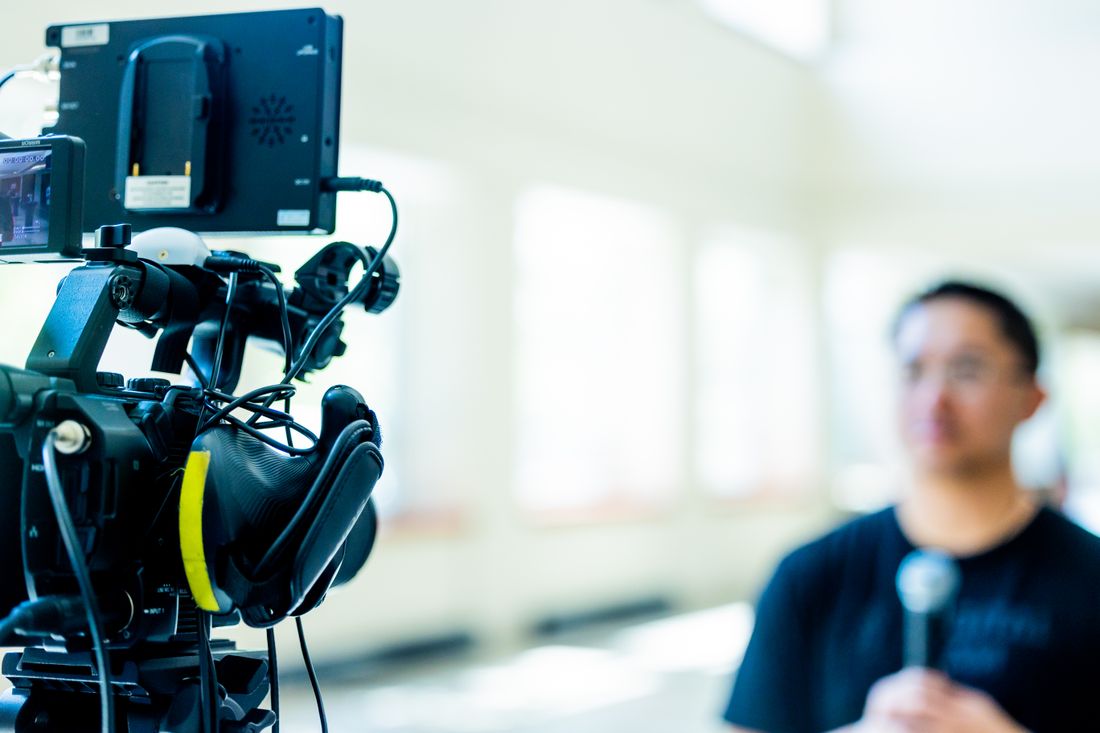
An anniversary film should draw on more than one voice, mixing people with institutional memory of the early years alongside people who represent where the place is now. A single founder monologue can carry a short piece, but it turns a milestone story into one person's story, which undersells everything built since.
The founder or director's perspective usually still belongs in the film, especially for the founding story and the reasons the place has kept going. But a studio or gallery rarely stays exactly the same group of people across a full decade or more, and the film should reflect that. Current staff, longtime artists, or regular collaborators can speak to what the place is like to work with today, which is the half of the story a purely historical account misses.
Practically, this means planning interviews with more than one person from the start, not treating additional voices as optional extras if there's time. Two or three shorter, focused interviews usually serve an anniversary film better than one long sit-down, because they let the edit cut between past and present without relying on a single narrator to carry the whole runtime. It also means the film doesn't collapse if one interview runs short or a subject is camera-shy on the day.
Someone who joined recently can often describe what drew them to the place more clearly than someone who stopped noticing it years ago. The goal is a small group of voices covering the full span of the story, not the single most senior person available.
Building Continuity Instead of Straight Nostalgia
Continuity means showing what has stayed consistent across the years even as everything around it changed, and it usually comes from a repeatable structural device: the same wall or corner shot then and now, a recurring phrase people use to describe the place, or one theme that shows up in interviews across different eras.
Straight nostalgia, on its own, asks the viewer to feel warmly about the past without connecting it to anything the studio or gallery is doing today. It's a pleasant few minutes that doesn't move a viewer toward booking, visiting, or paying attention going forward, because it never asks anything of the present. Continuity is the version of looking back that still functions as a working piece of marketing.
In practice, this shows up in small edit choices more than big concept swings. A cut from an old photo of a wall to the same wall today, held for a beat longer than expected, does more than a title card stating a founding year. A line from a current interview that echoes something said years earlier, if the archive includes audio or video, ties two timeframes together without needing a narrator to explain the connection out loud. These moments are worth planning for during the archive review, not left to be discovered by accident in the edit.
It helps to name the throughline out loud before shooting begins, even in one sentence, so everyone involved is watching for the same thread while gathering material rather than hoping continuity turns up naturally in the edit.
Why the Present Still Needs to Lead the Film
An anniversary film that spends most of its runtime in the past starts to feel like a retrospective or a memorial rather than a piece that represents where the studio or gallery stands today. The present should lead, with the past supporting it, even when the anniversary itself is the reason the film exists.
This matters beyond the initial screening. A film built mostly from old material has a short shelf life: once the anniversary event has passed, a piece that's ninety percent historical footage doesn't do much work on a website or in future outreach, because it reads as a look back rather than a current representation of the place. A film weighted toward present-day footage, with the archive material woven through it, keeps working long after the date on the calendar.
One useful test while planning is to ask what the film would still say if the anniversary framing were removed entirely. If the honest answer is close to nothing, since it would just be old photos on their own, the balance needs to shift toward more current footage and interviews. If the film still makes a clear, specific case for the place as it exists now, with the history adding depth rather than carrying the whole piece, the balance is closer to right.
The anniversary framing can quietly work against a studio or gallery if nobody checks it, producing a piece that flatters the history while saying very little about what the place offers now. Keeping the present in the lead role protects against that drift.
When to Start Gathering Material Before the Date
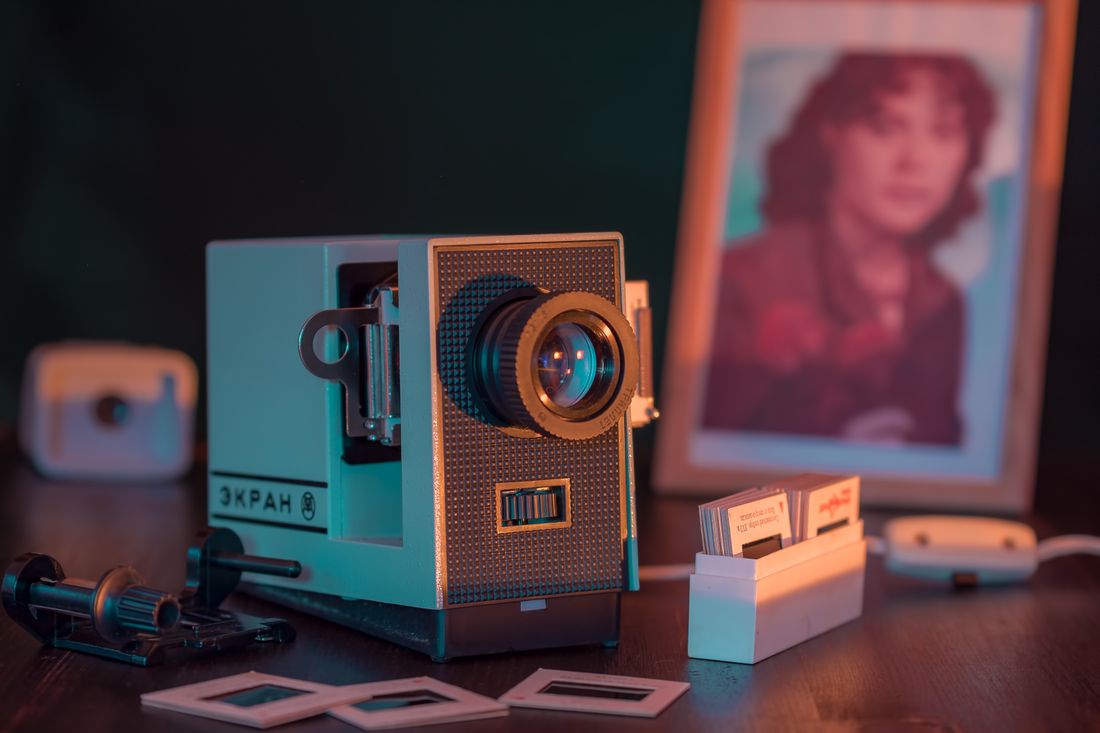
Archive review and interview planning for a milestone film should start well before the anniversary date itself, not in the weeks right before an event. Locating, sorting, and assessing the condition of old material takes real time, and it's the step most likely to reveal gaps that need a different plan.
The first task is usually a straightforward inventory: what photos, footage, press material, or ephemera actually exist, and where it currently lives. Studios and galleries are often surprised by how scattered this material is, split across old hard drives, physical boxes, a former employee's personal archive, or a folder nobody has opened in years. Finding this out early leaves room to track down what's missing instead of discovering the gap during the edit.
Interview scheduling follows a similar logic. People connected to the studio or gallery's early years, whether staff, artists, or collaborators, aren't always easy to reach on short notice, and a rushed interview list tends to produce shorter, thinner answers than a planned one. Starting the outreach and scheduling process with real lead time gives everyone involved room to prepare a few specific memories or observations, rather than answering cold in front of a camera for the first time.
This lead time also allows the work to happen in a sensible order. Archive review can inform which questions are worth asking in each interview, rather than gathering interviews blind and hoping they line up with whatever material eventually surfaces.
Deciding What to Shoot New Versus What to Reuse
Even a studio or gallery with a rich archive usually still needs new footage for a milestone film: current interviews, present-day shots of the space, and any work happening now that the film can point to. Archive material supplies texture and proof of history, but it rarely carries the full runtime on its own.
A useful way to divide the work is by function rather than by era. New footage generally makes the case for what this place is now, since it can show current work, current people, and current energy directly. Archive material generally makes the case for how long this has been true, supporting that present-day claim with evidence from years back rather than replacing it. Treating the two as different jobs, instead of competing for the same screen time, keeps the edit from feeling like a tug-of-war between past and present.
This division also simplifies planning conversations with a studio or gallery. Instead of asking generally how much archive material to use, the more useful question is what specific present-day claim each piece of archive material is meant to support. Archive footage without a present-day claim attached to it tends to get cut in the edit anyway, so it's worth identifying that connection before the shoot rather than after.
It's also a useful way to keep the shoot day itself from running long. When new footage has a clear job attached to it ahead of time, it's easier to shoot efficiently and move on rather than over-covering a scene out of uncertainty about whether it will be needed.
Where the Film Gets Used After the Anniversary Itself
A milestone film's first screening is usually at the anniversary event itself, but its longer life is on the website, in social cutdowns, and in future press or grant material. Planning for that longer life changes small edit decisions, including how much the film leans on the specific date.
A film built to premiere once, at one event, can lean heavily on that occasion, with a live introduction, a specific date on screen, and language that only makes sense on the night itself. A film meant to keep working on a website or in outreach for years afterward needs to avoid dating itself too specifically in the edit, so it still makes sense to someone watching it eighteen months later with no memory of the original event.
In practice, this usually means keeping any explicit date reference to a title card or caption outside the film itself, rather than written into dialogue or narration, and treating the anniversary as context rather than the film's entire subject. The event gives the film a reason to exist and a natural premiere moment, but the piece that results should be able to stand on its own afterward, doing the same job any other brand film does: representing the studio or gallery accurately to anyone encountering it for the first time.
A studio or gallery that only plans for the screening night ends up with a film built for one room and one evening, then has to decide later whether it still works anywhere else. Planning for both from the outset avoids that second decision.
Frequently asked questions
How long should a milestone anniversary film be?
There's no fixed length that works for every anniversary film, since it depends on how much archive material and how many voices the piece needs to carry. In general, a shorter, well-edited piece that stays specific holds attention better than a longer one padded out to fill time. Length should follow what the film needs to say, not a round number tied to the anniversary itself.
Do we need professional archival footage, or can we use whatever we have?
Whatever exists already is the right starting point. Old photos, home video, or scanned prints can all work if they're clear enough to read on screen, though some material may need rescanning or cleanup before it holds up next to current footage. The goal is usable material that tells a specific part of the story, not a professionally shot historical record. A small, well-chosen set usually does more than a large one.
How far in advance should we start planning an anniversary film?
Starting several months ahead of the anniversary date gives enough time to inventory scattered archive material, assess its condition, and schedule interviews with people who may not be easy to reach on short notice. Planning that starts in the final weeks before an event usually means working with whatever material and availability happen to be on hand, rather than what actually serves the story best.
Should the anniversary date appear on screen in the film?
A specific date works well in a title card, caption, or introduction, but writing it into the dialogue or narration itself can date the film for future use. Anniversary films often keep working on a website or in outreach long after the original event, so it helps to treat the date as surrounding context rather than something the film references directly throughout. That keeps the film accurate and useful well past the anniversary night itself.
Can an anniversary film work without any archive material at all?
It can, though the film ends up closer to a standard brand film with an anniversary framing than a true milestone piece. In that case, current interviews can still carry a sense of history through spoken memory and reflection, even without old photos or footage to illustrate it. It's a workable option when archive material genuinely doesn't exist or can't be located, and it still gives the anniversary framing something real to stand on.
A portrait that's aged doesn't always need a full reshoot.
We'll look at what you have and tell you honestly whether a refresh session covers it or the work calls for a new concept.
Explore portrait sessions →