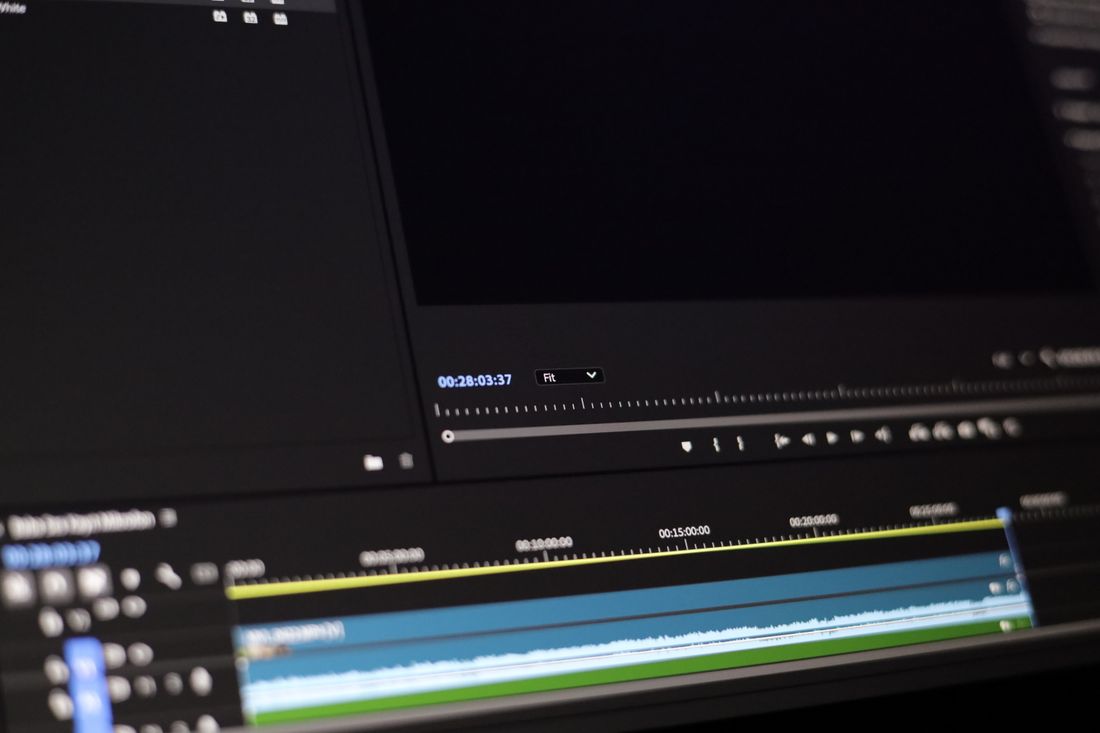
Runtime is one of the decisions clients get wrong in both directions on a brand film. Some assume longer automatically reads as more impressive or more thorough. Others panic that anything past a minute won't get watched and cut a film down past the point where it can still say anything. Neither instinct is really about length. Both come from not yet knowing what job the film needs to do, which is the actual question that decides how long it should run.
The right length for a brand film comes from the job it has to do, not a genre default: a website hero film can run longer than a social cutdown because it has a more patient viewer, and any extra length only earns its place when it adds new information or feeling. Set a target length during briefing, before the shoot, rather than deciding it in the edit.
What Actually Decides How Long a Brand Film Should Be?
The length of a brand film should come from the job it has to do, not from a genre default. A film built to anchor a website homepage can run longer than one cut for social distribution, because the two have different jobs: one holds attention on purpose, the other has to earn attention in seconds.
Once we know the job, the length question mostly answers itself. A homepage hero film exists to hold a visitor who already clicked through and wants to understand who they're working with. A social cutdown has to work in a feed where nobody clicked anything yet. An investor or press reel gets watched by someone who already has a reason to sit through it. Three different jobs, three different honest running times, even if all three come from the same shoot.
What trips clients up is treating a brand film as a fixed format, the way a sitcom episode has a fixed length. It isn't. A brand film is a container built around whatever it needs to accomplish for whoever watches it, in whatever context they encounter it. The same raw footage, cut for a homepage versus cut for social, should not come out the same length, because the two placements are asking the film to do different work.
That's the first decision to make, and it belongs at the start of a project, not somewhere in the edit. Everything else here, from how a longer cut earns its extra time to where viewers start dropping off, follows from getting this one call right first.
Does a Longer Brand Film Actually Look More Impressive?
A longer brand film doesn't automatically look more impressive or more thorough. Length reads as effort only when every added second carries something new. Past that point, extra runtime usually reads as the opposite of impressive: unfocused, unedited, or unsure of what the film is actually trying to say.
This is one of the two mistakes we see most often, and it usually comes from a good instinct pointed the wrong way. A client wants the film to feel substantial, so the request becomes "can we make it longer," as if runtime itself is the thing that signals production value. It isn't. Production value shows up in the shot choices, the pacing, the sound design, and how tightly the story is built, not in the clock.
The opposite mistake shows up just as often: panic that anything over sixty seconds won't get watched, so a film gets cut down past the point where it can still say anything. Both mistakes come from treating length as the variable that matters most, when it's actually a downstream decision. Once the film's job and the story it needs to tell are clear, the right length becomes obvious. Chasing a specific number first, in either direction, tends to produce a film built around a runtime instead of a message.
The honest test is simple: would cutting the film in half lose something a viewer needed, or would it just get there faster? If the answer is "just get there faster," the film is already telling us its actual length.
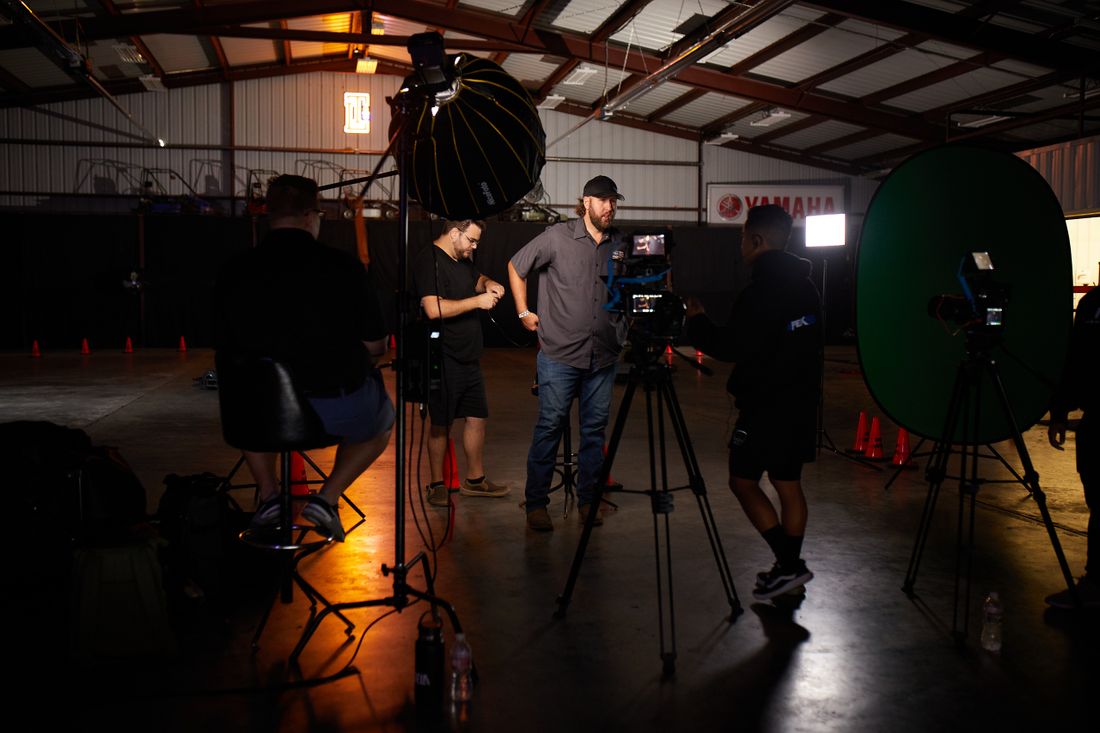
What Does It Take for a Longer Film to Earn Its Extra Length?
A longer film earns its extra length when every additional segment adds new information or a new emotional beat, not more coverage of the same idea. If a ninety-second film and a three-minute film are making the same three points, the three-minute version isn't more thorough, it's slower.
The test we apply in the edit is straightforward: does the next section change what the viewer understands or feels, or does it restate the previous section in different footage? A film about a small studio practice earns two minutes by moving through distinct beats: the work itself, the process behind it, the person doing it, and what it adds up to. It doesn't earn two minutes by showing four more angles of the same table.
Padding tends to hide inside things that feel productive on set: more B-roll of the same activity, a longer establishing sequence, an extra testimonial that says roughly what the first one said. None of that is wrong to shoot. It's wrong to keep in a cut once the story has already made its point, and the footage is just filling time until the runtime feels long enough.
A useful reframe: treat every added thirty seconds as a line item the film has to justify, the same way a budget line has to justify itself. If it doesn't move the story forward, it comes out, regardless of how good the footage looks on its own.
How Does the Platform a Film Runs On Change the Right Length?
The platform a film lives on changes how much runway it gets before it needs to prove itself. A website hero film can open slower and run longer, because the viewer already clicked through with some intent. A social cutdown has to work inside a feed where attention wasn't asked for yet, which usually means a shorter, faster-opening edit.
A homepage or landing page visitor has already made a small commitment: they searched, clicked a link, or were sent there by someone else. That context buys the film a few extra seconds of patience before it needs to hook anyone. A film sitting in that spot can afford a slower opening shot, a beat of quiet before the first line of dialogue, because the surrounding page is already doing some of the convincing work.
A social cutdown doesn't get that patience. It's competing with everything else in a feed, autoplaying without sound, next to unrelated content the viewer didn't choose either. That context usually calls for the strongest visual or line up front, a tighter cut, and a shorter overall runtime, not because social viewers have less patience as people, but because the platform gives the film less credit before it has to earn attention.
This is why the same project often produces more than one length: a longer film for the site, and one or more shorter cutdowns built specifically for where they'll actually be watched, rather than one film asked to do every job at once.
Where Do Most Brand Films Start Losing Viewers?
Most brand films start losing viewers at the first point where the pacing slows down without a reason, usually somewhere in the middle stretch, after the opening hook has faded and before the ending payoff arrives. That isn't a fixed timestamp, it's whichever moment the film stops earning the attention it already spent effort winning.
We don't have a specific number to hand a client here, and we're skeptical of anyone who does, since real attention behavior varies by audience, platform, and what the film is actually about. What's consistent, in practice, is the pattern rather than the timestamp: films tend to lose people in a soft middle section, not at the open or the close. Openings get the most editorial attention because everyone knows they matter. Closings get attention because they're the last thing anyone sees. The middle is where a rough cut is most likely to drift.
That drift usually looks like a stretch of footage that's pleasant to watch but isn't moving the story anywhere: an extended process sequence, a scenic transition that runs longer than it needs to, a second testimonial making the same point as the first. None of it is bad footage. It's just the section where a cut can quietly lose its shape if nobody's watching for it.
The practical response isn't to obsess over a universal drop-off point. It's to watch the middle of the cut specifically, the way we'd watch a bridge in a piece of music, and ask whether it's still doing work or just filling space between two stronger sections.
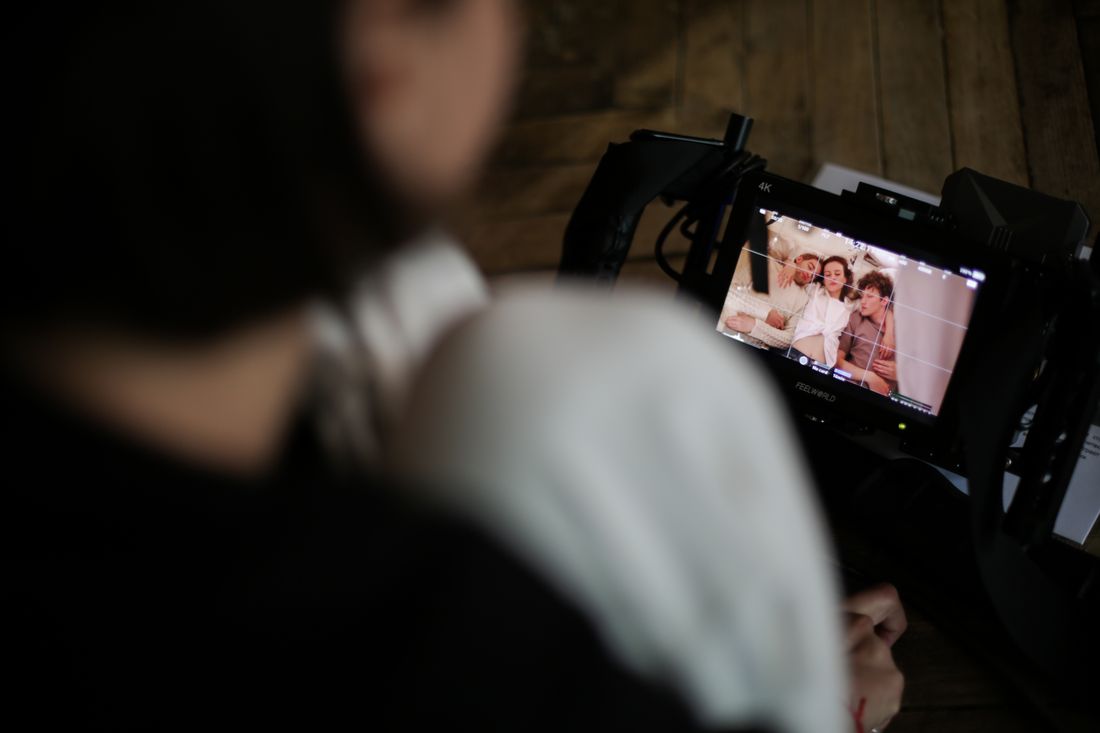
How Do You Tell If a Rough Cut Is Running Long for the Wrong Reason?
A rough cut is running long for the wrong reason when cutting a section doesn't change what the film says, only how long it takes to say it. If removing a scene leaves the message and the feeling intact, that scene was runtime, not story, and it's a strong candidate to cut, regardless of how good it looks.
One useful check: read the film out loud as a list of beats, not a shot list. If two beats in a row are making essentially the same point in different footage, one of them is probably extra. A studio practice film doesn't need three separate shots proving "this is a careful process" if the first one already landed.
Another check is watching the cut without sound, which is uncomfortable but revealing. Music and voiceover can carry a section that isn't actually doing much visually, masking the fact that nothing new is happening on screen. A section that only works with music underneath it is often running on borrowed energy rather than earned content.
The clearest sign, though, is usually a gut one: does the runtime feel long while watching it, or does it only feel long when checking the timestamp? A cut that holds attention the whole way through rarely gets flagged for its length. A cut that starts prompting glances at the scrub bar is telling us something, even before we've diagnosed exactly why.
How Do You Set a Target Length Before the Edit Instead of During It?
Set a target length during the briefing conversation, before the shoot, by naming the film's primary placement and the beats it needs to hit, then attaching a rough runtime to that job. Deciding length in the edit, after the footage exists, tends to produce padded cuts protecting unused footage or arbitrary trims chasing a number nobody agreed on.
In practice, this means the briefing conversation should answer two questions before anything gets filmed: where will this primarily live, and what does it need to accomplish there. A homepage hero built to introduce a studio's whole practice needs a different target than a cutdown meant to promote one specific offering on social. Naming both up front gives the shoot list and the story structure a real target to hit, instead of "as long as it needs to be," which isn't a target at all.
This also protects the edit from a common trap: once footage exists, there's a natural pull to use more of it, since it was expensive and time-consuming to capture. A target length agreed on before the shoot gives everyone, including us, permission to leave good footage on the floor because it doesn't serve the specific film we set out to make.
A target doesn't need to be exact to the second. A rough range, discussed and agreed on at the brief, gives the edit a real constraint to work inside, which almost always produces a tighter, more intentional film than deciding length after the fact.
How Long Should Different Brand Film Uses Actually Run?
Different brand film uses call for different lengths because they're solving different problems: a homepage hero film usually has the most room to run longer, a social cutdown usually needs to be the shortest and fastest-opening version, and an investor or press reel sits somewhere in between, built for someone who already wants the full picture.
A homepage hero film gets the benefit of an audience that already chose to click through, so it can spend more time establishing tone, process, and personality before making its point. A social cutdown gets none of that patience and usually works better built around one clear idea instead of the fuller story a homepage version can tell. An investor or press reel sits in the middle: the viewer wants substance, but also wants it delivered efficiently, since they're often watching several of these in a single sitting.
None of this is a fixed rule, and the honest answer to "how long should ours be" is still "it depends on the job," not a number pulled from a formula. What's useful is treating each of these as a starting point for the briefing conversation, rather than guessing at a single universal length and hoping it works everywhere the film eventually gets used.
The practical move is deciding early which of these jobs matters most for a given project, briefing toward that specific length, and treating any additional cutdowns as their own smaller projects with their own targets, rather than one film stretched or squeezed to cover every use at once.
Frequently asked questions
Is there an ideal length for a brand film?
There's no universal ideal length, because the right answer depends on where the film lives and what job it's doing. A homepage hero film usually has room to run longer than a social cutdown, since the viewer already clicked through with some intent. Instead of chasing a specific number, decide the film's primary placement first, then set a target length around that placement during the briefing conversation, before the shoot happens.
Does a longer brand film look more professional than a short one?
Not on its own. A longer film only reads as more professional when every added section carries new information or a new feeling. Past that point, extra runtime usually reads as unedited or unfocused rather than thorough. Production value comes from pacing, sound, and story structure, not from the clock, so a tightly built ninety-second film can look more professional than a padded three-minute one covering the same ground.
How short can a brand film be and still work?
There's no fixed floor either. A short film works as long as it completes its idea instead of just gesturing at one. A well-built thirty-second cutdown can land cleanly if it's built around a single clear point, while a rushed sixty-second cut trying to cover four ideas can feel incomplete. The test is whether the film finishes its thought, not whether it hits a specific minimum runtime.
Should the length be decided before or after filming?
Before, during the briefing conversation, not in the edit. Naming the film's primary placement and a target length up front gives the shoot list and story structure something real to build toward from day one, before anything gets filmed. Deciding length after the footage already exists tends to produce padded cuts protecting expensive-feeling footage, or arbitrary trims chasing a number nobody actually agreed on ahead of time.
Can one brand film work for both a website and social media?
The raw footage can, but the finished cut usually shouldn't be identical. A website hero film and a social cutdown are answering different jobs: one gets a patient, intentional viewer, the other has to earn attention inside a crowded feed. Most projects work best as one longer film for the site plus one or more shorter cutdowns built specifically for social, rather than a single length asked to do both.
A portrait that's aged doesn't always need a full reshoot.
We'll look at what you have and tell you honestly whether a refresh session covers it or the work calls for a new concept.
Explore portrait sessions →