A single shoot day only has to hold together for a few hours. A year of monthly content has to hold together for twelve separate shoot days, spread across twelve different moods, twelve different amounts of daylight, and twelve different versions of how ready everyone feels that morning. The posts from January and the posts from November need to read as one ongoing project, not as two different photographers working from two different ideas. That takes a plan built before the first month, not a hope that consistency happens on its own.
A year-long look stays consistent through a small set of fixed anchors, palette, lighting, and framing, while wardrobe, setting, and pose change every month. Plan the anchors before the first shoot, rotate the rest inside them, and check several months side by side partway through the year to catch drift before it reaches month eleven.
What does a consistent look actually mean across a year of content?
A consistent look means the wardrobe, palette, lighting, and setting choices across twelve months of content read as one ongoing body of work rather than twelve separate photo days stitched together. It comes from a small set of anchors that repeat on purpose, while everything else stays free to shift from month to month.
Those anchors are usually simple: a limited color range, a consistent approach to lighting, a recognizable silhouette in the wardrobe, and a setting that stays within a defined family of spaces. None of those need to be identical from shoot to shoot. They need to belong to the same visual language, the way a person's handwriting stays recognizable even when the words on the page change.
Consistency in this sense is closer to a voice than a costume. A writer's essays can cover different subjects every month and still sound like the same person wrote them, because the sentence rhythm, the word choices, and the point of view repeat. A year of monthly content works the same way: the subject can change every time, and the visual sentence structure should still hold.
The goal is recognition without repetition. Someone scrolling past a post from month nine should be able to tell it belongs to the same series as month two, without the two photos looking like they were shot on the same afternoon in the same outfit. That balance is the whole job of a year-long styling plan, not an accident that happens on its own.
Why does repeated content start to look like the same day over and over?
Content starts to look like the same day repeated when the choices meant to create consistency get treated as a fixed formula instead of a flexible set of anchors. The same outfit, the same corner of the same room, and the same pose get reused because they already worked once, and the shortcut compounds every month it goes unquestioned.
This usually happens for a practical reason rather than a lack of taste. Monthly content has to get made on a schedule, and returning to what already worked is the path of least resistance. A wardrobe choice that photographed well in February becomes the default answer in March, April, and May, not because it is still the right choice, but because it removes a decision from an already full month.
The visual result is a feed that looks efficient rather than intentional. Viewers may not be able to name what feels repetitive, but they notice the pattern: the same backdrop at the same distance, the same handful of colors, the same expression. It reads as content produced to fill a calendar slot, not as documentation of a real year of work.
The fix is not more variety for its own sake. It is separating the anchors that should repeat from the choices that should not, so the schedule stops quietly turning every decision into last month's decision by default. Naming the anchors ahead of time is what keeps the shortcut from becoming the whole plan.
What should stay fixed from month to month?
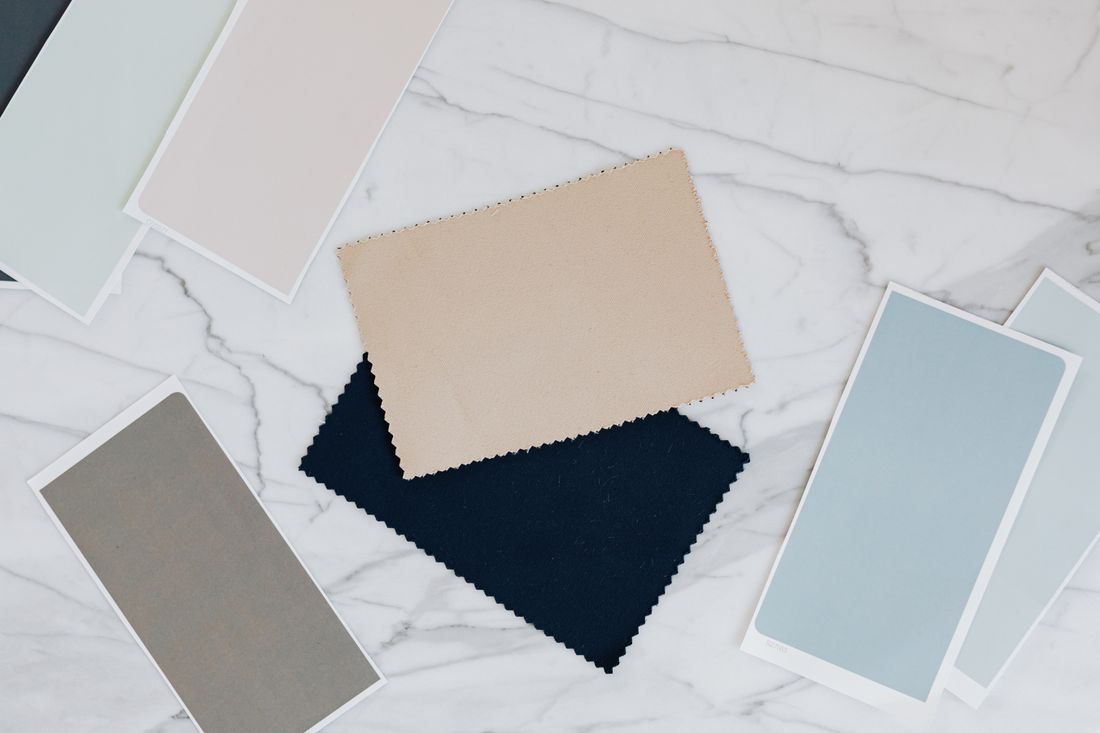
A small number of elements should stay fixed across a year of monthly content: the general color range, the lighting approach, and the overall framing style. These are the anchors a viewer registers without consciously noticing them, and they are what make twelve separate shoots read as one continuing series rather than twelve unrelated ones.
Color range is usually the strongest anchor. Choosing a palette family, warm neutrals with one accent tone, for example, and keeping wardrobe and setting choices inside it gives every month a shared visual temperature even when the actual garments and backdrops change. The palette does the continuity work so the wardrobe never has to repeat itself just to feel connected.
Lighting approach matters almost as much. A studio that consistently favors soft, directional daylight over harsh flash, or consistently favors a particular contrast level in editing, builds a recognizable texture across months even when the shooting location changes. Framing style, how close the camera gets, how much negative space surrounds the subject, works the same way.
What should not be fixed is the specific outfit, the specific corner of a room, or the specific pose. Those are the details that, if repeated, create the flattened, same-day feeling a good monthly series is trying to avoid. Treating them as fixed is the single most common way a well-intentioned plan quietly turns into a rerun, and it usually happens without anyone deciding it on purpose.
What should change from month to month?
Wardrobe, setting, and pose should change from month to month, even while color, lighting, and framing stay consistent. These are the details a viewer notices consciously, and repeating them is what makes a year of content look like reruns rather than a project moving forward. Changing them on purpose is what makes the calendar feel like it is actually progressing.
Wardrobe is the easiest lever to pull because it is the most visible. A shirt in a slightly different cut, a different layering choice, or a different texture within the same color family gives each month its own identity without abandoning the palette that ties the year together. The goal is variation inside a defined range, not variation for its own sake.
Setting can rotate through a small set of spaces rather than staying pinned to one corner of one room. A studio might return to a handful of locations across the year, but no two consecutive months should use the exact same spot at the exact same angle. Pose and expression deserve the same treatment: a repeated stance across twelve months reads as a habit, not a style.
The test is simple. If someone placed two months side by side, they should look like they belong to the same story at two different points, not like a single afternoon that got relabeled twice. That test is easy to run and worth running before a month gets published, not after.
How does wardrobe rotation support a year-long look?
Wardrobe rotation supports a year-long look by giving each month a distinct garment or combination while keeping every choice inside the same defined color and silhouette range. A small, planned wardrobe rotation does more for continuity than either a single repeated outfit or an unplanned new outfit every time.
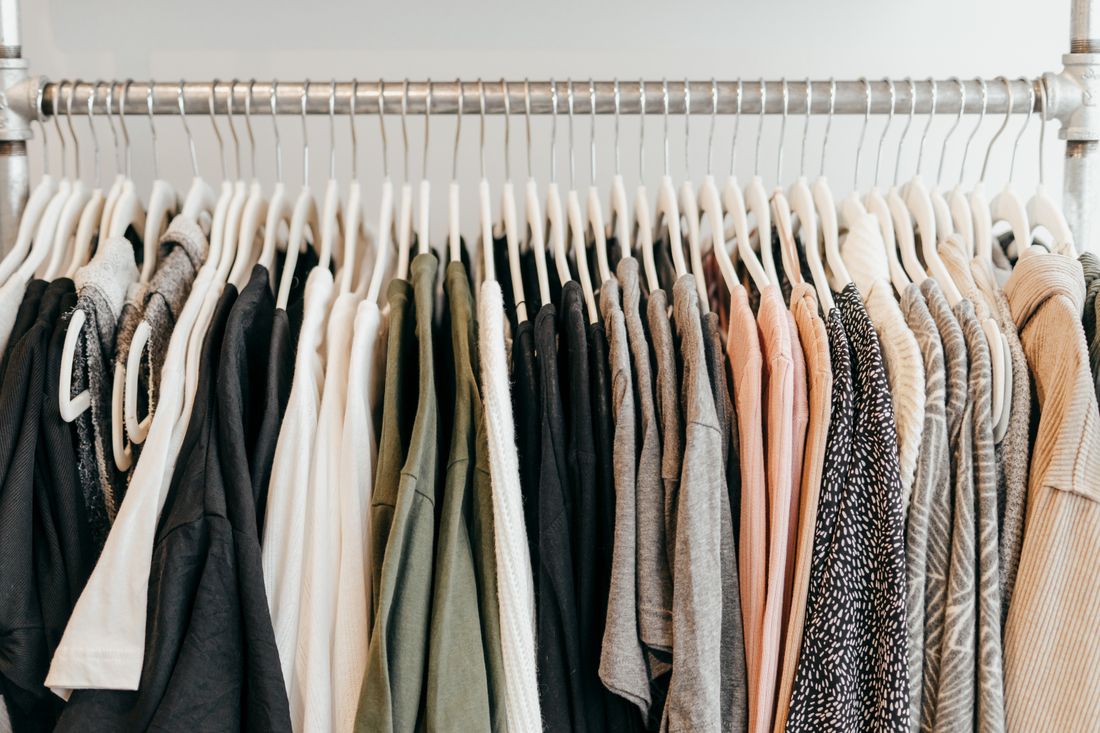
The practical version of this is a working wardrobe list built before the year starts: a handful of tops, a couple of outerwear pieces, and a small set of accessories, all chosen because they sit inside the same palette and silhouette family. Each month draws from that list in a different combination, so nothing repeats exactly, but nothing looks unrelated either.
This is different from styling a single shoot day, where the priority is often finding one outfit that reads well on camera for a few hours. A year-long rotation has to account for how each choice sits next to eleven others, not just how it performs on its own. A piece that looks great once can still be the wrong choice if it pulls the palette off course for the months around it.
Planned rotation also protects against the drift that happens when wardrobe gets decided at the last minute, month after month, without anyone checking it against what came before. A list drawn up once, and revisited rather than reinvented, keeps that decision from quietly narrowing to whatever is clean and on hand that morning.
What planning happens before the first month is shot?
Before the first month is shot, the useful planning work is choosing the color range, the wardrobe rotation, and the small set of settings the year will draw from, so every later decision has something to check itself against. Without that reference, each month gets planned in isolation and the drift starts immediately.
This planning does not need to be exhaustive. A simple reference sheet, a palette, a wardrobe list, two or three settings, gives a studio and a client something concrete to return to when a monthly shoot is being scheduled under normal time pressure. It turns "does this fit the look" into a quick check against a document rather than a fresh judgment call every time.
It also creates room to plan ahead for the moments that will interrupt the routine: a gallery opening, a seasonal shift, a piece of new work that needs its own treatment. Knowing the anchors in advance makes it easier to bend the plan for a specific month without losing the thread that connects it to the rest of the year.
The upfront work is small compared to the cost of noticing the drift in month eight and having to decide whether to fix the whole year or let it stand as it is. A short planning pass at the start is almost always cheaper than a correction made under deadline pressure later, and it removes a decision from every single month that follows.
How do you check whether the look has drifted?
Checking for drift means placing several months of content side by side, not scrolling through them one at a time, and looking for whether the palette, wardrobe, and setting still belong to the same family. Drift is hard to see one photo at a time and easy to see in a grid.
A simple version of this check is pulling the hero image from each month published so far and viewing them together. Any month that visually jumps out, a color that does not belong, a setting that looks unrelated to the rest, is worth a second look before the next shoot gets scheduled. Catching it early costs one conversation. Catching it in month eleven costs a harder choice about whether to fix the whole year or let it stand.
It helps to ask a specific question rather than a general one: would a new viewer, seeing three months from anywhere in the year, assume they came from the same source? If the answer is no, the drift is usually traceable to one anchor that quietly changed, a slightly different lighting setup, a wardrobe choice that stepped outside the palette, and it can be corrected without reworking everything else.
This check works best as a recurring habit, not a one-time audit run only at the end of the year. A quick side-by-side every few months is a small habit that saves a much larger correction later.
How should month eleven relate back to month one?
Month eleven should feel like a continuation of month one rather than a repeat of it or a departure from it. The palette, lighting, and framing established at the start should still be visible, while the wardrobe, setting, and specific content should have moved forward the way a real year of work actually does.
This is different from the kind of continuity a single shoot day needs, where the goal is usually matching wardrobe and lighting closely enough that footage cuts together without a visible seam. A year of monthly content is not trying to hide the passage of time. It is trying to show that the passage of time happened inside one consistent point of view.
A useful way to picture this is a book with chapters. Each chapter can introduce something new, a different scene, a different detail, while the voice on the page stays recognizable throughout. A reader who opens to chapter eleven should be able to tell it is the same book as chapter one, without the two chapters reading like the same page copied twice.
When month eleven and month one sit side by side and still look like they belong to the same year-long project, the anchors did their job and the rotation did the rest. That is the actual test of a year-long look, not whether any single month looked good on its own, and it is worth checking before the year is called finished.
Frequently asked questions
How many outfits do we need to plan for a year of monthly content?
Most year-long plans work well with a small working wardrobe of several pieces that sit inside the same palette and silhouette family, combined in different ways each month. That gives twelve months of visible variation without needing a new, unrelated outfit for every shoot. The goal is a set small enough to plan properly and keep inside one color range, not a fresh purchase every time a shoot comes around.
Should every month use the same backdrop or location?
No. A backdrop or location should stay inside a small, planned set of spaces rather than repeating the exact same corner every time. Returning to one fixed location often creates the flattened, same-day feeling that makes a year of content look repetitive instead of like a project moving forward. Rotating through a handful of related settings, chosen ahead of time, keeps the visual family consistent while still giving each month its own identity.
How far in advance should a year of styling be planned?
The core anchors, palette, wardrobe rotation, and settings, are worth planning before the first month is shot, ideally as a simple reference document rather than a rigid schedule. Individual months can still be planned closer to each shoot date. What matters is having the year's anchors decided early enough that each month's choices can be checked against them, instead of each month inventing its own direction from nothing.
What if the artist's actual work or style changes partway through the year?
A change in the work is a reason to update the plan, not abandon it. The palette, wardrobe rotation, and settings can shift to reflect a real change, as long as the shift is intentional and carried forward rather than treated as a one-time exception. A year of content should track real change in the work. It should not track an accidental change in who happened to plan that particular month's shoot.
Does keeping a consistent look mean every photo looks the same?
No, and that is usually the opposite of the goal. Consistency comes from a few repeated anchors, palette, lighting, and framing, while wardrobe, setting, and pose are meant to change from month to month. A year where every photo looks identical is not consistent, it is repetitive. The aim is a recognizable throughline running through twelve months that still look visibly different from each other.
Wardrobe should point back to the work, not away from it.
We plan styling for artist portraits the same way we plan the rest of the shoot, around who you are and what you make, not around looking photographed.
Explore styling services →