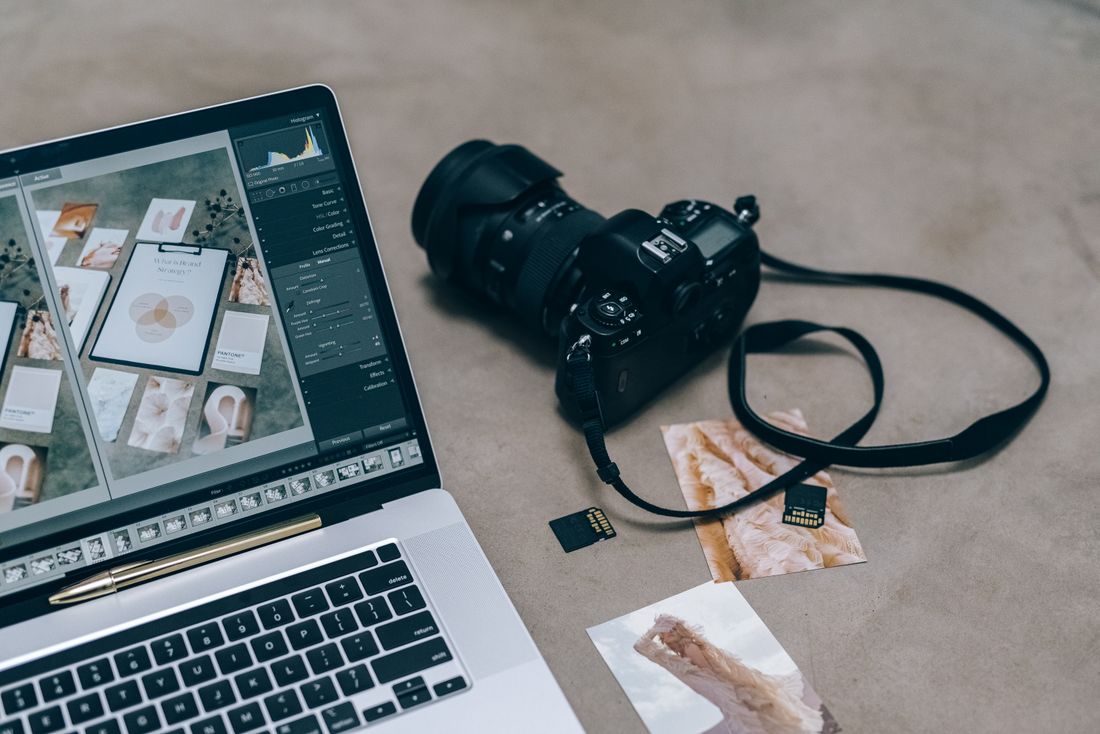
Most galleries get the first move right: a handful of photos go up on social within a day or two, while the opening is still fresh. Where the value gets left behind is everything after that first post. Press kits, grant applications, artist portfolios, year-end recaps, and future outreach all draw from the same folder, if it's organized well enough to actually use.
None of this requires a second photographer or a bigger budget. It requires a short plan, made before the opening if possible, for where the photos go once the night is over.
The short answer
Post a small, fast set to social within a day or two. Separately, pull a tighter set of 10 to 20 of the strongest images, artwork, energy, any artist portraits, for press, outreach, and the artist's own use. Then file everything, not just the favorites, into a labeled folder that someone can find again in six months without having to ask who has the files.
The photos don't have one job. They have several: social right away, outreach for the next few weeks, and archive for as long as the gallery or the artist needs to point back to this show.
Social comes first, but it isn't the whole plan
Speed matters most here. A few well-chosen photos posted the next morning, while people who attended (or wish they had) are still thinking about the show, will usually outperform a bigger, more polished set posted a week later. Pick photos that show the room, the work, and a genuine moment of energy, not just a wide establishing shot of an empty-looking gallery.
Once the first post is up, resist the urge to consider the job done. Social posting is the fastest-decaying use of these photos. It matters, but it's also the smallest slice of what the folder is actually worth.
A second, smaller social wave a few days later can also help, especially if the first post leaned on a wide room shot. A closer detail, a genuine reaction caught mid-conversation, or a quiet shot of the work without the crowd gives the account something to post that doesn't feel like a repeat, and it stretches the same shoot across more of the week the show is actually open.
Building a press and outreach set
Pull a small, tightly edited set specifically for press and outreach: a few strong installation shots, one or two photos that capture the room's energy, and a portrait of the artist if one exists. Include full-resolution files, not the compressed versions used for social, and label everything clearly with artist name, exhibition title, and date.
Press contacts rarely have time to chase down details. A folder that's easy to open, easy to caption from, and doesn't require a follow-up email just to confirm the artist's name spelling gets used more often than a beautifully edited set that's hard to navigate.
What the artist can actually use
Artists usually need less than galleries assume, but they need it organized. A handful of clean installation shots for a portfolio, a couple of detail shots if the work supports it, and any portrait taken that night cover most of what comes up later: grant applications, an artist website update, or a future gallery submission.
Share the files directly rather than leaving the artist to request them later. A short note about which images are approved for their own use, separate from anything the gallery plans to use for its own marketing, avoids a confusing conversation down the line.
Timing matters here too. Artists often need these files sooner than galleries expect, an open call deadline, a residency application, a website update tied to momentum from the show. Sending the set within the first week, rather than whenever someone gets around to it, means the artist can actually use it while the opportunity it's meant for is still live.
Should opening photos go on the website?
Clean shots from the opening can work as a placeholder on the exhibition page, but they're usually not a substitute for proper documentation. Opening-night lighting is built for atmosphere, not accuracy, and a room full of people rarely produces the even, careful images a website or a sales conversation needs.
If a piece is likely to sell, get inquiries, or represent the artist's work going forward, plan a separate documentation pass, either before the show opens or during a quiet moment after. Treat opening photos as the record of the event and documentation as the record of the work. They serve different purposes even when they're photographing the same room.
A quiet-hour pass is worth scheduling deliberately rather than hoping for a lull. Early on install day, or a slow hour before doors open the following week, gives a much cleaner read on color and texture than anything shot around a crowd. It doesn't need to be its own full production, just a short window with the room to itself.
Building a real archive, not just a folder
An archive is more than a dump of every file from the night. It's a folder organized so a future version of the gallery, or the artist, can find what they need without re-opening hundreds of near-duplicate frames. Group by use: social-ready, press set, artist set, full archive. Label with the exhibition name and date at the folder level, not just in individual filenames.
The part people skip is a short caption or context note saved alongside the images, who's in them, what pieces are shown, any quotes or context from the night. Six months later, nobody remembers which frame was "the good one" of a specific piece, and a quick note saves someone from scrolling through hundreds of thumbnails to find out.
This matters more than it sounds like it should. A gallery that's been running shows for a few years accumulates a real archive of opening nights, if the files stay organized, and that archive becomes useful in ways nobody plans for at the time: a retrospective, a funding application that needs proof of programming history, a journalist researching the space's past exhibitions. None of that is possible from a folder named "camera roll" with four hundred unsorted images in it.
Who should own this after the event
Photos without an owner sit unopened. Assign one person, even if it's a small part of their role, to handle the folder after the event: pulling the social set, building the press and archive sets, and sharing files with the artist. It doesn't need to be a full job. It needs to be someone's job.
Smaller galleries often let this fall to whoever happens to be free that week, which is how good photos end up buried in a downloads folder by September. Naming the owner during the planning stage, before the opening even happens, is a small decision that pays off for months afterward.
It also helps to keep the job small on purpose. Nobody needs to become a full-time archivist. A recurring thirty-minute block after each opening, pull the social set, forward the press files, drop everything into the labeled archive folder, is enough to keep the system running without turning it into a burden anyone dreads.
A simple timeline that actually gets followed
Day one or two: post the social set while the show is fresh. Within the first week: send the press and outreach set to any relevant contacts, and share the artist's files. Within two weeks: finish organizing the full archive, labeled and grouped, so it's usable later without anyone having to reconstruct what happened.
None of these steps need to be elaborate. A simple, followed timeline beats an ambitious one that stalls after the first social post. The goal isn't a perfect system, it's a folder that still makes sense to someone opening it cold, months from now.
The easiest way to keep the timeline honest is to write it down before the opening, not after. A single line in the event planning doc, who posts social, who builds the press set, who sends the artist their files, and by when, turns a good intention into something that actually happens once the adrenaline of opening night wears off and everyone's attention moves on to the next thing.
Frequently asked questions
How soon should we post photos after a gallery opening?
Within a day or two, while the show is fresh and people who attended (or wish they had) are still thinking about it. A handful of fast, well-chosen photos posted quickly usually outperforms a bigger, more polished set posted a week later.
What should we send to press or press contacts after an opening?
A small, tightly edited set: a few strong installation or artwork shots, one or two crowd or energy shots, and any portrait of the artist if one exists. Include full-resolution files and clear captions with artist name, title, and date, since press contacts rarely have time to chase down details.
Should artwork photos from the opening go on the gallery website?
Clean artwork shots from the opening can work as placeholders, but they are usually not a substitute for proper documentation. Opening-night lighting and crowds rarely produce the accurate, even images a website or sales conversation needs, so plan a separate documentation pass for anything that has to represent the work precisely.
How long should gallery opening photos stay useful?
Longer than most galleries plan for. Beyond the first week of social posts, opening photos remain useful for grant applications, press kits, artist portfolios, and year-end recaps, as long as they are organized and easy to find later.
Who should be responsible for using the photos after the event?
Ideally one person, even if it's a small part of their role. Without a clear owner, photo folders tend to sit unopened after the first social post, and the rest of the value quietly goes unused.
Get a photo set built to keep working after the night ends.
We shoot gallery openings with the social post, the press set, and the archive in mind from the start, not as an afterthought.
Explore event coverage →