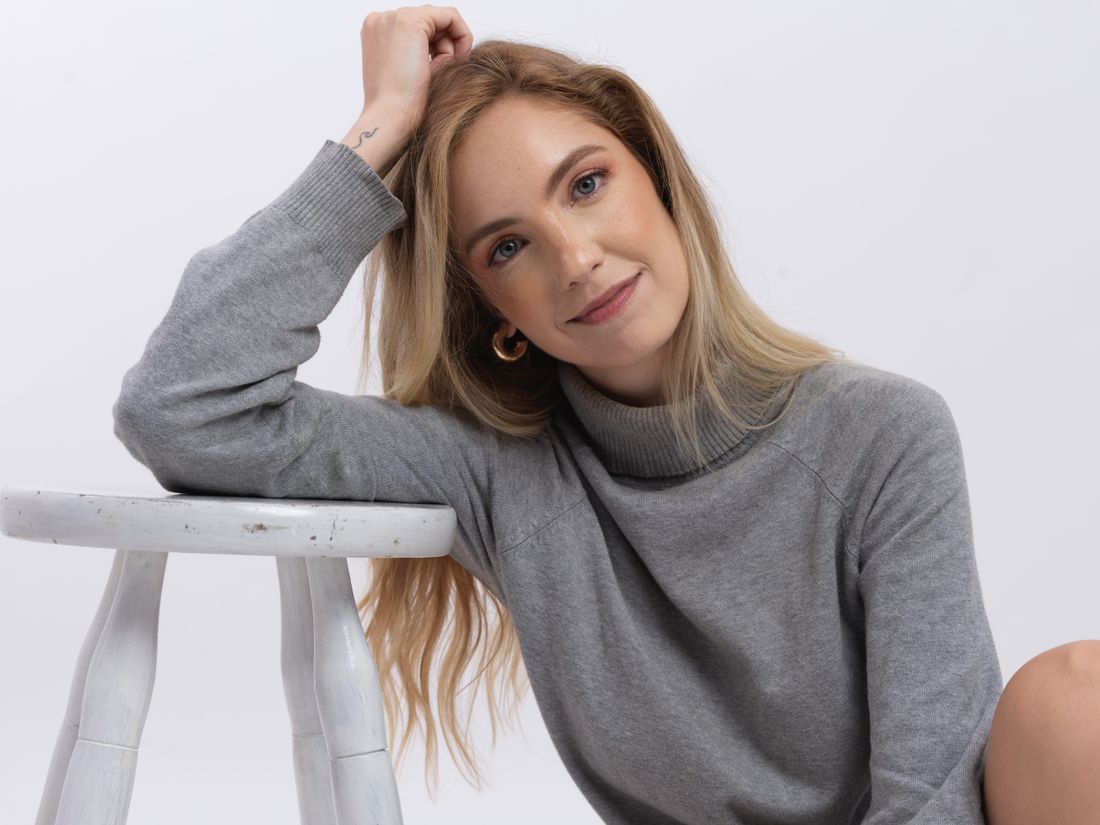
The honest answer is fewer than most people plan for. Every look change resets the clock: new light checks, new comfort, new rhythm, and the strongest frames of any look tend to show up after the first several minutes, not before them. A session built around three outfits often ends with three thin sets instead of one strong one. The real question isn't how many looks you can fit into the time. It's how many jobs the portrait actually has to do, and whether a second look is solving a real problem or just filling the schedule.
Most artist portrait sessions need one look, occasionally two. A single look, shot with enough time to settle in, usually produces stronger, more varied frames than two rushed ones. A second look only earns its place when it serves a genuinely different use, not because more outfits feels like more value.
How Much Can a Single Look Actually Accomplish?
One look, given enough time, can usually cover everything a portrait needs to do: a website headshot, a gallery roster photo, a press or bio image, and a few personal frames worth keeping, all pulled from the same set. The limit is rarely how many outfits are available. It's how much real variation a photographer can draw out of one setup before the poses start repeating themselves.
A single look isn't one photo. It's a range: seated and standing, close and further back, looking at the camera and looking past it, a few different expressions as the sitter relaxes into the room. Most of what a website, a bio page, and a press kit actually need lives inside that range. The crop changes. The use changes. The look underneath it usually doesn't have to.
What people are really asking for when they ask about a second or third look is variety, not necessarily a wardrobe change. Variety comes from angle, distance, light, and background at least as much as it comes from clothing. A photographer working one look across a full session can move the sitter through a room, change the background twice, and shift the light without ever touching the schedule a second outfit would cost.
The test worth applying before adding a look isn't "would another outfit be nice." It's "does the current look actually run out of usable variation before the session does." In practice, for most artist portraits, it doesn't. The session runs out of settling-in time long before it runs out of ways to shoot one good look well.
What Does Every Look Change Actually Cost?
Every look change costs more than the minutes it takes to swap clothes. It costs a wardrobe break, a fresh light and background check, and a reset of the sitter's comfort in front of the camera, all of which eat into the frames that would otherwise be spent finding the strongest image. Two looks in the same window usually means less total shooting time per look, not more variety for free.
The visible cost is the clock. A change of clothes takes a few minutes on its own, and most sessions also need a quick light recheck afterward, since a different color or texture reads differently under the same setup. None of that is dramatic on its own. Stacked twice or three times across a booking, it adds up to real minutes that used to belong to shooting.
The less visible cost is the sitter's ease. Most people aren't performers, and settling into being photographed takes a few minutes of low-stakes shooting before the guardedness drops. A look change interrupts that process and restarts it. The second look often has to rebuild comfort from a colder start than the first look ever had, using a shorter runway to get there.
None of this means a second look is a bad idea. It means the cost is real and worth naming before agreeing to it, rather than assuming more outfits simply stack on top of the first look for free. The honest arithmetic is that each additional look draws down the same fixed pool of time and warmth the first one drew from.
Why Do the Best Frames Usually Arrive Late in a Look?
The strongest frames of a look tend to show up after the first several minutes, once the sitter has stopped thinking about the camera and settled into the pose, the light, and the conversation. Early frames in any look are usually the stiffest ones. Splitting a session across two or three looks means each one gets a shorter run at reaching that later, looser stretch.
This is a pattern that holds across most sittings, not a rule about any one person's comfort level. The first few minutes of a look are spent finding a natural stance, adjusting to instructions, and getting used to being looked at closely. None of that produces the frame anyone ends up choosing. It produces the warm-up that makes the good frame possible a bit later.
A single, unhurried look gets the full benefit of that warm-up once and then keeps shooting through the loosest, most natural stretch of the session. A session chopped into several looks resets that warm-up each time a change happens, so more of the total time gets spent back at the stiff early stage and less at the settled stage where the strongest images actually come from.
This is the part of the arithmetic that's easy to miss when planning a session on paper. More looks feels like more options. In practice, it often means more early-stage frames and fewer of the loose, late-stage ones that end up doing the real work across a website, a roster page, and a bio.
What Jobs Does an Artist Portrait Actually Need to Do?
Most artist portraits only need to do two or three jobs: represent the artist accurately on a website or roster page, work as a press or bio image, and hold up as a personal or social image the artist is comfortable using widely. Naming those jobs before the shoot, rather than during it, is what actually determines how many looks the session needs.
The website or roster job usually wants something calm, current, and legible at a small size, since that's how most people will actually see it, in a grid of names or a directory listing next to other artists. The press or bio job wants something that reads clearly in print or in a low-resolution thumbnail, where fine detail in an outfit rarely survives anyway. The personal or social job wants something the artist actually likes looking at, which is its own separate bar.
Once those jobs are named, it becomes clearer that they don't usually compete with each other in a way that requires separate looks. A calm, well-lit, well-composed frame can satisfy the website job and the press job at once. The personal-use job is more about which specific frames get chosen from the set than about needing an entirely different outfit or setting to produce.
Where a second look genuinely helps is when one of these jobs pulls in a different direction than the others, not simply because more variety sounds appealing. That distinction is worth working through before the booking, not while everyone is standing in the room deciding on the fly.
When Does a Second Look Actually Earn Its Place?
A second look earns its place when it serves a genuinely separate use the first look can't stretch to cover, such as a formal gallery image alongside a looser studio-practice image, or a public-facing portrait alongside one meant for a specific application or grant. It doesn't earn its place just because a second outfit is available and the day has extra time.
The clearest case for a second look is a real split in audience or context. An artist might need something formal enough for a museum or gallery roster and something more relaxed for a personal site or social feed, and those two contexts genuinely benefit from reading differently rather than being cropped from the same set. That's a legitimate reason, decided in advance, not discovered mid-shoot.
A weaker case is simply wanting to use more of a wardrobe someone brought, or feeling like one look isn't enough to justify the booking. Those instincts are understandable, but they tend to produce two thinner sets instead of one strong one, for the reasons already covered: less warm-up time each, a colder restart for the second look, and fewer late-stage frames overall.
The useful question isn't whether a second look would be nice. It's whether there are two separate jobs on the table that actually need to look different from each other. If there's only one job, or two jobs that can share a frame, one look, shot well, usually serves both better than two looks shot in a hurry.
Why Does a Change of Place Often Beat a Change of Clothes?
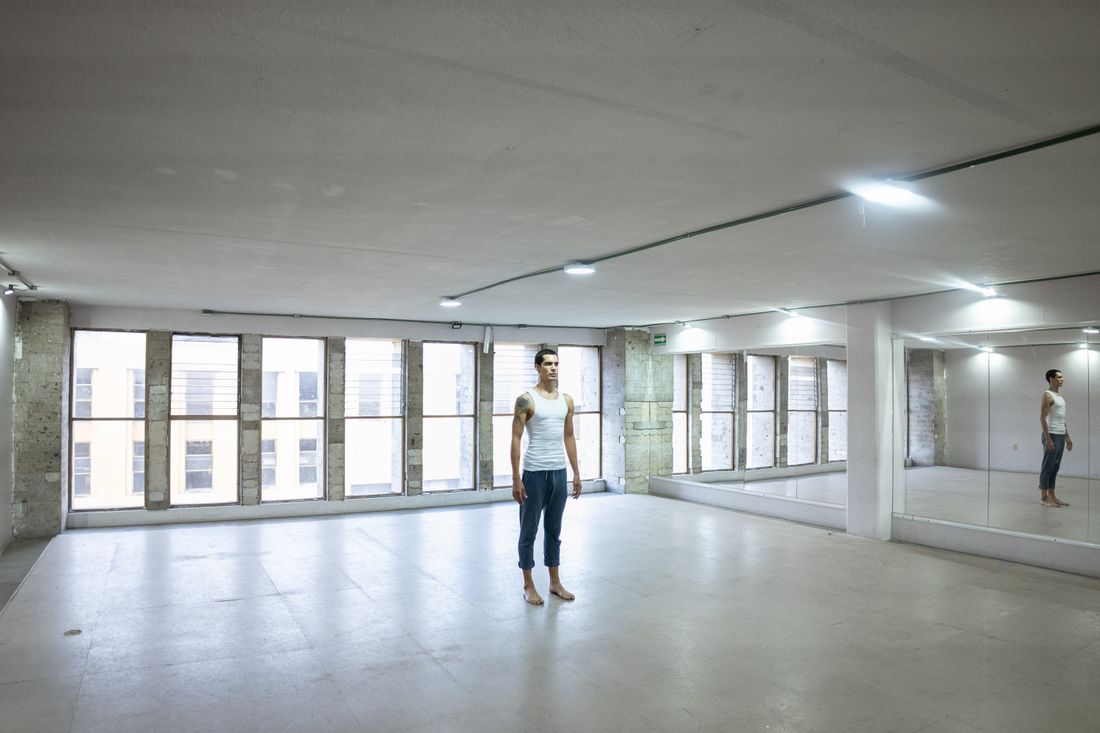
Moving to a second location or background inside the same look often creates more visible variety than a wardrobe change does, without any of the reset cost. A different wall, a window, or a corner of the studio changes the light, the mood, and the composition, while the sitter stays in the same clothes and the same settled state the first setup already built.
A change of clothes signals variety mostly to the person wearing it. To a viewer scrolling a website or a roster page, what actually reads as different is the framing, the light, and the setting, not the exact garment. Two frames from the same look, shot against a plain wall and then near a window, often look more distinct from each other than two frames in different outfits shot in the same spot.
A location change also avoids the biggest cost of a look change: it doesn't ask the sitter to stop, undress, dress again, and rebuild their comfort from scratch. Walking to a different corner of the same space, or stepping outside for a few minutes, keeps the settled energy from the first setup intact while still giving the set real range.
This is why, when a session has room for one more variation, we'll usually suggest moving the sitter before we suggest a second outfit. It tends to produce a more useful spread of images for the same cost in time, without the tradeoffs a full look change brings with it.
How Should You Decide the Look Count Before the Day?
The look count should be decided before the session, by listing the specific jobs the portrait needs to do and matching them to looks only when two jobs genuinely can't share a frame. Deciding this in the room, on the day, tends to default to "let's do the second outfit since we brought it," which is exactly the instinct that produces two thin sets instead of one strong one.
A short planning conversation ahead of the shoot, covering where the images will actually be used, settles most of this quickly. If the answer is a website, a roster page, and a personal feed, that's almost always a single-look session with a location change built in. If the answer includes something like a formal institutional application alongside a casual studio image, that's a real case for two looks, and it's worth building the schedule around that from the start.
This also protects the schedule itself. A session planned for one look with a location change can move at a comfortable pace and still leave room to breathe. A session planned for two or three looks on the same clock usually ends up rushed on every single one of them, which shows up in the final images as stiffness that no amount of editing fixes afterward.
The decision doesn't need to be complicated. It needs to happen before the day, with the actual uses named out loud, rather than being worked out on the fly once everyone is already standing in the room with a rack of clothes.
What Does a Well-Planned One or Two-Look Session Look Like?
A well-planned session starts with one look, built around whatever job matters most, and adds a second look or a location change only where a specific, named use requires it. The schedule protects warm-up time at the start and leaves the middle of the session unhurried, rather than treating every minute as a slot to fill with another outfit.
In practice, that usually means the first stretch of the booking is spent finding a rhythm in one setup: a few minutes of loose, low-stakes shooting before anyone worries about which frame is "the one." Once that settles, the session can move through distance, angle, and one or two background changes without ever resetting the sitter's comfort. That's where most of the images worth keeping actually come from.
If a second look is genuinely needed, it goes later in the session, after the first look has had its full run, not squeezed in early to make sure there's time for it. That protects the first look's best stretch and gives the second one a clear, separate reason to exist rather than treating it as a hedge against the first look not working out.
The result is a smaller, stronger set instead of a larger, thinner one. Fewer outfits, more usable frames of each, and a session that matches the pace people actually need to look like themselves in front of a camera, rather than one built around how many changes the schedule can technically fit.
Frequently asked questions
Is one look ever really enough for a full portrait session?
Yes, for most artist portraits. A single look, shot with enough unhurried time to move through distance, angle, and a location change or two, usually covers a website image, a roster photo, a press or bio image, and personal use in the same set. The limiting factor is rarely how many outfits are on hand. It's how much real variation gets pulled from one setup before the session's time runs out.
Doesn't a second outfit give more options to choose from later?
Not automatically. Splitting the same session time across two looks usually means less warm-up time and fewer late-stage frames of each, since every change resets comfort, light checks, and rhythm. The final choices often come from a smaller, weaker pool per look rather than one bigger combined pool. One unhurried look tends to beat two rushed ones in the frames that actually end up getting used.
What's a legitimate reason to book two looks instead of one?
A real split in audience or use, such as a formal image for a gallery roster or institutional application alongside a looser studio-practice image for a personal site or social feed. That's a genuine second job the first look can't stretch to cover on its own. Wanting to use more of a wardrobe someone happened to bring isn't the same kind of reason, and rarely produces a stronger set.
How do we decide the look count before booking the session?
List the specific places the portrait will actually appear: a website, a press kit, a roster page, a personal feed, and check whether any of them pull in a genuinely different direction from the others. If they don't, plan one look with a location change built in. If one use clearly needs a different tone, build a second look into the schedule from the start, not once everyone is already in the room.
If we skip a second outfit, how do we still get visual variety?
Move the sitter instead of changing clothes. A different wall, a window, or a second corner of the same space changes the light, mood, and composition while the sitter stays in the settled, comfortable state the first setup already built. That kind of change usually reads as more distinct to a viewer scrolling a page than a second outfit shot in the same spot, and it costs none of the reset time a wardrobe change does.
Let's find out which one you actually need.
We shoot both refresh sessions and full new concepts, and we'll tell you honestly which one your portrait needs before we book anything, not after.
Explore portrait sessions →