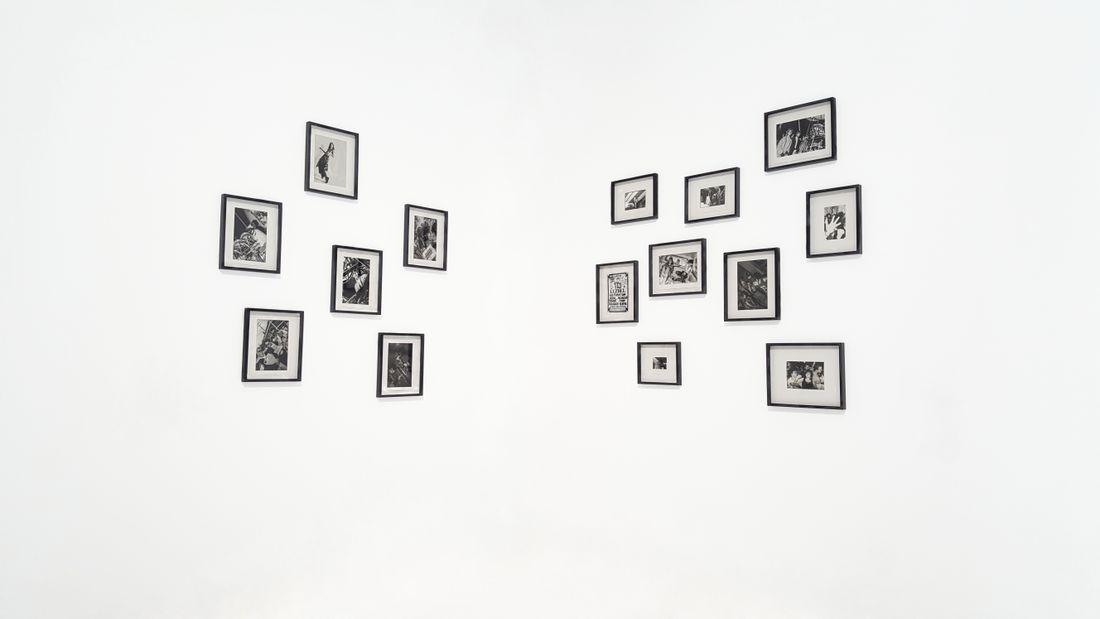
A gallery's artist roster page is the one place every artist on the program appears together, and it is almost never built in a single sitting. It gets assembled one artist at a time, across years, in whatever room and light happened to be available that week, and the mismatch that results reads to a visitor as disorganization, not variety.
Roster inconsistency usually comes down to background, crop, colour temperature, formality, and era stacking up across years of separate sittings. A workable house standard governs treatment rather than the artist's presentation, and it can absorb one new portrait at a time without forcing a reshoot of everyone already on the page.
What actually makes a roster page look inconsistent?
A roster page usually looks inconsistent because five things tend to stack at once, and they are mismatched backgrounds, different crop distances, shifting colour temperature between shoots, uneven formality from one artist to the next, and portraits shot years apart in visibly different photographic eras. Viewers notice colour temperature and crop first, before they consciously register anything else.
Background is the second thing most people notice, even without naming it. A plain grey seam beside a sunlit studio wall beside a cropped gallery corner reads as three separate decisions rather than one considered choice, and that reading happens before anyone has looked closely at a single face.
Formality is quieter and slower to register, but it still shapes the overall impression. A page mixing a suited three quarter pose with a paint splattered candid can look like a deliberate range of personalities, or it can look like nobody agreed on what the page was for. The difference usually comes down to whether the mix reads as intentional or accidental, which is a curation question as much as a photography one.
Era shows up last but lingers longest. A portrait shot on an older camera, in older clothes, with an older haircut, dates itself the moment a newer photo sits beside it, even when nothing about the original image was wrong on its own terms. None of this points to one careless sitting. It is the predictable result of building a group page one artist at a time, across years, without a written standard anyone was checking new portraits against.
How does a gallery actually decide on a house standard?
A house standard gets decided by looking at every portrait currently on the roster page, sorting out which ones already work together, and writing down the handful of shared traits those images have in common, rather than starting from an abstract idea of what a portrait should look like. The existing page is the best reference the gallery already owns.
In practice, this means picking three or four traits that recur across the strongest existing images, a similar background tone, a similar crop, a similar light quality, and treating those as the standard going forward. It is far easier to match new portraits to something that already exists on the page than to invent a new look and retrofit the whole roster to it.
The real tension arrives quickly. A standard tight enough to look coherent from across the room can also flatten artists who look nothing alike, work in nothing alike, and would rather not be visually matched to each other at all. A sculptor and a painter and a printmaker are different people with different presences, and a standard built only for visual uniformity can quietly erase that.
The workable compromise treats the standard as a loose frame, not a rigid template. It fixes enough that the page reads as one considered set, while leaving enough room that each artist still looks like themselves rather than a variation on the same photograph.

Should the standard govern the treatment or the person?
A standard that governs treatment, meaning crop, background, and colour tone, is the safer lever than one that governs how the artist presents themselves, meaning wardrobe, pose, or expression. Treatment can be matched consistently by any photographer working from a brief. Presentation asks each artist to perform a version of themselves, which is a much harder thing to standardize fairly.
Treatment rules are simple to write down and simple to hand to a new photographer years later. A fixed camera distance, a consistent background tone, a matching colour temperature, and a similar depth of field will make a page look unified even when the people in it are dressed completely differently and standing in completely different postures.
Presentation rules run into trouble fast. Asking every artist to wear similar clothing, hold a similar pose, or produce a similar expression treats a group of individual practitioners like a uniformed staff, and it tends to read as exactly that on the page. It can also feel uncomfortable to ask for directly, since it edges into telling someone how to look rather than how they will be photographed.
The practical rule is to write the standard entirely in terms a photographer controls, not in terms the artist has to change about themselves. That keeps the page coherent without asking anyone to become a different version of who they already are in front of a lens.
How do you add one new artist without reshooting everyone?
Adding one new artist to an existing roster works by matching the new portrait to the written treatment standard rather than to any single existing photo, then checking the result against the page as a whole before it goes live. A brief written from the standard travels well even to a photographer who never shot the earlier portraits.
The brief should specify the concrete, repeatable parts, the camera distance, the background tone or type, the light quality, and roughly where the subject sits in the frame. Anything more specific than that risks chasing one particular older photo instead of the standard behind it, which becomes harder to sustain the further the page gets from that original image.
Once the new portrait is shot, the useful test is placing it directly next to its neighbors on the actual page layout, not viewing it alone. A single image can look correct in isolation and still clash once it sits beside the others, because roster consistency is a relationship between images, not a property any one photo has on its own.
This approach means a gallery never needs to wait for a full reshoot to bring someone new into a properly consistent set. One artist, one sitting, matched to the standard, is enough to extend the page without disturbing anything already working on it. Over several years, this is how most roster pages actually grow into their final shape.
When is a full roster reshoot actually necessary?
A full roster reshoot is genuinely warranted when the page has drifted so far across so many eras that no single written standard could describe it honestly anymore, or when the gallery itself has changed enough, a rebrand, a new space, a new identity, that the old portraits no longer represent what the gallery is now.
Anything short of that is usually a smaller fix, not a full production. The clearest sign a full reshoot is justified is when more than half the roster would need to change under any reasonable standard, at which point matching new portraits to old ones stops being practical and starts being a losing chase. At that scale, one coordinated project is more efficient than years of one off sittings trying to catch up.
The clearest sign it is vanity rather than necessity is wanting every portrait to look freshly shot at the same moment, when the existing images are actually fine on their own terms and simply differ in small, tolerable ways. A slightly older photo sitting reasonably well beside a newer one is not a problem that needs solving with a full production day.
Between those two extremes sits most real situations, where a handful of portraits genuinely need updating and the rest just need a shared standard applied going forward. That middle path is usually both the more affordable and the more honest choice.

What about the artist who won't give up their old portrait?
An artist who already has a portrait they like and does not want to replace it should generally be allowed to keep it, with the gallery quietly adjusting crop, tone, or framing where possible to bring it closer to the shared standard without a new sitting.
Forcing a reshoot on someone who is happy with their existing image tends to cost more goodwill than it buys in consistency. Small technical adjustments can close a surprising amount of the gap. A colour correction pass, a slight recrop, or placing the image inside a consistent frame or border on the page itself can bring an older photo much closer to the standard without touching the actual photograph the artist approved.
The opposite case, an artist whose existing image is genuinely unusable, low resolution, badly lit, visibly outdated in a way that undersells them, calls for a direct and kind conversation rather than a quiet swap. Explaining that the page is being brought up to a shared standard, and that their current image cannot meet it technically, tends to land better than simply replacing it without warning.
Both situations are really the same underlying judgment call, weighing an artist's comfort against the page's coherence, and erring toward comfort whenever the technical gap is small enough to live with. A gallery that defaults to comfort in borderline cases rarely regrets it, since a roster page still works even with a small amount of visible variation across it.
Is it better to batch a few sittings a year or shoot the whole roster in one day?
Batching a handful of sittings across the year is usually more practical than a single all day roster shoot, because it matches how galleries actually operate, artists have different schedules, some are traveling, some are mid install, and a single mandatory day rarely finds everyone available or in a state to be photographed well.
A big single day production has real appeal on paper. Everyone shot under the same light, on the same equipment, in the same week, produces a page with almost no visible drift between images. But coordinating that many schedules is genuinely difficult, and the pressure of a fixed day tends to produce rushed portraits for whoever is squeezed into the last available slot.
Batching a few sittings a year spreads that same coordination problem into something manageable. Two or three artists at a time, scheduled around whatever else is already happening, whether a studio visit, a documentation day, or an opening, keeps the standard moving forward steadily instead of demanding one disruptive event.
The tradeoff is time. A batched approach takes longer to bring the whole roster into alignment than a single production day would. Most galleries find that tradeoff worth making, since a page that improves steadily over a year still looks far more considered than one that never gets updated at all while waiting for a perfect single day to happen.
What should a gallery keep on file so the standard survives staff turnover?
A gallery should keep a short written brief describing the treatment standard, camera distance, background tone, and framing, along with a small set of reference images that exemplify it, filed somewhere any future staff member or photographer can find without having to ask around. Standards that live only in one person's memory disappear the moment that person leaves.
The written brief matters more than it might seem, because most roster drift traces back to a standard that was never documented in the first place, only understood informally by whoever happened to be commissioning portraits at the time. Once that person moves on, the next hire has nothing concrete to match against and quietly starts a new visual direction without meaning to.
A handful of labeled reference images, the two or three portraits that best represent the standard, are worth more than a long written description on their own. A new photographer can look at them and understand the target in seconds, in a way that paragraphs of description rarely achieve as quickly or as reliably.
Filing this alongside other standing gallery references, a style guide, a brand document, an onboarding folder, keeps it from getting lost in an inbox. The goal is simple. Anyone joining the gallery years from now should be able to find the standard and apply it without needing to ask the person who first set it.
Frequently asked questions
How many traits should a roster portrait standard actually cover?
Three or four traits are usually enough, typically camera distance, background tone, and colour temperature, matched consistently across every new sitting. Covering more than that starts dictating things like wardrobe or pose, which shifts the standard from governing treatment to governing the artist's presentation, a much harder thing to apply fairly across a group of people who work and look nothing alike. A photographer working from that short list rarely needs anything else.
Can a gallery mix black and white and colour portraits on the same roster page?
It can, as long as the split follows a clear rule rather than looking accidental, for example every portrait shot in the same era or style sharing the same treatment. A page that alternates unpredictably between black and white and colour without any visible logic reads as disorganized, even if each individual portrait looks strong on its own. The rule matters more than the palette choice itself.
Does every artist on the roster need to be photographed by the same photographer?
No. What matters is that whoever shoots the portrait works from the same written treatment standard, not that one person personally shoots every image. A clear brief covering distance, background, and tone travels well between photographers, which is exactly what makes it possible to add one artist at a time without commissioning the entire roster from a single source, spread across different sittings over several years.
What is the fastest way to check if a new portrait actually matches the existing set?
Place it directly on the actual roster page layout next to its neighbors rather than judging it alone. A portrait can look correct in isolation and still clash once seen beside the others, because consistency is a relationship between images on the page, not a quality any single photograph carries by itself. This quick visual check catches mismatches that a written brief alone cannot predict, and it takes only a few minutes before a new portrait goes live.
Should older, slightly mismatched portraits just be left alone if nobody has complained?
In many cases, yes. A page with a few older photos sitting reasonably well beside newer ones is a minor cosmetic difference, not a problem requiring a reshoot. The better use of time is usually applying a shared standard to new additions going forward, rather than treating small historical variation as something urgent to correct. Most visitors read a roster page for who is on it, not for pixel-level consistency between every frame.
A portrait that's aged doesn't always need a full reshoot.
We'll look at what you have and tell you honestly whether a refresh session covers it or the work calls for a new concept.
Explore portrait sessions →