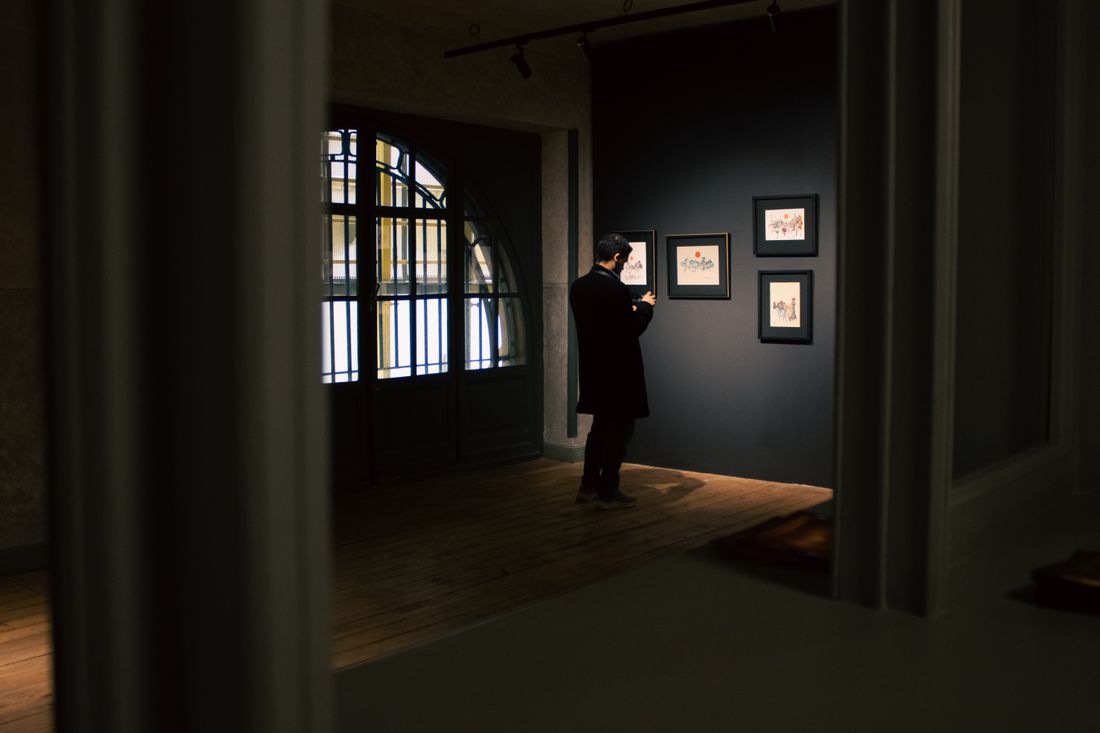
Every artist a gallery signs is, quietly, a portrait decision too, and most galleries never write down when that decision has to get made. The image ends up on the roster page, in the press kit, and sometimes on the opening invitation, so waiting until show week to think about it turns a calm task into a rushed one. Tying the request to the signing itself, rather than the exhibition date, is the simplest fix most galleries have not tried yet.
Most galleries commission a new artist's portrait somewhere between the signing and the first show, but rarely with a fixed rule for when. Tying the request to the signed agreement, rather than the exhibition date, gives the most scheduling room and keeps the portrait from competing with installation and framing deadlines during the final, busiest week before an opening.
Why a Roster Addition Is the Natural Trigger for a Portrait
A new artist joining a gallery's roster is the moment a portrait decision should get made, because that same image ends up doing double duty across a signing announcement, an artist page, and opening night materials. Treating the portrait as an afterthought to the show date, rather than part of the signing itself, creates the scramble later.
Most galleries already treat a roster addition as an administrative event. There is a signing conversation, a bio to draft, a website page to build, and usually a first show already penciled in. A portrait fits naturally into that same list, yet it rarely gets added to it on purpose. It tends to surface later, closer to the opening, when someone realizes the artist page still has no photo or the press release has nothing to attach.
The reason this matters is not aesthetic. It is timing. A portrait made calmly, in the weeks after a signing, can be planned around the artist's schedule, the gallery's calendar, and whatever look the roster page is already using. A portrait squeezed in during opening week competes with installation, framing, and a dozen other deadlines that all outrank it. Treating the roster addition itself, not the show date, as the trigger is what keeps the portrait from becoming the thing nobody had time for, and it is a small enough shift that most galleries can start applying it to the very next artist they sign.
Why Most Galleries Never Write Down When the Portrait Has to Happen
Most galleries never write down when a new artist's portrait needs to happen, which is exactly why the timing ends up inconsistent from artist to artist. One roster addition gets a portrait within a month of signing. The next waits until a week before the opening, or never gets one at all until a press request forces the question.
This is not usually a failure of care. Smaller galleries and university or nonprofit spaces are often running lean, and a portrait is one of many small production tasks competing for the same limited attention as framing, shipping, and install schedules. Without an explicit rule attached to a concrete trigger, like the signing date or the announcement post, the portrait becomes something that happens if someone remembers, rather than something built into the roster process itself.
The inconsistency shows up in small but visible ways. A roster page with a mix of professional portraits and older phone photos reads as unfinished, even when every artist on it is doing serious work. A press outlet asking for a headshot on short notice gets whatever image already exists, polished or not. None of this is a crisis on its own. It is a series of small gaps that a single internal rule, tied to a specific moment rather than a vague intention, would close without adding real work to anyone's plate, and without requiring a new policy document that nobody has time to write.
What "Before the First Show" Actually Protects
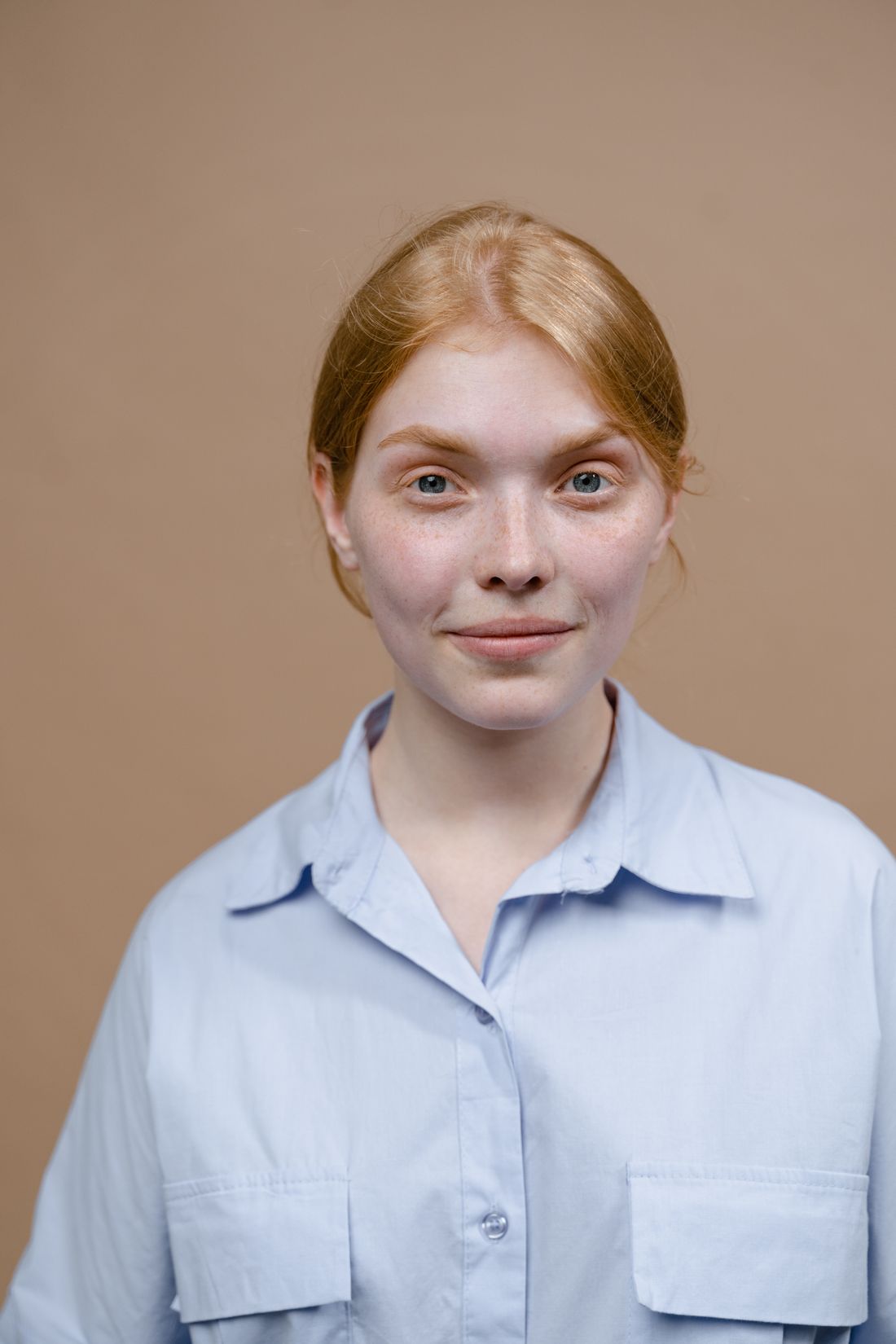
"Before the first show" protects the artist's first public appearance on the roster, the moment the widest audience sees their name attached to the gallery for the first time. That includes the opening night invitation, the press release, the show page, and anyone who searches the artist's name after hearing about the exhibition.
An opening is usually the first time an artist's presence on a roster gets tested in public. Invitations go out with a name and, often, an image attached. A local write-up or listing may pull whatever photo is easiest to find. Guests at the opening itself may be meeting the artist for the first time, and a consistent portrait already circulating gives that meeting a visual anchor it would not otherwise have. None of this requires the portrait to be dramatic or elaborate. It just needs to exist and to look considered, in the same way the rest of the show materials do.
Missing this window does not sink a show. Many strong openings happen without a fresh portrait ready in time, and the work itself is always the real draw. What galleries lose by missing it is smaller and quieter: a slightly less finished first impression, a press kit with a gap in it, an artist page that still says "photo coming soon" on the night people are actually looking at it. Having the portrait ready before the show removes that one small loose end from an otherwise full week.
Who Usually Initiates the Portrait Request
The request for a new artist's portrait typically comes from whoever owns the roster page or the press materials, most often a gallery director, a communications or marketing staffer, or, at smaller galleries, the same person handling everything else. Who initiates it shapes how early it happens and how much lead time the artist actually gets.
At larger institutions, a marketing or communications role often owns this task as part of onboarding a new artist, which tends to put the portrait request earlier, closer to the signing than the show. At smaller commercial galleries and nonprofit or university spaces, the same person handling the signing, the framing, and the install is also the one who eventually remembers a portrait is needed, and that often pushes the request later simply because there are fewer hands to spread the work across.
Sometimes the artist raises it first, especially an artist who already understands that a professional image will circulate across a press kit, a personal website, and future opportunities well beyond this one gallery. That instinct is a useful one. An artist who asks early, rather than waiting to be asked, usually ends up with more say over how the image gets used and more time to schedule it around a calendar that is about to get busy in every other direction. Either way, naming one owner for the request, rather than assuming someone else will raise it, is what actually gets it scheduled.
What Happens When There Is No Rule to Follow
Without a clear trigger for when a portrait needs to happen, the request tends to surface during the busiest week of the process, right before the opening, when scheduling anything new competes with installation, framing, and a dozen other deadlines. That timing pressure is what leads to rushed sessions, borrowed phone photos, or portraits that never get made at all.
A portrait squeezed into opening week is rarely anyone's best version of the image. The artist may be mid-install, dressed for handling artwork rather than for a photograph, and mentally elsewhere entirely. A session booked under that kind of time pressure can still turn out fine, but it removes any room for a second attempt if the light, the location, or the artist's energy on the day does not cooperate the way everyone hoped it would.
The more common outcome, in practice, is that the portrait gets skipped this cycle and patched with whatever image already exists: an old photo from a previous gallery, a casual snapshot, sometimes nothing at all next to the artist's name on the page. None of this reflects on the artist's work. It reflects on a production step that had no assigned owner and no assigned deadline. A gallery that ties the portrait to the signing date, rather than the show date, removes this failure mode almost entirely, simply by giving the task room to happen before the calendar gets crowded.
What Consistency Across a Roster's Portraits Actually Buys a Gallery
A roster page where every artist's portrait shares a similar look, lighting, and framing reads as a single, considered program rather than a collection of whatever photos happened to be on hand. That consistency is one of the simplest ways a gallery's roster page communicates that it takes its artists seriously as a group, not just individually.
Consistency does not mean identical poses or a rigid formula. It means a shared visual logic: similar tone, similar level of polish, similar sense of where the artist is standing and how the frame treats them. A roster where one portrait is a bright, professional three-quarter shot and the next is a grainy phone photo taken at an opening creates a visible gap that has nothing to do with either artist's work and everything to do with production inconsistency, one a visitor to the page notices even if they could not say exactly why.
This is where a written trigger for commissioning portraits pays off beyond any single artist. A gallery that portraits every new signee around the same point in the process, rather than catching up unevenly across the roster, ends up with a page that ages well and keeps looking coherent as artists are added over time. It also makes each new portrait faster to plan, because there is already an established look to match rather than a decision to make from scratch every time a new artist joins.
How to Set a Simple Internal Rule for When to Commission One
The simplest fix is tying the portrait request to a specific administrative moment already in the gallery's process, most commonly the signed artist agreement or the confirmed show date, rather than a vague intention to get to eventually. A concrete trigger turns an easy-to-forget task into a routine step nobody has to remember on their own.
The signed agreement is usually the earlier and more reliable trigger of the two, because it exists before a show calendar gets crowded and gives the most lead time for scheduling around the artist's availability. Some galleries prefer tying the portrait to the confirmed show date instead, particularly when representation and exhibition are handled as separate steps. Either works, as long as it is the same trigger every time, applied the same way to every artist joining the roster, rather than decided fresh for each individual signing.
Writing this down does not need to be formal. A single line added to whatever onboarding checklist or show-planning document a gallery already uses, naming the trigger and a rough window such as within a set number of weeks of that trigger, is usually enough to close the gap entirely. The goal is not a new policy document. It is removing the moment where someone has to remember on their own that a portrait needs booking, by giving that memory a fixed, recurring place to live instead.
What the Portrait Itself Needs to Account For
Once the timing question is settled, the portrait itself needs to account for how it will actually be used, because a single image rarely serves a press kit, a roster page, and a print catalog equally well without planning. Orientation, background, and how tightly the artist is framed all depend on where the image is going.
A press kit and a website roster page often want slightly different things from the same session. Press coverage tends to favor a cleaner, more neutral background that reproduces well in a range of layouts and publications. A roster page has more room to reflect the gallery's own visual identity, matching whatever look the rest of the artist pages already use. Planning for both inside one session, rather than assuming one image will cover every use, is a simple way to avoid a second booking later, once the first real request for a different crop or format arrives.
These decisions, styling, background, how formal or relaxed the portrait should feel, are usually a conversation between the gallery and the artist rather than something either party settles alone. A gallery that has already thought through consistency across its roster brings a clearer starting point to that conversation, which tends to make the actual planning quicker and the artist more confident about what to expect on the day. Naming the intended use out loud before the session, rather than after the files are delivered, is what keeps a single portrait from falling short of any one of its jobs.
Frequently asked questions
Does every gallery need to commission a portrait before a new artist's first show?
Not as a strict requirement, but most galleries benefit from having one ready. The portrait ends up on the artist page, in press materials, and sometimes on the opening invitation, so having it before the show fills a gap that would otherwise show up publicly during the exhibition's busiest week, when there is the least time and attention available to fix it properly, and the fewest hands free to help.
When during the lead-up to a show should the portrait actually be scheduled?
The best window is shortly after the artist signs, not shortly before the show opens. Tying the request to the signed agreement, rather than the exhibition date, gives everyone more scheduling room and avoids competing with installation, framing, and shipping deadlines that all crowd the calendar in the final week before an opening, when nobody on staff has spare time to add a new session to the list.
Who usually decides that a new artist's portrait needs to happen?
It is usually whoever owns the roster page or press materials: a gallery director, a communications staffer, or, at smaller galleries, the same person handling the signing itself. Sometimes the artist raises it first, especially one who understands how widely a portrait will circulate. What matters more than who decides is that someone is named as the owner, so the task does not quietly go unassigned between the signing and the show.
What if the artist already has a portrait from a previous gallery or their own website?
An existing portrait can sometimes work, depending on its quality and how it was licensed for use elsewhere. Many galleries still prefer a new portrait that matches the current roster's look and lighting, since a mismatched image, however good on its own, tends to stand out against pages built around a consistent visual identity across every artist represented, in a way visitors notice even without knowing exactly why.
Does the portrait session need to happen at the gallery itself?
No. The Lightroom Studio works as a service-area team that comes to wherever the session makes the most sense, the gallery, the artist's own studio, or another location, rather than operating out of a fixed studio space to rent. A gallery interior or a working studio often makes a more natural, telling setting than a rented backdrop would anyway, and it saves everyone an extra trip.
Not sure if you need a refresh or a whole new concept?
We shoot both, and we'll say plainly which one fits your portrait before anything gets booked, not after the invoice.
Explore portrait sessions →