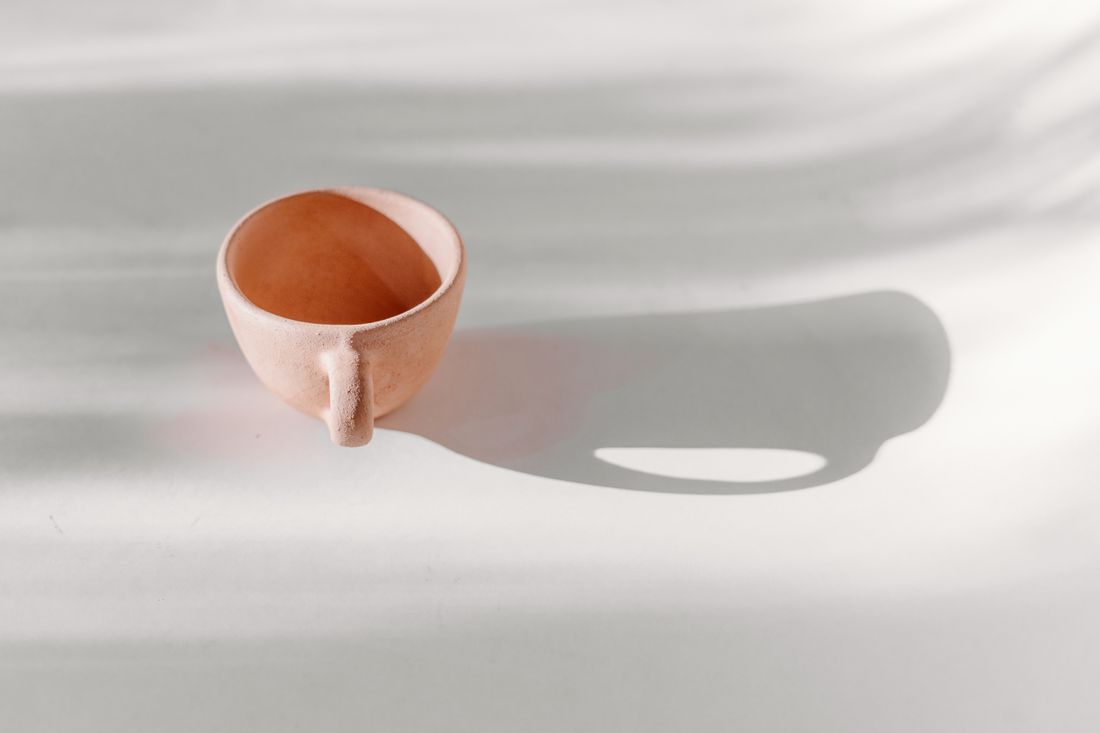
Some work starts changing the day it's finished. Unfired clay, ice, cut flowers, wax, latex, raw pigment, tape, chocolate, dust, and curing resin don't hold still for a calendar the way a painting does, and once the piece shifts or is gone, there's no returning to shoot it again. For work like this, the photograph isn't a record made alongside the piece. It becomes the only permanent version of it.
Impermanent material sets its own shoot date, not the calendar. We read how fast a piece is likely to change, schedule against that window instead of a fixed booking cycle, shoot it in place to avoid the risk of moving it, and record dimensions, materials, duration, and condition in the file, since the object itself won't be around to check later.
How do you read a material's decay clock before booking a shoot?
Reading a material's decay clock means knowing roughly how long it holds its intended state before it changes on its own, then working backward from that window to set the shoot date. Unfired clay, ice, cut flowers, wax, latex, raw pigment, chocolate, and curing resin all move on their own timelines, and none of those timelines wait for a calendar.
The clock starts the moment the material stops being worked and is left alone. Wet clay keeps its edges only while wet. Ice loses its surface the second it leaves the freezer. Cut flowers open, peak, and drop over a span that depends on the flower and the room. Wax softens near warm light. Cut paper yellows slowly enough that a shoot date rarely turns on it, but dust settles and raw pigment shifts if it's disturbed at all.
Before anything gets booked, we ask the artist a plain question: what changes first, and how fast. Not every material decays at the same rate, and not every change is a problem. A little softening might be part of the piece. A collapse is not. A straight answer from the person who made the thing and knows it best is worth more than any general rule about a material category.
That answer sets the whole plan. It decides how far in advance we lock a date, how much buffer we build in, and whether the shoot happens in a single pass or a short sequence. A slow, forgiving clock gets scheduled like any other job. A fast one gets treated as the deadline it actually is.
Are "finished" and "ready to photograph" the same moment?
Finished and ready to photograph are sometimes the same moment and sometimes two different ones, and the difference depends on the material. A painting can sit finished for years before a camera points at it. A wax piece, a batch of ice, or a floral arrangement may only be ready for a narrow stretch right after it's finished, or before it's fully finished at all.
For a lot of durable work, finished is a stable state the artist reaches and then holds. The piece dries, cures, or simply sits, and the documentation can happen whenever it's convenient. For impermanent material, finished can be the start of a countdown rather than a resting point. A piece made from ice is arguably most finished the instant it's built, and every minute after that is a departure from it.
That means the artist's sense of when a piece is done and our sense of when it's photographable don't automatically line up. Some materials look most resolved slightly before the artist would call them complete, while the last adjustments are still settling. Others look best a short while after completion, once a bloom clears or a surface sets. Neither answer is fixed, and neither is wrong, but it has to be worked out on purpose instead of assumed.
In practice, we ask about this early, before a date gets picked. Knowing whether the record needs to happen at the exact instant of completion, or whether there's a workable window after it, changes how tightly the shoot has to be timed and how much flexibility the schedule can actually hold.
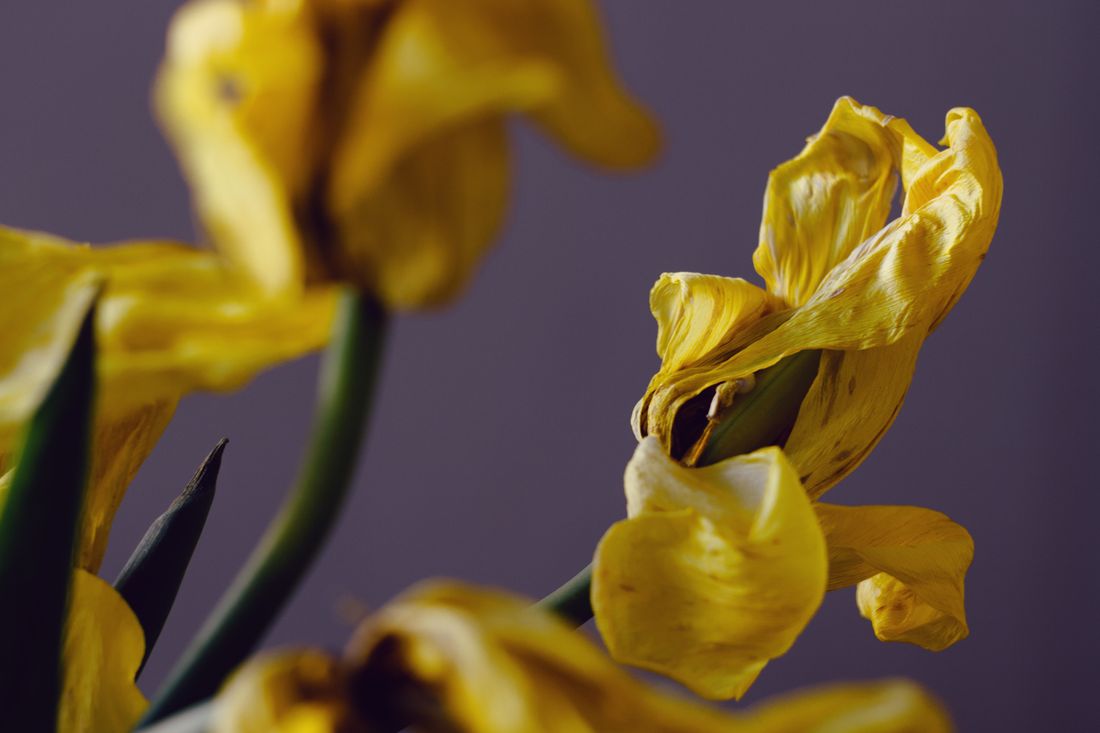
How do you schedule a shoot against a cure, bloom, wilt, or collapse window instead of a calendar?
Scheduling against a material's own window means picking the shoot date from the material's behavior first and fitting everyone else's availability around it, rather than picking a convenient date and hoping the material cooperates. The material doesn't know what week works for the crew, and it won't wait for one.
The starting point is the same question from earlier: what changes first, and roughly when. From there, the shoot gets planned like any deadline with a hard edge on one side. We build in a target window rather than a single point, because most decay isn't instant, it's a curve, and there's usually a stretch where the piece still reads as intended before it visibly shifts. The goal is landing inside that stretch, not at its very first second.
Curing resin, drying clay, and setting wax tend to give a longer, more forgiving window than a wilting flower or melting ice, which can move faster than a normal booking cycle allows. For the fast movers, the shoot sometimes gets confirmed on short notice once the artist signals the piece has reached the right point, rather than locked weeks ahead on a fixed date.
This changes how we talk about availability. Instead of offering a date and asking the artist to have the work ready by then, we ask the artist to tell us when the material will be ready, and we build the shoot around that answer. It's a smaller shift in process than it sounds, but it puts the decision where it actually belongs, with the person who understands how the material behaves.
Should the record show one intended state, or the piece changing over time?
Whether the record should show one intended state or a sequence of states depends on what the artist considers the work: a single resolved moment, or the process of change itself. Both are valid answers, and they lead to genuinely different shoots, so this gets settled with the artist before the shoot, not decided by default on the day.
A single-state record treats the piece the way most documentation treats any finished object: one clear, accurate account of what it looked like at its best or most complete point. That's usually the right call when the artist built toward a specific look and the decay afterward is simply the piece ending, not part of its meaning.
A sequence record treats change as content rather than as a problem to avoid. Ice melting, a flower opening and dropping, wax slumping under warmth, these can be the actual subject, and a single frame would flatten that into something the piece was never meant to be. In that case, the plan needs multiple passes at set intervals, not one visit.
The two approaches ask for different scheduling, different shot counts, and sometimes different equipment, so this decision shapes the whole plan rather than sitting at the edges of it. We ask directly: is the goal one true picture of this piece, or a record of what it does over time. Getting a clear answer early keeps the shoot from trying to do both jobs halfway and doing neither one well.
If the material keeps changing, which state actually counts as "the work"?
Which state counts as the work is the artist's call, not the photographer's, and it deserves a direct answer rather than an assumption. Some artists mean the piece at its freshest, most controlled moment. Others mean it mid-change, or even at the point of visible decline, because the changing is the point.
This question matters because the honest answer isn't always the flattering one. A piece photographed only at its best moment can misrepresent work that was actually about decay, disappearance, or instability. A piece photographed only as it falls apart can misrepresent work that was meant to read as whole and resolved. Neither error is really about the photography. It's about not asking the question first.
We treat this as a short, specific conversation rather than a form to fill out. What did you intend people to see. Is there a moment you'd point to and say, that's it, that's the piece. If the answer changes depending on when someone encounters the work in person, does the documentation need to reflect that range, or is one state still the truer account.
Once that's settled, the caption and condition notes carry the rest of the honesty. A file that says plainly what state the piece was in, and when, protects the work from being read as something it wasn't. That record becomes the only account most future viewers will ever have, so getting the state right matters as much as getting the exposure right.
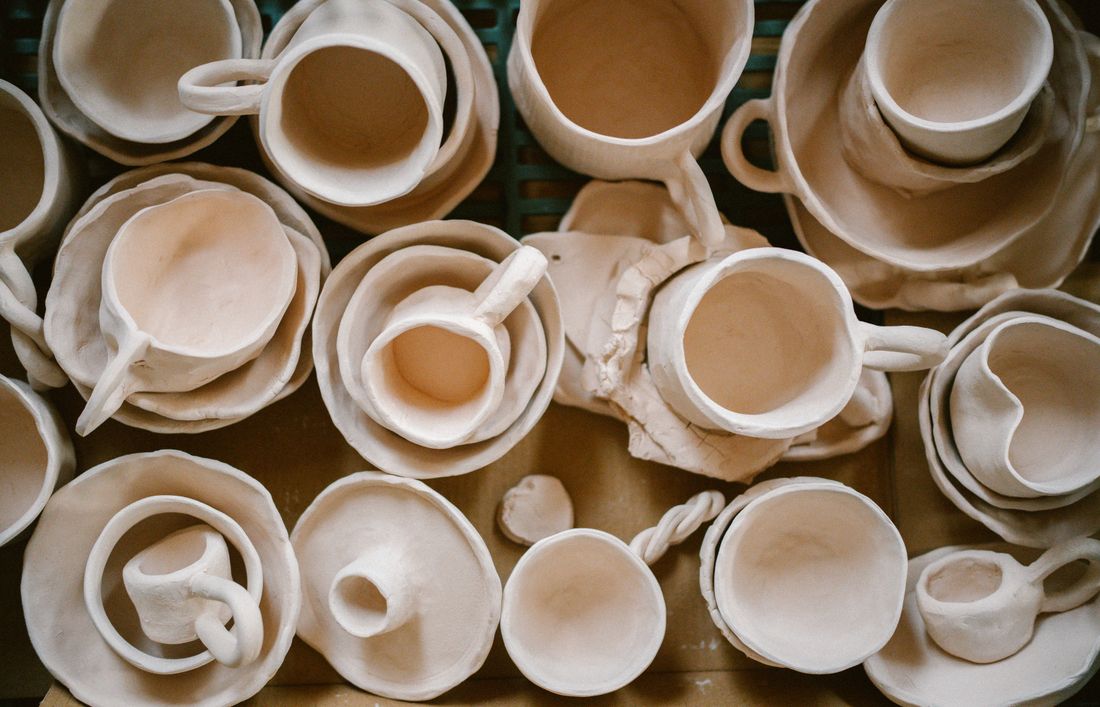
What physical risks come up on set with unstable or fragile materials?
Physical risk on a set with unstable material usually comes from three places: heat from continuous lights speeding up a material's own clock, handling that leaves permanent marks on a piece that can't be repositioned twice, and the simple fact that some objects genuinely cannot be moved without damaging or ending them.
Continuous lighting throws real heat, and materials like wax, ice, and some resins respond to that heat directly. A light placed too close, or left on too long between frames, can visibly change the piece while it's being photographed, which defeats the purpose of documenting it accurately. We favor shorter bursts of light, more distance, or diffusion where the material calls for it, and we watch the piece itself during the shoot rather than trusting a lighting plan made in advance.
Handling is its own risk. A fingerprint in wet clay, a bent petal, a smudge in raw pigment, these marks are permanent the moment they happen, and they become part of the record whether they were intended or not. That means fewer adjustments, more deliberate moves, and sometimes styling the piece from a distance with a tool instead of a hand.
Some pieces simply stay where they are. A collapsing or curing form that can't be lifted, turned, or repositioned without ending its current state gets photographed in place, from whatever angles that position allows, rather than moved for a better one. Protecting the object always outranks getting the easiest shot.
Why does this work usually get photographed where it stands, rather than in a studio?
Impermanent work usually gets photographed where it stands because moving it costs time the material doesn't have, and because transport itself can be the thing that damages or changes it. A studio offers better control over light and background, but that control isn't worth much if the piece doesn't survive the trip, or arrives already different from what the artist made.
Wet clay can shift shape in transit. Ice melts faster the moment it leaves a controlled environment. Flowers bruise in a car. Wax picks up fingerprints and dents from padding meant to protect it. For a lot of impermanent material, the studio's advantages in lighting and backdrop are outweighed by the simple risk of handling and travel time eating into an already short window.
Shooting on location instead means bringing a smaller, more mobile setup to the piece: portable lighting, a simple background where one is needed, and equipment that can be assembled quickly once the material signals it's ready. That trade favors speed and minimal handling over the more controlled environment a studio can offer.
It also means working with whatever the space actually gives us: a kitchen counter, a studio floor, a walk-in cooler, a table under a window. Part of the planning conversation before the shoot is simply seeing the space in advance when possible, so the setup can be adapted to the room rather than assuming the room will adapt to a standard setup that was built for something more durable.
What does the file need to record when the object itself won't survive to be measured again?
When the object won't survive to be re-measured, the file has to carry everything a future viewer or researcher would otherwise get by examining the piece directly: dimensions, materials, the date and duration of the piece's existence, and condition notes describing exactly what state it was in at the moment of capture.
Dimensions matter more here than on durable work, because there's no going back to remeasure a melted or wilted piece later. Recording size accurately at the time of the shoot, ideally with a scale reference in at least one frame, is the only chance to get that number right. The same goes for materials: a plain, accurate list of what the piece was made from, since guessing later isn't an option once the material is gone.
Duration is its own category worth recording deliberately: how long the piece existed in its intended form, from completion to the point it changed or was struck. That detail explains the work to anyone encountering it later only as a photograph, and it's information that exists nowhere else once the piece is gone.
- Dimensions, with a scale reference where possible
- Materials, plainly listed
- Date completed and duration in its intended state
- Condition at the moment of capture, described specifically
Condition notes close the loop: a short, specific account of exactly what the piece looked like at the moment the shutter went off, not a general description of the material category. That note is what keeps the photograph from being mistaken for more certainty than it actually offers.
Frequently asked questions
How far in advance can a shoot for impermanent material actually be booked?
It depends on the material's clock. Slower materials like curing resin or drying clay usually allow normal advance booking with a defined window to work inside. Fast movers like ice or cut flowers often need a shorter lead time, sometimes confirmed only once the artist signals the piece has reached the right point, rather than locked weeks ahead on a fixed calendar date the material may not respect.
What happens if the material changes faster than expected during the shoot itself?
We photograph what's actually in front of us and note the condition honestly rather than treating the original plan as fixed. If a piece shifts mid-shoot, that becomes part of the record: which frames show the earlier state and which show the later one. The goal is an accurate account of what happened, not a forced match to an outline written before the material started moving.
Can a piece be photographed more than once as it changes, instead of just at one moment?
Yes, when the artist wants the record to show change rather than a single resolved state. That means planning multiple passes at set intervals instead of one visit, which changes the schedule, the shot count, and sometimes the equipment. This gets decided with the artist before the shoot, since it shapes the whole plan rather than something added on afterward once the piece has already started to change.
Do continuous lights actually damage materials like wax or ice during a shoot?
Continuous lighting produces real heat, and heat-sensitive materials like wax, ice, and some resins can respond to it visibly while being photographed. We manage this with shorter bursts of light, more working distance, and diffusion where the material calls for it, watching the piece itself closely throughout the shoot rather than relying only on a lighting plan that was set up in advance and never rechecked.
Why does the file need condition notes if the photographs already show what the piece looked like?
A photograph shows one angle at one instant, but it can't confirm scale, material, or exactly how far along the piece was in its own timeline. Condition notes fill in what the image alone can't: dimensions, materials, and a specific account of the piece's state at the moment of capture. Once the object is gone, that written record is the only way to remove doubt about what the photograph is actually showing.
Make sure your archive means something when someone asks for proof.
We photograph the work the way an insurer or gallery registrar wants it documented, straight views, correct color, and condition callouts you can actually point to later.
Explore artwork documentation →