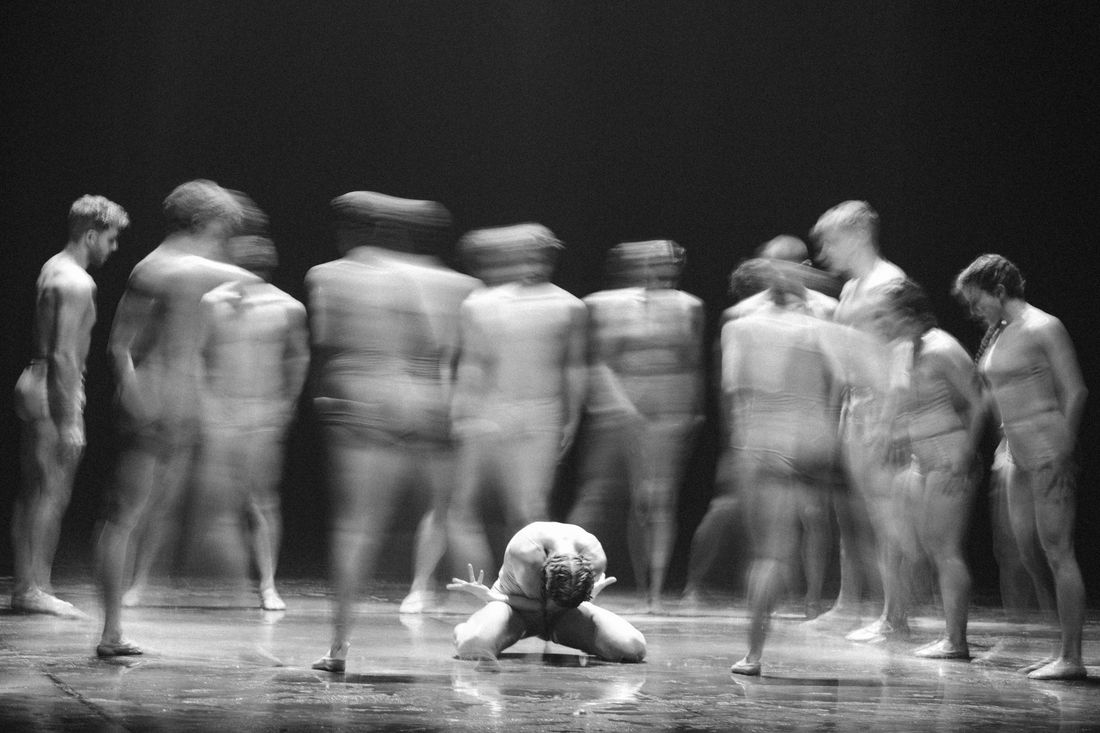
Most photography and video work gets a second chance. A bad angle at a gallery opening gets corrected an hour later. A portrait session that goes flat can be rescheduled. A performance does not offer that. It happens once, in real time, in front of whoever is in the room, and then it is gone. Whatever the camera and the recorder captured during that window is the entire surviving record of the piece, which means the planning has to happen before the first movement, not after something is missed.
A live performance cannot be reshot, so documentation has to be planned before the piece starts: a conversation with the artist about what the work is, fixed positions that stay out of the piece itself, stills and video running together, and a dedicated audio track, since the performance leaves nothing behind once it ends.
Why Does Performance Documentation Get Only One Shot?
A performance ends when it ends. Unlike a portrait session, a product shoot, or even most event coverage, there is no returning tomorrow to reshoot a missed frame. The piece existed once, in that room, and whatever the camera and recorder caught during that window is the entire surviving record of it.
Compare this to other coverage we do. An artist talk has a Q&A segment that can absorb a bad angle or a missed reaction, because the ideas carry the piece more than any single frame does. A gallery opening runs two or three hours and rewards patience: if the light near one painting is bad at seven, it is often better by eight. A performance rarely offers that kind of grace. If the artist performs once, or performs a piece that cannot be repeated the same way twice, the whole chance to document it is exactly as long as the piece itself.
That changes the job before the piece even starts. Instead of arriving and reacting the way we might at a reception or a talk, we treat a performance closer to a single irreplaceable take on a film set: nearly everything gets decided in advance, because there is no take two if the plan turns out wrong. The pressure is not dramatic. It is just constant, from the first movement to the last, in a way that a longer or repeatable event does not create. Knowing that going in shapes every other decision described below, from where we stand to how many recording formats we run at once.
What Should You Ask The Artist Before The Piece Starts?
Before a performance starts, we ask the artist what the piece actually is: its structure, its duration, whether it repeats or builds, which moments are essential versus incidental, and whether contact, stillness, endurance, or audience participation are part of it. That conversation decides where we stand and what the camera protects.
This is different from a shot list for a shoot with a known outcome. A performance artist can usually describe the piece's shape even when the exact movements will vary in the moment, and that shape is what the camera needs to understand. A piece built on repetition looks completely different documented as one continuous take versus a handful of stills pulled from different points, and getting that choice wrong undersells the exact quality that made the piece worth documenting. A piece built around a single sustained gesture needs the opposite instinct: fewer frames, held longer, rather than a rapid sequence that fragments something meant to feel unbroken.
We also ask what not to shoot. Some pieces include a private beat, a moment aimed only at the people physically present, or content the artist does not want circulated the same way as the rest. Naming that boundary in advance, in writing where it matters, means it never gets negotiated mid-performance, when there is no time and no way to undo a frame that already exists. The artist's own read of the piece's ending matters too, since a documentation record that misses the actual close of the work is missing the one moment nobody can restage.
Where Can A Photographer Stand Without Becoming Part Of The Piece?
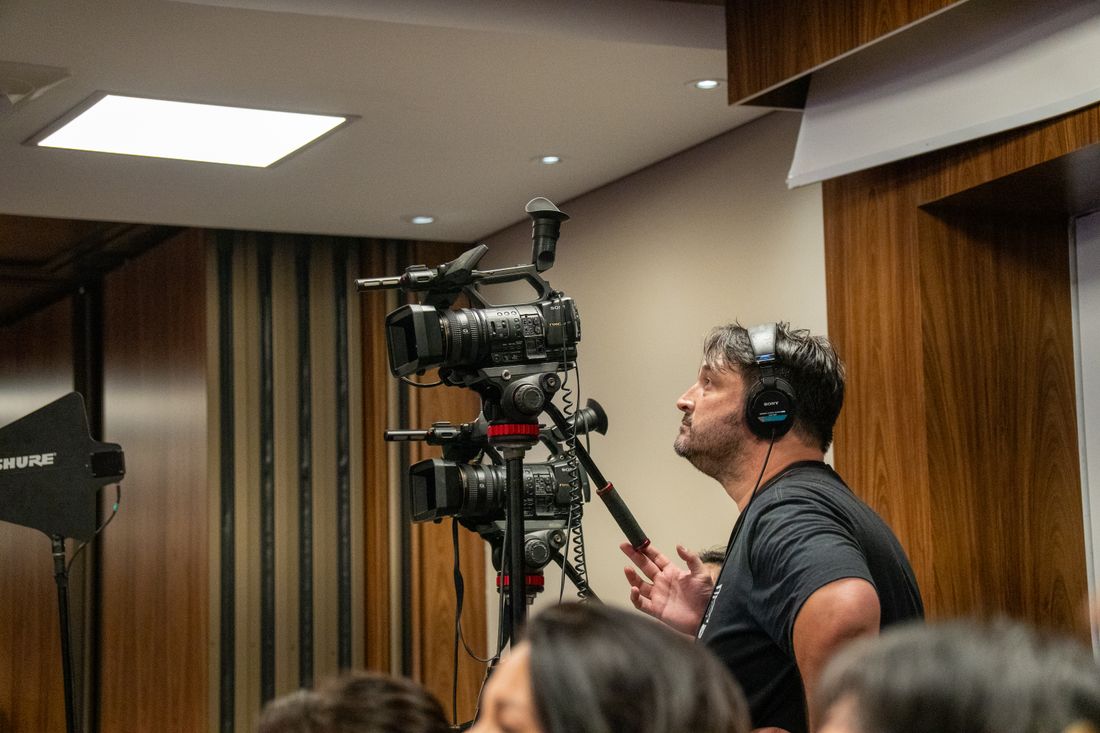
Physical positioning for performance documentation means agreeing on where a photographer can stand without entering the audience's sightline, the artist's path, or the piece's own defined boundary, since many performance works treat their physical space as part of the work itself, not just a backdrop.
Some pieces mark this clearly: a taped line on the floor, a set distance from a designated audience zone, an instruction that no one crosses into the working area. Others leave it unstated, which is worse, because it means the boundary only becomes visible once someone crosses it. Asking the artist directly, before doors open, removes the guesswork: is there a zone the camera cannot enter, a sightline the piece depends on staying clear, a moment where the photographer's own presence would read as joining the work rather than recording it. A camera that wanders into a performer's path does not just get an awkward frame, it changes what the audience actually experienced.
In practice, this usually means picking two or three fixed positions in advance rather than moving freely the way we might at a reception. A position at the edge of the defined space, along a wall, or slightly raised if the room allows it, usually gives a clean line without physically entering the work. Repositioning happens only during the piece's natural pauses, if it has any, never mid-gesture. The goal is a record of what happened, not a record that visibly altered what happened by being in the way of it.
Should Documentation Include Both Stills And Video?
Yes, most performance documentation benefits from running stills and video at the same time, because a single format hedges against a lot: video misses a photograph's exhibitable resolution, and stills alone miss duration, sound, and the gesture between the poses. With no second take, betting on one format is a real risk.
Doing both well usually means two systems, and often two people, running at once rather than one photographer switching back and forth mid-piece. A single shooter alternating between a camera and a video rig tends to lose the in-between moments on both sides of the switch, which is exactly when unrepeatable pieces often do something worth having. When only one person is available, the earlier conversation with the artist about which moments matter most becomes the tiebreaker: if the piece is built around a handful of specific images, stills lead and video runs continuously in the background as a safety net; if the piece is built on duration and change over time, video leads and stills get pulled at chosen intervals instead of chased in real time.
Neither format substitutes for the other afterward, either. A gallery submission, a grant application, or a press request usually wants a still image. A documentation of the performance itself, including audience reaction and the piece's actual pacing, usually needs the video. Running both from the start means that choice gets made later, with the material in hand, instead of guessed at beforehand and lived with either way.
Why Does Audio Matter As Much As The Image?
Audio matters as much as the image because a performance's spoken text, breath, footsteps, or sound cues are often the only evidence that a moment happened a certain way, and a silent visual record alone can flatten a piece that depended on sound to make sense.
This is a different concern from the equipment question, which our post on what event audio actually requires on site covers in more general terms. Here the question is what audio means for this specific, unrepeatable piece: is sound part of the work itself, incidental to it, or genuinely irrelevant. A piece built around spoken text or a sound score needs a clean audio track treated with the same seriousness as the visual record, recorded close enough to the source to be usable on its own, not just as a guide track buried under room noise. A piece that is entirely physical and silent may need almost none, beyond enough ambient sound to confirm the room's presence.
The mistake to avoid is treating audio as something video automatically captures well enough. A camera's built-in microphone, positioned for a good picture rather than good sound, usually picks up crowd noise, HVAC hum, and distance-muffled voice over whatever mattered. For a piece that cannot be performed again, a dedicated audio recorder running independently of the camera is cheap insurance against losing the one part of the record a picture alone was never going to preserve.
What Changes When A Performance Runs For Hours?
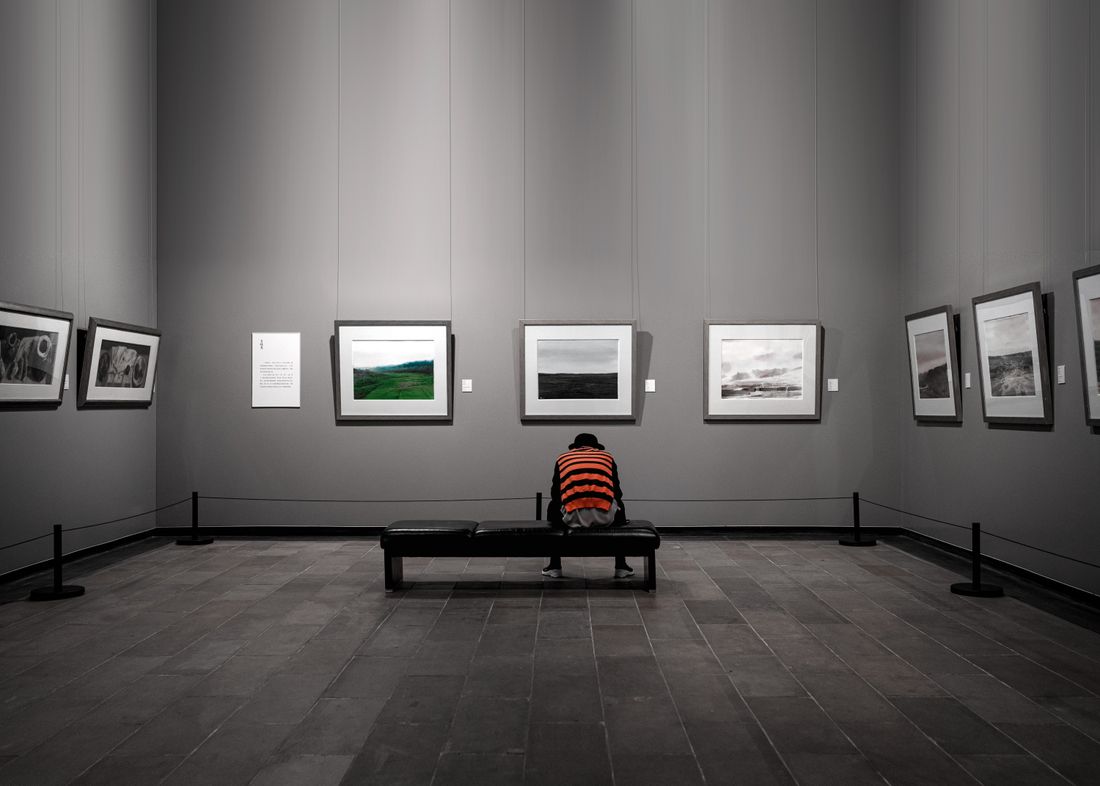
A performance that runs for an hour or more changes the coverage problem from capturing a moment to capturing an arc. Instead of watching for one climax, documentation has to represent change over the full duration, which means a shooting rhythm built around the piece's length, not around waiting for a single decisive instant.
This affects practical decisions well before the piece begins. Battery and memory card changes need to happen on a staggered schedule, planned around quieter stretches of the piece rather than whenever a card fills up, so there is never a real gap in coverage during a shift the artist did not warn us about. A single camera running continuously for hours also means thinking about where footage actually needs density: some durational pieces change slowly enough that a frame every few minutes tells the story, while others build toward specific transition points that need tighter, more frequent coverage right around them.
Long-durational work also puts real strain on the person documenting it, and that is worth naming honestly rather than pretending focus holds evenly for hours. A second person on rotation, even for short breaks, protects against the exact failure mode a long piece creates: attention drifting during an unremarkable stretch, right before the stretch turns out to matter. The record of a two-hour piece is only as good as its weakest quarter-hour, and weak quarter-hours are where fatigue, not lack of skill, usually costs the shot.
How Will The Artist Actually Use These Files Afterward?
For many performance artists, the documentation is not a supplement to the work; it becomes the only lasting artifact of it, used in portfolios, grant and residency applications, gallery archives, and sometimes as the exhibited object itself once the performance is over and the piece only exists as record.
That changes what "done" means for the files we hand back. A performance photographed only for a gallery's social recap needs a different edit and file spec than one being submitted for a residency application with strict format requirements, or one intended for a print in a future exhibition about the piece. Asking the artist, before the piece happens, what the files are actually for changes decisions we make on the day: whether a specific frame needs to be clean enough for large-format printing, whether video needs a version cut for length, whether stills need to stand alone without any caption explaining what the piece was.
This is also why documentation deserves the same seriousness as any other deliverable, not a rushed afterthought once the performance ends. A file that will represent the entire piece in an artist's history, possibly for years, is worth the same care as a piece meant to hang on a wall. Many performance artists have described the finished documentation as effectively the work's second life, the only form most people who were not physically in the room will ever encounter.
What Can Still Go Wrong Even With A Good Plan?
Even with a clear pre-performance conversation, good positioning, and both formats running, a performance can still cost coverage: a battery dies at the wrong minute, the one clean angle gets blocked by a late-arriving guest, or the piece's most important beat happens exactly where a sightline was not scouted. Naming that honestly matters more here than in most other coverage.
Unlike an event that runs for hours with many chances to recover a shot, a performance's risk is concentrated. There usually is not a second version of the moment that mattered most. The best defense is redundancy planned in specific places: a second camera angle on the piece's known key moments if the artist has flagged them in advance, staggered equipment changes so no single point of failure can take out the whole record at once, and a second person on hand for anything running long enough that fatigue becomes a real factor.
Even with all of that, some loss is possible, and pretending otherwise sets an expectation a live, unrepeatable event cannot always meet. The honest version of this work plans hard for the moments known to matter, accepts that a few unplanned ones may not survive cleanly, and is upfront with the artist about that tradeoff before the piece starts rather than after it is too late to have planned differently. That single honest conversation, held before doors open rather than apologized for afterward, is usually what keeps a partial loss from feeling like a broken promise.
Frequently asked questions
Do we need to agree on shot boundaries with the performance artist in advance?
Yes, and it should happen before the piece starts, not during it. A performance often has moments the artist considers private, a physical boundary the camera should not cross, or a specific ending that matters more than anything before it. Agreeing on this in writing where it counts means those boundaries are respected automatically, instead of negotiated in real time with no way to undo a frame once it exists.
Can one photographer really cover a performance with both a camera and a video rig?
It is possible but risky for anything with a genuinely unrepeatable moment, since switching between two systems mid-piece tends to lose whatever happens during the switch itself. When only one person is available, the earlier conversation with the artist about which moments matter most decides which format leads and which one runs as a continuous safety net in the background instead, rather than guessing on the day.
Why record separate audio instead of relying on the video camera's built-in microphone?
A camera's microphone is positioned and tuned for a good picture, not good sound, so it typically picks up room noise, HVAC hum, and distant voices over whatever actually mattered. For a piece built on spoken text or a sound score, a dedicated recorder running independently of the camera is inexpensive insurance against losing the one part of the record video alone was never going to capture cleanly.
How is documenting a long, durational performance different from a shorter piece?
A short piece rewards watching for one decisive moment. A long one needs a shooting rhythm spread across its full length, with battery and card changes staggered around quieter stretches so there is never a real gap in coverage. It also puts real strain on whoever is documenting it, so a second person on rotation protects against attention drifting during an unremarkable stretch that later turns out to matter.
What happens to the photos and video after a performance is finished?
For many performance artists, the documentation becomes the only lasting record of the piece, used in portfolios, grant or residency applications, gallery archives, and sometimes as the exhibited object itself once the live performance is over and the piece only exists as record. Asking what the files are actually for, before the piece happens, changes real decisions on the day, including which frames need to be clean enough for large-format printing later.
Got overlapping openings already on the calendar?
We work out the coverage plan well before the night gets close, whether that's two shooters, a tight schedule, or simply booking early enough to avoid the conflict entirely.
Explore event coverage →